Andy Comedian Career and Style Overview: The Evolution of Anti-Comedy and Performance Art
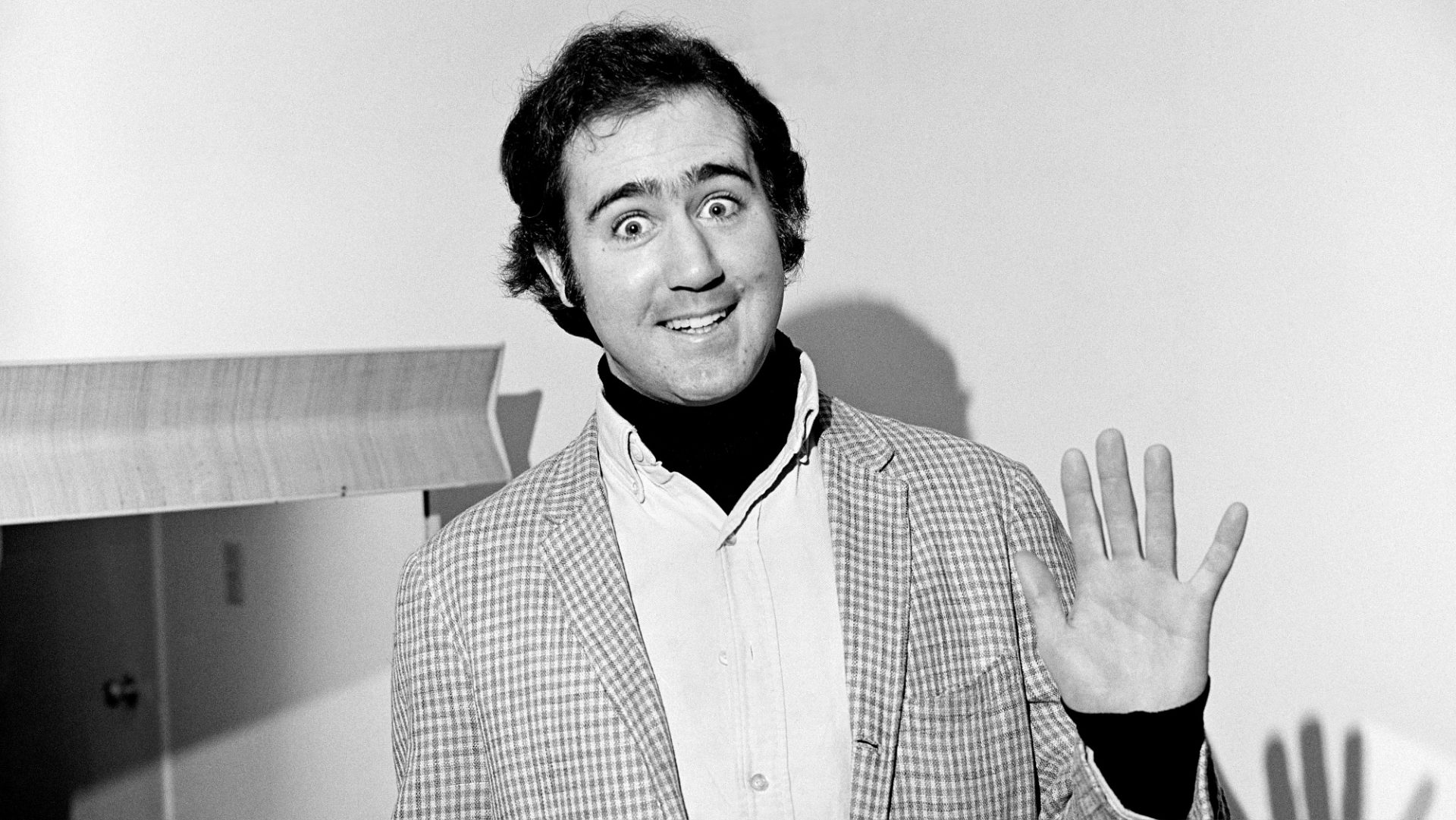
Andy Kaufman transformed American comedy by rejecting traditional stand-up jokes in favor of immersive performance art, boundary-pushing anti-comedy, and persistent character work. From his early club appearances and Saturday Night Liv...
Andy Kaufman transformed American comedy by rejecting traditional stand-up jokes in favor of immersive performance art, boundary-pushing anti-comedy, and persistent character work. From his early club appearances and Saturday Night Live broadcasts to his portrayal of Latka Gravas on Taxi, Kaufman's career redefined humor by challenging audiences to question the boundary between reality and stage persona.
Contents
Disambiguation and Historical Context
When evaluating comedy history, the name "Andy" most prominently brings to mind Andy Kaufman (1949–1984), the seminal avant-garde performer whose career redefined the structural limits of live humor. While modern audiences may also associate the name with major figures like Andy Samberg (the Saturday Night Live alumnus, Lonely Island co-founder, and Brooklyn Nine-Nine star known for digital musical satire) or Andy Richter (the long-running late-night sidekick and master of dry, observational absurdity), Kaufman remains the central subject of historical comedy style analysis.
Kaufman did not consider himself a comedian; he explicitly rejected the label, identifying instead as a "song-and-dance man" or performance artist. However, his influence on stand-up comedy, television, and conceptual art established a baseline for what is now known as anti-comedy—a performance style designed to deliberately subvert audience expectations of punchlines, setup mechanics, and theatrical sincerity.
Early Career and National Breakthrough
Born in New York City in 1949 and raised in Great Neck, Long Island, Andy Kaufman began performing at children's birthday parties and local events during his youth before studying television and performance at Grahm Junior College in Boston. By the early 1970s, Kaufman began testing unconventional stage material in Greenwich Village coffeehouses and legendary New York comedy venues, including The Improv and Catch a Rising Star.
Unlike traditional comedians of the era who relied on observational material, political commentary, or rapid-fire punchlines, Kaufman constructed deliberate, uncomfortable theatrical scenarios:
- The Foreign Man Persona: Kaufman would walk onstage presenting himself as an anxious, timid immigrant from a fictional island in the Caspian Sea. He would tell terrible, flat jokes in a heavy accent, intentionally inducing audience pity or cringe, before dropping the accent to deliver a flawless, high-energy impersonation of Elvis Presley.
- The Mighty Mouse Routine: Standing motionless in front of a microphone, Kaufman would play a phonograph record of the Mighty Mouse theme song, remaining completely silent until stepping forward with dramatic gusto to lip-sync only the phrase, "Here I come to save the day!"
- Literary Readings: In acts designed to test audience endurance, Kaufman would respond to lukewarm applause by pulling out F. Scott Fitzgerald's novel The Great Gatsby and reading it aloud from page one, refusing to stop despite audience groans or walkouts.
Kaufman’s national breakthrough arrived on October 11, 1975, when he performed his Mighty Mouse routine on the premiere episode of NBC's Saturday Night Live. His frequent appearances during the show’s early seasons established him as a revolutionary national act capable of holding prime-time audiences captive through minimalism and surrealism.
Mainstream Television Stardom: Taxi and the Tension of Success
In 1978, producer James L. Brooks and executive producer Stan Daniels cast Kaufman in the ABC ensemble sitcom Taxi. Kaufman was reluctant to join a conventional network broadcast, fearing it would dilute his performance style and lock him into a rigid studio environment.
To secure Kaufman's participation, producers adapted his "Foreign Man" stage persona into the character of Latka Gravas, an innocent mechanic working in a New York garage. Taxi became a critically acclaimed hit, earning Kaufman two Golden Globe nominations during its five-season run (1978–1983).
- Traditional Stand-Up Setup
- Clear Punchline
- Audience Laughter
- Clear Punchline
- Kaufman Performance Art
- Subverted Expectation
- Audience Confusion / Discomfort / Reaction
- Subverted Expectation
Despite the success of Taxi, Kaufman maintained strict boundaries between his artistic identity and studio demands. As part of his television contract, Kaufman negotiated unique concessions:
- Guaranteed Special Appearances: Kaufman demanded airtime for his non-sitcom creative projects.
- Contractual Status for Alter Egos: Kaufman stipulated that his offensive lounge-lizard alter ego, Tony Clifton, be awarded separate contracts, dressing rooms, and guest starring roles on network shows.
- Creative Autonomy: He restricted the number of days he was required to rehearse on set, protecting time for his live performance experiments.
Defining Characteristics of Kaufman’s Comedy Style
Kaufman’s performance architecture departed radically from 20th-century entertainment norms. His methodology can be divided into four core stylistic pillars:
1. Anti-Comedy and Structural Subversion
Anti-comedy relies on withholding the traditional payoff of a joke. Kaufman leveraged awkward silences, repetition, intentional failure, and extended pauses to force audiences to confront their own expectations. By eliminating the safety net of a clear punchline, he shifted the source of humor from the joke itself to the psychological reaction of the crowd.
2. Absolute Commitment to Character
Where standard comedians step out of character to acknowledge a mistake or share a laugh with the room, Kaufman maintained complete character immersion. Whether appearing as Latka, Foreign Man, or Tony Clifton, he refused to break character during interviews, press conferences, or backstage interactions. This total commitment created deep uncertainty regarding where the actor ended and the persona began.
3. Deliberate Antagonism and Provocation
Kaufman routinely adopted antagonistic personas to elicit genuine, unscripted responses from audiences. In the late 1970s and early 1980s, he declared himself the "Inter-Gender Wrestling Champion of the World," offering cash prizes to any woman who could pin him in a match. This routine drew genuine hostility and culminated in a famous, highly publicized feud with professional wrestler Jerry "The King" Lawler in Memphis, Tennessee. Kaufman and Lawler kept the staged, theatrical nature of their wrestling rivalry secret for years, maintaining the illusion of genuine hatred even during a famous 1982 altercation on Late Night with David Letterman.
4. Immersive and Improvised Environments
Kaufman viewed the entirety of a venue as his canvas. On April 26, 1979, during a headlining show at New York's Carnegie Hall, Kaufman concluded his performance by inviting the entire audience of over 2,800 people out for milk and cookies. He had chartered 20 buses waiting outside the hall to transport attendees to a school cafeteria, continuing the performance through the next morning on the Staten Island Ferry.
Comparative Matrix: Prominent Comedy Figures Named Andy
To understand how Andy Kaufman's legacy compares to other prominent comedy figures sharing the name, the following matrix breaks down career eras, primary media, artistic styles, and major contributions across the industry:
| Comedian | Active Eras | Primary Medium | Signature Style & Mechanics | Cultural Impact & Legacy |
|---|---|---|---|---|
| Andy Kaufman | 1970s–1984 | Live Performance Art, TV (Taxi, SNL) | Anti-comedy, subversion of tropes, public antagonisms, persistent alter egos | Father of conceptual comedy; redefined performance boundaries and reality blurring. |
| Andy Samberg | 2000s–Present | Television, Digital Shorts, Film | Surreal pop parody, pre-recorded musical satire, frantic energy | Revolutionized SNL for the internet age via digital shorts; star of Brooklyn Nine-Nine. |
| Andy Richter | 1990s–Present | Late-Night TV, Voice Acting, Sitcoms | Dry absurdity, self-deprecating banter, high-IQ observational sidekick work | Set the benchmark for late-night comedy sidekicks alongside Conan O'Brien. |
| Andy Dick | 1990s–Present | Sketch TV, Stand-Up, Improv | Kinetic physical comedy, unpredictable off-beat persona, shock humor | Prominent 1990s ensemble player (The Ben Stiller Show, NewsRadio). |
| Andy Zaltzman | 2000s–Present | Radio, Podcasts (The Bugle), Stand-Up | Dense political satire, elaborate puns, sports analytics commentary | Key figure in British political satire and international comedic podcasting. |
Legacy and Influence on Contemporary Media
Although Kaufman died of large-cell lung carcinoma in May 1984 at the age of 35, his artistic philosophy profoundly shaped modern comedy, television, and alternative media. Contemporary comedians, writers, and broadcast hosts directly draw upon the conceptual trail Kaufman blazed:
- The Eric André Show: Utilizes hostile studio environments, guest discomfort, and destructive surrealism derived directly from Kaufman's broadcast disruptions.
- Nathan Fielder (Nathan for You, The Rehearsal): Employs extended deadpan silences, hyper-realistic character commitment, and social vulnerability to blur the line between real life and structured satire.
- Sacha Baron Cohen (Borat, Ali G): Expands Kaufman’s commitment to persistent public alter egos that provoke unscripted, revealing reactions from real people.
- *Tim & Eric (Awesome Show, Great Job!):* Features intentionally bad edits, cringe anti-humor, and subverted public-access aesthetic models pioneered by Kaufman's Andy's Funhouse projects.
Critical Reception and Historical Assessment
During his lifetime, Kaufman was frequently a polarizing figure. Mainstream audience members who expected conventional jokes from the star of Taxi were often bewildered or angered by his live shows. In 1982, Saturday Night Live conducted a live viewer call-in poll asking whether Kaufman should be banned from the program; the "Dump Andy" votes won by a small margin, leading to his exclusion from future live broadcasts.
Retrospective evaluation by comedy historians, critics, and peers has reframed Kaufman as one of the most visionary figures in American performance history. His refusal to break character, combined with his willingness to sacrifice easy laughs for genuine human tension, elevated comedy from light entertainment to a fine art discipline.
Frequently Asked Questions
Why did Andy Kaufman refuse to call himself a stand-up comedian?
Kaufman rejected the label because he did not write setups or traditional punchlines, nor did he intend to generate consistent, safe laughter. He viewed his work as theatrical experimentation, music, and emotional provocation, identifying primarily as a "song-and-dance man" who manipulated audience dynamics.
What was the origin of the Tony Clifton character?
Tony Clifton was an obnoxious, deliberately untalented lounge singer persona created by Kaufman and co-written with his creative partner Bob Zmuda. Kaufman used Clifton to challenge the audience's trust, frequently having Zmuda wear the Clifton makeup in public while Kaufman appeared elsewhere, leaving audiences unsure of who was actually performing.
Was Andy Kaufman's wrestling feud with Jerry Lawler real?
No. While the feud was presented to the public and press as a genuine, bitter hatred—resulting in a famous televised physical altercation on Late Night with David Letterman in 1982—it was a carefully staged collaboration between Kaufman and Lawler. The two remained close friends off-camera, keeping the secret for over a decade.
How did Andy Kaufman influence modern digital and alternative comedy?
Kaufman proved that humor could exist in tension, confusion, and silence rather than strict joke formulas. His legacy lives on in modern alternative comedy, reality-bending television, mockumentaries, and stunt-based performance art that rely on deadpan delivery and deep character commitment.
How does Andy Samberg's comedy style differ from Andy Kaufman's?
While both comedians rely on absurdism and subverting traditional television structures, Andy Samberg's work is characterized by high-production pop parody, structured digital shorts, and catchy musical satire designed for wide distribution. In contrast, Kaufman prioritized live physical tension, audience alienation, and unpredictable performance art.
Recommended Viewing and Archival Resources
For students of comedy history, writers, and media analysts seeking to examine Kaufman's work directly, the following archival materials offer the clearest representation of his career and performance mechanics:
- Saturday Night Live: The Complete First Season (1975): Essential viewing for Kaufman's initial Mighty Mouse and Foreign Man television appearances.
- Andy's Funhouse (Recorded 1977, Broadcast 1979): Kaufman's special featuring his vision for an eccentric, subverted variety show.
- Live at Carnegie Hall (1979): The definitive record of Kaufman's large-scale interactive stage performance, showcasing his ability to lead an audience through song, drama, and unexpected hospitality.
- Late Night with David Letterman (July 28, 1982): A masterclass in reality-blurring broadcast television featuring Kaufman and Jerry Lawler.
- Man on the Moon (1999): The biographical film directed by Miloš Forman, starring Jim Carrey, which provides a detailed dramatization of Kaufman's life, alter egos, and artistic philosophy.
Image Gallery