The Role of Christian Pulisic’s Personal Beliefs in His Professional Soccer Career
Christian Pulisic’s public life, while heavily scrutinized by the global sports media, is often defined by his performance on the pitch rather than his private convictions. While Pulisic has occasionally made brief mentions of his Chri...
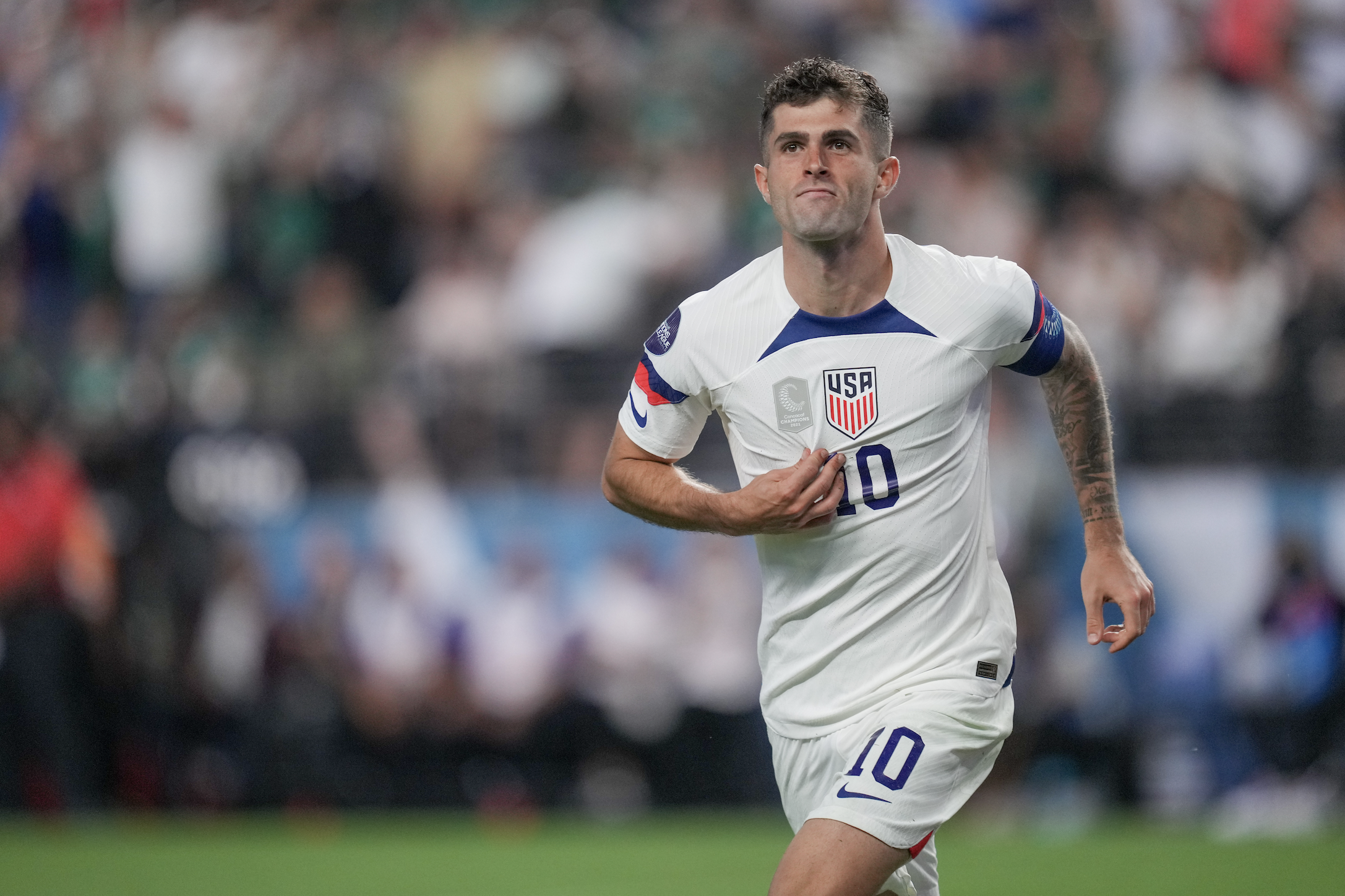
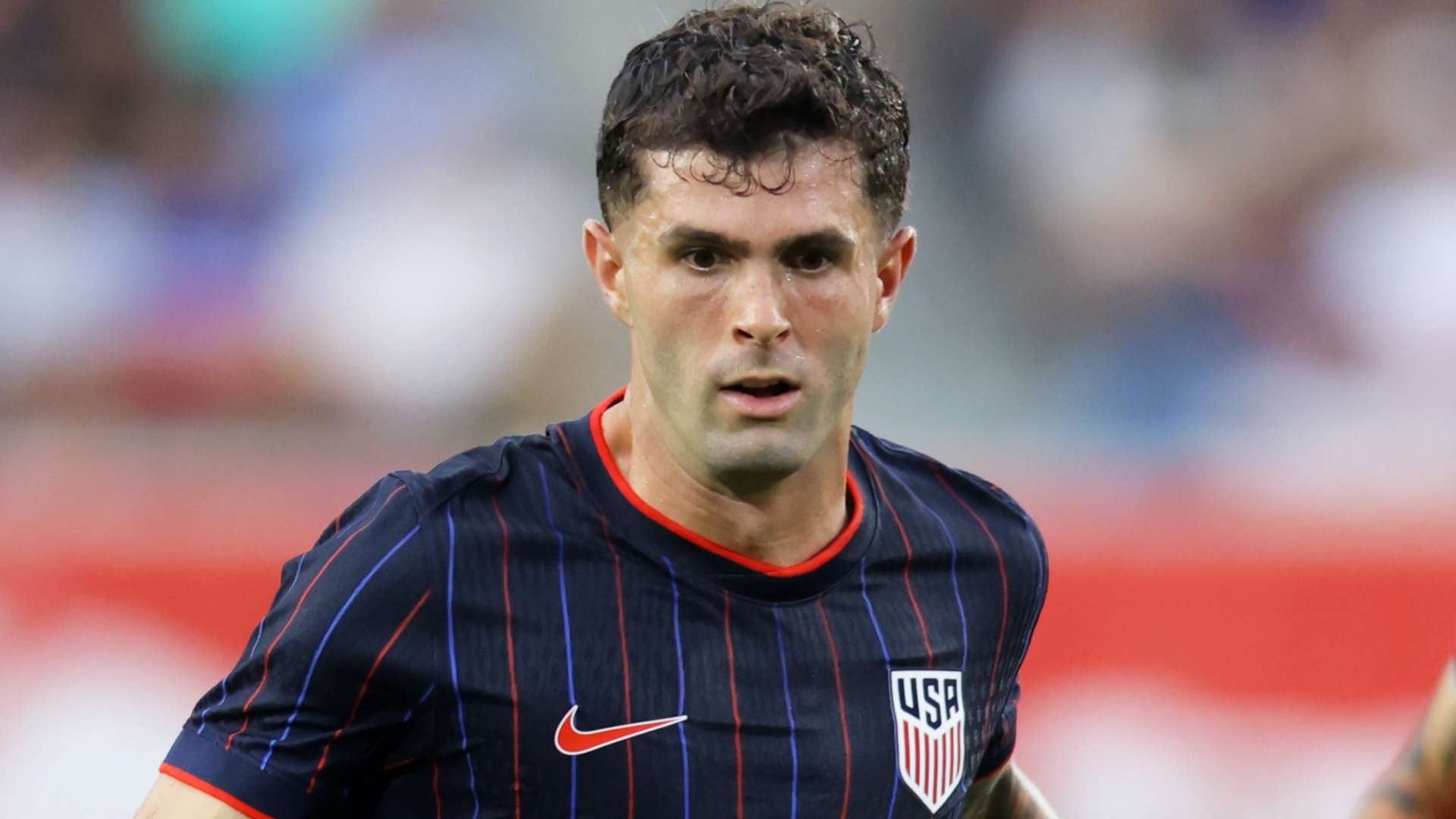
Christian Pulisic’s public life, while heavily scrutinized by the global sports media, is often defined by his performance on the pitch rather than his private convictions. While Pulisic has occasionally made brief mentions of his Christian faith in interviews and on social media, there is no evidence that his religious beliefs dictate his professional career trajectory, contract negotiations, or tactical decisions at the club or international level. Instead, his career path is largely characterized by rigorous athletic training, strategic career moves between European leagues, and the persistent pressure of being the face of American soccer.
Contents
Understanding the Intersection of Faith and Athletics
In the world of high-performance sports, players often draw from personal belief systems to navigate the intense mental and emotional toll of competition. For many professional athletes, faith serves as a stabilizing force, providing a framework for managing performance anxiety, dealing with the instability of constant transfers, and maintaining a sense of perspective when faced with long-term injuries.
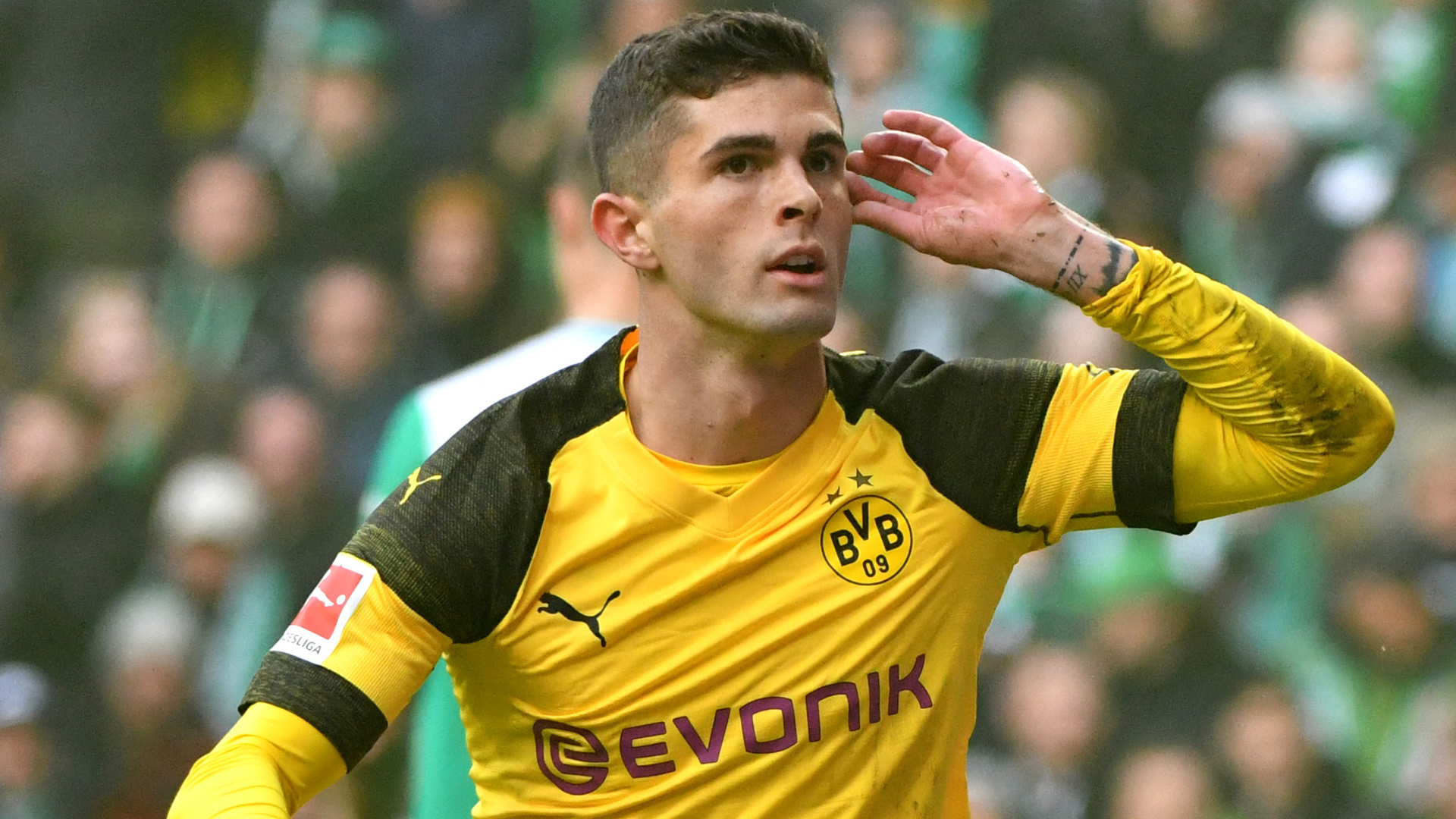
However, distinguishing between a personal habit and a "career-influencing" factor is critical. In the case of Christian Pulisic, his professional choices—ranging from his early development at Borussia Dortmund to his moves to Chelsea FC and subsequently AC Milan—align with standard industry progressions for elite talent. His career decisions are empirically driven by factors such as coaching philosophy, the competitiveness of the league, and individual playing time, rather than spiritual guidance or religious mandates.
The Professional Context of Christian Pulisic’s Career
To understand why Pulisic’s career trajectory is professional rather than theological, one must look at the structural realities of modern professional soccer. Athletes at the highest level operate within a ecosystem where decisions are influenced by data analytics, scouting reports, and high-stakes transfer economics.
Key Factors Influencing Pulisic’s Professional Path
- Tactical Fit: Pulisic’s transition from Chelsea to AC Milan in 2023 was primarily driven by the need for a stable environment where his playing style would be utilized effectively under a specific manager’s tactical vision.
- Performance Metrics: His career has been marked by a focus on physical recovery and output, including addressing recurring injury concerns that hindered his consistency during his time in the Premier League.
- Market Positioning: As a high-profile U.S. Men's National Team (USMNT) player, his career path also involves navigating the massive commercial interest from American audiences, which plays a role in his status as a marquee player for his clubs.
Comparison of Professional Drivers vs. Personal Beliefs
It is common for fans to search for deeper meaning or "hidden" drivers behind an athlete’s success. However, sports science and management literature emphasize tangible performance metrics. The following table illustrates the distinction between the factors that actually drive a professional soccer career and the intangible nature of personal belief.
| Factor Category | Examples of Professional Drivers | Relationship to Career |
|---|---|---|
| Operational | Transfer fees, contract duration, wage structures. | Dictates club stability and financial security. |
| Tactical | Positional versatility, pressing intensity, pace. | Determines playing time and team selection. |
| Physical | Injury prevention, recovery protocols, diet. | Essential for longevity in top-tier leagues. |
| Personal | Individual values, faith, family support. | Provides emotional resilience and mental health support. |
The Impact of Public Perception on Athlete Biographies
The narrative surrounding "religion influencing a career" often stems from a fan-driven desire to understand the human side of an idol. In the case of Pulisic, the public fascination with his personal life is a byproduct of his celebrity status. When he makes a subtle reference to his faith, it is often amplified by fans or media outlets looking for a deeper narrative.
In reality, most elite athletes maintain a compartmentalized approach to their lives. The professional environment of an elite European soccer club is highly secular and meritocratic. Decisions regarding who starts in a match or who is sold during a transfer window are made by sporting directors and head coaches who rely on performance data and tactical synergy. Attributing these professional outcomes to the influence of religion risks overlooking the actual work, discipline, and strategic decision-making that define a player's tenure at the highest level of the sport.
Distinguishing Between Personal Identity and Professional Persona
It is important to differentiate between what an athlete is and what they do. Christian Pulisic identifies as a person of faith, as many professional athletes do, but this identity rarely dictates the logistical progression of a career in professional soccer.
Why Fans Connect Performance to Personal Values
- Humanizing the Icon: Fans feel closer to an athlete when they can associate them with shared values, leading to a heightened interest in their personal convictions.
- The "Character" Narrative: Sports journalism often frames comeback stories or periods of struggle through the lens of character-building, where an athlete’s belief system is portrayed as the catalyst for their resilience.
- Media Framing: Sports media often relies on "human interest" angles to supplement dry match statistics, which can lead to disproportionate coverage of an athlete's non-professional life.
While these angles provide narrative structure for fans, they are rarely the primary drivers of professional success. Pulisic’s career successes—his trophies, his goals, and his international caps—are the direct results of his specialized skill set, his work ethic on the training ground, and the strategic support of his management and coaching staff.
Frequently Asked Questions
Does Christian Pulisic attribute his career success to his religion? There is no public record or official statement from Pulisic claiming that his faith is the reason for his professional success. While he has acknowledged his faith, he consistently attributes his progress to hard work, training, and the opportunities provided by his clubs.
How does faith impact the daily routine of a soccer player? For many athletes, faith acts as a tool for mental well-being. It can help players maintain a positive mindset during recovery from injuries or during slumps in performance, but it does not replace the necessity of tactical training or physical rehabilitation.
Do major soccer clubs consider an athlete’s religious background in hiring? European soccer clubs operate on a business and performance-based model. Hiring, scouting, and transfer decisions are based on talent, medical history, tactical fit, and age. Religion is not a factor in professional scouting or contract considerations.
Has Christian Pulisic ever missed a match due to religious observance? There is no evidence to suggest that Pulisic has missed matches or declined training commitments due to religious obligations. His professional schedule remains aligned with the intense demands of the international soccer calendar.
Why is there so much interest in the personal lives of top athletes? The intense media scrutiny surrounding athletes is a result of their high visibility. As public figures, every aspect of their identity becomes subject to analysis, often leading to speculation about how their personal lives intersect with their public performance.
Practical Next Steps for Following Athlete Careers
If you are interested in understanding the factors that truly impact a player like Christian Pulisic, it is more effective to follow verified sources of information regarding professional development. Focus on:
- Tactical Analysis: Review professional analysis of his role on the field, such as his position as a winger or attacking midfielder, and how he adapts to different tactical setups at his current club.
- Official Club Communications: Rely on club-released injury updates and interviews regarding his training progress to understand his professional status.
- Performance Statistics: Monitor objective metrics like goals, assists, and passing accuracy, which provide a factual basis for evaluating his impact on his team.
By shifting the focus from personal background to tangible performance indicators, you gain a clearer, more accurate understanding of the forces driving high-level professional sports.
Image Gallery