The 5 Best Drugstore Retinol Options Available in Canada
Retinol, a derivative of vitamin A, remains the gold standard in non-prescription skincare for addressing fine lines, uneven texture, and collagen production. For Canadians seeking high-quality anti-aging solutions without visiting a m...
Retinol, a derivative of vitamin A, remains the gold standard in non-prescription skincare for addressing fine lines, uneven texture, and collagen production. For Canadians seeking high-quality anti-aging solutions without visiting a medical aesthetic clinic, several pharmacy-accessible brands offer evidence-based formulations that balance potency with skin barrier support.
Contents
Understanding Retinol Formulation and Skin Tolerance
Retinol operates by speeding up cellular turnover, which promotes the shedding of dead skin cells and stimulates the production of new collagen in the dermis. While high-concentration prescriptions like tretinoin are available through physicians, drugstore options generally utilize retinol esters or stabilized pure retinol in concentrations ranging from 0.1% to 0.3%.
For the Canadian consumer, the primary challenge is not just efficacy, but the environmental factor: Canada’s harsh, dry winters can compromise the skin barrier. Consequently, the best drugstore retinol products are those that incorporate buffering agents—such as ceramides, hyaluronic acid, or niacinamide—to minimize irritation during the retinization process. Whether you are shopping at Shoppers Drug Mart, Rexall, or local independent pharmacies, the following five options represent the current market leaders for accessibility, clinical backing, and ingredient stability.
1. La Roche-Posay Retinol B3 Serum
La Roche-Posay is widely regarded as a staple in Canadian dermatology-recommended skincare. The Retinol B3 Serum is specifically formulated for sensitive skin types, which is essential given the climate-induced sensitivity common among Canadian users.
- Key Ingredients: Pure retinol, gradual-release retinol, vitamin B3 (niacinamide), and thermal spring water.
- Why It Stands Out: The inclusion of 2% niacinamide is a masterstroke. Niacinamide acts as an anti-inflammatory agent that counteracts the redness often associated with starting a retinol regimen. The texture is lightweight and absorbs quickly, making it suitable for layering under heavier moisturizers.
- Best For: Individuals with sensitive skin or those who have experienced stinging with other retinol products.
2. CeraVe Resurfacing Retinol Serum
CeraVe has built a reputation on the "barrier-repair" philosophy. This product is frequently recommended by Canadian dermatologists for those just beginning their journey with active ingredients.
- Key Ingredients: Encapsulated retinol, three essential ceramides, licorice root extract, and niacinamide.
- Why It Stands Out: Encapsulation technology is the highlight here. By encasing the retinol in a protective layer, the product releases it slowly into the skin, significantly reducing the likelihood of "retinol burn." The ceramides ensure the skin’s lipid barrier remains intact, which is critical when combating dry, Canadian air.
- Best For: First-time users and those focusing on post-acne marks and skin texture.
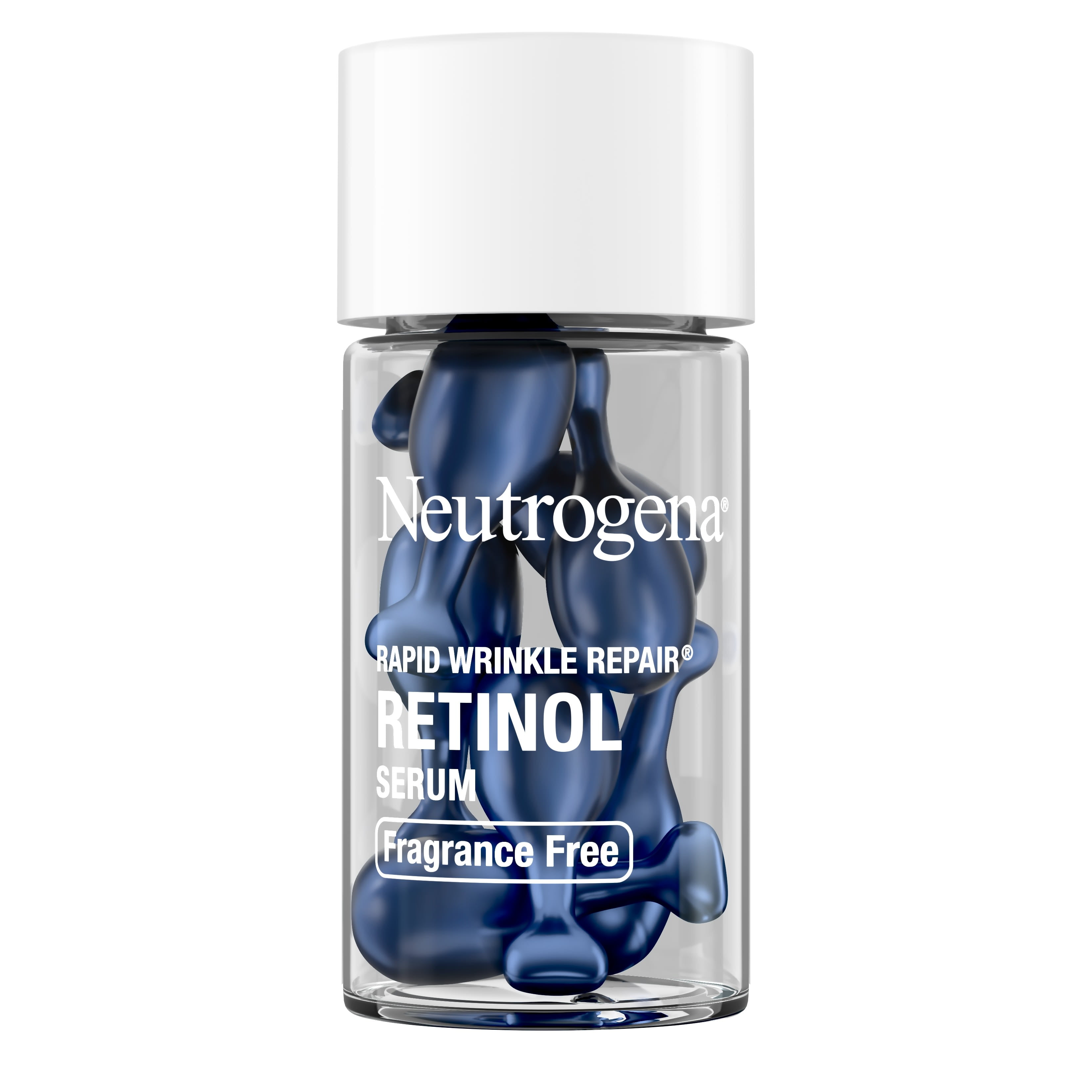
3. Neutrogena Rapid Wrinkle Repair Retinol Oil
Neutrogena remains a dominant force in the Canadian mass market. Their Rapid Wrinkle Repair line has been a consistent performer, and the oil-based format offers a unique advantage for those living in cold climates.
- Key Ingredients: Accelerated retinol SA, glucose complex, and hyaluronic acid.
- Why It Stands Out: The oil-based vehicle provides an occlusive layer that helps prevent transepidermal water loss. In the dead of a Canadian winter, a water-based serum might leave the skin feeling tight; the oil format locks in moisture while delivering the active retinol deeper into the skin.
- Best For: Users with drier skin types or those who prefer a more nourishing, emollient application.
4. The Ordinary Retinol 0.2% in Squalane
The Ordinary, a brand with deep Canadian roots (owned by DECIEM), simplified the complex retinol market by focusing on single-ingredient transparency. Their oil-based retinol is one of the most cost-effective and straightforward options available.
- Key Ingredients: Retinol in a squalane base.
- Why It Stands Out: Squalane is a stable, plant-derived lipid that mimics the skin's natural sebum. By suspending the retinol in squalane, the brand provides a non-comedogenic hydration boost that mitigates the dryness associated with retinoid use. It is a no-frills, highly effective tool for those who prefer to build their own custom skincare stack.
- Best For: Minimalists and those on a strict budget who still want high-quality active ingredients.
5. Vichy LiftActiv Retinol Specialist Deep Wrinkles Serum
Vichy, another brand frequently found in the "derm-counter" section of Canadian drugstores, targets the more mature market looking for clinical-grade results for deep-set wrinkles.
- Key Ingredients: 0.2% pure retinol, probiotic fractions, and bio-peptides.
- Why It Stands Out: This serum is formulated with a "Pro-Retinol" complex that works in tandem with peptides. Peptides support the skin’s architecture, while the retinol addresses surface turnover. It is a slightly more sophisticated formulation designed for those who want to see a tangible difference in skin elasticity.
- Best For: Mature skin showing signs of fine lines and loss of firmness.
Comparative Summary Table
| Product | Base Ingredients | Best For | Texture |
|---|---|---|---|
| La Roche-Posay Retinol B3 | Niacinamide | Sensitive Skin | Serum |
| CeraVe Resurfacing | Ceramides | Beginners | Serum |
| Neutrogena Rapid Wrinkle | Hyaluronic Acid | Dry Skin | Oil |
| The Ordinary 0.2% | Squalane | Budget-Conscious | Oil |
| Vichy LiftActiv | Bio-peptides | Mature Skin | Milky Serum |
Usage Guidelines and Safety Considerations
Regardless of the product chosen, the "start low and go slow" rule is the industry standard. When incorporating retinol into your 2026 routine:
- Frequency: Begin by applying the product two nights per week. If no irritation occurs, increase to every other night, eventually moving to nightly usage as tolerated.
- Sun Protection: Retinol increases photosensitivity. In Canada, where UV exposure can still cause damage even on overcast days, a broad-spectrum SPF 30 or higher must be applied every morning.
- Application: Always apply to dry skin. Applying retinol to damp skin can increase penetration too quickly, leading to unnecessary irritation.
- Avoidance: Do not use retinol concurrently with other strong actives like AHAs (glycolic acid) or BHAs (salicylic acid) until your skin has fully adjusted, as this can severely compromise the skin barrier.
Disclaimer: This information is for educational purposes and does not constitute medical advice. If you have specific skin conditions such as rosacea, eczema, or severe acne, consult with a dermatologist before starting a retinol regimen.
Frequently Asked Questions
How long does it take to see results from drugstore retinol? Cellular turnover takes time. Most clinical studies suggest that significant improvements in texture and fine lines appear after 8 to 12 weeks of consistent, nightly use. Patience is a prerequisite for success.
Can I use retinol during the Canadian winter? Yes, but you must prioritize hydration. Pair your retinol with a richer moisturizer containing ceramides or fatty acids to offset the drying effects of both the retinol and the cold, low-humidity air.
Is it safe to use retinol if I have acne? Retinol is frequently used to manage acne by preventing clogged pores. However, some users experience an initial "purge," where acne seems to worsen before it improves. This is typically temporary and a normal part of the skin’s adjustment.
What is the difference between retinol and prescription tretinoin? Retinol is a weaker form of vitamin A that requires conversion by the skin into retinoic acid. Tretinoin is already in the form of retinoic acid, making it more potent and faster-acting, but also significantly more irritating.
Should I stop using retinol if my skin flakes? Mild flaking is normal during the first few weeks. If the skin becomes red, raw, or excessively painful, stop usage for one week, focus on hydrating your moisture barrier, and then reintroduce the product at a lower frequency.
Next Steps for Your Skincare Journey
If you are ready to begin, identify your primary skin concern. If you are a beginner, the CeraVe Resurfacing Retinol Serum is arguably the safest starting point. If you live in a particularly dry region of Canada and struggle with winter tightness, the Neutrogena Rapid Wrinkle Repair Oil will likely provide the most comfort. Regardless of your choice, ensure you have a simple, hydrating moisturizer and a reliable sunscreen in your cabinet to support the treatment.
Image Gallery