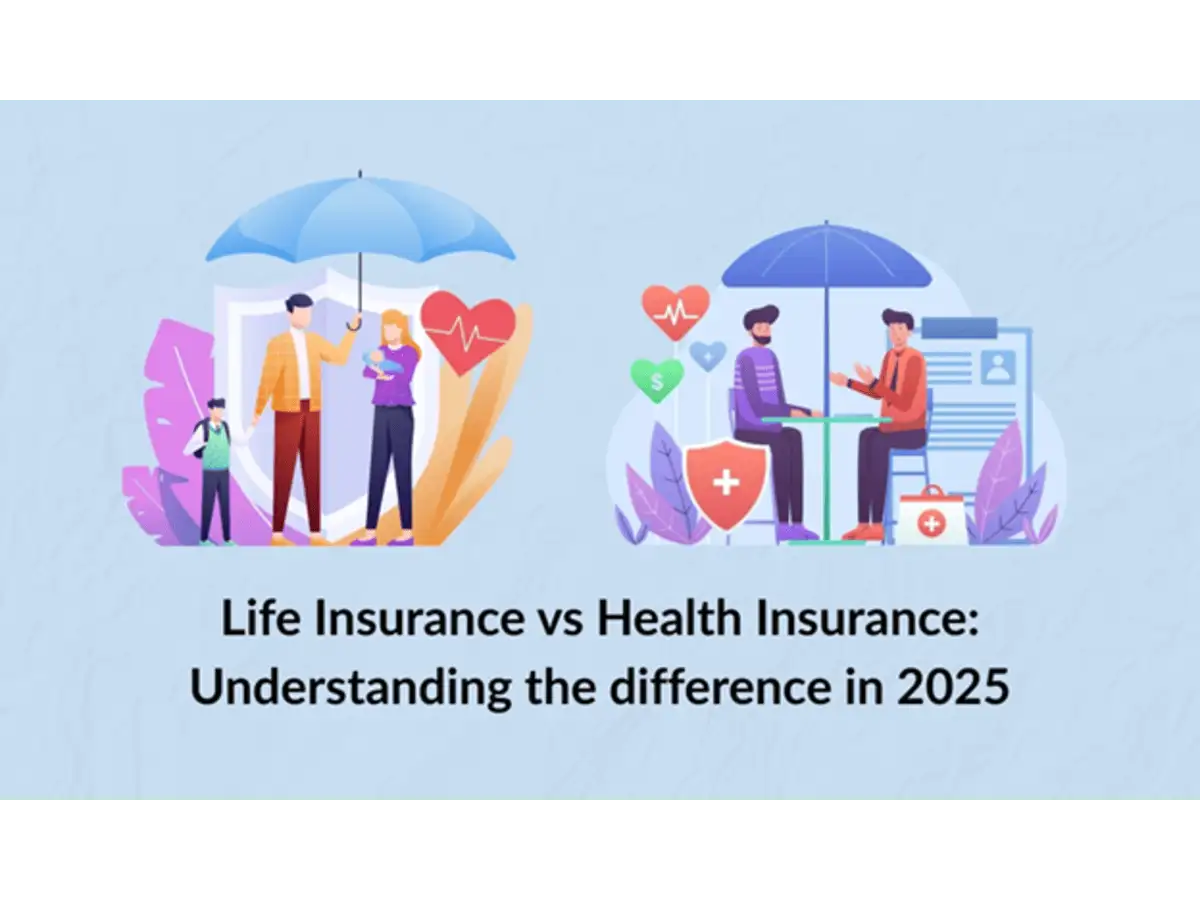
Principles of Life and Health Insurance Course in Indiana: Requirements, Curriculum, and Licensing Pathway
To obtain a Life and Health insurance license in Indiana in 2026, candidates must complete an Indiana Department of Insurance (IDOI)-approved pre-licensing education program. This typically consists of a 40-hour combined course or two...
To obtain a Life and Health insurance license in Indiana in 2026, candidates must complete an Indiana Department of Insurance (IDOI)-approved pre-licensing education program. This typically consists of a 40-hour combined course or two 20-hour individual courses covering insurance fundamentals and state-specific regulations, followed by a proctored state examination and a background check.
Contents
Entering the insurance industry in Indiana requires more than just an aptitude for sales; it demands a comprehensive understanding of the legal and ethical frameworks that protect Hoosier consumers. The "Principles of Life and Health Insurance" course serves as the foundational pillar for this career path. Regulated by the Indiana Department of Insurance (IDOI), these courses are designed to ensure that every prospective agent possesses a standardized level of knowledge before they are authorized to advise the public on complex financial products like annuities, whole life policies, or comprehensive medical plans.
As of 2026, the Indiana insurance market remains a robust sector of the state’s economy. With an evolving regulatory environment, the pre-licensing curriculum has been updated to reflect modern shifts in telehealth coverage, long-term care integration, and digital policy delivery. Navigating this educational requirement is the first critical step for any aspiring producer.
The Regulatory Framework: Indiana Department of Insurance (IDOI)
The Indiana Department of Insurance oversees all pre-licensing and continuing education requirements within the state. Under Indiana Code Title 27, the Commissioner of Insurance sets the standards for course providers and examination content. The primary goal of the pre-licensing course is to mitigate "incompetence, untrustworthiness, and financial irresponsibility" among practitioners.
In Indiana, the pre-licensing requirement is mandatory for residents. Unlike some states that allow for "experience-based" waivers, Indiana strictly enforces the 20-hour per line of authority rule. If you are seeking a dual license in both Life and Health, you must complete 40 hours of instruction. This instruction can be delivered via three primary methods:
- Self-Study: Utilizing approved textbooks or online modules with a proctored final "certification" exam.
- Virtual Classroom: Live-streamed sessions led by a certified instructor.
- In-Person Classroom: Traditional face-to-face instruction at an IDOI-approved facility.
The course provider must be registered with the state, and upon successful completion, they will issue a "Certificate of Pre-Licensing Education Completion." This certificate is valid for six months; if you do not pass the state exam within this window, you must retake the course.
Core Curriculum: Principles of Life Insurance
The "Life" portion of the Indiana pre-licensing course focuses on the mechanics of death benefits, wealth accumulation, and the legalities of the life insurance contract. Candidates are expected to master several complex domains:
Types of Policies
Students must distinguish between "Term" and "Permanent" insurance. The curriculum delves into the nuances of Whole Life, Universal Life, and Variable Life products. In 2026, there is an increased emphasis on Indexed Universal Life (IUL) policies, requiring students to understand how participation rates and caps affect cash value growth.
Policy Riders and Provisions
This section covers the "standard provisions" mandated by Indiana law, such as the Grace Period (typically 30 days), the Incontestability Clause (usually 2 years), and Reinstatement rules. Additionally, students learn about riders—optional additions like the Accelerated Death Benefit, which has become a vital component of modern financial planning for terminal illness.
Underwriting and the Application Process
The course teaches the "Principles" of risk selection. Students learn how insurance companies use the Medical Information Bureau (MIB), attending physician statements, and consumer reports to categorize risks as Preferred, Standard, or Substandard. Understanding the "Insurable Interest" requirement is paramount—this legal principle ensures that the policyholder has a legitimate interest in the continued life of the insured.
Core Curriculum: Principles of Health Insurance
The "Health" portion of the course is often considered more technical due to the high volume of federal and state-specific mandates, such as those originating from the Affordable Care Act (ACA) and Indiana-specific health initiatives.
Healthcare Delivery Systems
Candidates study the differences between Health Maintenance Organizations (HMOs), Preferred Provider Organizations (PPOs), and Point of Service (POS) plans. The curriculum also covers "Consumer-Driven Health Plans," including Health Savings Accounts (HSAs) and Health Reimbursement Arrangements (HRAs), which are prevalent in the Indiana corporate landscape.
Disability and Long-Term Care (LTC)
Indiana has unique standards regarding Long-Term Care insurance, particularly concerning the "Indiana Long-Term Care Partnership Program." This program allows Hoosiers to protect assets while qualifying for Medicaid, provided they purchase a state-certified LTC policy. The pre-licensing course provides a fundamental overview of these asset-protection strategies.
Uniform Policy Provisions
Just as with life insurance, health policies must contain specific provisions. Students learn about the "Notice of Claim," "Proofs of Loss," and "Time Limit on Certain Defenses." Understanding these timelines is essential for agents to provide accurate post-sale service to their clients.
Indiana-Specific Laws and Regulations
A significant portion of the Indiana examination is dedicated to state-specific laws. This ensures that agents are not just generalists, but experts in Indiana’s legal protections.
- The Power of the Commissioner: The course outlines the Commissioner’s authority to conduct examinations of insurers, issue Cease and Desist orders, and revoke licenses.
- Unfair Trade Practices: Indiana law strictly prohibits "Twisting" (making a misleading comparison to induce a policy lapse), "Rebating" (offering a financial inducement to buy a policy), and "Defamation" of other insurers.
- The Life and Health Insurance Guaranty Association: Students must understand the protections provided to policyholders if an insurance company becomes insolvent. Importantly, agents are legally prohibited from using the existence of this association as a "selling point" to prospective clients.
Comparison of Pre-Licensing Requirements in Indiana
The following table outlines the structural requirements for the different paths to licensure in Indiana as of 2026.
| License Line of Authority | Required Study Hours | State Exam Duration | Passing Score | Certificate Validity |
|---|---|---|---|---|
| Life Only | 20 Hours | 2.0 Hours | 70% | 6 Months |
| Health Only | 20 Hours | 2.0 Hours | 70% | 6 Months |
| Life and Health (Combined) | 40 Hours | 3.5 - 4 Hours | 70% | 6 Months |
| Consultant (Life/Health) | 40 Hours | Varies | 70% | 6 Months |
The Licensing Process: From Course to Credential
Completing the "Principles of Life and Health Insurance" course is the first of several sequential steps.
1. Obtain the Certificate of Completion
Once you finish the 40-hour course (for combined lines), your provider will issue a certificate. Ensure the name on the certificate matches your legal ID exactly, as Pearson VUE—the state’s testing vendor in 2026—is strict regarding identification.
2. Schedule the State Examination
The exam is administered by Pearson VUE at various testing centers across Indiana, including Indianapolis, Fort Wayne, Evansville, and Terre Haute. The combined Life and Health exam consists of approximately 150 questions, divided into "General Knowledge" and "Indiana-Specific Law."
3. Fingerprinting and Background Check
Indiana requires all new resident applicants to submit fingerprints for a criminal history background check through the FBI and Indiana State Police. In 2026, this is handled via IDEMIA (Identogo). It is recommended to complete fingerprinting at least 7–10 days before submitting your license application to ensure the results are synced with the IDOI system.
4. File the Official Application
After passing the exam, you must apply for the license through Sircon or the National Insurance Producer Registry (NIPR). You will need to pay the state application fee (approximately $40 for residents in 2026) and provide your exam score report and pre-licensing certificate number.
Continuing Education (CE) and License Maintenance
The education does not end once the license is issued. Indiana requires insurance producers to maintain their expertise through Continuing Education.
For Life and Health producers, Indiana mandates 24 hours of CE every two years. Out of these 24 hours, at least 3 hours must be in Ethics. In 2026, the IDOI emphasizes that CE credits should be diversified; agents are encouraged to take courses in new product categories, such as "Annuity Best Interest Standards" or "Cybersecurity for Financial Professionals." Failure to complete these hours before the license renewal date (the last day of the producer's birth month) results in an immediate license expiration and potential late fees for reinstatement.
Common Pitfalls and How to Avoid Them
The failure rate for the Indiana Life and Health exam remains significant for those who treat the pre-licensing course as a formality. To ensure success:
- Don't Rush the 40 Hours: The state requires 40 hours of "instructional time." Many students attempt to click through online modules too quickly, missing the nuanced differences between "Contributory" and "Non-contributory" group plans.
- Focus on the Laws: Many candidates pass the "General" portion but fail the "Indiana-Specific" section. Pay close attention to timeframes (e.g., how many days an insurer has to notify the Commissioner of a termination of appointment).
- Practice with Mock Exams: Most approved providers offer a question bank. Achieving a consistent 85% or higher on practice exams is a strong indicator of readiness for the actual state exam's 70% passing threshold.
Frequently Asked Questions
Is the Indiana Life and Health insurance exam difficult?
The exam is challenging because it requires a mix of rote memorization (laws and dates) and conceptual application (underwriting scenarios). While the passing score is 70%, the breadth of the material—ranging from federal tax implications of annuities to Indiana-specific grace periods—necessitates focused study.
Can I take the pre-licensing course online in 2026?
Yes, the Indiana Department of Insurance approves several online providers. However, these courses must include a "monitored" or "proctored" final exam to verify that the student who registered for the course is the one who completed the curriculum.
How much does it cost to get a Life and Health license in Indiana?
Total costs in 2026 generally range from $300 to $500. This includes the pre-licensing course ($150–$250), the Pearson VUE exam fee ($60–$100), fingerprinting fees ($50–$60), and the IDOI application fee ($40).
Do I need a college degree to take the course?
No, there is no degree requirement. The only prerequisites for taking the course and the exam are being at least 18 years old and possessing a valid government-issued ID.
What happens if my pre-licensing certificate expires?
If you do not pass the state exam within six months of completing your course, your certificate expires. You will be required to re-enroll in a pre-licensing course and complete the 40 hours again before you are eligible to sit for the state exam.
Are there exemptions for the pre-licensing course?
Exemptions are rare but exist for individuals who hold certain professional designations, such as a Chartered Life Underwriter (CLU) for the Life line, or those who held a similar license in another state and are moving to Indiana (reciprocity). Always verify your specific status with the IDOI before skipping a course.
Practical Recommendation
If you are just beginning this journey, the most effective strategy is to enroll in a combined Life and Health course rather than taking them separately. This approach provides a holistic view of how these two insurance types often overlap in employee benefit packages and financial planning. Once enrolled, prioritize mastering the Indiana State Regulations section early, as these "rule-based" questions are often the deciding factor in whether a candidate passes the Pearson VUE exam on their first attempt.
Disclaimer: This information is for educational purposes and does not constitute legal or financial advice. Insurance regulations and fees are subject to change by the Indiana Department of Insurance.
Image Gallery