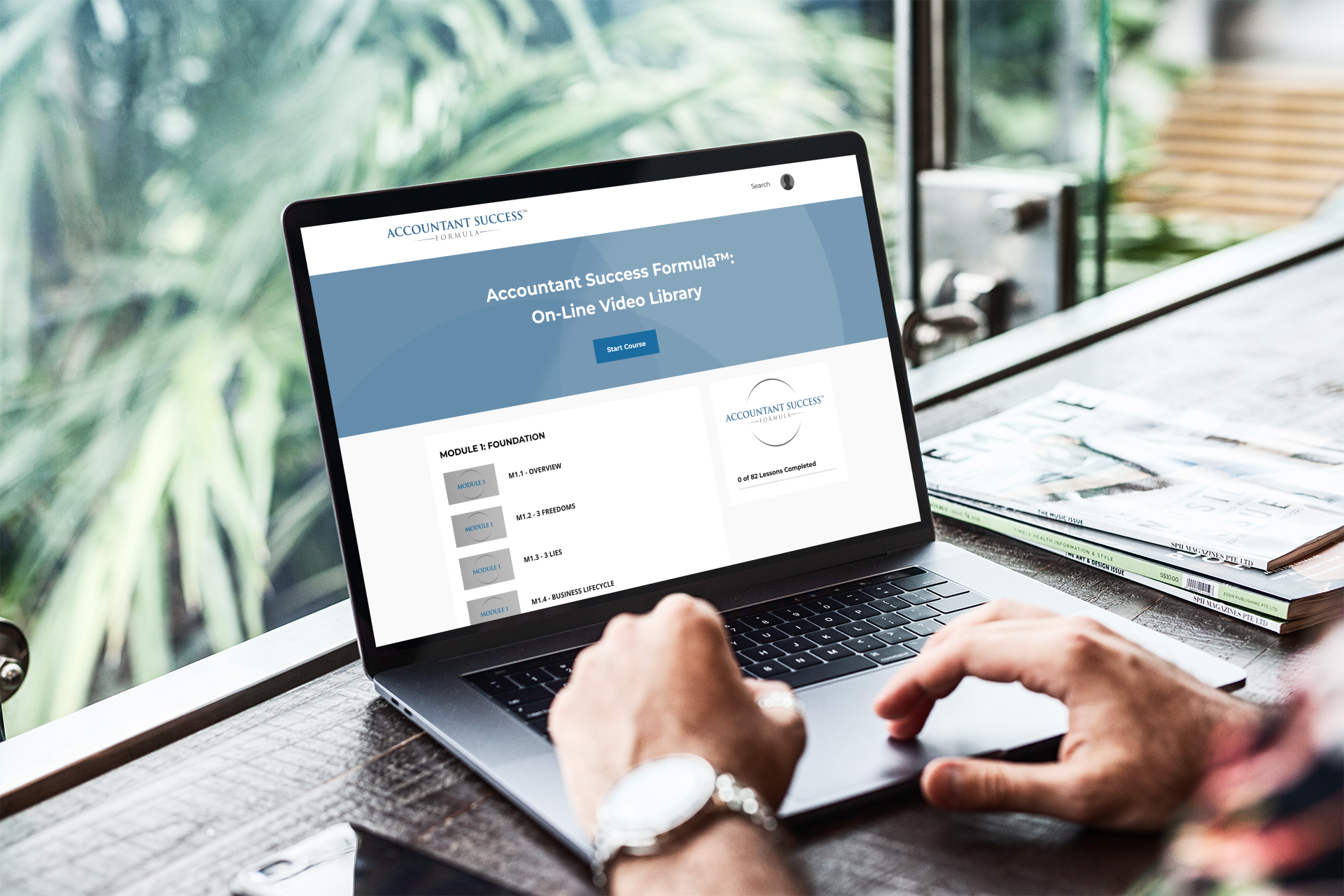
Strategic Accountant Program Selection: A Comprehensive Guide for 2026
Selecting the ideal accounting program in 2026 requires balancing core financial functionality with advanced automation, AI-driven predictive analytics, and seamless integration capabilities. Organizations must evaluate software based...
Selecting the ideal accounting program in 2026 requires balancing core financial functionality with advanced automation, AI-driven predictive analytics, and seamless integration capabilities. Organizations must evaluate software based on their specific scale, industry compliance requirements, and the total cost of ownership to ensure the chosen platform supports long-term growth and operational efficiency.
Contents
The landscape of accounting software has evolved significantly over the last decade. What were once simple ledger-entry tools have transformed into comprehensive Enterprise Resource Planning (ERP) modules and intelligent SaaS platforms. For a business or an independent practitioner, the "accountant program selection" process is no longer just about recording debits and credits; it is about choosing a data ecosystem that serves as the financial "source of truth" for the entire organization.
Defining Your Organizational Needs
Before evaluating specific vendors, it is critical to perform a needs assessment. The requirements of a freelance consultant differ vastly from those of a multinational corporation managing multi-currency consolidations and complex supply chains.
Business Scale and Complexity
The first filter in selection is the size of the entity. Micro-businesses often prioritize ease of use and low monthly overhead, favoring platforms like QuickBooks Online or Xero. However, as a company moves into the mid-market, the need for robust "audit trails," role-based access control (RBAC), and sophisticated inventory management becomes paramount.
Mid-market firms frequently outgrow entry-level software when they require:
- Multi-entity Management: The ability to manage several legal entities under one umbrella with automated intercompany eliminations.
- Advanced Revenue Recognition: Compliance with standards such as ASC 606 or IFRS 15, which can be difficult to manage manually in spreadsheets.
- Dimensional Accounting: Moving beyond a flat Chart of Accounts (COA) to use "dimensions" (e.g., department, location, project) for more granular reporting.
Industry-Specific Requirements
Certain industries have non-negotiable functional requirements. For instance, a construction firm requires "job costing" to track expenses against specific contracts, while a non-profit organization needs "fund accounting" to demonstrate stewardship of restricted donations. Selecting a generic program for a specialized industry often leads to "shadow accounting," where staff maintain separate spreadsheets to compensate for software limitations.
Critical Features to Evaluate in 2026
As we navigate 2026, the baseline for accounting software has shifted. Features that were considered "premium" five years ago are now standard expectations.
Hyper-Automation and AI
Modern programs utilize machine learning to handle repetitive tasks like bank reconciliation, invoice coding, and expense categorization. When selecting a program, evaluate the "autonomy" of its AI. Does the system simply suggest a category, or can it confidently execute transactions based on historical patterns? High-tier programs now offer predictive cash flow forecasting, identifying potential shortfalls weeks before they occur by analyzing historical payment cycles and current market trends.
Integration and API Maturity
No accounting program exists in a vacuum. It must communicate with your CRM (like Salesforce or HubSpot), your payroll provider (like Gusto or ADP), and your banking institutions. The depth of the Application Programming Interface (API) is a vital selection criterion. A "shallow" integration might only sync data once a day, whereas a "deep," real-time integration ensures that your financial dashboard is always accurate to the minute.
Security and Compliance
In an era of increasing cyber threats, the security posture of your accounting provider is paramount. Ensure the vendor maintains SOC 2 Type II compliance and offers robust encryption for data at rest and in transit. Furthermore, for businesses operating in the European Union or California, the program must facilitate compliance with GDPR or CCPA regarding data privacy and the "right to be forgotten."
The Selection Process: A Step-by-Step Framework
Selecting an accountant program is a high-stakes decision; the cost of a failed implementation often exceeds the initial software license fee. Following a structured methodology mitigates this risk.
- Requirement Gathering: Interview stakeholders from finance, operations, and IT to identify "must-have" versus "nice-to-have" features.
- Market Research: Identify a "long list" of 5-7 candidates that match your industry and scale.
- Request for Proposal (RFP): Send a detailed questionnaire to vendors covering technical specs, security, and pricing.
- Live Demonstrations: Do not rely on recorded videos. Insist on a live demo using a sample of your own data to see how the system handles your specific workflows.
- Reference Checks: Speak with current customers, preferably those in your industry, to ask about the reality of the implementation process and the quality of ongoing support.
Comparing Market Leaders by Segment
The following table provides a high-level comparison of the dominant players in the 2026 accounting software market based on typical use cases.
| Program Category | Representative Examples | Target Audience | Primary Strength |
|---|---|---|---|
| Small Business/SaaS | QuickBooks Online, Xero, FreshBooks | Freelancers, Startups, SMBs | User-friendly UI, vast app marketplace, affordable. |
| Mid-Market ERP | Sage Intacct, Oracle NetSuite, Microsoft Dynamics 365 | Growing SMEs, Multi-entity firms | Deep reporting, automated consolidations, scalability. |
| Enterprise Solutions | SAP S/4HANA, Oracle ERP Cloud | Global Corporations | Massive data handling, complex supply chain integration. |
| Specialized/Niche | Procore (Construction), Blackbaud (Non-profit) | Industry-specific organizations | Tailored workflows (Job costing, Grant management). |
Understanding Total Cost of Ownership (TCO)
A common mistake in accountant program selection is focusing solely on the monthly subscription price. The TCO includes several hidden layers:
- Implementation Fees: Mid-to-high-tier systems often require professional implementation partners. These fees can range from 1x to 3x the annual software cost.
- Data Migration: Cleaning and moving historical data from an old system to a new one is labor-intensive and may require specialized consultants.
- Training: Employees need time to learn the new system. Productivity usually dips during the first 60 days of a transition.
- Ongoing Support: Determine if "premium support" (shorter response times, dedicated account managers) is an additional cost.
Technical Considerations: Cloud vs. Hybrid
By 2026, the "Cloud-First" approach is the industry standard. Cloud-based programs offer automatic updates, remote access for distributed teams, and lower upfront hardware costs. However, some highly regulated industries or firms with limited internet connectivity may still opt for a "Hybrid" or "On-Premise" model.
When evaluating cloud providers, check their Service Level Agreement (SLA) for uptime guarantees. A 99.9% uptime is standard, but for mission-critical financial operations, every minute of downtime during month-end close is a significant liability.
Common Mistakes to Avoid
- Over-Buying: Purchasing an enterprise-grade ERP when a mid-market solution would suffice creates unnecessary complexity and costs.
- Ignoring the "End User": If the software is too difficult for the staff to use, they will find workarounds, leading to data silos and inaccuracies.
- Neglecting Mobile Functionality: In 2026, the ability to approve invoices, view dashboards, and capture receipts via a mobile app is essential for modern management.
- Failing to Plan for Growth: Choose a system that can handle where you plan to be in five years, not just where you are today. Changing accounting systems is painful; you don't want to do it every two years.
FAQ
What is the most important factor in accountant program selection?
The most important factor is the "alignment of functionality with business processes." A program can have the most advanced AI in the world, but if it cannot handle your specific revenue recognition needs or integrate with your existing warehouse management system, it will fail to provide value.
How long does a typical implementation take?
For small business software like QuickBooks, implementation can be done in a few days. For mid-market systems like Sage Intacct or NetSuite, expect a timeline of 3 to 6 months. Enterprise-level global rollouts can take 12 to 18 months or longer.
Can we move all our historical data to the new program?
Technically, yes, but it is often discouraged. Most experts recommend migrating "opening balances" and perhaps two years of summarized historical data. Moving a decade of granular transaction data is expensive and often leads to "garbage in, garbage out" scenarios if the old data wasn't perfectly clean.
Do we still need a CPA if we have an advanced accounting program?
Yes. While software in 2026 automates the "bookkeeping" (data entry and categorization), a CPA or professional accountant is needed for "strategic advisory." They interpret the data, ensure tax compliance, handle complex audits, and provide the human oversight necessary for high-level financial planning.
Is AI in accounting software secure?
Reputable vendors invest heavily in AI security. However, it is vital to verify that the vendor does not use your proprietary financial data to train "public" AI models. Look for "private instance" AI features where the learning stays within your organization’s encrypted environment.
Final Recommendations for Selection
To ensure a successful selection, start by forming a dedicated project committee. This group should define clear KPIs (Key Performance Indicators) for the new system—such as "reducing month-end close time by 30%" or "automating 90% of accounts payable."
Once the objectives are set, prioritize vendors that offer a clear "roadmap" for future developments. In the rapidly changing landscape of 2026, you need a partner that is actively investing in blockchain for immutable ledgers, advanced cybersecurity, and intuitive natural language processing (NLP) interfaces. Ultimately, the best accounting program is one that disappears into the background, allowing your finance team to focus on growth rather than data entry.
For further guidance on accounting standards that may impact your software needs, consult the official resources of the Financial Accounting Standards Board (FASB) or the International Financial Reporting Standards (IFRS) Foundation.
Image Gallery