Deconstructing Sharon Stone's Interrogation Scene in Basic Instinct: Cultural Impact, Production History, and Cinematic Technique
Sharon Stone’s interrogation scene in Paul Verhoeven's 1992 erotic thriller Basic Instinct remains one of the most widely discussed, analyzed, and parodied sequences in modern cinematic history. As the moment that catapulted Stone from...
Sharon Stone’s interrogation scene in Paul Verhoeven's 1992 erotic thriller Basic Instinct remains one of the most widely discussed, analyzed, and parodied sequences in modern cinematic history. As the moment that catapulted Stone from a rising actress to an international superstar, the scene combines sharp character direction, strategic blocking, and deliberate subversion of traditional crime-genre tropes to define a cultural milestone of the 1990s.
Contents
Context and Narrative Setup within Basic Instinct
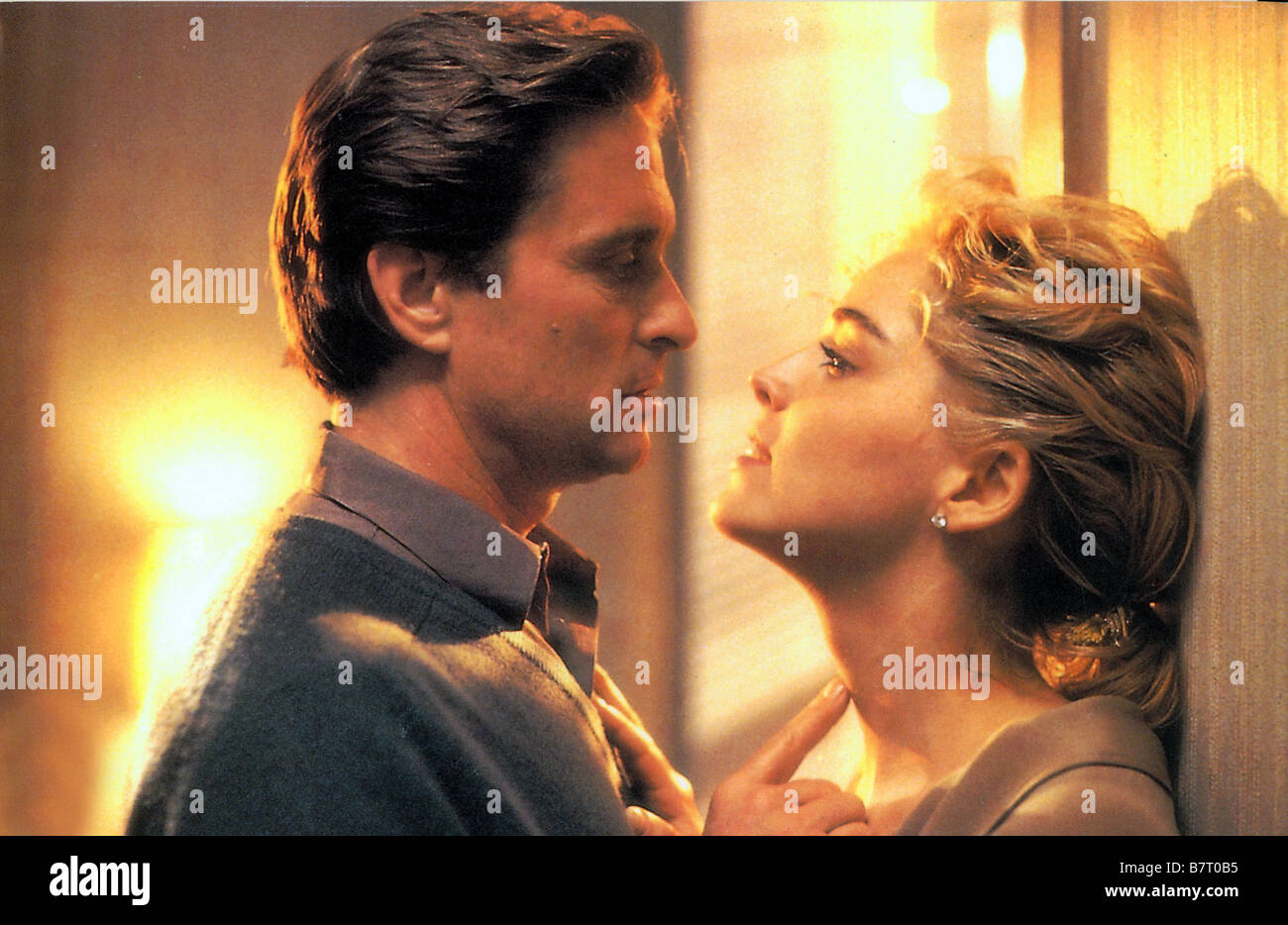
To understand the weight of the interrogation scene, one must examine its placement within the broader narrative of Basic Instinct. Written by Joe Eszterhas and directed by Paul Verhoeven, the film follows San Francisco detective Nick Curran (played by Michael Douglas) as he investigates the brutal ice-pick murder of a rock star. The primary suspect is Catherine Tramell (played by Sharon Stone), a brilliant, wealthy, and provocative novelist whose books uncannily mirror the details of actual crimes.
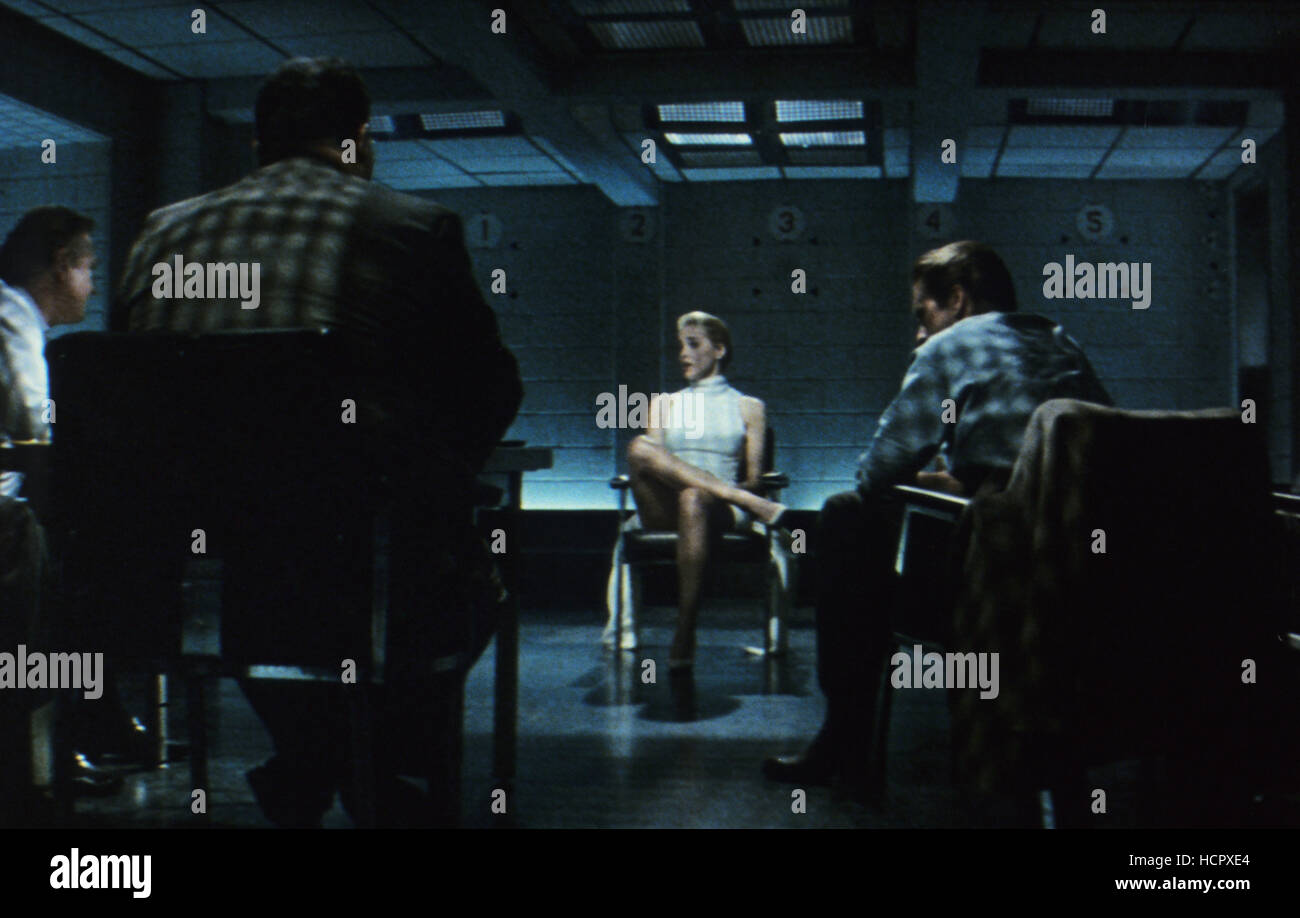
The interrogation scene takes place early in the film, serving as a high-stakes psychological chess match. Catherine is brought into the police station not in handcuffs, but voluntarily, accompanied by her lawyer. She sits surrounded by a room full of aggressive, tobacco-chewing male detectives who view her with a mix of disdain, suspicion, and undeniable attraction. Rather than appearing intimidated, Catherine commands the room through absolute composure, establishing the power dynamic that dictates the rest of the narrative.
The Mechanics of the Scene
The sequence relies heavily on subverting the traditional procedural drama format. In standard cinematic interrogations, the suspect is defensive, cornered, and desperate to prove innocence. Catherine Tramell is entirely unbothered. She smokes a cigarette—violating station rules—and answers questions with playful riddles and counter-accusations.
Key elements establishing her control include:
- Spatial Dominance: While the detectives crowd around her, invading her personal space, Catherine leans back, completely relaxed, treating the formal police inquiry like a casual social engagement.
- Verbal Agility: She turns the tables on the investigators, demonstrating intimate knowledge of police procedures and psychology while exposing the personal vulnerabilities of the men questioning her.
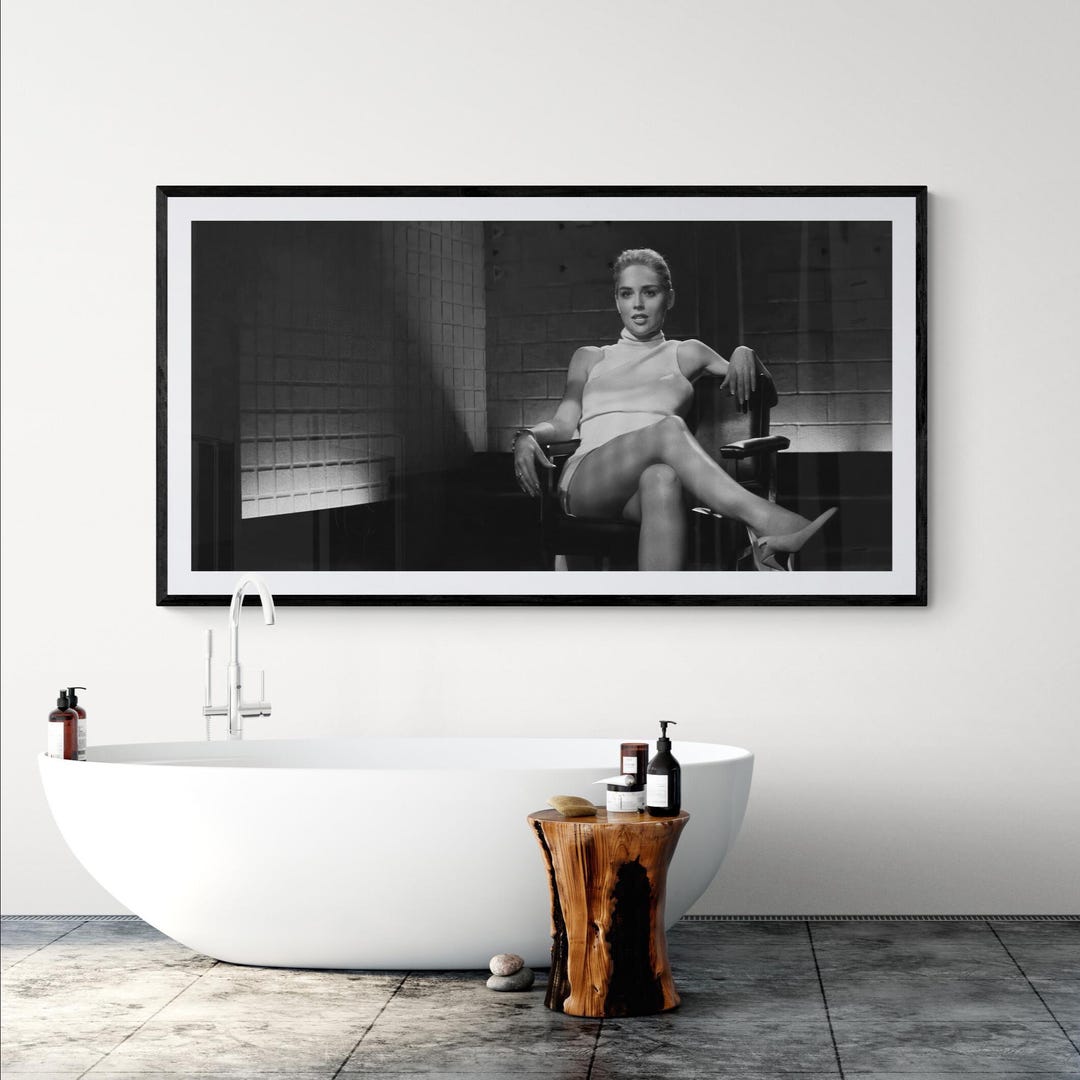
- The Iconic Shift: The turning point of the scene occurs when she uncrosses and recrosses her legs, a moment meticulously crafted to disarm her interrogators completely and signal her absolute power over them.
Behind the Scenes: Direction, Controversy, and Production Realities
The creation of the interrogation scene involved significant tension between director Paul Verhoeven and Sharon Stone, as well as subsequent cultural debates that lasted for decades. Verhoeven envisioned the sequence as the ultimate expression of a femme fatale who weaponizes her sexuality to control men.
According to accounts from both Stone and Verhoeven, the execution of the leg-crossing moment was a point of considerable discussion on set. Stone has noted in interviews and memoirs that she was asked to remove her underwear because the white dress was reflecting too much light, with assurances from the director that nothing explicit would be visible on camera. When the final cut revealed more than anticipated, it sparked a major controversy upon the film's theatrical release in March 1992.
Cultural Impact and Media Storm
Upon its release, Basic Instinct became a massive box-office success, grossing over $352 million worldwide and ranking among the highest-earning films of the year. However, the film also drew intense protests from activist groups, particularly LGBTQ+ organizations who criticized the portrayal of bisexual and lesbian characters as villainous psychopaths.
Despite the protests, or perhaps fueled by them, the interrogation scene instantly transcended the film itself. It became a cultural touchstone referenced in talk shows, parodied in sketch comedies, and analyzed in film schools worldwide. It cemented Sharon Stone's status as a definitive sex symbol of the decade while simultaneously launching rigorous academic debates regarding the male gaze, feminist agency, and subversion in mainstream Hollywood cinema.
Cinematic Comparison: Traditional vs. Subverted Interrogation Tropes
To fully appreciate the craftsmanship of the Basic Instinct interrogation sequence, it helps to compare it with standard genre conventions of the era.
| Cinematic Element | Traditional Police Procedural (1990s) | Basic Instinct Interrogation Scene |
|---|---|---|
| Suspect Demeanor | Defensive, anxious, or overtly aggressive | Utterly calm, amused, and intellectually superior |
| Power Dynamics | Law enforcement holds total physical and legal control | The suspect manipulates the emotional state of the detectives |
| Lighting and Tone | High contrast, gritty, sterile interrogation room | Smoky, claustrophobic atmosphere dominated by masculine anxiety |
| Wardrobe and Styling | Plain prison garb or ordinary street clothes | Immaculate, blindingly white minimalist dress symbolizing innocence and danger |
Legacy and Ongoing Relevance
Decades after its premiere, the interrogation scene in Basic Instinct remains a masterclass in tension building and character introduction. It demonstrated how a director could use non-verbal cues, blocking, and subtext to convey dominance without a single punch being thrown. For Sharon Stone, the scene remains a double-edged sword—a career-defining performance that overshadowed her considerable dramatic range for years, yet solidified her place in cinematic history.
Modern filmmakers continue to study the sequence for its pacing and visual composition. It stands as a pivotal moment when the traditional femme fatale archetype evolved from a tragic victim of her own desires into an active, calculating mastermind who dictates the terms of her own narrative.
Frequently Asked Questions
What is the significance of Sharon Stone's white dress in the interrogation scene?
The white dress is a deliberate visual contradiction. White traditionally symbolizes purity, innocence, and goodness, which sharply contrasts with Catherine Tramell's suspected involvement in a brutal murder. This wardrobe choice emphasizes her duality as an alluring intellectual who is simultaneously lethal.
Did Paul Verhoeven direct any other films with similar thematic elements?
Yes. Dutch filmmaker Paul Verhoeven is known for exploring themes of sexuality, power, and violence in mainstream Hollywood cinema. His filmography includes other major 1990s hits such as Total Recall (1990) and Showgirls (1995), both of which feature provocative imagery and heightened social satire.
How did the interrogation scene affect Sharon Stone's career?
While the scene generated intense media scrutiny and sparked debates about on-set ethics, it instantly elevated Stone to A-list status. It led to major leading roles in critically acclaimed and commercial films throughout the 1990s, including Martin Scorsese's Casino (1995), for which she received an Academy Award nomination.
Was the interrogation scene improvised?
No, the scene was meticulously storyboarded and scripted by Joe Eszterhas and Paul Verhoeven. However, the physical blocking—specifically how Stone managed her posture and movements—was heavily influenced by Stone's collaboration with Verhoeven to maximize the psychological impact on the male characters in the room.
Where was Basic Instinct filmed?
Principal photography for Basic Instinct took place primarily on location in San Francisco, California, along with studio work in Los Angeles. The iconic cityscape views and foggy atmosphere heavily contributed to the neo-noir aesthetic of the film.
Practical Next Steps for Film Analysis
For those interested in further exploring the cinematic techniques used in Basic Instinct, reviewing foundational texts on neo-noir cinema and the evolution of the femme fatale archetype can provide deeper context. Analyzing how modern thrillers borrow these psychological pacing techniques offers valuable insight into contemporary screenwriting and directorial blocking.
Image Gallery