City of Milwaukee Property Tax Bill Explained: Line-by-Line Breakdown, Credits, and Payment Options
Understanding your City of Milwaukee property tax bill is essential for managing homeownership costs, verifying assessment accuracy, and avoiding costly late penalties. Issued annually by the City Treasurer, the bill combines local mun...
Understanding your City of Milwaukee property tax bill is essential for managing homeownership costs, verifying assessment accuracy, and avoiding costly late penalties. Issued annually by the City Treasurer, the bill combines local municipal levies, school funding, county operations, and special regional districts into a single consolidated statement detailing what you owe and where your money goes.
Contents
Understanding Your Milwaukee Property Tax Statement Structure
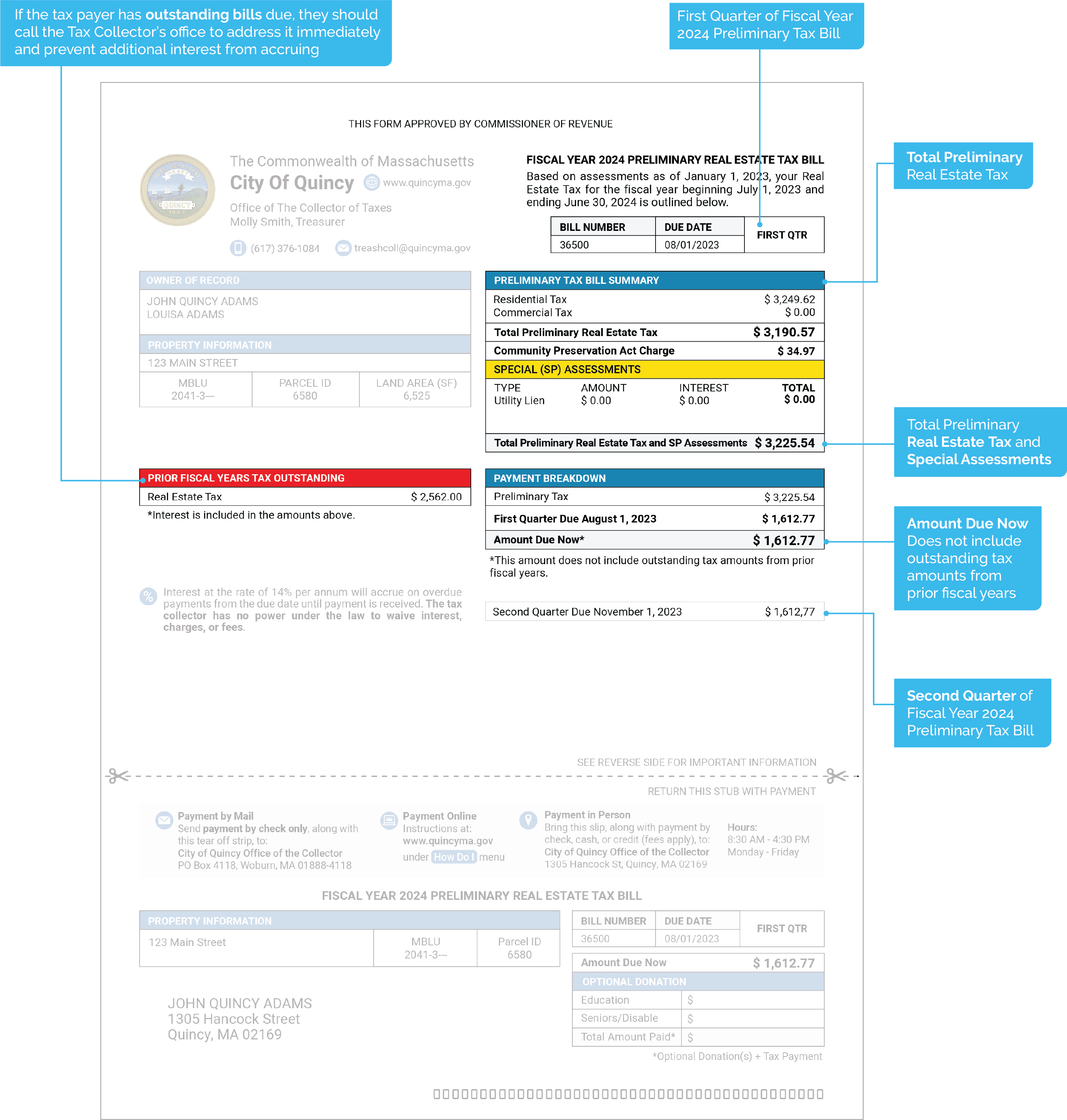
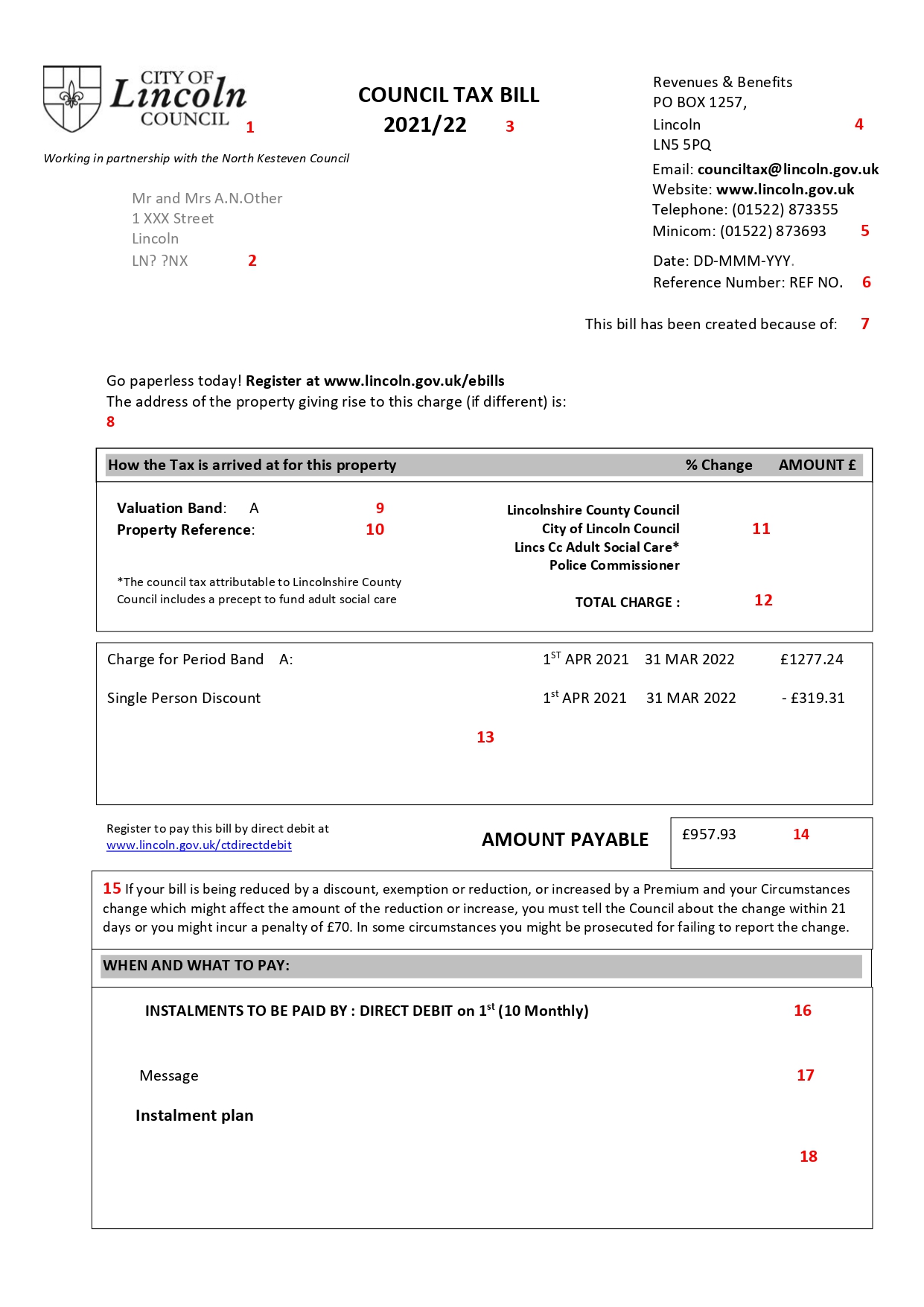
When you receive your official property tax statement from the City of Milwaukee Treasurer's Office, the layout can appear complex at first glance. The document is divided into several distinct sections: property identification details, assessment valuations, taxing jurisdiction line items, tax credit deductions, net tax calculations, and payment stubs.
At the top of the statement, you will locate your Tax Key Number (also known as the parcel number). This unique ten-digit identifier is used by the city to track your property in municipal land records, title searches, and billing systems. Next to the tax key, the statement provides the legal description of the real estate and the physical property address.
The upper portion of the bill also outlines the assessment values determined by the City of Milwaukee Assessor's Office. These figures serve as the financial baseline for calculating your annual tax liability:
- Land Value: The estimated assessed value of the land parcel itself, excluding any structures or improvements.
- Improvement Value: The assessed value of physical structures on the property, such as residential homes, detached garages, commercial buildings, or major additions.
- Total Assessed Value: The combined sum of the land value and improvement value.
- Estimated Fair Market Value: The estimated market value of your property as calculated by the Wisconsin Department of Revenue.
Assessed Value vs. Estimated Fair Market Value
A common source of confusion for property owners is the difference between Assessed Value and Estimated Fair Market Value.
The Assessed Value is the dollar value assigned to your property by local city assessors as of January 1 of the tax year. The city uses this valuation to distribute the local tax burden among property owners proportional to property worth.
The Estimated Fair Market Value is calculated by applying an "assessment ratio" provided by the Wisconsin Department of Revenue to the local assessed value. Because municipalities do not revalue every parcel of real estate every single year, property assessments across a city may slip slightly above or below 100% of true market sales prices over time. The assessment ratio reflects how close local municipal assessments are to statewide market trends. Dividing your total assessed value by the local assessment ratio yields the estimated fair market value displayed on your tax bill.
Breakdown of Taxing Jurisdictions on Your Milwaukee Bill
The City of Milwaukee Treasurer acts as the central billing and collection agency for several independent public entities. When you pay your property tax bill, your funds are distributed across five main taxing jurisdictions:
- Total Consolidated Property Tax Bill
- City of Milwaukee General Operations (~35-40%)
- Milwaukee Public Schools (~35-40%)
- Milwaukee County (~15-20%)
- MATC & MMSD Regional Dist. (~5-10%)
1. City of Milwaukee (Municipal Services)
This portion funds core municipal operations, including the Milwaukee Police Department, Milwaukee Fire Department, Department of Public Works (street maintenance, snow removal, trash and recycling collection), public libraries, and municipal health programs.
2. Milwaukee Public Schools (MPS)
Historically the largest or second-largest line item on the bill, the MPS levy funds public K-12 education, public school facility maintenance, educational programs, administrative costs, and voter-approved school district referendums.
3. Milwaukee County
This levy supports county-wide services, including the Milwaukee County Sheriff’s Office, the county court system, the Milwaukee County Zoo, county parks, public transit support, social services, and county infrastructure maintenance.
4. Milwaukee Area Technical College (MATC)
A smaller portion of the tax bill goes toward funding vocational education, technical training programs, and adult education campuses across the regional technical college district.
5. Metropolitan Milwaukee Sewerage District (MMSD)
MMSD levies taxes to fund regional wastewater treatment, flood management initiatives, water reclamation facilities, and stormwater infrastructure throughout Greater Milwaukee.
Tax Credits That Reduce Your Final Milwaukee Property Tax Bill
Wisconsin law provides several state-funded property tax credits that directly lower the gross tax amount owed on eligible properties. These credits are listed as line-item deductions on your statement before calculating your final net tax liability.
The Lottery and Gaming Credit
The Lottery and Gaming Credit provides direct property tax relief funded by proceeds from the Wisconsin State Lottery and pari-mutuel wagering.
To qualify for this credit on your Milwaukee tax bill:
- You must be the owner of the property on January 1 of the tax year.
- The property must serve as your primary residence (domicile) for the majority of the year.
Rental properties, second homes, vacant land, and commercial real estate do not qualify for the Lottery and Gaming Credit. If you purchased a primary home during the tax year and the previous owner qualified, the credit typically remains attached for that billing cycle, but you must confirm certification with the city for subsequent years.
The First Dollar Credit
The First Dollar Credit is automatically applied to every taxable real estate parcel in Milwaukee that contains a real property improvement (such as a residential dwelling or commercial building). Unlike the Lottery Credit, property owners do not need to live on the property or submit an application. The credit amount is calculated by applying the local school tax rate to a baseline valuation amount set by the state. Unimproved land parcels without structures do not receive this credit.
School Levy Tax Credit
Funded directly from the Wisconsin state budget, the School Levy Tax Credit is distributed to municipalities across Wisconsin to reduce the total school tax burden on all property taxpayers. This credit is automatically calculated and factored into the net tax rate displayed on your bill, lowering the gross tax amount assessed by Milwaukee Public Schools.
How Your Property Tax Rate (Mill Rate) Is Calculated
Your final property tax liability is determined using the local tax rate, commonly referred to as the mill rate. A mill represents one-tenth of one cent, or $1.00 of tax for every $1,000 of assessed property value.
The combined mill rate is calculated by adding together the individual tax levies approved by all five taxing authorities (City, County, MPS, MATC, and MMSD) and dividing that total budget requirement by the aggregate assessed value of all taxable property within the city.
The formula for calculating your base property tax before credits is:
$$\text{Gross Tax} = \left( \frac{\text{Total Assessed Property Value}}{1,000} \right) \times \text{Combined Mill Rate}$$
For example, if your Milwaukee residential property has a Total Assessed Value of $200,000 and the effective combined mill rate is $24.50 per $1,000 of value, your calculation would look like this:
- Divide $200,000 by 1,000 = 200
- Multiply 200 by $24.50 = $4,900 Gross Property Tax
- Subtract eligible credits (e.g., $250 Lottery Credit + $75 First Dollar Credit = $325 total credits)
- Net Property Tax Due: $4,900 - $325 = $4,575
Milwaukee Property Tax Payment Options and Critical Deadlines
The City of Milwaukee Treasurer offers multiple payment structures to accommodate property owners. Tax bills are generated and mailed toward the end of December each year.
Full Payment Option
Property owners may pay their net property tax bill in full by January 31. Paying in full fulfills your tax obligation for the entire calendar year.
Standard Three-Installment Plan
Under Wisconsin statutory defaults, property taxpayers can choose to pay their taxes in three equal installments:
- First Installment: Due January 31
- Second Installment: Due March 31
- Third Installment: Due May 31
To remain eligible for the standard installment plan, the first payment must be made in full on or before January 31.
City of Milwaukee 10-Month Installment Plan
To make property tax payments more manageable, the City of Milwaukee offers an extended 10-Month Payment Plan for eligible residential properties and qualifying accounts.
Under this municipal plan, your total net tax bill is divided into ten monthly payments due on the last day of each month from January through October.
Key rules for the 10-month plan include:
- On-Time Requirement: You must make the first scheduled payment by January 31 to participate.
- Service Charge: The city assesses a small administrative transaction fee (typically $1.50 per installment) added to each monthly billing statement.
- Loss of Eligibility: If an installment payment is missed or delinquent, the account loses eligibility for the payment plan, and the remaining unpaid tax balance becomes due immediately, subject to statutory interest and penalty charges.
Comparative Overview of Milwaukee Property Tax Components
The following table summarizes the primary elements of the City of Milwaukee property tax bill, detailing their administrative purpose, eligibility criteria, and financial impact:
| Line Item / Credit Component | Responsible Entity | Eligibility Criteria | Impact on Final Tax Amount |
|---|---|---|---|
| City of Milwaukee Levy | City Government / Common Council | All taxable property parcels in Milwaukee | Funds municipal services (Police, Fire, DPW, Libraries) |
| Milwaukee Public Schools Levy | MPS School Board | All taxable property parcels in Milwaukee | Funds public K-12 education & school infrastructure |
| Milwaukee County Levy | Milwaukee County Board | All taxable property parcels in Milwaukee County | Funds county parks, Sheriff, courts, transit |
| MATC & MMSD Levies | Regional Vocational & Sewer Boards | All regional property parcels | Funds technical education and wastewater treatment |
| Lottery and Gaming Credit | Administered via City / State DOR | Primary residence of owner as of Jan 1 | Substantial direct reduction of net tax bill |
| First Dollar Credit | State of Wisconsin / Municipalities | Improved property parcels (built structures) | Direct tax reduction based on school tax rates |
| 10-Month Installment Option | City of Milwaukee Treasurer | Property owners meeting on-time initial payment | Spreads payment load from January to October |
How to Access Your Tax Bill Online and Manage Escrow Accounts
Searching the City Treasurer Online Portal
Property owners can view, print, or pay their tax bills online through the official portal hosted by the City of Milwaukee Treasurer's Office.
To look up your tax statement online:
- Navigate to the City Treasurer’s property tax payment portal.
- Search by Tax Key Number or by physical Street Address.
- View current payment history, outstanding balances, installment schedules, and official PDF printouts of past and present tax statements.
Payment methods through the online portal typically include electronic check (ACH transfer) and major credit or debit cards (note that credit card processors charge third-party processing convenience fees).
Managing Lender Escrow Accounts
If your residential mortgage includes an escrow account, your mortgage servicer calculates monthly property tax payments into your total mortgage obligation. Toward the end of the year, the mortgage servicer receives or requests your municipal tax bill and issues a check directly to the City of Milwaukee Treasurer.
Important steps for homeowners with escrow accounts:
- Verify Payment Status: Check the City Treasurer’s online portal in late January or early February to confirm that your mortgage lender paid your tax bill on time.
- Escrow Overage or Shortage: If your property assessment increased or local tax rates changed, your escrow account may experience a shortage, prompting your lender to adjust your monthly mortgage payment for the upcoming year.
- Refund Checks: If your lender remits an escrow check that exceeds your actual tax liability, the City Treasurer will issue a refund check for the overage amount to the property owner.
What to Do If Your Milwaukee Assessment Is Too High
If you believe the assessed value listed on your property tax bill exceeds the actual fair market value of your property, you have the right to challenge the valuation. However, assessment appeals must follow strict statutory timelines established under Wisconsin tax law.
Step 1: Review Your Valuation (January 1 Baseline)
Assessments reflect property condition and market value as of January 1 of the current tax year. Gather supporting documentation, such as a recent professional appraisal, photos of structural defects, or sales prices of comparable properties sold in your neighborhood within the previous 12 months.
Step 2: Participate in the Open Book Period
Each spring, the City of Milwaukee Assessor's Office opens the Open Book period. During this time, property owners can informally meet with city assessors to review valuation data, examine comparable property records, and present evidence supporting a value reduction. Assessors have the authority to correct clerical errors or adjust property values during this informal phase.
Step 3: File an Appeal with the Board of Review
If you cannot reach an agreement during Open Book, you must file a formal written objection with the Milwaukee Board of Review.
Objection requirements include:
- Filing a written Notice of Intent to File an Objection at least 48 hours prior to the Board of Review’s first scheduled meeting.
- Submitting the complete official objection form specifying your opinion of value and providing market-based evidence.
- Attending a formal hearing before the Board of Review to present testimony and documentation.
Review comprehensive guidelines and administrative tax forms directly from the Wisconsin Department of Revenue Property Tax Portal.
Frequently Asked Questions
Why did my Milwaukee property tax bill increase if my property value stayed the same?
Your property tax bill can increase even if your individual property assessment remains unchanged. If taxing authorities (such as Milwaukee Public Schools or Milwaukee County) pass budget increases or voters approve tax referendums, the total tax levy rises. This increases the overall mill rate applied across all properties in the city.
What happens if I miss a tax installment deadline in Milwaukee?
If you miss a scheduled installment payment deadline, you forfeit the privilege of paying in installments. Under Wisconsin law, the entire remaining unpaid tax balance becomes immediately due, and interest is charged at 1% per month (plus an additional 0.5% monthly penalty in many jurisdictions, totaling 1.5% per month) calculated retroactively from February 1 until paid in full.
How do I apply for the Lottery and Gaming Credit if it is missing from my bill?
If your primary residence does not show the Lottery Credit on the December tax statement, you can file a Late Claim Form with the Wisconsin Department of Revenue or the City Treasurer’s Office by April 30 following the tax year. For future years, you must submit a signed Lottery Credit Claim form to the City Assessor to ensure the credit is automatically applied to subsequent bills.
Does a property tax bill include municipal utility charges?
Yes, the City of Milwaukee may place delinquent municipal utility charges (such as unpaid water, sewer, or storm monitoring bills) or unpaid municipal code enforcement fines onto your annual property tax statement as a special charge or tax lien against the property.
How do special assessments differ from regular property taxes?
Regular property taxes are ad valorem taxes based on assessed property value to fund general public services. Special assessments are direct charges levied against specific properties to fund localized public infrastructure improvements that directly benefit those properties, such as new alley paving, sidewalk replacement, street reconstruction, or sewer lateral repairs.
Recommended Action Steps for Property Owners
To keep your account current and avoid unnecessary penalties on your City of Milwaukee property tax bill, take the following actions:
- Inspect Your Annual Statement Immediately: As soon as your tax bill arrives in late December, review your Tax Key Number, check for eligible tax credits (Lottery and First Dollar), and verify your total assessed value.
- Confirm Escrow Remittance: If your taxes are paid through mortgage escrow, log into the City of Milwaukee Treasurer's Portal before January 31 to verify that your lender has processed the payment.
- Set Up Installment Reminders: If paying directly via the 10-Month Plan, schedule recurring calendar reminders for the last day of each month from January through October to avoid defaulting on your installment plan.
- Monitor Assessment Announcements: Watch for municipal revaluation notices in the spring. If your assessment appears inaccurate, prepare your market documentation ahead of the annual Open Book period.
Disclaimer: This article is provided for informational purposes only and does not constitute formal legal, accounting, or financial tax advice. Property tax laws, mill rates, and municipal administrative procedures are subject to change. For official account inquiries, contact the City of Milwaukee Treasurer's Office or consult a qualified tax professional.
Image Gallery