How to Get Auto Insurance Quotes from Multiple Companies
To get auto insurance quotes from multiple companies, gather your driving details and vehicle identification number (VIN), then compare rates using online comparison engines, direct carrier portals, and independent insurance agents. St...
To get auto insurance quotes from multiple companies, gather your driving details and vehicle identification number (VIN), then compare rates using online comparison engines, direct carrier portals, and independent insurance agents. Standardize coverage limits, deductibles, and add-ons across every quote to ensure an accurate, apples-to-apples price evaluation before selecting a policy.
Contents
Disclaimer
This guide provides educational information regarding auto insurance comparison strategies. Insurance regulations, mandatory coverage minimums, and underwriting guidelines vary significantly by state and country. Consult a licensed insurance agent or your state's insurance commissioner for personalized coverage advice.
Why Comparing Multiple Auto Insurance Quotes Is Essential
Auto insurance rates fluctuate significantly between carriers because every company uses proprietary risk-scoring algorithms. While one insurer might heavily penalize a single minor traffic infraction, another might prioritize your continuous coverage history or credit-based insurance score, offering a substantially lower rate for the exact same vehicle and driver profile.
Shopping for multiple auto insurance quotes allows policyholders to identify pricing discrepancies across insurers. According to industry studies by the National Association of Insurance Commissioners (NAIC), policyholders who routinely compare quotes every 12 to 18 months can save hundreds of dollars annually compared to remaining automatically renewed with a single carrier.
To maximize savings without sacrificing financial protection, drivers must understand how to collect, evaluate, and verify quotes across multiple distribution channels.
Phase 1: Information Gathering and Preparation
Before requesting quotes, prepare a precise set of driver and vehicle details. Insurers calculate premiums using underwriting databases, and minor errors in your initial inputs—such as an incorrect annual mileage estimate or missing safety features—can cause the final policy price to deviate significantly from the initial estimate.
1. Document Your Vehicle Specifications
Gather exact information for every car to be listed on the policy:
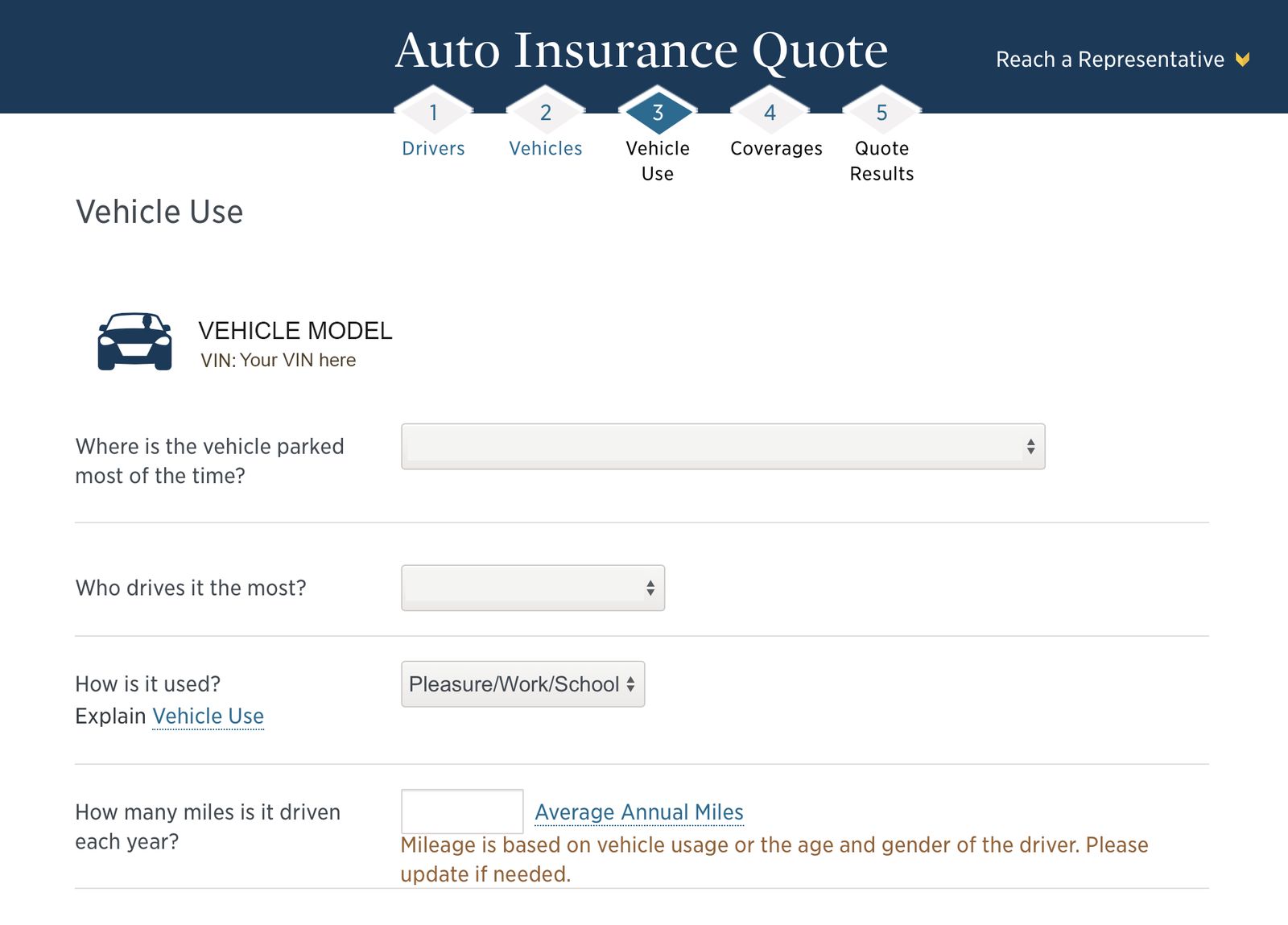
- Vehicle Identification Number (VIN): Found on your vehicle registration card, insurance card, or the lower driver-side corner of the windshield. The VIN reveals exact trim levels, engine types, and built-in safety mechanisms to the insurer’s database.
- Odometer Reading and Annual Mileage: Estimate your annual driving distance accurately. Overestimating mileage increases risk exposure metrics, raising your rate unnecessarily.
- Parking Location Zip Code: Premiums are anchored to where the car is garaged overnight, taking into account local crime rates, weather hazards, and traffic density.
2. Collect Driver and Household Information
Insurance regulations in most jurisdictions require all household members of driving age to be disclosed on the policy unless specifically excluded where legal. Gather:
- Full Legal Names and Dates of Birth: For all household drivers.
- Driver’s License Numbers: Needed to pull your state Motor Vehicle Record (MVR).
- Driving History: Note any moving violations, at-fault accidents, comprehensive claims, or license suspensions over the past 3 to 5 years.
- Current Policy Declarations Page: If you already have insurance, pull your current "Dec Page." This document outlines your exact coverage limits, deductibles, and current premiums, serving as your baseline for comparison.
Phase 2: Choosing Your Quote Retrieval Channels
There are three primary pathways to collect quotes from multiple auto insurance carriers. Utilizing a combination of these channels ensures comprehensive coverage of the insurance market.
- Auto Insurance Quote Collection
- Direct to Consumer
- Captive Agents
- Online Portals
- Online Aggregators
- Direct-Bind Portals
- Lead Generators
- Independent Brokers
- Multi-Carrier Access
- Personal Consultation
- Direct to Consumer
Method 1: Direct-to-Consumer Carrier Portals
Direct writing insurers (such as GEICO, Progressive, State Farm, and Allstate) allow drivers to input details directly into their customer portals or mobile applications.
- Pros: Highly accurate initial quotes; direct control over policy customization; immediate binding capabilities.
- Cons: Requires filling out individual applications on each company's platform, which can be time-consuming.
- Best Strategy: Select 2 or 3 major national carriers directly to form a reliable price benchmark.
Method 2: Online Comparison Aggregators
Auto insurance aggregation platforms allow drivers to enter their information once to receive rate estimates from multiple partner insurers. However, it is vital to distinguish between direct-rate comparison portals and lead generation platforms.
- Direct-Rate Comparison Portals: Integrate with insurer application programming interfaces (APIs) to display real-time, bindable quotes directly on the screen.
- Lead Generation Sites: Collect consumer contact details and sell them to third-party agents and call centers, leading to high volumes of phone calls and promotional emails.
Tip: Review the privacy policy of any comparison tool. The Federal Trade Commission (FTC) advises consumers to check data-sharing opt-out settings on online quote forms to prevent unsolicited telemarketing calls.
Method 3: Independent Insurance Brokers
Independent insurance agents represent multiple insurance companies rather than a single captive insurer. Unlike agents working exclusively for one brand, independent brokers access regional and niche insurers that do not market directly to the public online (e.g., Erie Insurance, Auto-Owners Insurance, Hanover).
- Pros: Brokers assess complex risk profiles (e.g., gap coverage needs, high-value assets, rideshare usage) and shop policies on your behalf at no direct fee to you (agents receive commissions from the carrier).
- Cons: Rates may include agent commission structures, though competitive pricing across regional carriers often offsets this cost.
Phase 3: Standardizing Coverage for an Apples-to-Apples Comparison
Comparing a quote offering state minimum liability against a quote offering comprehensive coverage with low deductibles leads to inaccurate price assessments. To perform an accurate comparison, standardize every policy parameter across all insurance providers.
1. Liability Coverage Limits
Liability insurance pays for bodily injury and property damage you cause to others in an accident. Avoid selecting minimum legal limits, as these often leave personal assets vulnerable during serious collisions. Expressed as split limits (e.g., 100/300/50), standardize your baseline across all quotes:
- Bodily Injury Per Person: Maximum payout for injuries to one individual (e.g., $100,000).
- Bodily Injury Per Accident: Maximum payout for total injuries in one accident (e.g., $300,000).
- Property Damage: Maximum payout for damage to other vehicles or property (e.g., $50,000 or $100,000).
2. First-Party Physical Damage (Collision and Comprehensive)
- Collision Coverage: Pays to repair your vehicle following a collision with another car or object, regardless of fault.
- Comprehensive Coverage: Pays for vehicle repair or replacement resulting from non-collision events, including theft, vandalism, weather damage, or animal impacts.
- Deductible Matching: Ensure the deductible (e.g., $500 vs. $1,000) is identical across every quote. A higher deductible lowers your premium, while a lower deductible increases it.
3. Additional Coverages and Endorsements
- Uninsured/Underinsured Motorist (UM/UIM): Protects you if hit by a driver without adequate insurance.
- Personal Injury Protection (PIP) / Medical Payments (MedPay): Covers medical expenses for you and your passengers regardless of fault, required in zero-fault insurance states.
- Optional Add-ons: Ensure rental car reimbursement, roadside assistance, and loan/lease gap coverage are included consistently or excluded across all baseline quotes.
Channels Comparison Matrix
The following matrix compares the three main pathways for acquiring multiple insurance quotes to help you choose the best combination for your needs.
| Channel Type | Typical Time Required | Pricing Accuracy | Carrier Access Scope | Best Used For |
|---|---|---|---|---|
| Direct Carrier Applications | High (15–20 mins per carrier) | Very High (Binds directly) | Single Carrier per portal | Benchmarking major national brands |
| Real-Time Aggregators | Medium (10–15 mins total) | Moderate to High | 4–10 Participating Partners | Quick market screening across national insurers |
| Independent Brokers | Low (Agent handles submission) | High (Expertly verified) | Multiple Regional & National | Drivers with complex profiles, high assets, or unique risks |
Phase 4: Evaluating Quotes and Applying Discounts
Once you have gathered 3 to 5 standardized quotes, review the details beyond the headline monthly premium.
1. Identify Available Discounts
Insurers apply discounts differently. Ensure every qualifying discount is actively applied to your quote:
- Multi-Policy (Bundling): Combining auto insurance with homeowners, renters, or condo coverage often yields savings between 5% and 25%.
- Telematics / Usage-Based Insurance (UBI): Mobile apps or OBD-II devices track driving behaviors (braking speed, cornering, late-night driving) to offer initial enrolment discounts and potential performance renewal discounts.
- Payment Discounts: Paperless billing, paid-in-full options, and automatic ACH payments frequently reduce administrative processing fees.
- Safety Features: Built-in anti-theft devices, automatic emergency braking, and lane departure warnings can lower physical damage premiums.
2. Evaluate Financial Strength and Customer Service Ratings
A cheap rate is counterproductive if the insurer stalls or denies legitimate claims. Evaluate the carrier's financial health and customer satisfaction records using established consumer resources:
- A.M. Best Financial Strength Rating: Target carriers rated "A-" (Excellent) or higher to ensure solvency during major disaster events.
- J.D. Power Auto Claims Satisfaction Studies: Check yearly consumer ranking indexes regarding claims processing efficiency.
- State Insurance Department Consumer Complaint Ratios: Check your state insurance regulator’s database to view the ratio of verified consumer complaints relative to market share.
Common Pitfalls to Avoid When Getting Multiple Quotes
- Omitting Prior Claims or Tickets: Insurers verify driving history using LexisNexis Comprehensive Loss Underwriting Exchange (C.L.U.E.) reports and state MVR databases. Leaving out a ticket during the initial quote phase results in a sudden price increase when the carrier runs formal reports before final binding.
- Comparing Different Deductibles: A $500 collision deductible quote will naturally look more expensive than a $1,000 deductible quote. Align all deductibles before deciding.
- Allowing Coverage Gaps: Switching insurers requires precise timing. Never cancel your existing auto policy until the new coverage effective date and time are officially confirmed in writing. A single-day gap in coverage can lead to state fines, license suspension, and higher baseline rates due to high-risk classification.
- Ignoring Excluded Drivers: Failing to list household members on an initial application to lower quotes can result in claims denial if an undisclosed household driver gets into an accident with your vehicle.
Frequently Asked Questions
Does getting multiple auto insurance quotes affect my credit score?
No. Insurance inquiries generate a soft credit pull, which does not impact your credit score. Soft credit checks allow insurers to evaluate your credit-based insurance score (where permitted by state law) without leaving a negative footprint on your consumer credit report.
How often should I get auto insurance quotes from multiple companies?
Industry specialists recommend requesting comparison quotes once a year or whenever major life events occur. Key life triggers include purchasing a new vehicle, moving to a new address, getting married, adding a driver to the household, or reaching milestone age brackets (e.g., turning 25 or 65).
Can I switch my auto insurance mid-policy if I find a cheaper quote?
Yes. You can switch auto insurance carriers at any time during your policy term. If you cancel prior to your policy's expiration date, your current insurer will issue a pro-rated refund for unearned prepaid premiums. Verify whether your carrier charges a short-rate cancellation fee before finalizing the switch.
Why do quotes from different companies vary so drastically for the exact same car?
Carriers utilize proprietary loss forecasting models. One company may experience higher claim payouts in your zip code for your specific vehicle make and model, causing them to adjust premiums upward for that category. Another insurer may be seeking to expand its market share in your demographic, resulting in more competitive pricing.
Are online quote estimates guaranteed final prices?
No. An online quote is an initial rate estimate based on user-entered details. The final rate is confirmed only after the insurer completes formal underwriting checks, which include pulling your motor vehicle record (MVR), C.L.U.E. loss history report, and credit-based insurance score.
Final Recommendation: Next Actions
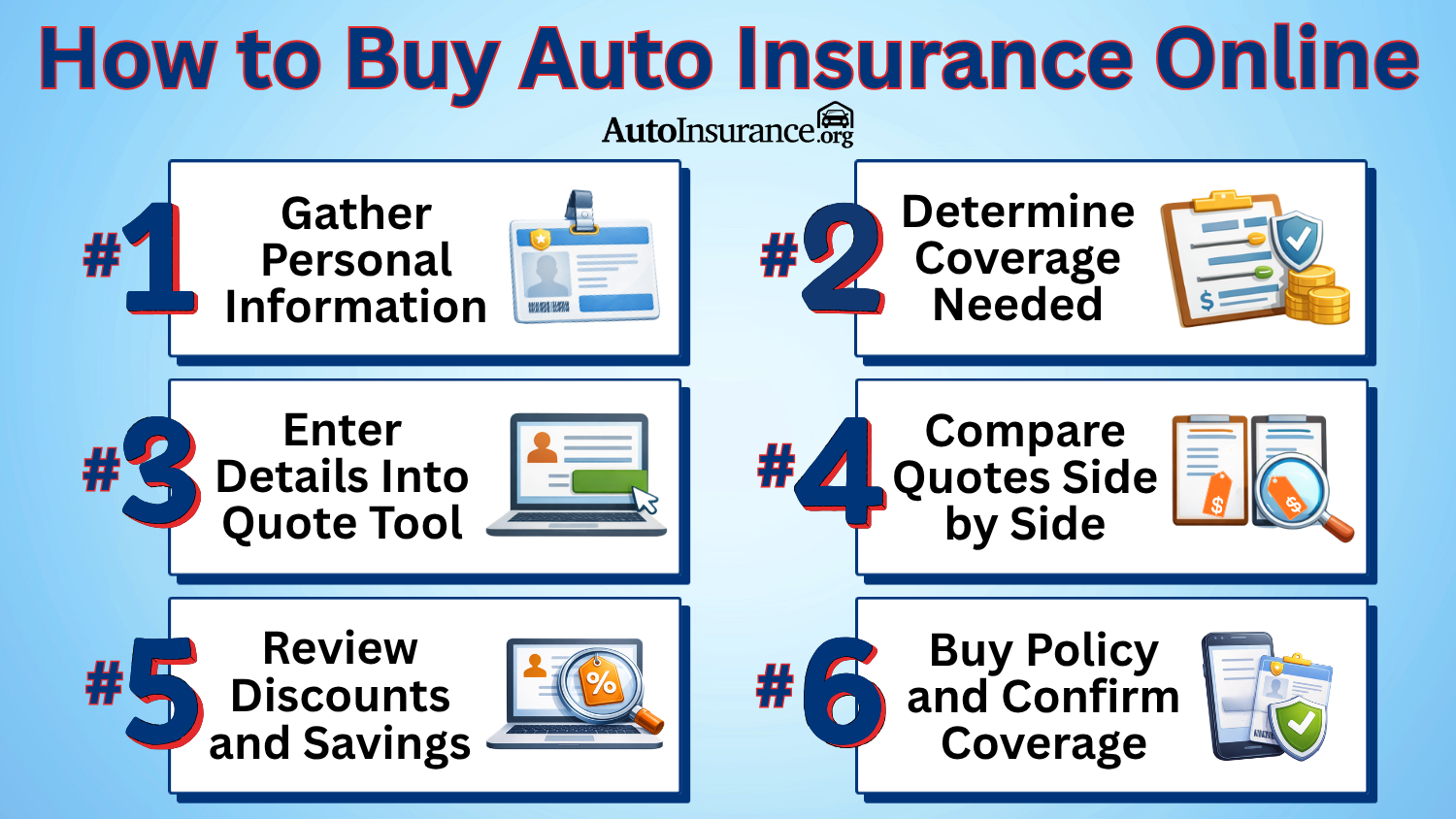
- Gather Documentation: Retrieve your current insurance Declarations Page, vehicle VINs, and accurate driving history details.
- Collect 3–5 Quotes: Use a direct-to-consumer application for major national carriers, run a soft-pull comparison through a direct-rate aggregator, and request a rate review from a local independent insurance broker.
- Standardize Coverage Specifications: Ensure all quotes match on liability split limits, deductible amounts, and optional coverage add-ons.
- Verify Carrier Solvency and Service: Check A.M. Best ratings and your state insurance commissioner's complaint index for your chosen low-cost insurer.
- Bind Policy Before Cancellation: Confirm the effective start date and time of your new auto policy before sending a formal cancellation request to your previous insurer.
Image Gallery