The Ultimate Guide to Lifesize Wall Decals: Custom Decor and Commercial Branding in 2026
Lifesize wall decals are large-scale, high-resolution adhesive graphics designed to represent subjects, such as people, athletes, or brand mascots, at a realistic 1:1 scale. These versatile decor solutions offer a non-permanent, cost-e...
Lifesize wall decals are large-scale, high-resolution adhesive graphics designed to represent subjects, such as people, athletes, or brand mascots, at a realistic 1:1 scale. These versatile decor solutions offer a non-permanent, cost-effective alternative to hand-painted murals, making them ideal for personalizing residential spaces, enhancing retail environments, and reinforcing corporate branding in high-traffic commercial areas.
Contents
Understanding Lifesize Wall Decal Materials and Durability
The performance of a lifesize wall decal depends heavily on the substrate material and the adhesive backing used during manufacturing. As of 2026, the industry has shifted significantly toward sustainable, PVC-free materials that offer high durability without the environmental impact of traditional vinyl.
Premium Vinyl vs. Polyester Fabric
Most lifesize decals are printed on either calendered vinyl or woven polyester fabric. Vinyl is the traditional choice, favored for its vibrant color reproduction and crisp detail. It is typically available in matte, satin, or gloss finishes. However, vinyl can be prone to stretching or tearing if handled roughly during installation.
Polyester fabric decals, often referred to as "peel-and-stick fabric," have gained dominance in the premium market. Unlike vinyl, fabric decals are breathable, which prevents air bubbles from being trapped during application. They are also highly resistant to shrinking and warping, making them the preferred choice for long-term installations in climate-controlled environments.
Adhesive Strengths and Wall Compatibility
The "tac" or stickiness of the decal is categorized into three main types:
- Low-Tac/Removable: Designed for residential use and short-term promotions. These can be removed without leaving residue or peeling paint, provided the wall was properly primed.
- High-Tac/Permanent: Used for outdoor applications or textured surfaces like brick and concrete. These are difficult to remove and may damage the underlying surface.
- Repositionable: A specialized adhesive that allows the user to peel the decal off and reapply it multiple times. This is standard for high-quality lifesize "Fathead" style graphics.
Technical Specifications for High-Resolution Printing
Creating a lifesize decal requires significantly more data than a standard poster. To ensure a 6-foot-tall figure looks sharp and lifelike, the source image must meet specific technical thresholds.
Resolution and DPI Requirements
For a decal to appear "lifesize" without visible pixelation, the digital file should ideally be 150 to 300 DPI (dots per inch) at the actual physical size. If a file is 300 DPI but only 5 inches tall, stretching it to 72 inches will result in a blurry, unusable image. Professionals often use vector graphics (.AI or .EPS files) when possible, as these can be scaled infinitely without loss of quality. For photographic subjects, RAW files or high-bitrate JPEGs are essential.
Color Matching and Profiles
In 2026, wide-format printers typically use 8-color or 12-color ink systems to achieve a broad gamut. When ordering custom lifesize decals, it is critical to use the CMYK color space rather than RGB. RGB is designed for screens, while CMYK is the standard for physical ink. Converting a file correctly ensures that the skin tones and brand colors in the final print match the original intent.
Practical Applications for Lifesize Graphics
The utility of lifesize decals extends far beyond simple bedroom decor. Their ability to command attention makes them a powerful tool in several sectors.
Residential and Fan Decor
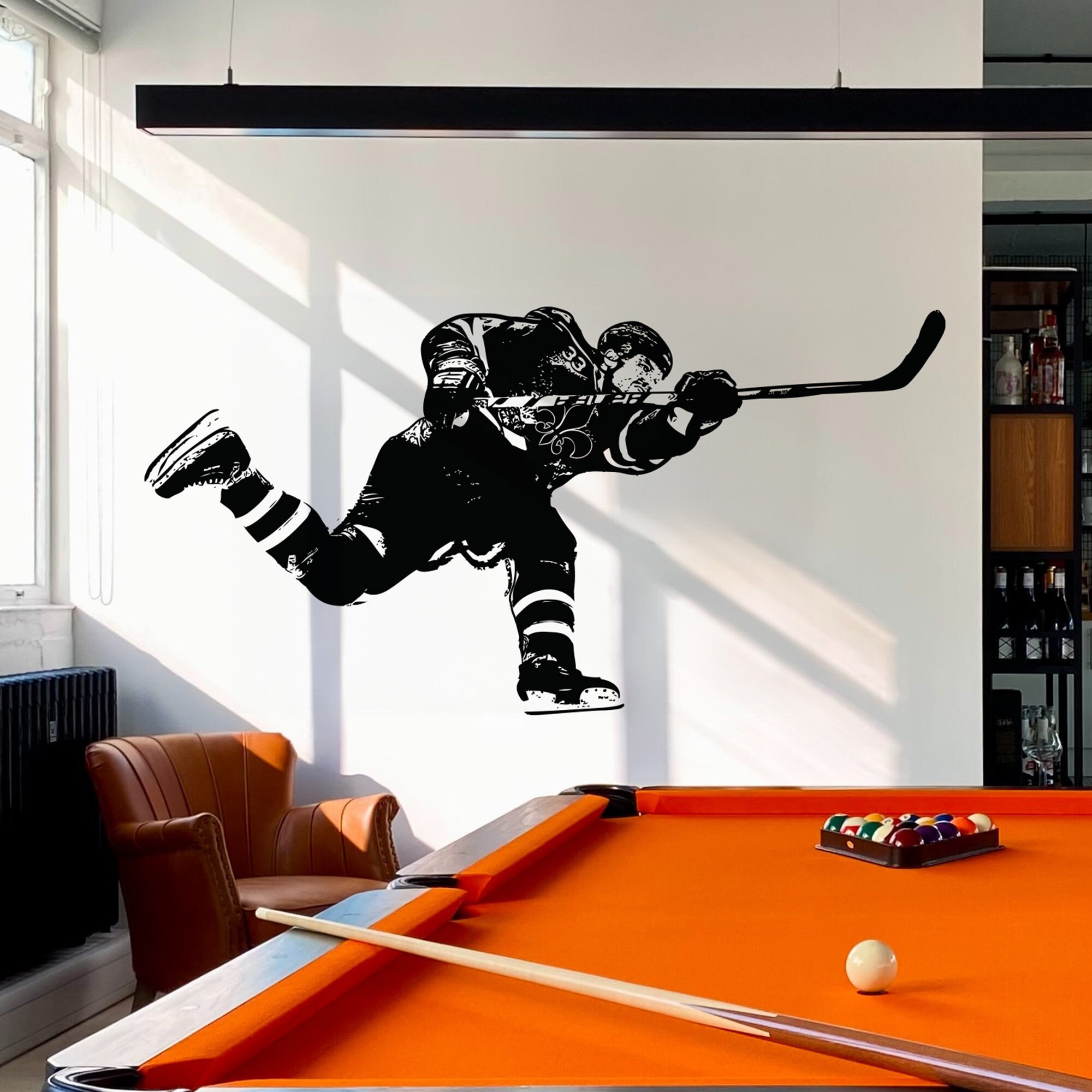
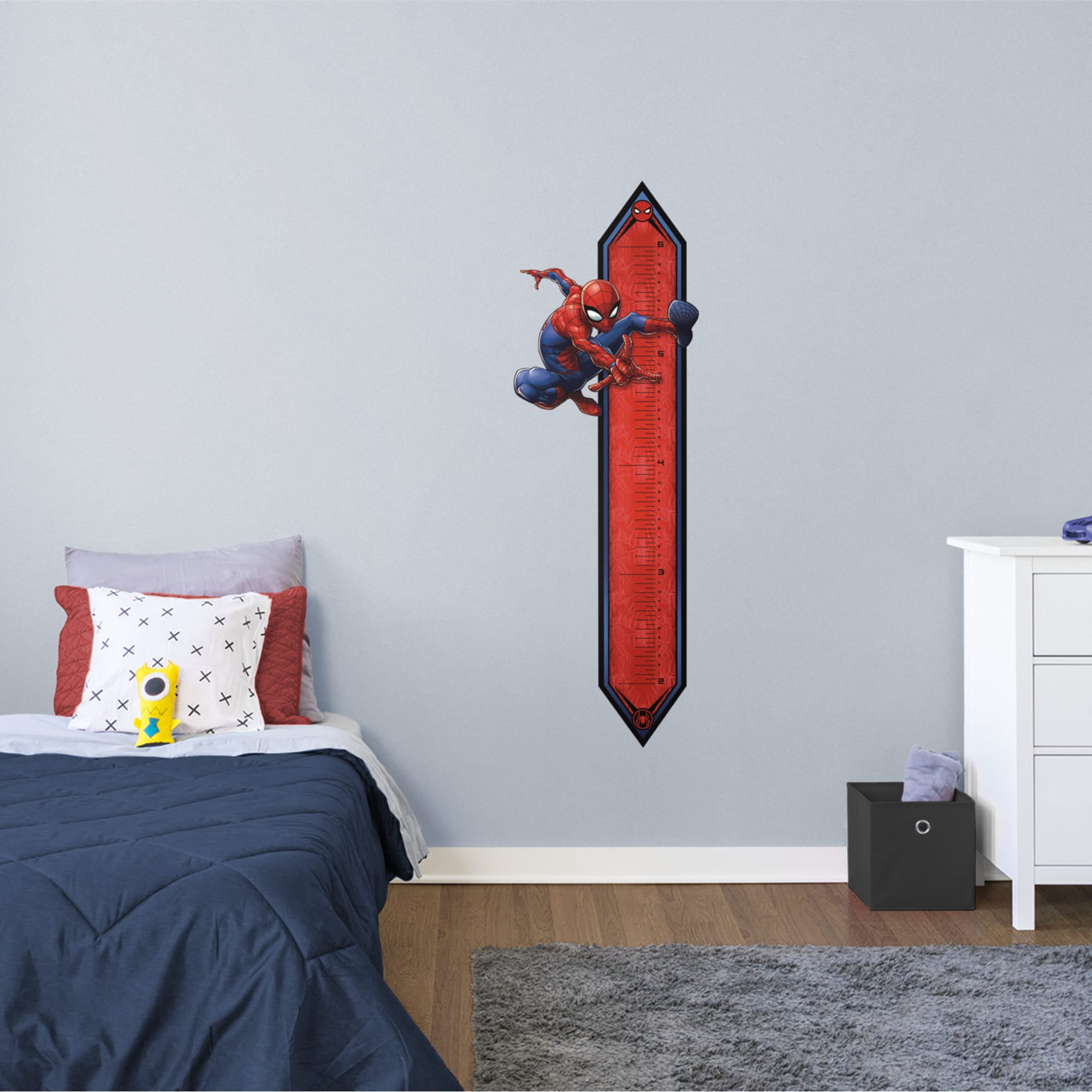
In the home, these decals are most popular in children’s bedrooms, "man caves," and home theaters. They allow fans to bring their favorite athletes or movie characters into their personal space at a 1:1 scale. Because they are removable, they are an excellent solution for renters who want to personalize their space without violating lease agreements regarding paint or permanent fixtures.
Corporate and Office Branding
Modern office design often incorporates "environmental graphics" to boost employee morale and reinforce company culture. Lifesize decals of founders, key milestones, or even abstract brand elements can transform a sterile hallway into an engaging brand story. They are frequently used in reception areas to greet clients with high-impact visual messaging.
Retail and Event Marketing
Retailers use lifesize decals for "point-of-purchase" displays. A lifesize decal of a model wearing the latest fashion line can drive foot traffic and assist in visual merchandising. Similarly, event planners use them for photo backdrops at weddings, trade shows, and corporate galas, providing a cost-effective way to create "Instagrammable" moments.
Installation Guide: Achieving a Professional Finish
Installing a lifesize decal can be intimidating due to the scale, but following a structured process ensures a bubble-free application.
- Surface Preparation: The wall must be clean, dry, and smooth. Use a lint-free cloth and a mixture of water and a small amount of isopropyl alcohol to remove dust and oils. Avoid using household cleaners with "easy-clean" additives (like Teflon or silicone), as these prevent the adhesive from bonding.
- Acclimation: Allow the decal to lay flat in the room for 24 hours before installation. This prevents the material from curling due to temperature changes.
- The Hinge Method: Do not peel the entire backing off at once. Instead, tape the top of the decal to the wall using painter's tape to create a "hinge."
- Sequential Application: Peel back the first 6 inches of the backing. Use a felt-tipped squeegee to press the decal onto the wall, working from the center outward to the edges.
- Removing Bubbles: If air bubbles appear, do not try to push them to the edge if they are far away. Instead, use a fine needle to prick the bubble and use the squeegee to flatten the air out.
Comparison of Lifesize Wall Decal Types
| Feature | Monomeric Vinyl | Polymeric Vinyl | Polyester Fabric |
|---|---|---|---|
| Durability | 1–3 Years | 3–7 Years | 5+ Years (Indoors) |
| Best Use Case | Short-term events | Standard home decor | High-end commercial |
| Texture | Smooth/Thin | Smooth/Flexible | Woven/Textile feel |
| Ease of Install | Moderate (can tear) | Easy | Very Easy (No bubbles) |
| Removability | High (initially) | Very High | Excellent/Reusable |
| Eco-Friendliness | Low (PVC-based) | Moderate | High (Recyclable) |
Maintenance and Removal Strategies
To maintain the appearance of a lifesize decal, it should be dusted regularly with a dry microfiber cloth. If a spill occurs, a slightly damp cloth can be used on most matte and satin finishes. Avoid abrasive scrubbing, which can mar the ink.
Safe Removal Procedures
When it is time to remove the decal, the goal is to protect the underlying paint. Starting at a top corner, peel the decal back at a 45-degree angle. If the adhesive feels stubborn, a hairdryer can be used on a low-heat setting to soften the bond. Slowly warming the material as you pull will prevent the paint from chipping. According to industry standards from the Printing United Alliance, properly applied removable decals should leave less than 10% adhesive residue on a soundly painted surface.
Common Mistakes to Avoid
- Installing on Fresh Paint: You must wait at least 3 weeks after painting a wall before applying a decal. Fresh paint undergoes "outgassing," where chemicals evaporate; if a decal is applied too soon, these gases will get trapped, causing bubbles or adhesive failure.
- Neglecting the "Bleed": When ordering a custom cut, ensure there is a small margin or "bleed" if the image goes to the edge of the material to avoid white slivers.
- Low-Quality Source Images: Using a low-resolution screenshot from a smartphone will result in a blurry mess when scaled to six feet. Always source high-resolution originals.
FAQ
Can I put a lifesize wall decal on a textured wall? Most standard decals are designed for smooth surfaces. If you have orange-peel or knockdown textures, you must use a "High-Tack" vinyl specifically engineered for textured walls. Standard removable decals will likely peel at the edges within 48 hours on textured surfaces.
Are lifesize decals reusable? Only those specifically labeled as "repositionable fabric" or "static cling" are truly reusable. Standard vinyl decals stretch during the removal process, which distorts the image and weakens the adhesive, making them "one-time use" products.
Will the sun fade my decal? If the decal is placed in direct sunlight, UV rays will eventually fade the pigments. In 2026, most professional printers use UV-cured inks or offer a UV-laminate coating that can extend the color life for several years even in bright rooms.
Can these be used outdoors? Standard interior decals will fail quickly outdoors due to moisture and temperature fluctuations. For outdoor applications, you need a heavy-duty cast vinyl with a permanent adhesive and a weatherproof laminate.
What is the maximum size for a "lifesize" decal? While "lifesize" usually implies a human scale (5–7 feet), modern wide-format printers can produce single panels up to 5 feet wide and 150 feet long. For subjects larger than 5 feet wide, the decal is printed in multiple overlapping panels.
Recommendation for Next Steps
If you are planning to purchase a lifesize wall decal in 2026, prioritize polyester fabric over vinyl for its superior ease of installation and eco-friendly profile. Before ordering, verify your wall's paint type; many modern "scrubbable" or "low-VOC" paints contain silicone additives that require a specific high-bond adhesive. Always request a material sample or a small "test decal" from the manufacturer to ensure compatibility with your specific wall surface before investing in a full-scale graphic.
Image Gallery