Joseph Tsai and the Rise of Digital Commerce: The Architect of the Alibaba Empire
Joseph Tsai is the co-founder and Chairman of Alibaba Group, serving as the essential financial and legal strategist who transformed a small B2B startup into a global digital commerce powerhouse. By bridging the gap between Western cap...
Joseph Tsai is the co-founder and Chairman of Alibaba Group, serving as the essential financial and legal strategist who transformed a small B2B startup into a global digital commerce powerhouse. By bridging the gap between Western capital markets and Eastern entrepreneurial vision, Tsai orchestrated the structural, financial, and logistical frameworks that define modern e-commerce.
Contents
The history of digital commerce is often told through the lens of charismatic visionaries, but the actual scaling of these empires requires a different kind of mastery. While Jack Ma provided the inspiration and the public face of Alibaba, Joseph Tsai provided the structural integrity. As of 2026, Tsai’s return to the chairmanship marks a critical era where digital commerce transitions from simple transactional platforms to AI-integrated, globalized ecosystems. Understanding Tsai’s journey is essential for any professional looking to comprehend how global tech giants are built, financed, and sustained across decades of market volatility.
From Yale to Hangzhou: The Genesis of a Digital Visionary
The story of Joseph Tsai’s involvement in digital commerce began with a radical career pivot that has since become legendary in business circles. In 1999, Tsai was a high-earning private equity investor for Investor AB, the investment vehicle of Sweden's Wallenberg family. During a visit to Hangzhou to evaluate a potential investment in a small startup called Alibaba, Tsai encountered Jack Ma.
Despite the startup having no business plan and only a handful of employees working out of an apartment, Tsai saw the potential of the "B2B" (business-to-business) model in a China that was just beginning to embrace the internet. In a move that shocked his peers, Tsai walked away from a $700,000 annual salary to join Alibaba for a mere $50 a month.
Tsai’s primary contribution during these formative years was professionalization. He drafted the company’s first formal contracts and established a corporate structure that could hold up under the scrutiny of international investors. This wasn't merely administrative work; it was the creation of a "trust bridge" between a nascent Chinese tech scene and global venture capital. Without Tsai’s legal pedigree and understanding of Western corporate governance, it is unlikely that Alibaba would have secured the early-stage funding necessary to survive the dot-com bubble burst.
Structuring the Giant: The Legal and Financial Blueprint
Digital commerce is as much about capital efficiency as it is about retail. Joseph Tsai’s role as the "financial architect" of Alibaba involved navigating some of the most complex financing rounds in history. He was instrumental in the 2000 investment from SoftBank, led by Masayoshi Son, which provided $20 million at a critical juncture.
The 2014 IPO: A Global Benchmark for Digital Commerce
The crowning achievement of Tsai’s financial strategy was the 2014 Initial Public Offering (IPO) on the New York Stock Exchange. At the time, it was the largest IPO in history, raising $25 billion. Tsai was the lead negotiator, ensuring that the company’s unique partnership structure was accepted by international regulators.
This IPO did more than just fill Alibaba’s coffers; it validated the Chinese digital commerce model on the world stage. It proved that a platform-based approach—where the company doesn't hold inventory but facilitates trade—could be more scalable and profitable than the inventory-heavy models seen in the West. Tsai’s ability to articulate this value proposition to skeptical Wall Street analysts was the catalyst for the subsequent "gold rush" into Asian tech stocks.
The Evolution of Digital Commerce Under Tsai’s Stewardship
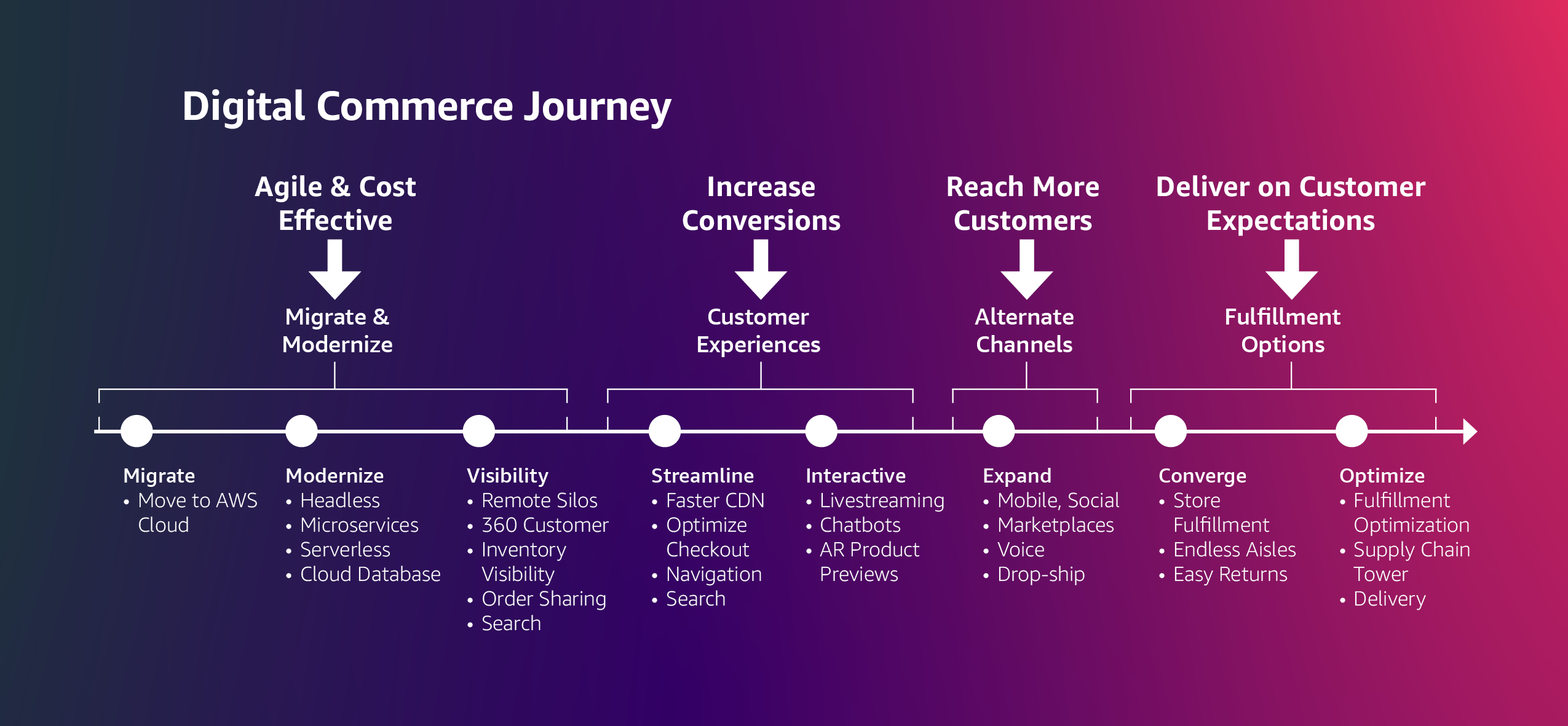
Under Tsai’s guidance, Alibaba evolved from a simple B2B directory (Alibaba.com) into an all-encompassing ecosystem. This evolution was driven by the "Iron Triangle" strategy: e-commerce, payments, and logistics.
The Iron Triangle: Commerce, Payments, and Logistics
- Core Commerce (Taobao and Tmall): Tsai helped oversee the transition from C2C (Consumer-to-Consumer) with Taobao to B2C (Business-to-Consumer) with Tmall. This shift allowed global brands like Nike and Apple to sell directly to Chinese consumers, fundamentally changing the global retail supply chain.
- Digital Payments (Alipay/Ant Group): Tsai was a key figure in the spin-off and development of Alipay. By solving the "trust problem" in digital transactions through escrow services, Alipay became the backbone of the Chinese digital economy, eventually evolving into the fintech giant Ant Group.
- Logistics (Cainiao): Recognizing that digital commerce is limited by physical delivery, Tsai supported the creation of Cainiao, a data-driven logistics network. Unlike traditional couriers, Cainiao uses AI and big data to optimize the delivery routes of thousands of independent logistics partners.
As of 2026, this "Iron Triangle" has been augmented by Cloud Computing and Artificial Intelligence. Tsai’s current focus as Chairman is ensuring that Alibaba remains a "technology-first" company, using AI to personalize the shopping experience and streamline global cross-border trade.
Navigating the New Era: The 2023 Restructuring and 2026 Outlook
In 2023, Alibaba underwent its most significant transformation since its founding: the "1+6+N" restructuring. This plan split the company into six distinct business groups, each with its own CEO and board of directors. Joseph Tsai returned to the forefront as Chairman of the entire group to oversee this transition.
The goal of this restructuring was to make the company more "nimble" and responsive to market changes. By 2026, the results of this shift are visible. The Cloud Intelligence Group and the International Digital Commerce Group have become independent powerhouses. Tsai’s role in 2026 is less about day-to-day operations and more about high-level capital management and navigating the complex geopolitical landscape that affects cross-border trade.
| Business Segment | Focus Area (2026) | Role in Digital Commerce |
|---|---|---|
| Taobao Tmall Group | AI-driven Personalization | Mainstay of domestic Chinese retail. |
| Cloud Intelligence | Generative AI Infrastructure | Providing the "brains" for digital storefronts. |
| International Commerce | Global Expansion (Lazada, AliExpress) | Bridging Chinese manufacturers with global buyers. |
| Cainiao Smart Logistics | Autonomous Last-Mile Delivery | Reducing the cost and time of physical goods movement. |
| Local Services | Hyper-local On-demand Delivery | Integrating digital commerce into daily physical life. |
Beyond Retail: The Intersection of Tech, Sports, and Philanthropy
Joseph Tsai’s influence extends beyond the digital marketplace. His acquisition of the Brooklyn Nets and the New York Liberty, as well as his investments in various sports leagues (like the NLL and LAFC), represents a strategic intersection of technology, media, and entertainment.
Tsai views sports through the lens of digital engagement. Under his ownership, the Brooklyn Nets have become a testbed for new digital fan experiences, including virtual reality broadcasts and blockchain-based ticketing. This reflects his broader philosophy: digital commerce is no longer just about buying "stuff"; it is about the "commerce of attention" and the monetization of digital experiences.
Furthermore, through the Joe and Clara Tsai Foundation, he has focused on social mobility and scientific research. His approach to philanthropy mirrors his business philosophy—investing in the "infrastructure" of society, such as neuroscience research and climate change technology, to ensure long-term stability and growth.
Strategic Summary for Digital Commerce Professionals
For those looking to replicate or understand the success of the Alibaba model, Joseph Tsai’s career offers several key takeaways:
- Structure Precedes Growth: Without the legal and financial frameworks Tsai established in 1999 and 2000, Alibaba would have collapsed under the weight of its own growth.
- Capital as a Tool, Not a Goal: Tsai’s various funding rounds were always tied to specific strategic expansions (e.g., the Yahoo deal in 2005 or the SoftBank rounds).
- Adaptability is Mandatory: His return to lead the 2023 restructuring proves that even the most successful leaders must be willing to dismantle their own creations to stay relevant in a changing regulatory and technological environment.
In 2026, as digital commerce becomes increasingly decentralized and driven by AI agents, the lessons of Tsai’s "architectural" approach remain more relevant than ever. The focus has shifted from "bringing people online" to "optimizing the digital experience through intelligence," yet the need for sound financial logic and robust corporate governance—Tsai’s specialties—remains constant.
Frequently Asked Questions
How did Joseph Tsai contribute to Alibaba's early success? Tsai was the "architect" who professionalized the company. He established its legal structure, handled all early venture capital negotiations, and brought a level of corporate governance that allowed Western investors to feel comfortable putting money into a Chinese startup. He essentially created the "bridge" between the Hangzhou apartment where the company started and the global financial markets.
What is Joseph Tsai's net worth in 2026? While net worth fluctuates with market conditions and Alibaba's stock price, Joseph Tsai remains one of the world's wealthiest individuals, with a fortune primarily tied to his significant stake in Alibaba Group and his ownership of BSE Global (the parent company of the Brooklyn Nets). His wealth is often cited in the multi-billion dollar range, reflecting his role as a foundational shareholder in one of the world's largest companies.
Why did Joseph Tsai return as Chairman of Alibaba in 2023? He returned to provide stable, experienced leadership during a period of massive restructuring. The company needed someone who understood the "soul" of the organization but also had the financial gravitas to oversee the splitting of the company into six independent units. His return signaled to investors that the company was returning to its entrepreneurial roots while maintaining professional oversight.
What is Tsai's role in the Brooklyn Nets and sports commerce? As the owner of the Brooklyn Nets, Tsai has pushed for the integration of technology into the fan experience. He views sports as a major vertical of the "experience economy." By applying the data-driven insights he gained from digital commerce to sports management and fan engagement, he is helping to redefine how sports teams generate revenue in a digital-first world.
How has Joseph Tsai influenced the global view of Chinese tech? Tsai acted as a translator between two worlds. He was able to explain the complexities of the Chinese market to Western investors in a way they understood, using the language of Yale Law and Wall Street. This helped demystify Chinese tech and paved the way for dozens of other Chinese companies to go public on global exchanges.
What is the "Dual-Class Share" structure Tsai helped implement? While Alibaba uses a unique "Partnership" structure rather than a traditional dual-class share system, the intent was similar: to ensure that the founders and key long-term contributors retained control over the company's direction even after going public. Tsai was the legal mastermind who navigated the complexities of this structure, which was a major point of negotiation during the 2014 IPO.
Image Gallery