How IDM Heat Pumps Work in Practice: A Technical Overview
IDM heat pumps function by extracting low-grade thermal energy from ambient air, water, or ground sources and upgrading it through a thermodynamic vapor-compression cycle. By utilizing sophisticated inverter technology and high-precisi...
IDM heat pumps function by extracting low-grade thermal energy from ambient air, water, or ground sources and upgrading it through a thermodynamic vapor-compression cycle. By utilizing sophisticated inverter technology and high-precision sensors, these systems modulate their output to meet the specific heating, cooling, and domestic hot water demands of a building, optimizing efficiency even in fluctuating environmental conditions.
Contents
The Thermodynamic Foundation of IDM Systems
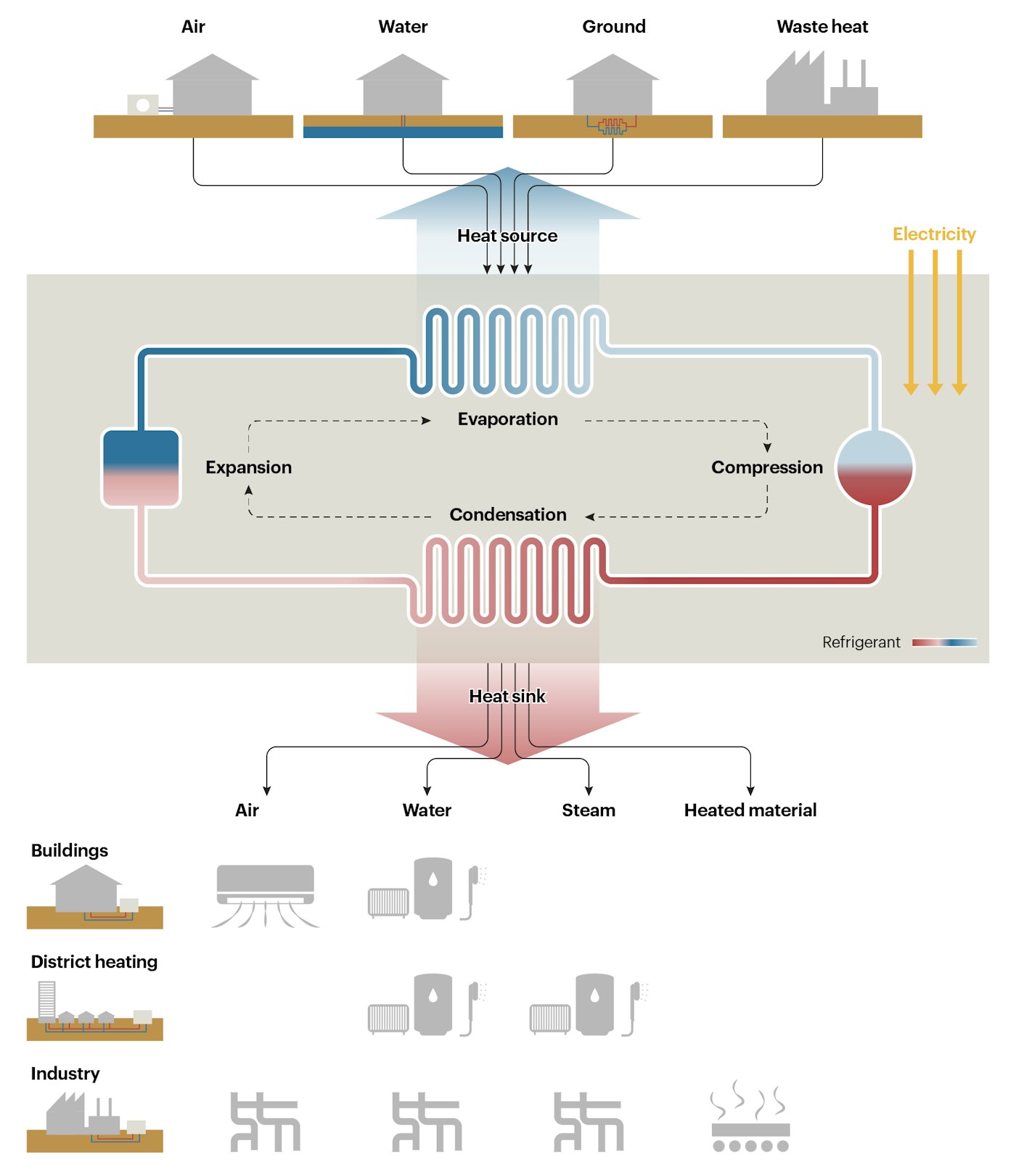
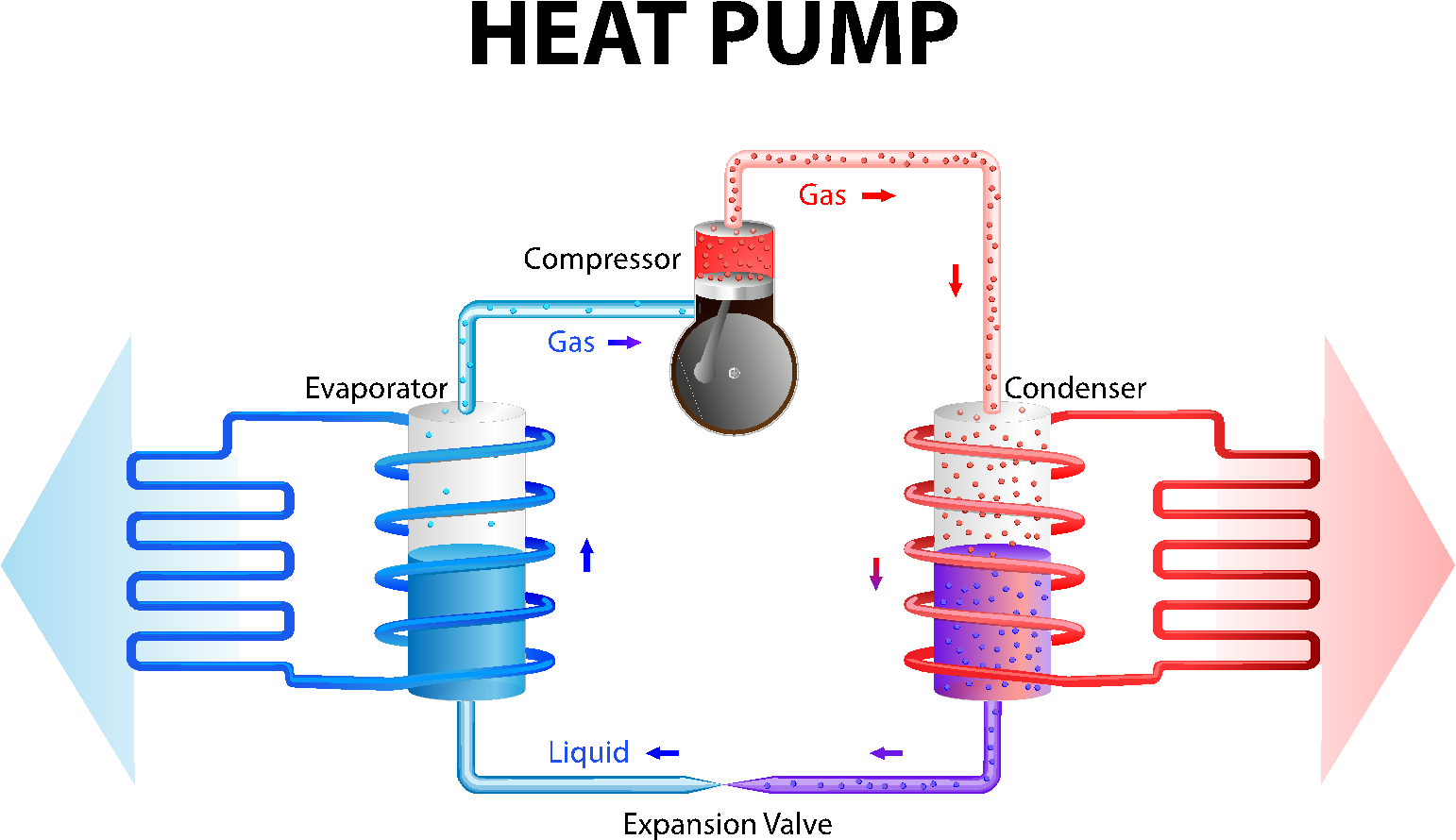
At its core, an IDM heat pump operates on the principles of the Carnot cycle, but with significant engineering refinements that distinguish it from standard domestic units. The process begins with the evaporator, where a refrigerant with a low boiling point absorbs heat from the external environment. Even in cold weather, the refrigerant extracts energy, causing it to evaporate from a liquid into a gas.
The system then employs a compressor to increase the pressure and temperature of this gaseous refrigerant. IDM units are particularly noted for their use of advanced inverter-driven compressors. Unlike traditional "on-off" compressors that run at a single capacity, an IDM compressor continuously adjusts its speed to match the precise heat demand of the household. This prevents the energy spikes associated with frequent starting and stopping, leading to a more consistent room temperature and significantly lower annual electricity consumption.
Once the hot, high-pressure gas passes through the condenser, it transfers its thermal energy to the home’s heating distribution system—typically underfloor heating or radiators. During this transfer, the refrigerant cools and condenses back into a liquid, passes through an expansion valve where its pressure is lowered, and returns to the evaporator to repeat the cycle.
Integration and Heat Distribution in Practice
In practice, the efficiency of an IDM system is as much about the hydraulic integration as it is about the heat pump itself. Most modern IDM installations use a "buffer tank" or "hygienic tank" strategy. The heat pump provides energy to these tanks, which then act as a thermal reservoir.
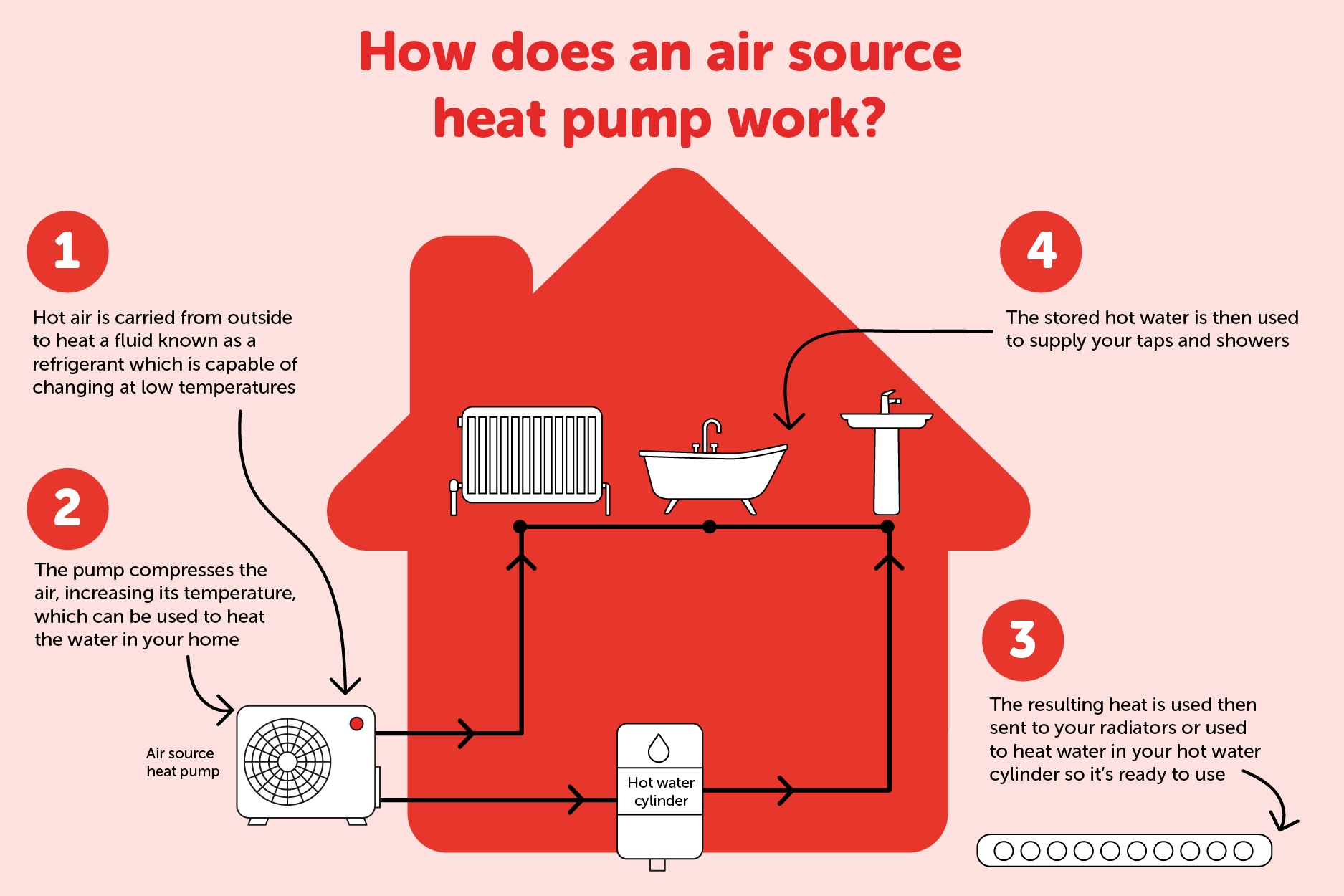
For domestic hot water, IDM often utilizes the "fresh water principle." Instead of storing large volumes of potable hot water—which can lead to issues with legionella—the system stores heating water. When hot water is required at a tap, cold mains water flows through a high-efficiency stainless steel heat exchanger inside the tank, warming instantly on demand. This ensures high water quality and allows the heat pump to operate at lower temperatures, which is the "sweet spot" for high seasonal performance factors (SPF).
Comparison of Heat Source Systems
| Feature | Air-Source (Air-to-Water) | Ground-Source (Brine-to-Water) |
|---|---|---|
| Installation | Lower upfront cost, minimal excavation | Higher cost, requires boreholes/collectors |
| Efficiency | Fluctuates with ambient air temp | Highly stable, high year-round performance |
| Space Requirement | External fan unit (monobloc) | Small footprint, external ground loop |
| Ideal For | Retrofits and properties with limited space | New builds and high-energy-efficiency homes |
Advanced Control and NAVIGATOR 2.0 Integration
A defining characteristic of IDM heat pumps is the control logic managed by the NAVIGATOR interface. In practice, this serves as the "brain" of the home. The system monitors external weather, internal room temperatures, and the energy output of any integrated photovoltaic (PV) arrays.
By 2026, the integration of smart-grid-ready features has become standard practice. The heat pump can communicate with the house's electrical network to prioritize self-consumption of solar power. If the solar panels are generating excess electricity, the controller will automatically increase the output of the heat pump to "store" the energy as thermal mass in the building’s floor or water tanks. This effectively turns the heating system into a grid-balancing battery, reducing the owner’s reliance on the electrical grid during peak pricing hours.
Installation Prerequisites and Operational Requirements
To achieve the manufacturer’s rated efficiency, an IDM system must be matched to the building’s heat load. This is not a "one size fits all" appliance.
- Heat Load Calculation: A qualified technician must perform an EN 12831 calculation to determine the exact thermal demand of the property. Installing a unit that is too large causes "cycling" (rapid switching on and off), while an undersized unit will fail to maintain comfort on the coldest days.
- Hydraulic Balancing: For the system to function effectively, the flow rates across all heating circuits must be balanced. If the underfloor heating zones do not have equal resistance, some rooms may remain cold while others overheat.
- Electrical Infrastructure: Due to the high starting currents of heat pumps (though mitigated by soft-start inverters), the electrical service panel must be verified to handle the specific load of the compressor and the internal circulating pumps.
- Maintenance Cycles: While the system is largely automated, the evaporator fins (in air-source models) must be kept free of debris, leaves, or snow blockage. Annual professional inspections in late autumn are recommended to ensure refrigerant pressures are within specifications and that sensors are calibrated correctly.
Common Operational Challenges and Troubleshooting
Despite the reliability of the hardware, users may encounter specific scenarios that require attention.
- High Electricity Consumption: This is often not a mechanical fault but an indication that the flow temperature is set too high. Heat pumps are most efficient when delivering water at 35°C–45°C. If the system is constantly fighting to hit 60°C, the Coefficient of Performance (COP) will drop.
- Noise Issues: External air-source units generate sound during operation. Proper positioning is critical. Avoid placing the unit near bedroom windows or in narrow alleys where sound can reverberate against hard walls.
- Flow Errors: If the system reports a flow error, it is frequently due to a blocked filter or a trapped air pocket in the primary loop. Regular venting of the radiators or manifolds is a necessary routine for the homeowner.
Frequently Asked Questions
Can an IDM heat pump replace a gas boiler in an older, uninsulated house?
Technically yes, but efficiency may be lower. For older homes, IDM units are often configured for high-temperature output, but it is always more cost-effective to improve the building envelope (insulation and glazing) before installation to ensure the heat pump can operate at its peak COP.
How does the heat pump react to freezing conditions?
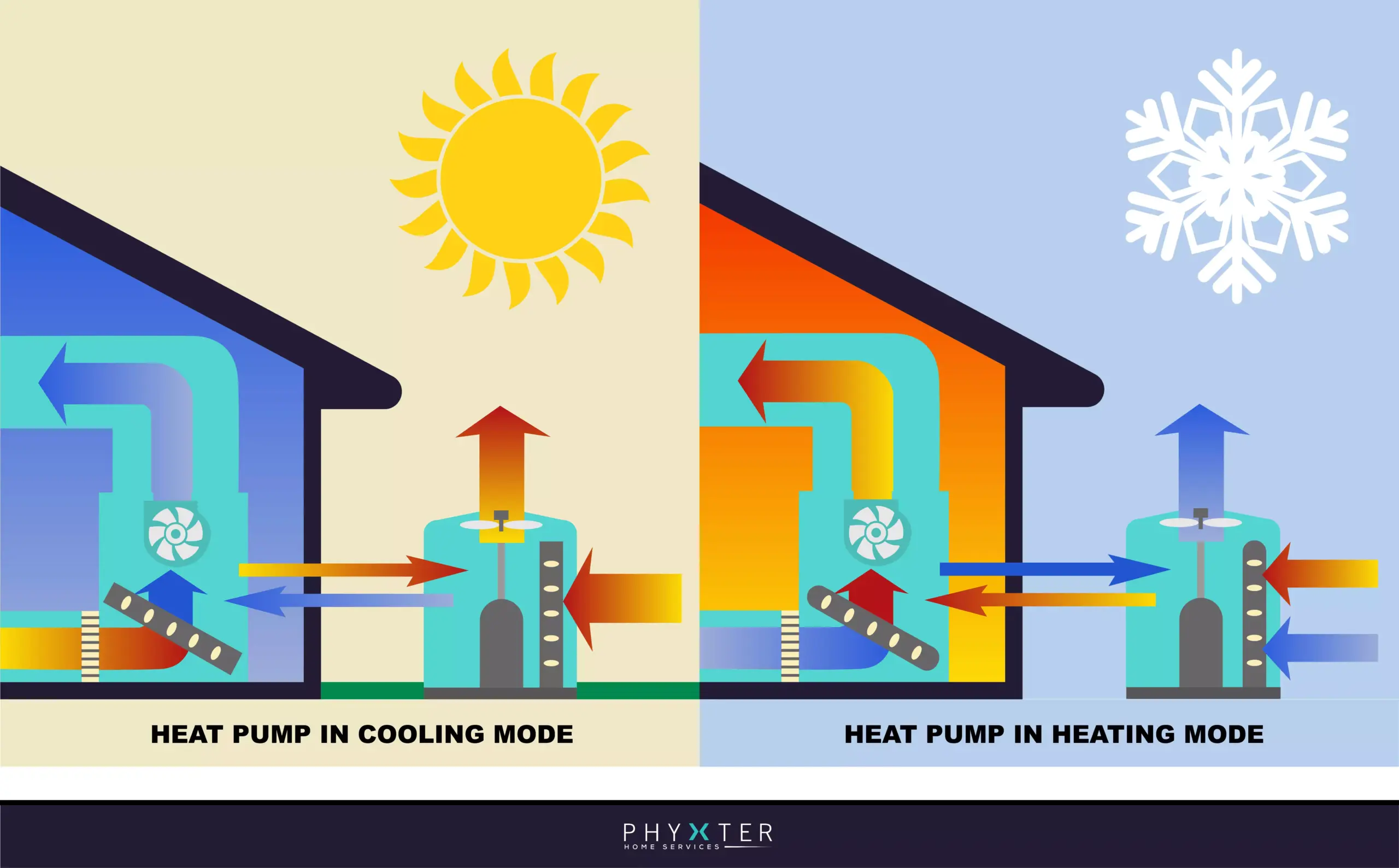
IDM units are designed for extreme climates. They utilize automatic defrost cycles where the system briefly reverses the refrigeration process to melt ice off the evaporator coils, ensuring the unit can continue extracting energy even when the outside temperature is well below freezing.
What is the expected service life of these units?
With professional installation and annual maintenance, a high-quality heat pump system typically provides 15 to 20 years of service. The inverter-driven compressor is the most critical mechanical component and is designed to survive thousands of start-stop cycles.
Is it possible to use the heat pump for cooling?
Yes. Many IDM systems offer "active cooling" or "passive cooling" (often called natural cooling). By circulating cold water from the ground loop through the underfloor heating pipes, the system can lower room temperatures during summer months without needing an energy-intensive air conditioning system.
How do I optimize the system for solar power?
The NAVIGATOR controller features a smart-grid interface. By connecting the heat pump to the building's energy meter, the system can automatically increase the domestic hot water setpoint whenever excess electricity is being generated, effectively storing your solar energy as hot water.
Next Steps for Homeowners
Before committing to an installation, request a professional site survey from a certified partner. Ask for a heat load calculation and a predicted annual energy bill based on your local climate and building insulation standards. Ensuring that the heat distribution system (radiators or underfloor) is sized for low-temperature operation is the most important factor in the long-term success and affordability of your IDM heat pump system.
Image Gallery