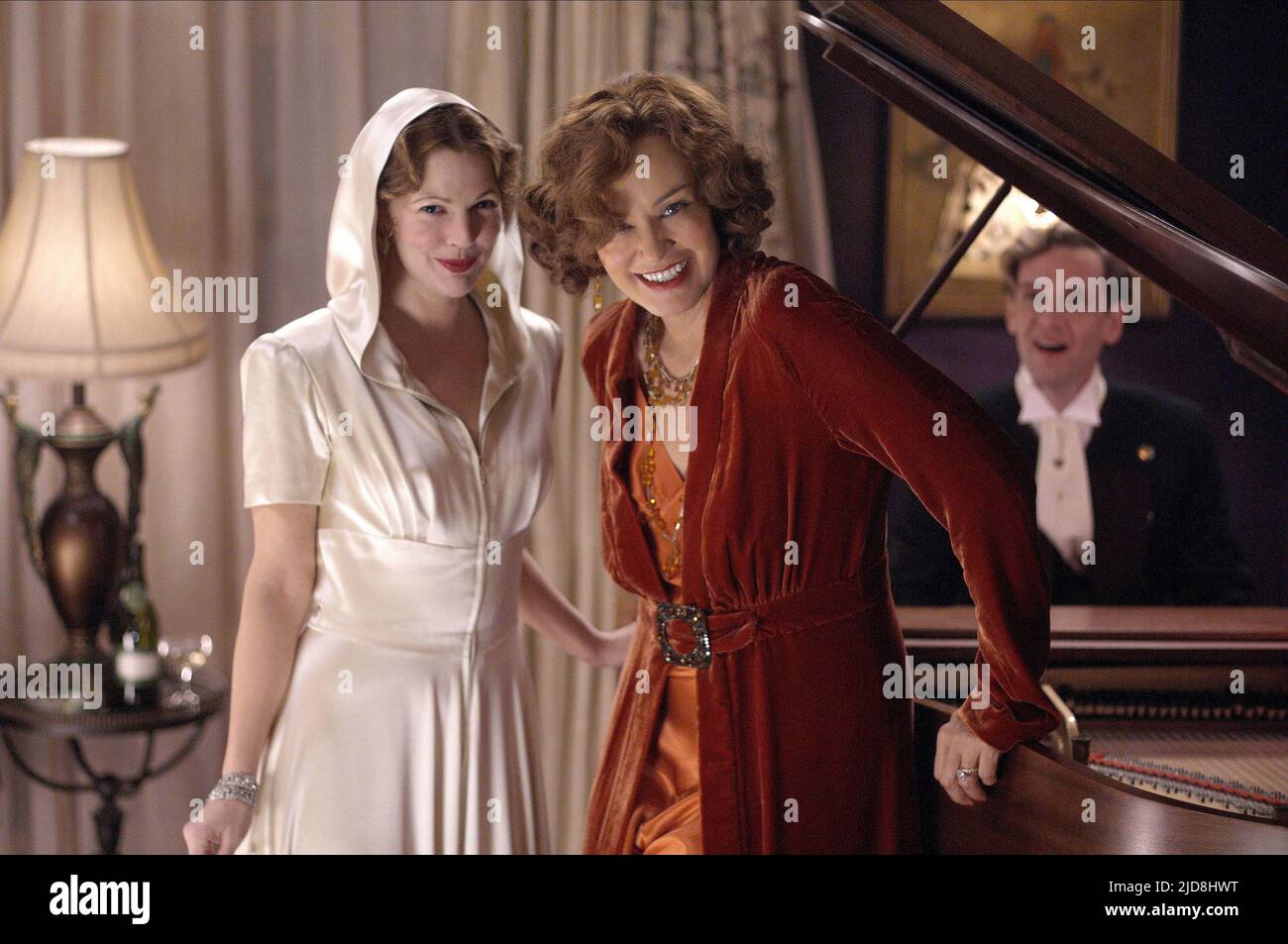
Drew Barrymore’s Portrayal of Little Edie in HBO’s Grey Gardens: Performance, Legacy, and Preparation
Drew Barrymore’s performance as Edith "Little Edie" Bouvier Beale in HBO's 2009 biographical drama Grey Gardens stands as one of the most transformative achievements of her career. Earning a Golden Globe and a SAG Award, Barrymore capt...
Drew Barrymore’s performance as Edith "Little Edie" Bouvier Beale in HBO's 2009 biographical drama Grey Gardens stands as one of the most transformative achievements of her career. Earning a Golden Globe and a SAG Award, Barrymore captured the eccentric charm, tragic vulnerability, and unmistakable vocal style of the beloved real-life cult figure.
Contents
Historical Context and the Creation of the 2009 HBO Film
The story of Edith Ewing Bouvier Beale ("Big Edie") and her daughter, Edith Bouvier Beale ("Little Edie"), first captured public fascination in 1975. That year, legendary direct-cinema documentarians Albert and David Maysles released their groundbreaking film Grey Gardens. The documentary chronicled the lives of the reclusive aristocrats—aunt and cousin to former First Lady Jacqueline Kennedy Onassis—living in advanced squalor inside their crumbling 28-room mansion in East Hampton, Long Island.
While the 1975 documentary captured the two women in their later years, surrounded by decaying architecture, encroaching wildlife, and memories of a bygone era, it left much of their early lives unexamined. In 2009, HBO Films produced a narrative feature film directed by Michael Sucsy, co-written with Patricia Rozema, designed to fill those historical gaps.
Timeline of Grey Gardens Depictions:
- 1930s–1950s: High Society Debut & Relocation to East Hampton (Covered in 2009 HBO Film)
- 1975: Original Maysles Brothers Direct-Cinema Documentary Released
- 2006: Broadway Musical Premiere starring Christine Ebersole
- 2009: HBO Telefilm Released starring Drew Barrymore & Jessica Lange
The 2009 telefilm spans five decades, tracing Little Edie's journey from a vibrant, aspiring Manhattan cabaret artist and high-society debutante in the late 1930s to her years of extreme isolation alongside her mother in the 1970s. For Drew Barrymore, taking on the role meant inhabiting a historical figure who was already an established pop culture icon, complete with a dedicated cult fanbase, distinct speech patterns, and sartorial trademarks.
Character Transformation: Accent, Wardrobe, and Immersion
Playing a real person with a recognized public persona presents unique performance hazards; an actor risks falling into broad impersonation or hollow caricature. To portray Little Edie authentically, Barrymore undertook an intensive physical, vocal, and psychological preparation process.
Mastered Dialect and Vocal Rhythm
Little Edie possessed a singular sociolect: an aristocratic, Mid-Atlantic cadence characteristic of upper-class New England families of the early 20th century, mixed with rapid-fire comedic timing and theatrical inflections.
Barrymore worked extensively with dialect coach Howard Samuelson to master Edie’s vocal mechanics. Preparation involved:
- Listening continuously to unedited audio tapes recorded by the Maysles brothers during the 1970s.
- Analyzing private tape recordings and home movie footage provided by the Beale estate.
- Isolating specific vocal quirks, such as Edie's tendency to drop consonant endings while lengthening specific vowel sounds.
- Internalizing Edie's abrupt shifts from high-pitched lightheartedness to low, melancholic intimacy.
Wardrobe and Visual Fidelity
Little Edie’s wardrobe is among the most famous in documentary film history. Suffering from alopecia totalis, which caused complete hair loss in her adult life, Edie developed a signature style of wrapping her head in silk scarves, sweaters, and towels, secured with vintage brooches. Lacking money for new clothing, she altered vintage garments upside down, pinned skirts with safety pins, and fashioned improvised dresses out of everyday fabrics.
Costume designer Catherine Leterrier carefully recreated these famous outfits for the film's 1970s sequences. Barrymore spent hours in makeup each shooting day to apply prosthetics and subtle aging details, along with a bald cap designed to mimic Edie’s real-life condition under her headwraps.
Key Elements of Little Edie's Wardrobe Recreated in the Film:
- The "Revolutionary Costume": Black turtleneck, upside-down safety-pinned skirt, headscarf anchored by a gold brooch.
- The Red Swimsuit with Turban: Bright red bathing suit paired with a draped headscarf for outdoor dancing.
- The Towel Turban: Bath towels secured around the head during indoor conversations.
- 1930s Couture: High-society silk dresses, fur coats, and debutante gowns reflecting her early wealth.
Psychological Isolation and Method Preparation
To mirror the isolation that defined Little Edie’s life at Grey Gardens, Barrymore chose to isolate herself during production in Toronto. She instituted a personal media fast, refraining from using her cell phone, listening to contemporary music, or engaging with external social circles during the shoot. This self-imposed solitude allowed her to tap into Edie’s deep sense of artistic frustration, longing for human connection, and intense dependence on her mother.
Critical Reception, Award Success, and Career Impact
Before Grey Gardens, Drew Barrymore was largely recognized for her work in romantic comedies (50 First Dates, The Wedding Singer) and commercial blockbusters (Charlie's Angels). While she had achieved significant success as an actress and producer through Flower Films, critics often questioned her range in dramatic, heavy-character roles.
The premiere of Grey Gardens on April 18, 2009, marked a major turning point in critical evaluation of her acting career. Reviewers highlighted her ability to capture the nuance of Little Edie's tragedy without abandoning the high-energy eccentricity that made the real woman so captivating.
Major Awards Won by Drew Barrymore for Grey Gardens:
| Award Body | Category | Result |
|---|---|---|
| Golden Globe Awards (67th) | Best Actress – Miniseries/TV Film | Won |
| Screen Actors Guild Awards (16th) | Outstanding Female Actor in TV | Won |
| Satellite Awards (14th) | Best Actress – Miniseries/TV Film | Nominated |
| Primetime Emmy Awards (61st) | Outstanding Lead Actress | Nominated |
| Broadcast Film Critics Association Awards (15th) | Best Actress Made for Television | Nominated |
While Barrymore lost the Primetime Emmy Award to her co-star Jessica Lange (who played Big Edie), her victories at the Golden Globes and SAG Awards solidified the performance as a landmark achievement. In her acceptance speeches, Barrymore frequently noted that playing Little Edie was the most challenging and fulfilling artistic experience of her professional life.
Comparative Analysis: Real Little Edie vs. Drew Barrymore’s Interpretation
To evaluate how closely Barrymore’s dramatic performance matched the documented reality of Edith Bouvier Beale, it helps to examine key attributes side by side.
| Character Aspect | Historical Edith "Little Edie" Beale | Drew Barrymore’s 2009 Performance | Artistic Fidelity & Adaptation Notes |
|---|---|---|---|
| Vocal Pitch & Accent | Mid-Atlantic, theatrical, rapid cadence with vintage East Coast inflection. | Meticulously replicated; captured exact vocal pitch, breath control, and sentence cadence. | Highly accurate; relied directly on Maysles audio outtakes. |
| Physicality & Movement | Expressive hand gestures, sudden dance breaks, posture reflecting dance training. | Fluid, dramatic arm movements; adopted Edie's exact dance posture from the 1975 film. | Faithful to documentary footage, capturing both grace and physical stiffness. |
| Early Life Portrayal | High-society debutante in New York, aspiring fashion model, and cabaret performer. | Portrayed with emotional ambition, showing early romance and family conflict. | Dramatized based on Edie's personal letters, diaries, and historical accounts. |
| Alopecia & Hair Styling | Complete hair loss beginning in her 30s, hidden under turbans and custom scarves. | Depicted using a bald cap and prosthetics, showing the emotional toll of the loss. | Handled with dramatic empathy, showing the private struggle behind the headwraps. |
| Mother-Daughter Dynamic | Codependent, fiercely loyal, marked by frequent verbal sparring and deep affection. | Played with intense emotional range alongside Jessica Lange's Big Edie. | Core focus of the film; captures both the humor and tragic confinement of their bond. |
The Screen Dynamic Between Drew Barrymore and Jessica Lange
A central factor in the success of the 2009 film was the screen chemistry between Drew Barrymore and Jessica Lange. As Big Edie, Lange provided a commanding counterweight to Barrymore's lighter, more hyperactive portrayal of Little Edie.
The Core Dynamic of the Beale Relationship:
- Big Edie (Jessica Lange)
- Codependency / Artistic Rivalry
- Maternal Control & Refusal to Leave Grey Gardens
- Little Edie (Drew Barrymore)
- Codependency / Artistic Rivalry
- Desire for Independence & Unfulfilled Stage Career
The relationship between the two women was defined by a delicate balance of deep codependency, unfulfilled aspirations, and mutual affection. The film highlights how both women sacrificed external relationships to remain together:
- The Mother's Hold: Big Edie relied on Little Edie for physical care and companionship as her health declined and the family funds dwindled.
- The Daughter's Ambivalence: Little Edie repeatedly attempted to establish an independent life in Manhattan, but returned home out of duty, financial necessity, and emotional attachment.
Barrymore and Lange spent extensive rehearsal time building a natural, lived-in intimacy. Their on-screen interactions seamlessly shift between bitter argument and spontaneous musical harmonizing, reflecting the real-life environment of Grey Gardens recorded by the Maysles brothers.
Frequently Asked Questions
Did Drew Barrymore win an Emmy for playing Little Edie in Grey Gardens?
No. Drew Barrymore was nominated for the Primetime Emmy Award for Outstanding Lead Actress in a Miniseries or a Movie in 2009, but the award was won by her co-star, Jessica Lange, who played Big Edie. However, Barrymore did win both the Golden Globe Award and the Screen Actors Guild (SAG) Award for her performance.
Was Little Edie Bouvier Beale alive when Drew Barrymore played her?
No. Edith "Little Edie" Bouvier Beale passed away on January 14, 2002, at the age of 84 in Bal Harbour, Florida. The HBO film was developed and produced years after her death, premiering in April 2009.
How did Drew Barrymore achieve Little Edie's unique voice?
Barrymore worked with dialect coach Howard Samuelson, spending months listening to original tape recordings, outtakes from the 1975 documentary, and archival interviews. She studied the specific Mid-Atlantic accent, cadence, and breath control unique to high-society New England families of the early 20th century.
Did Drew Barrymore do her own singing in the movie?
Yes. Drew Barrymore performed her own vocals for the musical sequences in the film, including scenes depicting Little Edie's youthful cabaret auditions in Manhattan and her spontaneous singing performances inside the Grey Gardens estate.
Who directed Drew Barrymore in HBO's Grey Gardens?
The film was directed by Michael Sucsy, who also co-wrote the teleplay with Patricia Rozema. The project earned 17 Primetime Emmy nominations and won six, including Outstanding Made for Television Movie.
Viewing Guidance and Recommended Next Steps
For viewers interested in exploring Drew Barrymore’s performance and the true story of Edith Bouvier Beale, the following viewing sequence offers the most complete historical and artistic context:
- Watch the Original Documentary (1975): Start with Albert and David Maysles' original Grey Gardens documentary to experience the authentic voice, movement, and environment of Little Edie firsthand.
- Watch the HBO Narrative Film (2009): View the HBO film starring Drew Barrymore and Jessica Lange to understand the decades of backstory, high-society origins, and family dynamics that led to the conditions shown in the original documentary.
- Explore Supplementary Materials: Listen to the official audio commentary tracks on the criterion release of the documentary and review Little Edie's published letters and poetry (Little Edie of Grey Gardens: A Medium for True Inspiration) for deeper insight into her inner life.
Image Gallery