How Psychological Aggression Shapes Domestic Violence
Psychological aggression functions as the foundational architecture of domestic violence, utilizing coercive control, isolation, and gaslighting to erode a victim's autonomy. It often precedes physical abuse, serving to establish a pow...
Psychological aggression functions as the foundational architecture of domestic violence, utilizing coercive control, isolation, and gaslighting to erode a victim's autonomy. It often precedes physical abuse, serving to establish a power imbalance that makes physical resistance or departure more difficult for the victim to execute through systematic emotional and mental destabilization.
Contents
Defining Psychological Aggression in the Modern Context
Psychological aggression is a broad spectrum of non-physical behaviors intended to control, intimidate, or demean an intimate partner. As of 2026, clinical definitions have expanded beyond mere verbal insults to include digital surveillance, economic sabotage, and the strategic use of a partner’s vulnerabilities against them. Unlike physical violence, which may leave visible scars, psychological aggression is often invisible, making it difficult for victims to identify and even harder for external systems—such as law enforcement or family courts—to quantify without specific documentation.
The core of this aggression is coercive control. This is not a single event but a pattern of behavior that limits a person’s liberty. It involves a range of tactics, from monitoring phone calls and social media activity to "gaslighting," a form of manipulation where the aggressor forces the victim to question their own reality or memory. By 2026, legislative frameworks in numerous jurisdictions have recognized that the "harm" in domestic violence is not solely physical; the destruction of a person’s sense of self-worth and agency is equally damaging.
The Mechanics of Coercive Control
Coercive control is the mechanism that allows psychological aggression to shape the trajectory of domestic violence. It operates through several distinct but overlapping channels:
Isolation and Dependency
Aggressors frequently begin by subtly isolating the victim from their support networks. This might start with complaints about a victim's friends or family, leading to the victim withdrawing to avoid conflict. By 2026, digital isolation has become more prevalent, where the aggressor may demand passwords or use tracking software to ensure the victim remains within a controlled "digital perimeter." Once isolated, the victim becomes entirely dependent on the aggressor for emotional validation and, often, financial stability.
Degradation and Devaluation
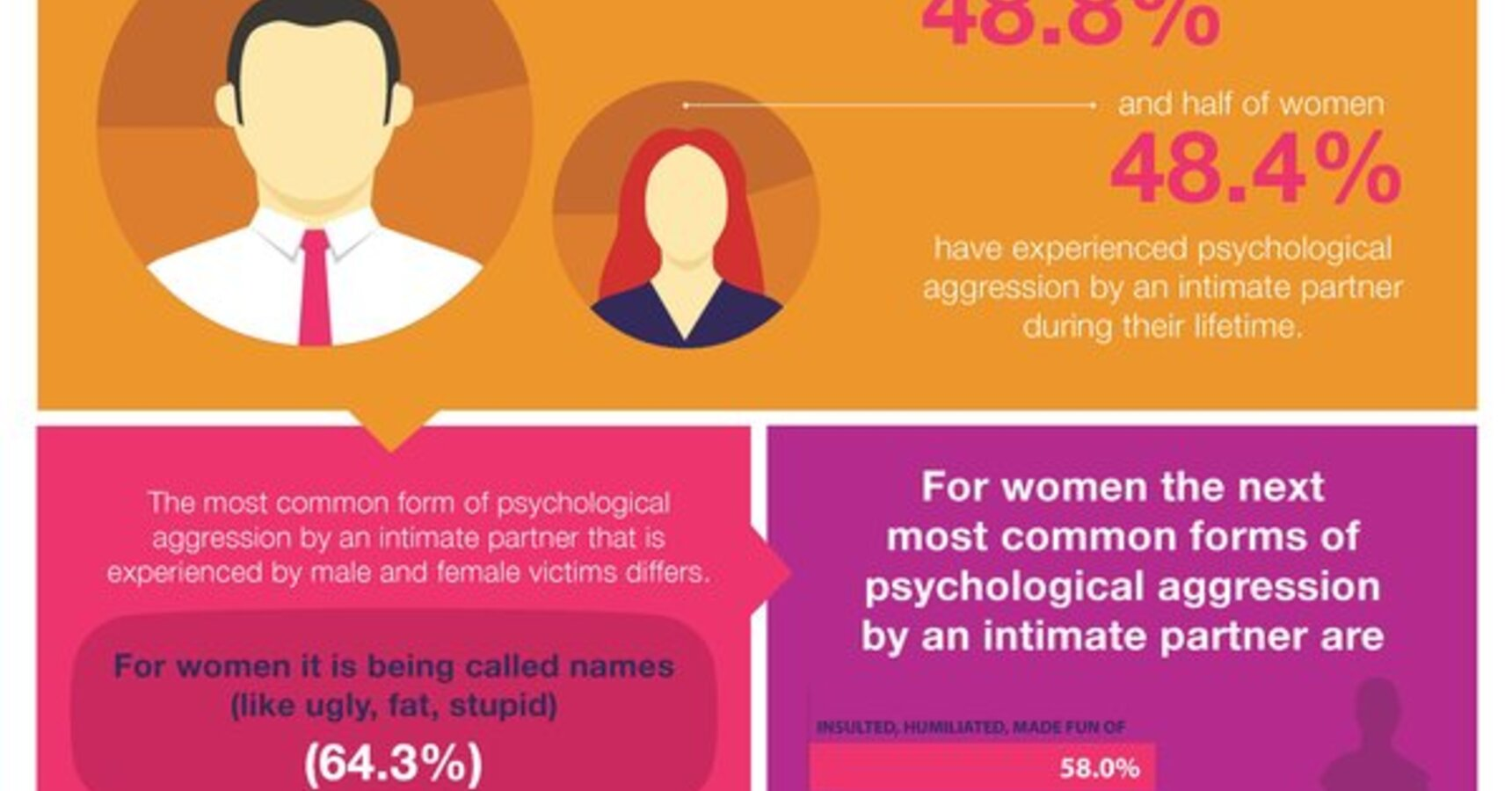
Systematic degradation involves the constant use of insults, name-calling, and public humiliation. This process aims to destroy the victim’s self-esteem. When a person is told repeatedly that they are worthless, incompetent, or unlovable, they begin to internalize these claims. This internalization is a critical component of domestic violence; it creates a psychological barrier to leaving, as the victim may believe they deserve the treatment or that no one else would want them.
Economic Abuse
As a specific subset of psychological aggression, economic abuse involves controlling a partner’s ability to acquire, use, and maintain financial resources. This might include preventing a partner from working, strictly monitoring spending, or generating debt in the victim's name. In the current 2026 economic environment, where digital banking is the norm, aggressors often use "financial transparency" as a guise for total financial surveillance, ensuring the victim has no "escape fund."
The Escalation Pathway: From Words to Physicality
Research into the "cycle of violence" indicates that psychological aggression is almost always the precursor to physical assault. It serves as a testing ground for boundaries. If an aggressor finds they can control a partner’s movements or thoughts through threats and intimidation, they may eventually escalate to physical force to maintain that control when psychological tactics appear to be failing.
Psychological aggression "shapes" domestic violence by creating a environment of perpetual fear. Even in periods where no physical violence is occurring, the threat of it—conveyed through a look, a tone of voice, or a specific phrase—keeps the victim in a state of hyper-vigilance. This is often referred to as "walking on eggshells." In this environment, the aggressor does not need to use physical force daily because the psychological groundwork has already established that the victim is not safe.
Neurological and Psychological Impacts
The impact of prolonged psychological aggression on the human brain is profound and mirrors the symptoms of physical trauma. Continuous exposure to stress hormones like cortisol and adrenaline can lead to structural changes in the brain, particularly in the amygdala (which processes fear) and the prefrontal cortex (which handles decision-making).
Traumatic Bonding and Intermittent Reinforcement
One of the most complex ways psychological aggression shapes the domestic violence experience is through intermittent reinforcement. This occurs when an aggressor follows a period of intense abuse with a period of "love bombing" or extreme kindness. This cycle creates a powerful biochemical bond. The victim’s brain becomes conditioned to wait for the "reward" phase, which makes the abusive phase more tolerable. This is a primary driver of why victims stay in or return to abusive relationships; they are psychologically tethered to the hope of the "good" version of the partner returning.
Learned Helplessness
When a victim finds that no matter what they do—whether they comply or resist—the aggression continues, they may develop learned helplessness. This is a state where the individual stops trying to change their situation because they have been conditioned to believe they have no power over their environment. This psychological state is a direct result of the unpredictable nature of psychological aggression.
Distinguishing Conflict from Aggression
It is vital to distinguish between a "high-conflict relationship" and one defined by psychological aggression. While all relationships have disagreements, aggression is characterized by a power imbalance and the intent to control.
| Feature | Healthy Conflict | Psychological Aggression |
|---|---|---|
| Intent | To resolve a specific issue. | To control or dominate the partner. |
| Power Balance | Both partners have an equal voice. | One partner holds all the decision-making power. |
| Communication | Respectful, even if heated. | Insulting, demeaning, or silencing. |
| Outcome | Compromise or mutual understanding. | Submission of one partner to the other. |
| Aftermath | Feelings of relief or resolution. | Feelings of fear, shame, or confusion. |
| Accountability | Both partners take responsibility. | The aggressor blames the victim for the abuse. |
Legal and Social Implications in 2026
In 2026, the legal landscape is increasingly recognizing that domestic violence is not just "hitting." Laws concerning Protection from Abuse (PFA) and Restraining Orders have been updated in many regions to include coercive control and psychological harm as valid grounds for legal intervention. This shift acknowledges that the psychological shaping of a relationship can be just as lethal as physical weapons, as it often leads to severe mental health crises, self-harm, or eventual homicide.
Socially, there is a growing movement to train first responders, healthcare workers, and educators to recognize the subtle signs of psychological aggression. Because there are no bruises, these professionals are taught to look for "red flags" such as a partner who insists on speaking for the victim, a victim who constantly checks their phone with visible anxiety, or a sudden loss of autonomy in decision-making.
Identification and Prevention
Early intervention is the most effective way to prevent psychological aggression from evolving into severe physical domestic violence. Identification begins with recognizing the "Power and Control Wheel," a tool developed by the Duluth Model that outlines how various forms of non-physical abuse support the structure of violence.
Red Flags of Early-Stage Aggression:
- Hyper-Criticism: Frequent "jokes" that are actually insults directed at your intelligence or appearance.
- Monitoring: Excessive texting or calling to "check-in," which feels more like surveillance than care.
- The "Crazy" Narrative: Telling you that your concerns are "all in your head" or that you are "too sensitive" (Gaslighting).
- Rules and Permissions: Feeling like you need to ask permission for basic activities like going to the grocery store or visiting a parent.
Recovery and Next Actions
Recovering from a relationship shaped by psychological aggression requires a specialized approach. Because the trauma is rooted in the erosion of the self, healing involves rebuilding one's identity and agency.
- Seek Professional Counseling: Look for therapists who specialize in "Trauma-Informed Care" and understand the nuances of coercive control.
- Establish a Safety Plan: If you are still in the relationship, contact organizations like the National Domestic Violence Hotline or local equivalents to create a plan that addresses both physical and psychological safety.
- Document the Patterns: In 2026, digital journals or secure apps can be used to log incidents of intimidation or control, which can be vital if legal action is required.
- Reconnect with Support: Reach out to the people you were discouraged from seeing. Rebuilding your "social safety net" is the best defense against the isolation the aggressor created.
Disclaimer: This article provides educational information on the psychological dynamics of domestic violence and is not a substitute for professional legal, medical, or psychological advice. If you are in immediate danger, contact your local emergency services or a domestic violence crisis center.
Frequently Asked Questions
Is psychological aggression always a precursor to physical violence?
While not every instance of psychological aggression results in physical violence, research consistently shows that physical abuse in intimate relationships is almost always preceded by a period of psychological control. Aggression creates the power structure necessary for physical violence to occur and remain unchallenged.
Can psychological aggression be legally prosecuted in 2026?
Yes, in many jurisdictions as of 2026, laws have been enacted or expanded to include "coercive control" as a criminal offense. This allows for the prosecution of patterns of behavior—such as isolation, financial control, and intimidation—even in the absence of physical injury.
What is the difference between "gaslighting" and a simple disagreement?
A disagreement involves two people having different perspectives on a fact or event. Gaslighting is a deliberate tactic where one person systematically lies or denies reality to make the other person doubt their own perceptions, memory, or sanity, usually to gain control over them.
How does psychological aggression affect children in the home?
Children who witness psychological aggression between parents are at a high risk for developing anxiety, depression, and behavioral issues. They may learn that control and manipulation are normal parts of a relationship, which can lead to a cycle of abuse in their own future intimate partnerships.
How can I help a friend who is experiencing psychological abuse?
The best approach is to offer non-judgmental support and stay connected. Aggressors rely on isolation; by remaining a consistent, supportive presence, you provide a bridge for the victim to use when they are ready to seek help. Avoid telling them what to do, as this can feel like another form of control; instead, empower them to make their own choices.
Image Gallery