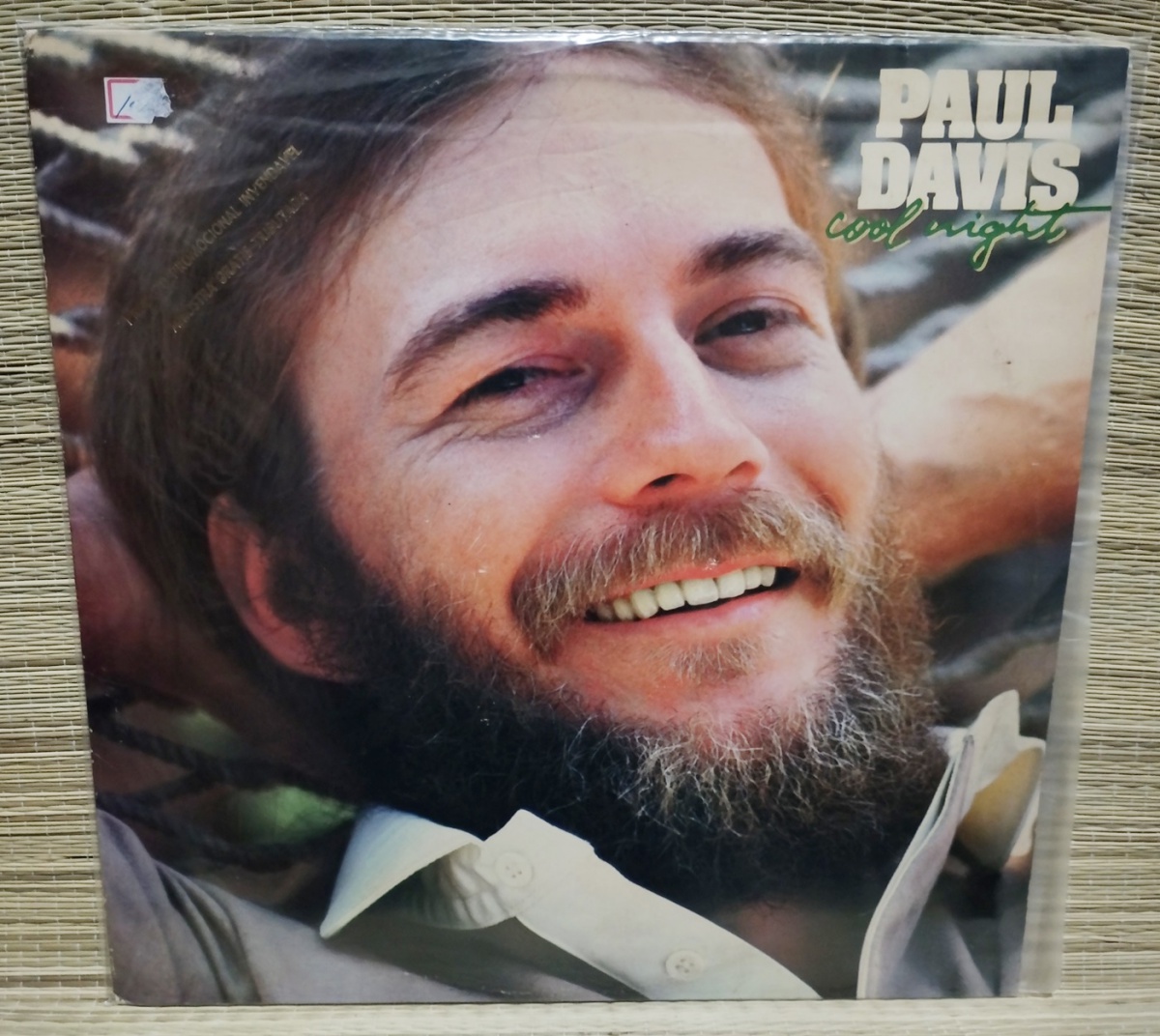
Exploring Paul Davis’s "Cool Nights": A Definitive Guide to the 1981 Soft Rock Classic
Paul Davis’s "Cool Nights" is a quintessential artifact of the early 1980s soft rock era, serving as both a hit single and the title track of his 1981 studio album. Known for its smooth production, soulful vocals, and evocative "blue-e...
Paul Davis’s "Cool Nights" is a quintessential artifact of the early 1980s soft rock era, serving as both a hit single and the title track of his 1981 studio album. Known for its smooth production, soulful vocals, and evocative "blue-eyed soul" sensibility, the song peaked at number 11 on the Billboard Hot 100. It remains a staple of adult contemporary radio and a landmark recording in the "Yacht Rock" canon.
Contents
The Genesis of "Cool Nights" and the Arista Transition
By the time 1981 arrived, Paul Davis was already a veteran of the music industry. Hailing from Meridian, Mississippi, Davis had spent the 1970s crafting a unique blend of country-inflected pop and soul. He had previously achieved massive success with the 1977 ballad "I Go Crazy," which famously set a record at the time for the longest stay on the Billboard Hot 100 (40 weeks).
However, the dawn of the 1980s required a shift in sonic texture. Davis transitioned from the more acoustic-driven sounds of Bang Records to the polished, high-gloss production environment of Arista Records, then led by the legendary Clive Davis. This move was pivotal. Arista was known for its ability to market "adult contemporary" artists to a broad demographic, and "Cool Nights" was designed to be the flagship of this new era.
The recording sessions for the album took place primarily at Web IV Studios in Atlanta, Georgia. This location was central to the "Atlanta sound"—a specific production style that blended the rhythmic precision of R&B with the melodic accessibility of pop. Paul Davis, acting as both the primary songwriter and co-producer alongside Ed Seay, sought to create an atmosphere that was both technically impeccable and emotionally resonant.
Analyzing the Single: "Cool Nights"
The song "Cool Nights" is often cited by musicologists as a perfect example of the "transitional" sound of 1981. It sits comfortably between the fading disco influences of the late 70s and the rising synthesizer-dominated pop of the early 80s.
Lyrical Themes and Mood
The lyrics of "Cool Nights" are deceptively simple. On the surface, they describe a longing for companionship and the comfort found in a partner during the "cool nights" of life. However, Davis’s delivery adds a layer of wistfulness. The song captures a specific type of urban loneliness, common in soft rock, where the protagonist seeks a haven from the pressures of the outside world.
Musical Composition and Arrangement
Technically, the song is a masterclass in mid-tempo groove. The track features:
- The Bassline: A prominent, melodic bassline that provides a soulful "pocket" for the track.
- Synthesizer Layers: Subtle use of the Prophet-5 and Fender Rhodes piano, which create the "cool" atmosphere referenced in the title.
- Vocal Harmony: Davis was known for his intricate self-harmonization. In "Cool Nights," his multi-tracked backing vocals provide a lush, choral effect that became his signature.
- Guitar Work: Minimalist but effective electric guitar stabs that emphasize the backbeat, a hallmark of the blue-eyed soul genre.
The song’s success was driven by its heavy rotation on Adult Contemporary (AC) radio, where it reached number 9. Its crossover appeal allowed it to climb the pop charts, eventually resting just outside the Top 10.
The Cool Nights Album: A Deep Dive
While the title track received the most initial attention, the Cool Nights album is a cohesive body of work that showcases Davis’s versatility. The album served as a bridge between his country roots and his future as a pop hitmaker.
Key Tracks and Highlights
- "65 Love Affair": This was the second major hit from the album, reaching number 6 on the Billboard Hot 100. It is a more upbeat, nostalgic track that leans heavily into 1950s doo-wop influences while maintaining 1980s production standards.
- "Love or Let Me Be Lonely": A cover of the Friends of Distinction hit, this track highlighted Davis’s deep appreciation for classic soul and R&B.
- "Nathan Jones": A remake of the Supremes' classic, further cementing Davis’s status as a premier interpreter of Motown and soul melodies.
Personnel and Production Credits
The technical excellence of the album can be attributed to the "A-list" session musicians and engineers involved in the project.
| Role | Contributor |
|---|---|
| Producers | Paul Davis, Ed Seay |
| Lead Vocals / Keys | Paul Davis |
| Guitars | Kenny Mims, Bill Hullett |
| Drums | James Stroud |
| Bass | David Hungate (of Toto), Emory Gordy Jr. |
| Synthesizers | Shane Keister |
| Engineer | Ed Seay |
The inclusion of David Hungate is particularly noteworthy. As a founding member of Toto, Hungate brought the "Los Angeles session" precision to the Atlanta recording scene, contributing to the album's sophisticated feel.
Technical Production and the "Atlanta Sound"
In 2026, looking back at the recording techniques of 1981, "Cool Nights" stands out for its use of analog warmth. Unlike the digital "coldness" that would define much of the mid-to-late 80s, the Cool Nights sessions utilized 2-inch tape and high-end outboard gear like the LA-2A compressor and Pultec EQs.
Producer Ed Seay was instrumental in this. Seay’s philosophy was to capture the performance as cleanly as possible while using effects to create "space." The reverb heard on Davis’s voice in "Cool Nights" isn't overwhelming; rather, it creates a sense of depth, making the listener feel as though they are in the room with the performer.
The use of the Fender Rhodes is another defining technical element. By the early 80s, the Rhodes was the "voice" of soft rock. Davis used it not just for chords, but for melodic flourishes that interacted with his vocal lines, creating a call-and-response dynamic that is central to the song's appeal.
Legacy and the "Yacht Rock" Resurgence
In the decades following its release, "Cool Nights" underwent a cultural re-evaluation. With the rise of the "Yacht Rock" movement in the early 21st century—a term coined to describe the high-production, smooth-sailing soft rock of the late 70s and early 80s—Paul Davis was recognized as one of the genre’s masters.
Why "Cool Nights" Endures
- Timelessness: Unlike some 1981 tracks that feel dated due to over-the-top gated reverb or aggressive synth-pop sounds, "Cool Nights" maintains an organic balance.
- Cross-Genre Appeal: The song is regularly featured on "Mellow Gold," "Soft Rock," and even "Classic Soul" playlists.
- Influence on Modern Artists: Contemporary "Indie-Sleaze" and "Neo-Soul" artists often cite the production work of Ed Seay and Paul Davis as a template for achieving a polished yet soulful sound.
Despite Paul Davis’s passing in 2008, his work continues to see significant streaming numbers. As of 2026, "Cool Nights" remains one of his most-streamed tracks, often appearing in curated playlists alongside artists like Christopher Cross, Michael McDonald, and Steely Dan.
Frequently Asked Questions
Was "Cool Nights" Paul Davis's biggest hit?
While "Cool Nights" was a major success, reaching #11 on the Hot 100, it was not his highest-charting song. That honor goes to "65 Love Affair," which reached #6, and "I Go Crazy," which reached #7 but had a much longer chart life and greater cultural impact over time.
Who wrote "Cool Nights"?
The song was written solely by Paul Davis. He was a prolific songwriter who not only wrote his own hits but also penned songs for country artists like Tanya Tucker and Dan Seals later in his career.
Is the "Cool Nights" album available on streaming services?
Yes. As of 2026, the entire Cool Nights album has been remastered and is available on all major digital platforms. Several "Expanded Editions" have also been released over the years, featuring 7-inch edits and alternative mixes of the title track.
What genre is "Cool Nights"?
"Cool Nights" is primarily classified as Soft Rock or Adult Contemporary. However, it is also frequently categorized under the modern umbrella of Yacht Rock and Blue-Eyed Soul due to its smooth production and R&B-influenced vocal style.
Did Paul Davis win a Grammy for "Cool Nights"?
No, Paul Davis did not win a Grammy for "Cool Nights," though he received several nominations throughout his career and earned numerous BMI awards for his songwriting achievements.
Final Recommendation
For those looking to explore the sophisticated side of early 80s pop, the album Cool Nights is an essential listen. It represents a moment in time when technical precision and soulful songwriting were in perfect harmony. Whether you are a dedicated fan of the "Yacht Rock" aesthetic or a newcomer to Paul Davis’s catalog, the title track "Cool Nights" serves as the perfect entry point into the work of one of American pop music’s most understated masters. To truly appreciate the track, listen to the high-fidelity remastered versions which preserve the intricate vocal layering and the warm analog textures of the original 1981 master tapes.
Image Gallery