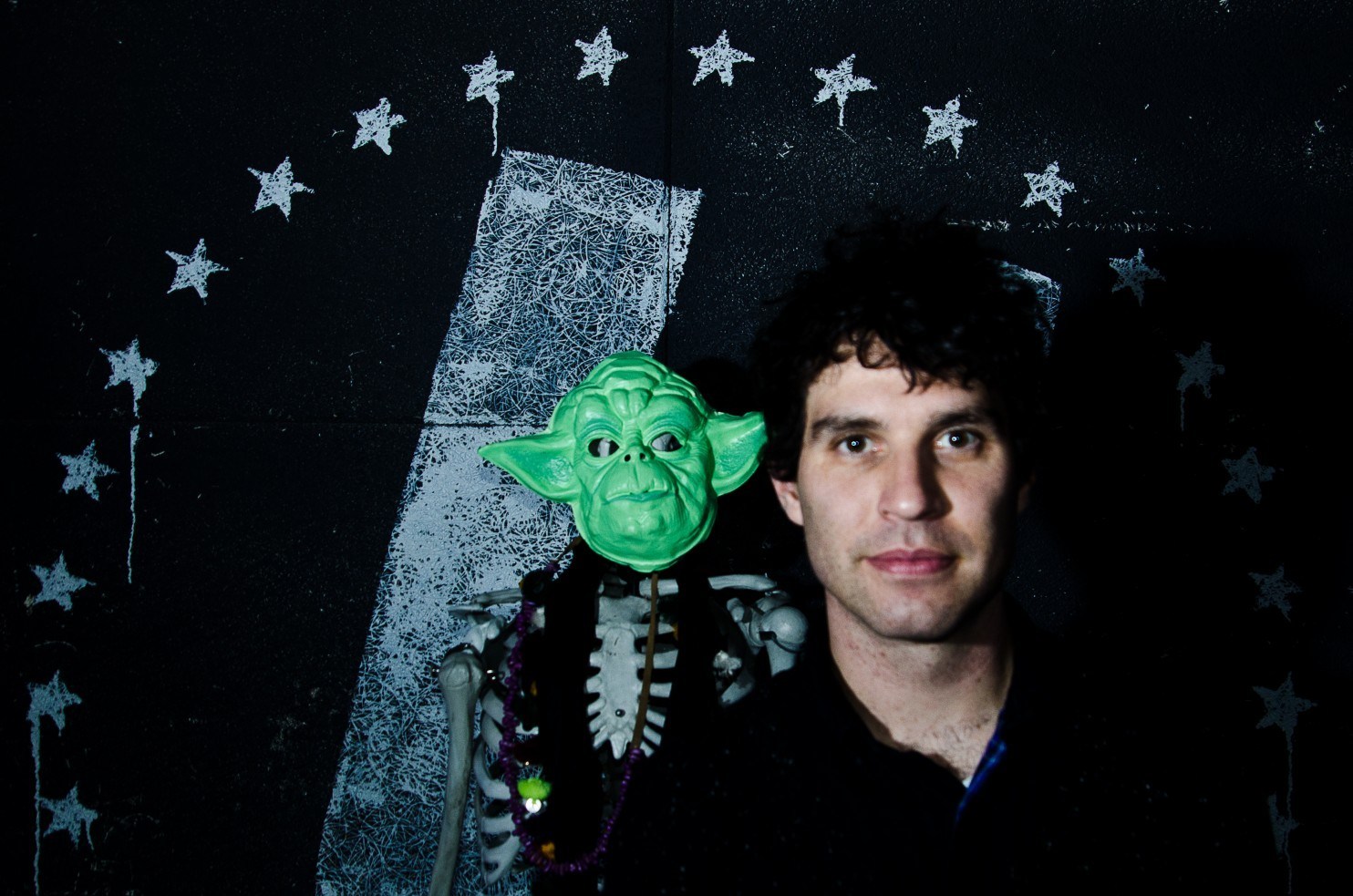
Avey Tare Net Worth Revealed: The Financial Journey of an Indie Icon
As of 2026, the estimated net worth of Avey Tare (David Michael Portner) is between $2 million and $4 million. This valuation is primarily derived from his extensive discography with Animal Collective, his solo recording career, consis...
As of 2026, the estimated net worth of Avey Tare (David Michael Portner) is between $2 million and $4 million. This valuation is primarily derived from his extensive discography with Animal Collective, his solo recording career, consistent global touring, and long-term intellectual property rights within the experimental and indie-rock genres.
Contents
The financial standing of an experimental musician like Avey Tare is a study in the "long tail" of the music industry. Unlike mainstream pop stars who rely on massive, short-lived hits, Portner has built a sustainable financial foundation through a dedicated cult following, high-value synchronization (sync) licenses, and a prolific output that spans over 25 years. Understanding his net worth requires a deep dive into the mechanics of the indie music business, the evolution of streaming royalties, and the specific revenue models utilized by the founding members of Animal Collective.
The Foundation of Wealth: Animal Collective’s Commercial Peak
Avey Tare’s primary source of wealth remains his role as a founding member and primary songwriter for Animal Collective. While the band has always prioritized experimentalism over commercial viability, they achieved significant financial milestones during the late 2000s and early 2010s.
The Merriweather Post Pavilion Effect
The release of Merriweather Post Pavilion in 2009 served as a financial turning point for Portner. As one of the most critically acclaimed albums of the decade, it moved the band from small clubs to headlining major festivals and mid-sized theaters globally. The royalties from tracks like "My Girls" and "Summertime Clothes" continue to generate significant passive income through streaming platforms.
By 2026, these tracks have accumulated hundreds of millions of plays across Spotify, Apple Music, and YouTube. For an independent artist signed to a reputable label like Domino Recording Company, the royalty splits are generally more favorable than those of major-label deals, allowing a larger percentage of revenue to reach the artists themselves.
Label Relationships and Distribution
Throughout his career, Portner has navigated various label structures. From the early days of Paw Tracks (the band’s own imprint) to their long-standing partnership with Domino, the financial strategy has centered on maintaining creative control while leveraging global distribution networks. Owning or having a significant stake in a label imprint like Paw Tracks allowed the band to capture a higher margin on physical sales (vinyl and CDs) during the height of the indie-rock boom.
Revenue Streams in the Modern Music Economy
In 2026, the traditional model of selling records has been largely replaced by a multi-faceted approach to monetization. Avey Tare’s net worth is supported by several distinct revenue pillars that go beyond simple album sales.
1. Touring and Live Performance
Live performances represent the largest portion of annual income for musicians of Portner's caliber. Animal Collective and Avey Tare solo projects maintain a consistent presence on the international touring circuit.
- Festival Guarantees: Headlining or high-billing slots at festivals like Coachella, Primavera Sound, and Pitchfork Music Festival can command fees ranging from $50,000 to $250,000 per appearance.
- Solo Tours: While solo tours have lower gross revenues than full-band tours, the overhead is significantly lower, allowing Portner to retain a higher percentage of the net profit.
- Merchandise: High-concept art and unique aesthetics associated with Avey Tare’s projects drive strong merchandise sales. In the indie world, "merch" often accounts for 20% to 30% of a tour’s net profit.
2. Synchronization and Licensing
"Sync" refers to the licensing of music for use in films, television shows, advertisements, and video games. Animal Collective’s music, with its evocative and textured soundscapes, is highly sought after by music supervisors.
- Film/TV Placements: Songs like "Leaf House" or "FloriDada" have appeared in various media formats. A single high-profile placement in a global advertising campaign or a major motion picture can earn an artist anywhere from $10,000 to over $100,000 in a one-time licensing fee, plus ongoing performance royalties.
- Documentaries and Indie Film: Portner’s solo work often appeals to the "art-house" film circuit, providing a steady stream of smaller but consistent licensing checks.
3. Digital Performance Royalties
Beyond standard streaming, services like SoundExchange collect performance royalties for non-interactive digital transmissions (such as SiriusXM or Pandora). For an artist with a deep catalog like Avey Tare, these "residual" checks provide a financial safety net that accumulates over decades.
Solo Ventures and Collaborations
Avey Tare’s solo career—encompassing albums like Down There, Eucalyptus, Cows on Hourglass Pond, and 7s—adds a distinct layer to his financial profile. These projects allow him to capitalize on his individual brand without the logistical costs associated with a four-piece band.
Collaborative Projects
Collaborations such as Avey Tare’s Slasher Flicks and Terrestrial Tones (with Eric Copeland of Black Dice) diversify his portfolio. These projects often target a more niche audience, but they contribute to a cumulative "catalog value" that is attractive to private equity firms or music publishing groups should he ever choose to sell his portion of the rights.
The Value of Intellectual Property
In the 2020s, the trend of artists selling their publishing catalogs has reached the indie sector. While there is no public record of Avey Tare selling his catalog, the estimated market value of his songwriting contributions to the Animal Collective discography is substantial. Independent music catalogs are currently valued at multiples of 10x to 15x their annual royalty earnings, making his "paper wealth" significantly higher than his liquid cash assets.
Financial Comparison: Avey Tare vs. Indie Peers
To provide context for Avey Tare’s net worth, it is helpful to compare his estimated standing with other prominent figures in the indie and experimental scene as of 2026.
| Artist | Estimated Net Worth (2026) | Primary Income Source | Genre Influence |
|---|---|---|---|
| Avey Tare | $2M - $4M | Animal Collective / Solo / Sync | Experimental Pop |
| Panda Bear | $3M - $5M | Solo Success / Animal Collective | Psych-Pop |
| Dan Deacon | $1M - $2M | Scoring / Live Performance | Electronic / Avant-Garde |
| Victoria Legrand | $3M - $6M | Beach House / Sync Licensing | Dream Pop |
| Kevin Parker | $15M - $25M | Tame Impala / Production / Pop Credits | Psych-Rock / Pop |
Note: Figures are estimated based on career longevity, chart performance, and known touring schedules. Kevin Parker represents the "crossover" tier, whereas Avey Tare represents the "prestige indie" tier.
The Economic Reality of Experimental Art
It is important to distinguish between "celebrity wealth" and "artistic sustainability." Avey Tare does not lead the lifestyle of a billionaire mogul; rather, he possesses the financial freedom of a successful, long-term creative professional.
Overhead and Expenses
The gross income of a musician is often misleading. Significant portions are diverted to:
- Management and Legal: 15% to 20% of gross earnings.
- Touring Logistics: Shipping equipment, travel, and crew salaries can consume 40% to 60% of tour revenue.
- Studio Costs: High-end recording environments like those used for Time Skiffs or Isn't It Now? require substantial upfront investment, though many indie artists now offset this with high-quality home-studio setups.
Longevity as an Asset
The primary reason Avey Tare’s net worth remains stable in 2026 is the "evergreen" nature of his work. Unlike artists who follow trends, Portner’s music is often described as "timeless" or "alien." This means his older albums do not suffer from the rapid depreciation seen in top-40 pop music. A 15-year-old Animal Collective track is as likely to be discovered by a new teenager today as it was in 2011, ensuring a perpetual flow of new listeners and streaming revenue.
Conclusion and Future Outlook
Avey Tare's net worth is a testament to the viability of the "independent icon" model. By maintaining control over his creative output and consistently engaging with a global audience, David Portner has secured a financial position that allows for continued experimentation without the pressure of commercial conformity.
As we look further into 2026 and beyond, the value of his catalog is likely to increase as "legacy indie" becomes a more established category for collectors and music historians. For fans and analysts, his financial story is a reminder that in the modern era, the most durable wealth often comes from the most unconventional sounds.
Frequently Asked Questions
What is Avey Tare's real name?
Avey Tare’s real name is David Michael Portner. He adopted the pseudonym "Avey Tare" by "tearing" the name "Davey" into two parts (Avey Tare), a reflection of the wordplay and deconstruction often found in his lyrics and music.
Does Avey Tare earn more from solo work or Animal Collective?
Historically, Animal Collective has been his primary revenue driver. The band's ability to headline large venues and secure major festival slots generates significantly more gross income than solo tours. However, solo work offers higher personal margins and builds his individual publishing portfolio.
How do streaming services impact his net worth?
While streaming pays notoriously low per-play rates, the cumulative volume of Animal Collective’s catalog—which includes over a dozen albums and numerous EPs—adds up to a substantial monthly payout. For established indie artists, streaming functions as a reliable "utility check" that covers basic operational costs.
Has Avey Tare ever sold his music catalog?
There is no public evidence that Avey Tare or the members of Animal Collective have sold their publishing or master rights as of 2026. The band has historically valued independence, often releasing music through their own imprints or curated label partnerships.
What is the most profitable Animal Collective album?
In terms of total revenue (sales, streams, and licensing), Merriweather Post Pavilion (2009) remains the most profitable. It achieved the highest chart positions and contains the band's most recognizable "hit" songs, which continue to dominate their sync licensing requests.
Image Gallery