Comprehensive Guide to Hair Patches for Alopecia: Solutions, Selection, and Maintenance in 2026
Hair patches for alopecia are specialized non-surgical hair replacement systems designed to conceal localized or widespread hair loss. These prosthetics consist of a breathable base material—typically lace or polyurethane—injected or k...
Hair patches for alopecia are specialized non-surgical hair replacement systems designed to conceal localized or widespread hair loss. These prosthetics consist of a breathable base material—typically lace or polyurethane—injected or knotted with natural human hair. They are bonded to the scalp using medical-grade adhesives, providing a seamless, high-density appearance that restores confidence for those with various forms of alopecia.
Contents
For individuals navigating the complexities of autoimmune-related hair loss, hair patches (often referred to as hair systems or units) have evolved significantly. In 2026, the technology behind these systems has reached a point where the distinction between biological hair and prosthetic units is virtually undetectable to the naked eye. This guide explores the technical specifications, application methods, and maintenance requirements necessary to manage alopecia through modern hair patches.
Understanding Alopecia and the Role of Hair Patches
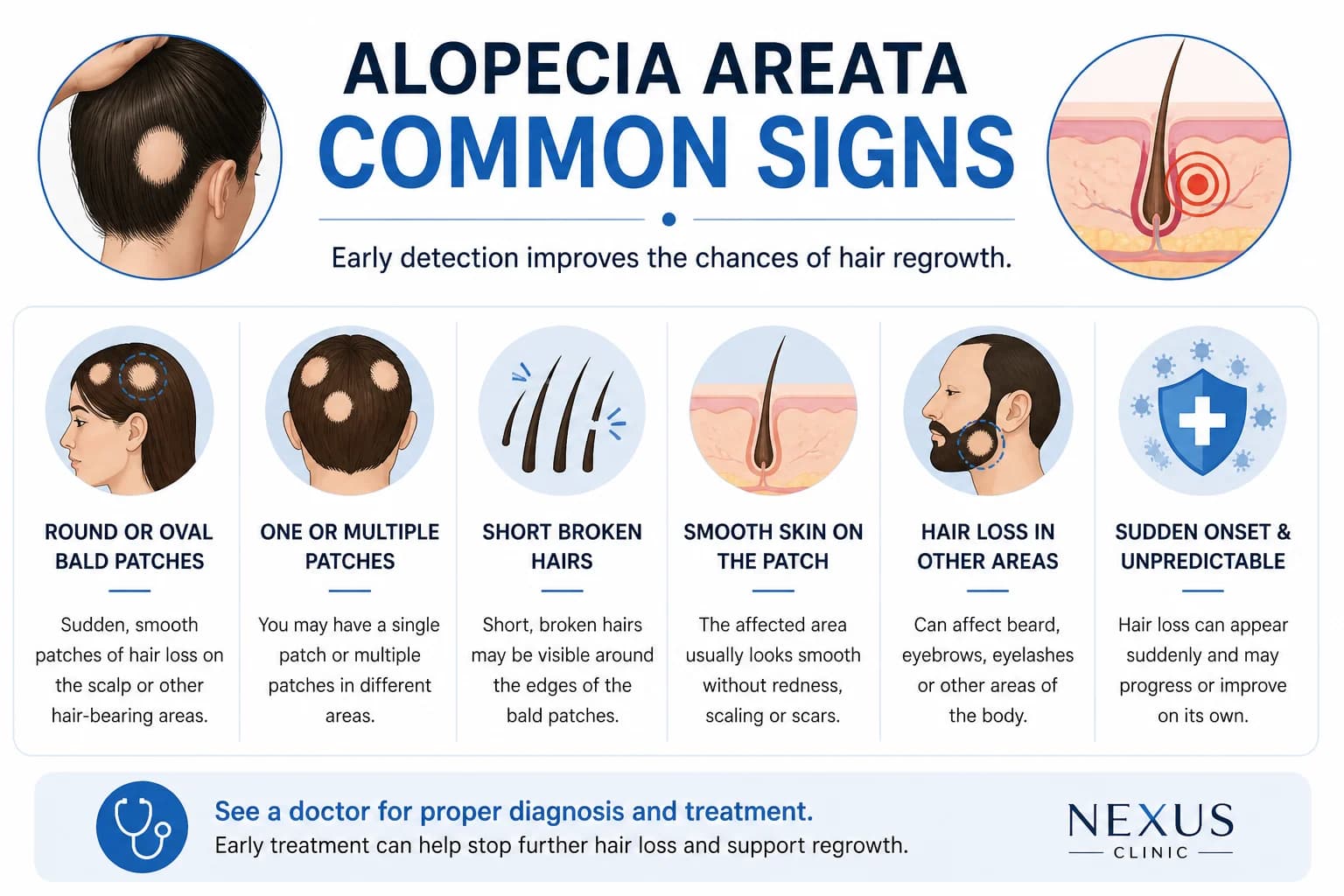
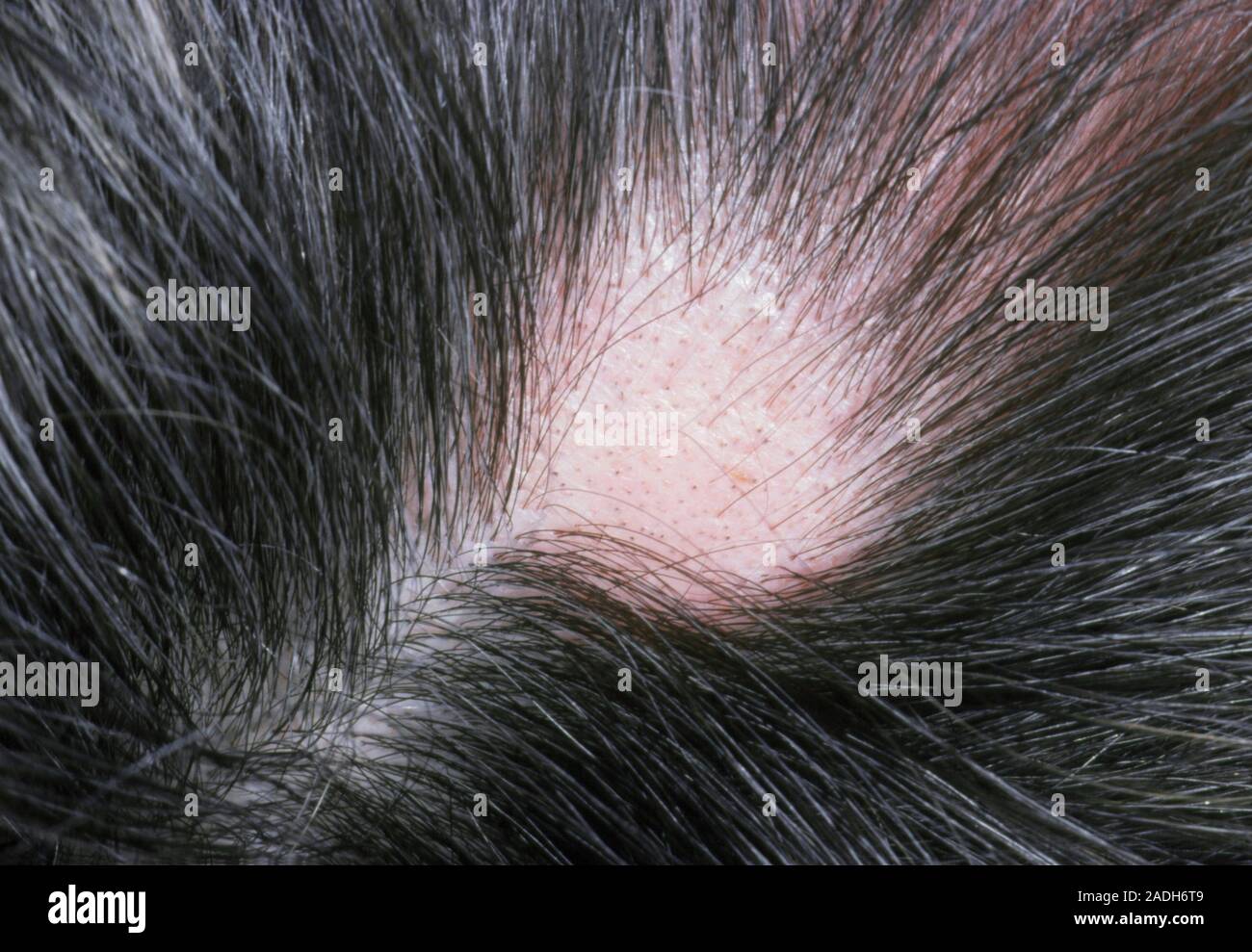
Alopecia is an umbrella term for various types of hair loss, ranging from the patchy loss of Alopecia Areata to the total scalp hair loss of Alopecia Totalis. Unlike traditional wigs, which cover the entire head and can be cumbersome, a hair patch is often a targeted solution. It is specifically shaped to fill in the voids left by the condition, integrating with existing hair or covering a completely smooth scalp.
Types of Alopecia Suited for Patch Systems
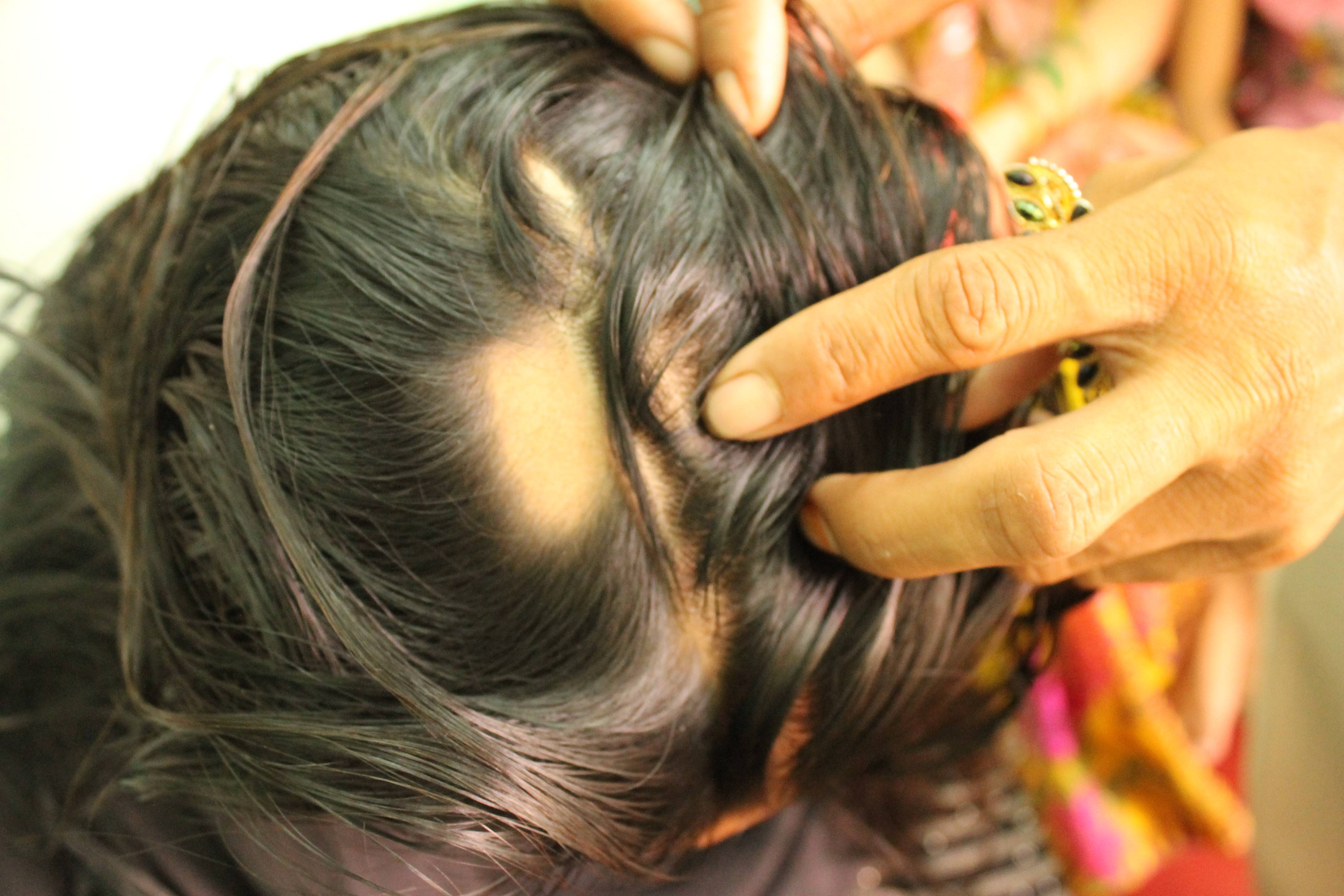
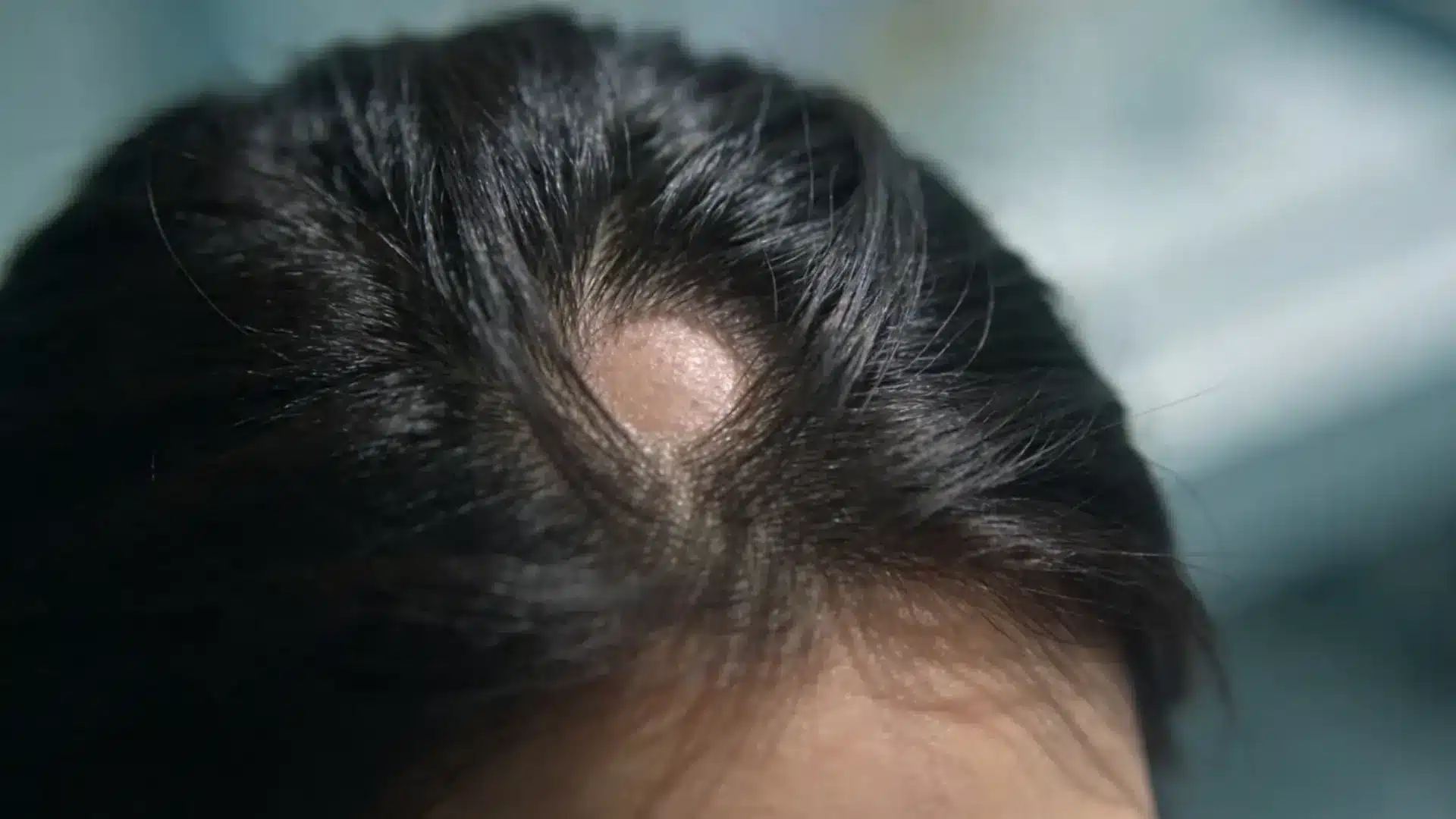
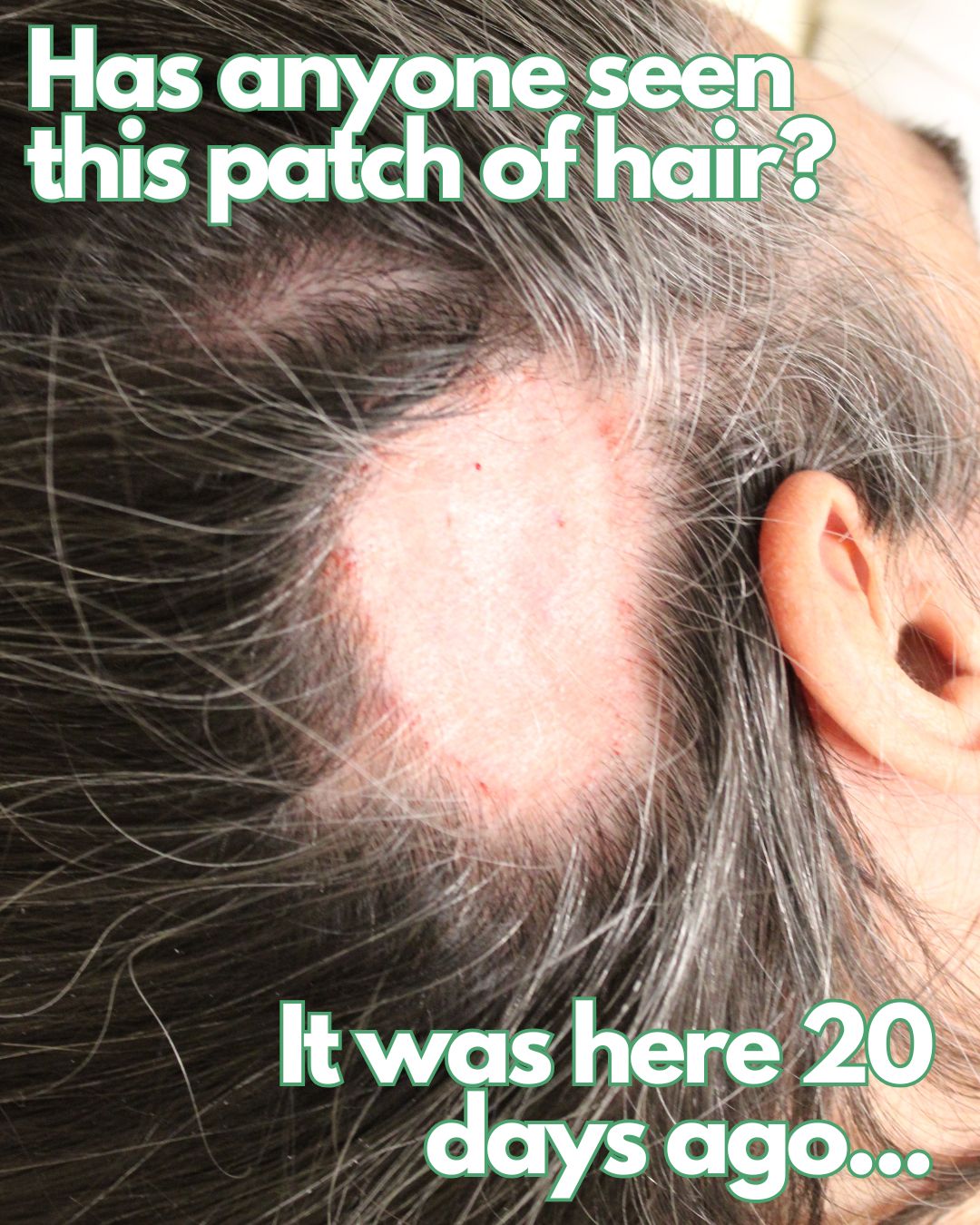
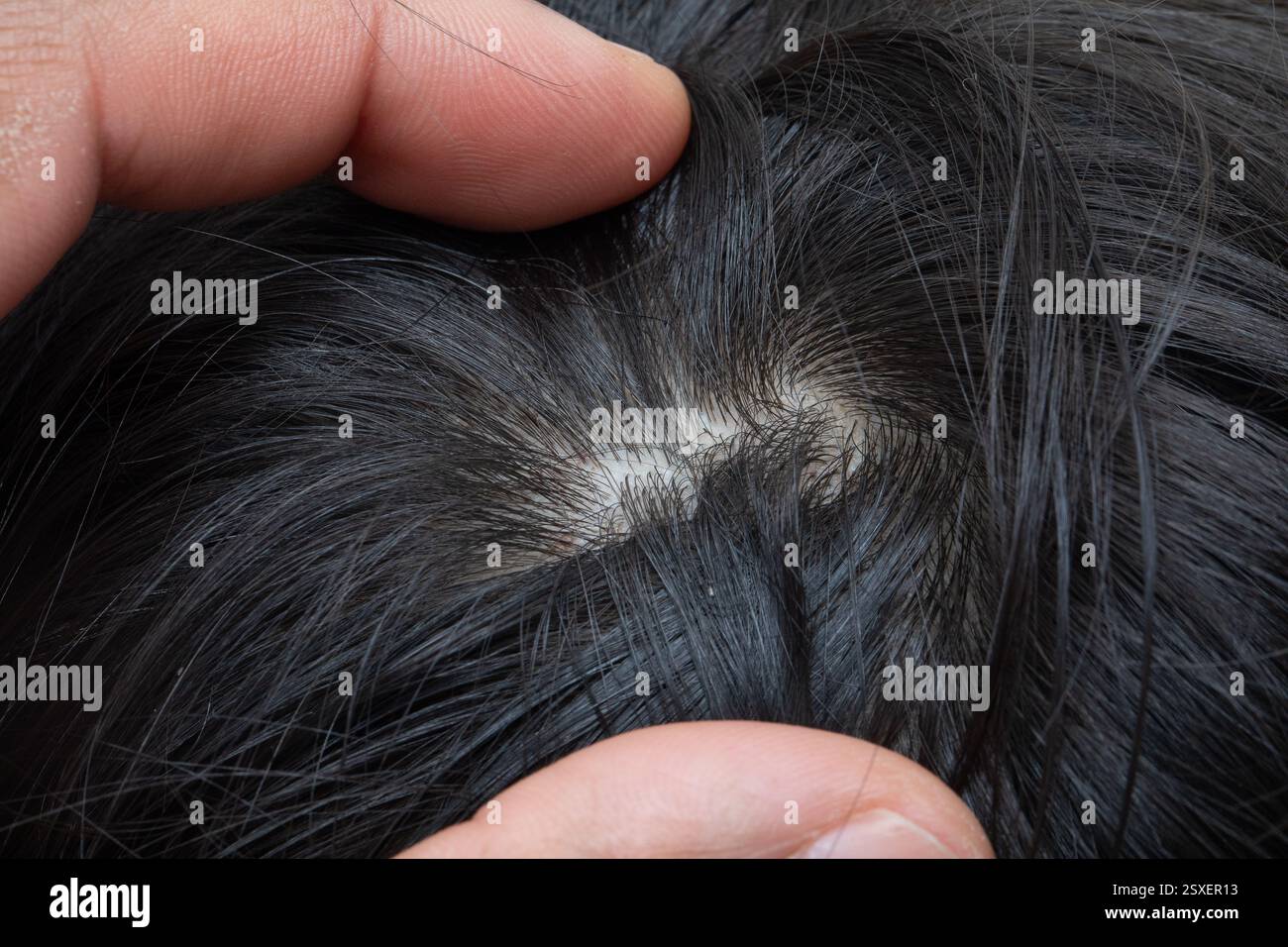
- Alopecia Areata: Characterized by small, circular patches. Small, custom-shaped "spot patches" are ideal here, as they do not require covering the healthy hair surrounding the site.
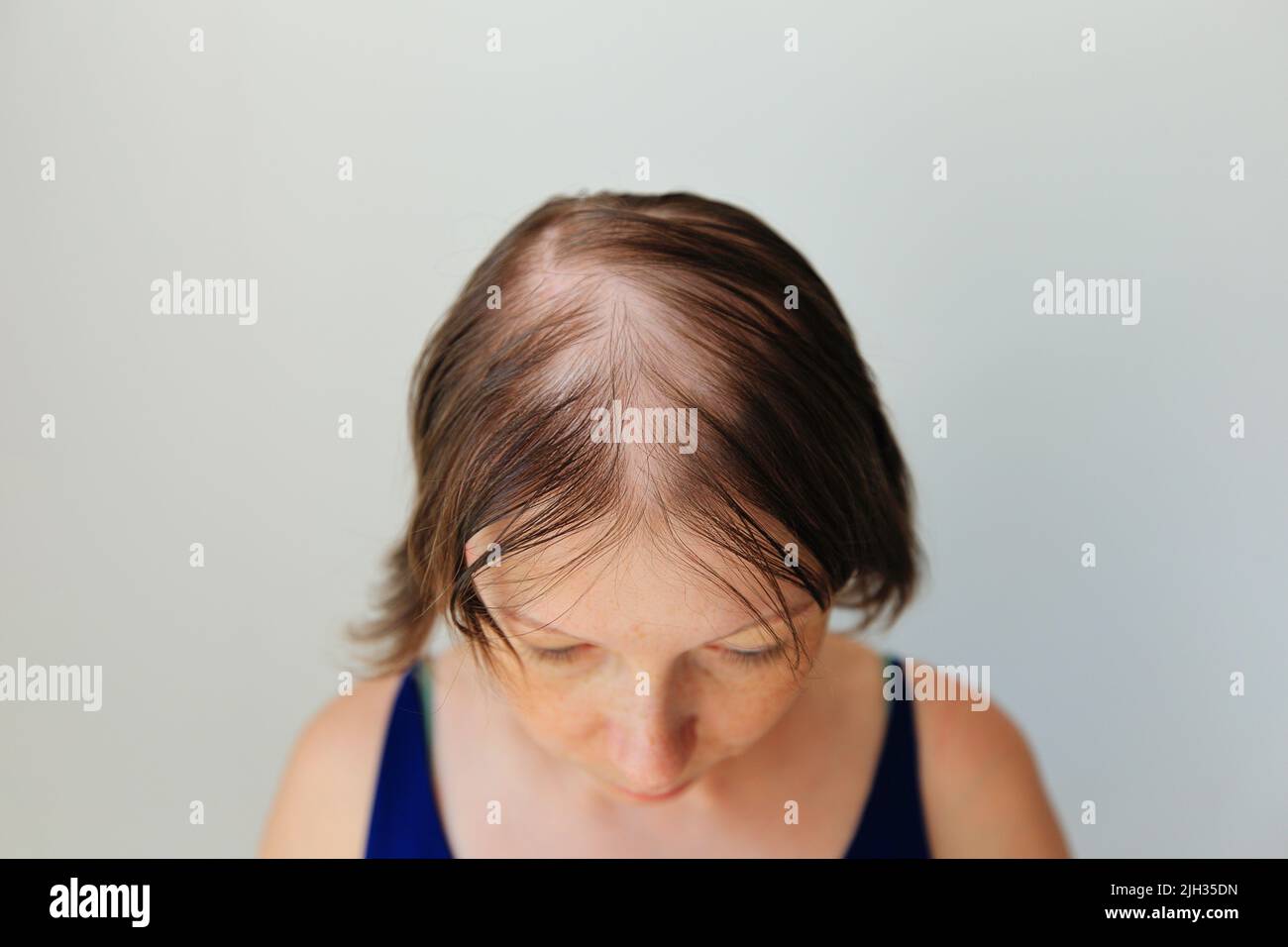
- Androgenetic Alopecia: Pattern baldness that usually affects the crown and hairline. Standard "topper" patches are most effective for this demographic.
- Traction Alopecia: Hair loss caused by tension. Patches can provide the necessary volume while the underlying follicles recover (if possible).
- Alopecia Totalis/Universalis: While these involve total loss, "full-head" patches (different from standard retail wigs due to their bonding method) offer a more permanent, lifestyle-integrated solution.
Medical-grade hair systems are increasingly recommended by dermatologists as a viable "cosmetic recovery" tool while patients undergo medical treatments like JAK inhibitors or corticosteroid injections. According to the National Alopecia Areata Foundation, the psychological impact of hair loss is profound, and aesthetic solutions play a critical role in patient well-being.
Technical Specifications of Modern Hair Patches
The efficacy of a hair patch depends on its construction. In 2026, the industry categorizes systems primarily by their base material, which dictates durability, breathability, and the realism of the hairline.
Base Materials: Lace, Poly, and Mono
- Lace Bases (French and Swiss): These are the most popular for those seeking a natural look. Swiss lace is thinner and more discreet but fragile, while French lace is slightly more durable. Both allow the scalp to breathe, making them ideal for active individuals or those living in warm climates.
- Polyurethane (Skin) Bases: Often referred to as "thin skin," these bases use a bio-compatible polymer that mimics the appearance of human skin. The hair is often "v-looped" or injected into the base without knots, creating the illusion that hair is growing directly out of the scalp. While highly realistic, they offer less breathability than lace.
- Monofilament (Mono) Bases: Constructed from a fine mesh of polyester or nylon, mono bases are incredibly durable and can hold higher hair densities. They are often used in the center of a patch for longevity, frequently combined with a lace front for a natural hairline.
Hair Quality and Sourcing
In 2026, high-end patches exclusively use Remy Human Hair. This means the hair cuticles are kept intact and aligned in the same direction, preventing tangling and maintaining a natural shine. Synthetic fibers are generally avoided for patches intended for daily wear, as they lack the movement and heat-styling versatility of human hair.
Comparison of Hair Patch Base Types
| Feature | Swiss/French Lace | Polyurethane (Skin) | Monofilament (Mono) |
|---|---|---|---|
| Realism | Excellent (Best hairline) | High (Best crown view) | Moderate |
| Breathability | Very High | Low | Moderate |
| Durability | 2–4 months | 1–3 months | 6–12 months |
| Attachment Method | Glue or Tape | Glue or Tape | Tape or Clips |
| Sensitivity | Best for sensitive skin | Can be warm | Sturdy, less flexible |
Attachment and Application Methods
The method used to secure a hair patch is just as important as the patch itself. For alopecia patients, the health of the underlying skin is paramount.
Medical-Grade Adhesives (Liquid Bonding)
Liquid adhesives are applied directly to the scalp or the base of the patch. In 2026, water-based acrylic polymers are the standard, as they are free from harsh solvents like toluene. Once the adhesive "flashes" (becomes tacky), the patch is pressed into place. This creates a bond that can last 2 to 4 weeks, allowing the wearer to shower, sleep, and exercise without removing the unit.
Pressure-Sensitive Tapes
Tapes are a popular alternative to liquid glues. They are easier to clean and offer a very strong hold. Tapes come in various "tack" levels; some are designed for daily removal, while others are "extended wear" (up to 4 weeks). For those with sensitive skin caused by alopecia, hypoallergenic medical tapes are the preferred choice to avoid contact dermatitis.
Clip-In Systems
If the user has sufficient healthy hair surrounding the alopecia patch, clips can be sewn into the underside of the patch. This allows for easy removal at night, which can extend the lifespan of the hair system. However, this is not an option for those with Alopecia Totalis or very thin surrounding hair, as the weight of the clips can cause further hair loss (traction alopecia).
The Customization Process: From Template to Style
Achieving a natural look requires a professional fitting process. This ensures the patch matches the unique contours of the individual's head and their specific hair characteristics.
- Template Creation: A professional stylist creates a mold of the thinning or bald area using plastic wrap and reinforced tape. This ensures the base of the patch fits the scalp perfectly without gaps.
- Color Matching: A sample of the patient's remaining hair (if any) is taken to match the color, including percentage of grey, highlights, and undertones.
- Density Selection: One of the most common mistakes is choosing a density that is too high. A realistic patch should match the density of a healthy head of hair relative to the user’s age.
- The Cut-In: Once the patch arrives, it comes with long, unstyled hair. The "cut-in" is the most critical step, where a specialist blends the prosthetic hair with the user's biological hair to create a seamless transition.
Maintenance and Longevity in 2026
A hair patch is not a "set it and forget it" solution. To maintain the realism and hygiene of the system, a strict maintenance schedule is required.
Daily Care
Users should use a specialized loop brush or a wide-tooth comb to prevent tension on the knots. Leave-in conditioners with UV protection are essential in 2026 to prevent the hair from oxidizing (turning a brassy red color) due to sun exposure.
Professional Re-servicing
Every 3 to 6 weeks, the patch must be removed, the scalp cleaned of adhesive residue, and the unit re-bonded. This is also the time when the user’s biological hair is trimmed. Failure to perform regular maintenance can lead to fungal infections or skin irritation under the base.
Longevity Factors
The lifespan of a hair patch depends on the base material. A "skin" unit might only last 6 weeks before the edges begin to tear or the hair sheds, whereas a mono-filament base can last up to a year with proper care. Budgeting for 3 to 4 units per year is standard for those using high-realism lace or thin skin systems.
Cost Analysis and Investment
The cost of hair patches for alopecia varies based on whether the unit is "stock" (pre-made) or "custom."
- Stock Units: These range from $300 to $600. They are faster to acquire but may require more trimming to fit the user's specific alopecia pattern.
- Custom Units: Prices range from $800 to $2,500 per unit. These are handcrafted to the exact dimensions of the user's scalp and offer the highest level of realism.
- Maintenance Costs: Professional salon services for cleaning and re-bonding typically cost between $75 and $150 per session.
For many, these costs are a significant consideration. It is worth noting that some health insurance providers in 2026 cover a portion of the cost of a "cranial prosthesis" if the hair loss is due to a medical condition like alopecia. Patients should consult their dermatologist for a formal diagnosis and prescription to aid in insurance claims.
Frequently Asked Questions
Can I swim or shower with a hair patch?
Yes. Modern medical adhesives are waterproof once fully cured (usually 24 hours after application). You can swim, shower, and engage in high-intensity sports. However, prolonged exposure to chlorine or salt water can dry out the hair, so it is recommended to rinse the patch with fresh water and apply a conditioner immediately after swimming.
Will the hair patch damage my scalp or remaining hair?
When applied and removed correctly by a professional, hair patches do not damage the scalp. It is crucial to use citrus-based or medical-grade adhesive removers to dissolve the bond before lifting the unit. Forcing the patch off can cause skin abrasions or damage existing hair follicles.
How do I choose the right density for my hair patch?
Density is measured as a percentage. For a natural look, most men choose between 80% (light) and 100% (light-to-medium). Women or younger users may opt for 120% to 130%. The key is to match the density of your hair on the sides and back to avoid a "wiggy" appearance.
Is the patch visible at the hairline?
With a Swiss lace or thin polyurethane base, the hairline is virtually invisible. Stylists often use "bleached knots" on lace bases, which removes the dark specks where the hair is tied to the lace, making it appear as though the hair is growing directly from your skin.
Does wearing a patch prevent new hair from growing?
No. Hair patches are non-invasive and do not sit inside the follicle. If your alopecia is in a remissive phase, biological hair can continue to grow underneath the patch. During your monthly re-servicing, this growth will simply be shaved down to ensure a flat surface for the next bond.
Final Recommendations for Alopecia Patients
Transitioning to a hair patch is a significant step in managing the aesthetic challenges of alopecia. To ensure the best results, start with a consultation at a specialized hair replacement clinic rather than attempting a DIY application for your first unit. A professional can help you determine your scalp sensitivity and match your hair texture accurately.
Once you are comfortable with the system, you may choose to perform your own "re-bonds" at home to save on maintenance costs. Always prioritize high-quality Remy hair and breathable base materials to ensure your scalp health remains a priority while you enjoy the confidence of a full head of hair.
Image Gallery