Understanding the Account Verification Number: A Guide to Secure Access in 2026
An account verification number is a unique, time-sensitive code used to confirm a user's identity during login, registration, or sensitive transactions. Typically delivered via SMS, email, or authenticator apps, this number acts as a s...
An account verification number is a unique, time-sensitive code used to confirm a user's identity during login, registration, or sensitive transactions. Typically delivered via SMS, email, or authenticator apps, this number acts as a secondary security layer—often called Two-Factor Authentication (2FA)—to ensure that only the authorized account holder can grant access.
Contents
The digital landscape of 2026 demands more than just a strong password. As cyber threats become more sophisticated, the "account verification number" has transitioned from a convenience to a mandatory requirement across banking, social media, and enterprise software. Whether you are receiving a six-digit code to log into your bank or using a verification string to link a third-party payment processor, understanding the mechanics, security implications, and troubleshooting steps for these numbers is essential for maintaining digital integrity.
The Dual Nature of Account Verification Numbers
While most users encounter account verification numbers as One-Time Passwords (OTPs), the term also applies to the financial sector's method of validating bank accounts. It is important to distinguish between these two primary applications:
- Identity Verification Codes (OTPs): These are short-lived numerical strings sent to a verified device to authorize a specific session.
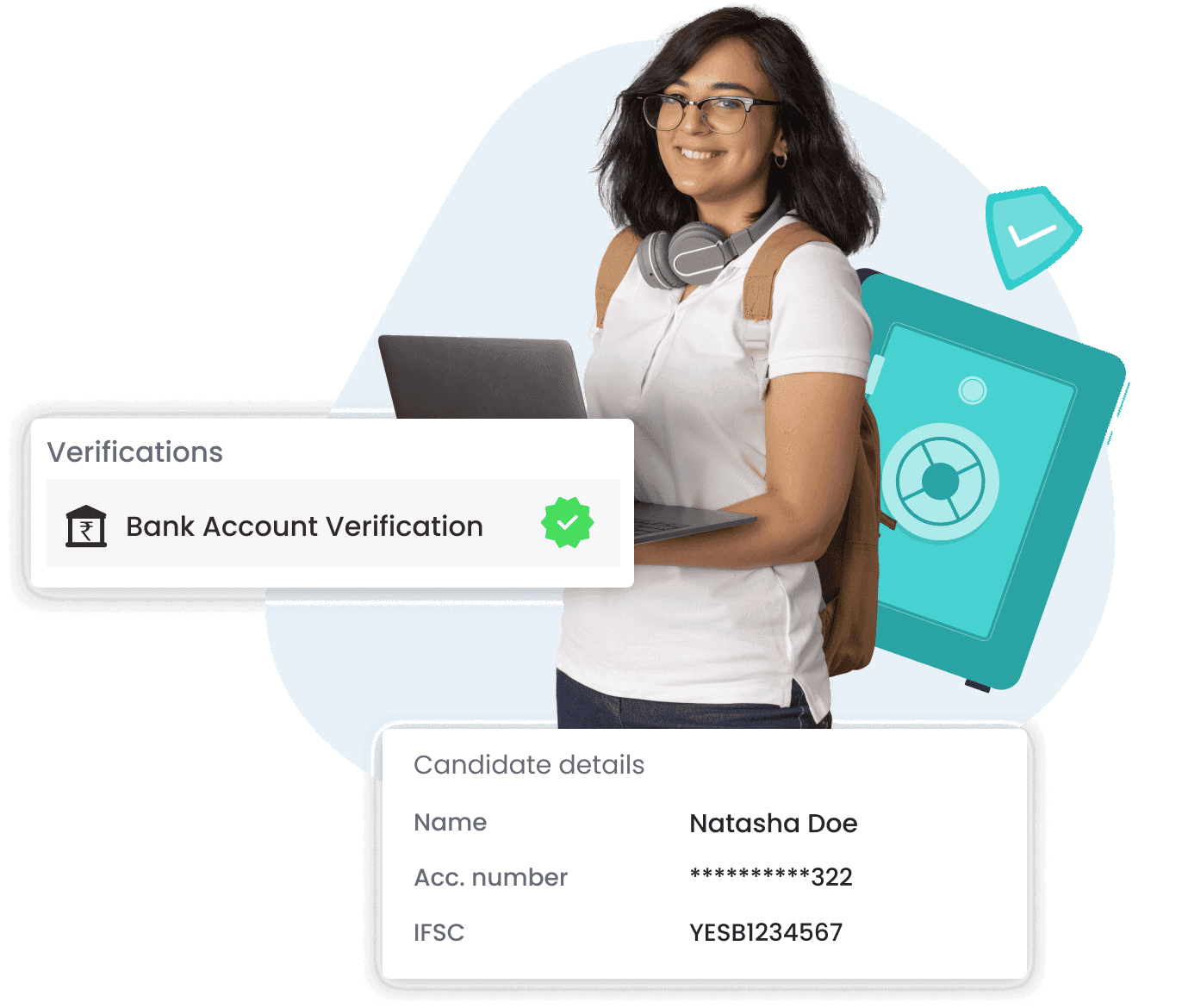
- Account Validation Credentials: In corporate banking or fintech integration, an "account verification number" may refer to the specific sequence used to validate the existence and ownership of a bank account, often involving micro-deposits or API-based verification services like Plaid or Stripe.
This guide focuses primarily on the identity verification aspect—the codes we use daily—while also addressing the technical requirements for verifying financial accounts in a professional context.
How Account Verification Numbers Work: The Technical Process
The generation and delivery of a verification number involve a rapid sequence of backend events designed to balance security with user experience. Understanding this flow helps in troubleshooting when a code fails to arrive.
1. The Trigger Event
The process begins when a user performs a "challengeable" action. In 2026, most platforms use risk-based authentication. If you log in from a new IP address, a different geographical location, or a new device, the system triggers the request for an account verification number.
2. Generation via CSPRNG
The server generates a code using a Cryptographically Secure Pseudo-Random Number Generator (CSPRNG). These are not simple random numbers; they are generated using algorithms that ensure the next number in the sequence cannot be predicted even if previous numbers are known. Most codes are six digits, providing one million possible combinations, which is sufficient for a code that expires in 3 to 10 minutes.
3. Transmission Channels
The system then dispatches the code through one of several channels:
- SMS Gateways: The most common but least secure method, where the code travels through cellular networks.
- SMTP/Email: Codes sent to a registered email address, often used as a fallback.
- TOTP (Time-based One-Time Password): Generated locally on the user's device via an app (like Google Authenticator or Microsoft Authenticator) using a shared secret key and the current time.
- Push Notifications: A more modern approach where the user simply taps "Approve" on a trusted device, which internally handles the verification number exchange.
The Evolution of 2FA in 2026: SMS vs. Authenticator Apps
As of 2026, the industry has seen a significant shift in how account verification numbers are perceived. While SMS-based verification remains popular due to its low barrier to entry, it is increasingly discouraged for high-security accounts.
The Vulnerability of SMS
SMS-based verification numbers are susceptible to SIM Swapping and SS7 Interception. In a SIM swap attack, a malicious actor convinces a telecom provider to port your phone number to a device they control. Once they have your number, they can intercept your account verification numbers and reset your passwords. According to cybersecurity benchmarks, SMS codes are also vulnerable to phishing sites that trick users into entering the code in real-time.
The Rise of TOTP and Hardware Keys
To combat these risks, many services now prioritize Time-based One-Time Passwords (TOTP). These numbers are generated every 30 seconds and never travel across a network, making them immune to interception. Furthermore, FIDO2 hardware keys (like YubiKeys) have become standard for enterprise environments, often replacing the numerical code with a cryptographic handshake that requires no manual typing at all.
Verifying Bank Accounts: Micro-Deposits and AVS
In the context of wealth management and business banking, "account verification" often refers to the process of linking two financial institutions. If you are asked for an account verification number in this scenario, it usually involves one of the following:
- Micro-Deposit Verification: The receiving institution sends two tiny amounts (e.g., $0.03 and $0.12) to your bank account. The "verification numbers" are the exact amounts deposited. You must log into your bank, find these transactions, and enter the values back into the initiating platform to prove ownership.
- Account Verification Service (AVS): Used primarily by credit card processors to match the numerical portion of a user's street address and zip code against the records held by the issuing bank.
- Instant Verification (OAuth): Modern portals use secure tokens to verify accounts instantly without the need for manual number entry, though a traditional OTP may still be required to authorize the initial link.
Comparison of Verification Methods
| Method | Security Level | Reliability | User Effort | Best For |
|---|---|---|---|---|
| SMS Code | Low | Medium | Low | General consumer accounts |
| Email Code | Medium-Low | High | Medium | Account recovery/Fallback |
| Authenticator App | High | High | Medium | Social media, Crypto, Cloud |
| Hardware Key | Very High | Very High | Low | Enterprise, Banking, Admin |
| Micro-Deposits | High | High | High | Linking bank accounts (ACH) |
Troubleshooting: Why You Are Not Receiving Your Code
It is a common frustration: you request an account verification number, but it never arrives. This delay can be caused by several technical bottlenecks.
1. Network Latency and SMS Gateways
SMS messages do not travel through the internet in the same way emails do. They rely on "aggregators" that bridge the gap between the internet and cellular networks. If an aggregator is experiencing high traffic or a gateway is down, the delivery of your verification number can be delayed significantly.
2. Spam Filters and "Short Code" Blocking
Many mobile carriers have aggressive spam filters that block "short codes" (the 5 or 6-digit numbers companies use to send automated texts). If you have previously blocked promotional texts, you may have accidentally blocked the service sending your verification number.
3. Time Synchronization Issues
If you are using an authenticator app and the generated number is being rejected, the most likely culprit is Time Drift. Because TOTP relies on the current time, if your phone's clock is off by even 30 seconds compared to the server, the account verification number will be invalid. Ensure your device is set to "Set Time Automatically" in the settings.
4. VOIP and Virtual Numbers
Most high-security platforms (especially banks and government portals) do not allow the use of VOIP numbers (like Google Voice) for account verification. These systems detect that the number is not tied to a physical SIM card and will refuse to send the code to prevent automated fraud.
Security Best Practices for Handling Verification Numbers
Managing your account verification numbers correctly is just as important as having a strong password.
- Never Share Your Code: This is the golden rule. No legitimate representative from a bank, tech company, or government agency will ever ask you to read your verification number to them over the phone or via chat. If someone asks for it, it is a social engineering attack.
- Use an App over SMS: Whenever possible, choose an authenticator app (TOTP) over SMS. It removes the risk of SIM swapping and works even when you don't have cellular service.
- Enable "Lock Screen" Privacy: Ensure that your phone does not show the content of incoming SMS messages on the lock screen. If your phone is stolen or seen by someone else, they could see your account verification number without needing to unlock the device.
- Keep Backup Codes Secure: When you set up 2FA, most platforms provide "Backup Codes." These are static account verification numbers to be used if you lose your phone. Store these in a physical safe or an encrypted password manager, not in a plain text file on your computer.
Frequently Asked Questions
What should I do if I receive a verification number I didn't request?
If you receive an unsolicited account verification number, it means someone has successfully entered your correct username and password and is now hitting the 2FA wall. Immediately change your password on that platform and any other site where you use the same credentials. Your 2FA protected you this time, but your password is compromised.
Can an account verification number expire?
Yes. To prevent brute-force attacks, most verification numbers are valid for a very short window, typically ranging from 30 seconds (for apps) to 10 minutes (for SMS/Email). If you enter a code after this window, it will be rejected, and you will need to request a new one.
Is it safe to use my primary phone number for verification?
While it is the standard practice, using a primary number does carry the risk of SIM swapping. For extremely sensitive accounts, consider using a dedicated security key or an authenticator app that is backed up to an encrypted cloud service.
Why do some sites call it a "Security Code" and others a "Verification Number"?
These terms are generally used interchangeably in consumer tech. "Verification Number" is more common in banking and formal registration, while "Security Code" or "OTP" is common in app-based logins. They both serve the same purpose: proving you have access to a trusted device.
How do I change the phone number associated with my verification codes?
You must log into the security settings of the specific account. Most platforms require you to verify your old number or use a backup code before they allow you to link a new account verification number. This prevents hackers from easily redirecting your security codes to their own phones.
Final Recommendation
For the highest level of security in 2026, transition your most important accounts (banking, primary email, and identity portals) away from SMS-based account verification numbers. Instead, utilize Authenticator Apps (TOTP) or Physical Security Keys. These methods provide superior protection against the most common modern threats like SIM swapping and remote interception. Always treat an account verification number as a private key; if you wouldn't give someone your physical house key, do not give them your digital verification code.
Image Gallery