The Profound Meaning of Unsung Hero in Thai Life Insurance Advertising
The "Unsung Hero" in Thai Life Insurance advertising refers to a person who performs selfless acts of kindness without seeking recognition, wealth, or fame. In the context of the iconic 2014 commercial, it symbolizes the brand's philos...
The "Unsung Hero" in Thai Life Insurance advertising refers to a person who performs selfless acts of kindness without seeking recognition, wealth, or fame. In the context of the iconic 2014 commercial, it symbolizes the brand's philosophy that life insurance is an invisible, quiet protector that provides value through the security and happiness of others rather than immediate personal gain.
Contents
Decoding the Concept of the Unsung Hero
To understand the meaning of the "Unsung Hero" in the context of Thai advertising, one must first look at the literal and figurative definitions of the term. An unsung hero is traditionally defined as someone who does great deeds but receives little or no credit. However, Thai Life Insurance (Thai Life) took this definition further by weaving it into a narrative of everyday altruism that mirrors the core function of an insurance policy.
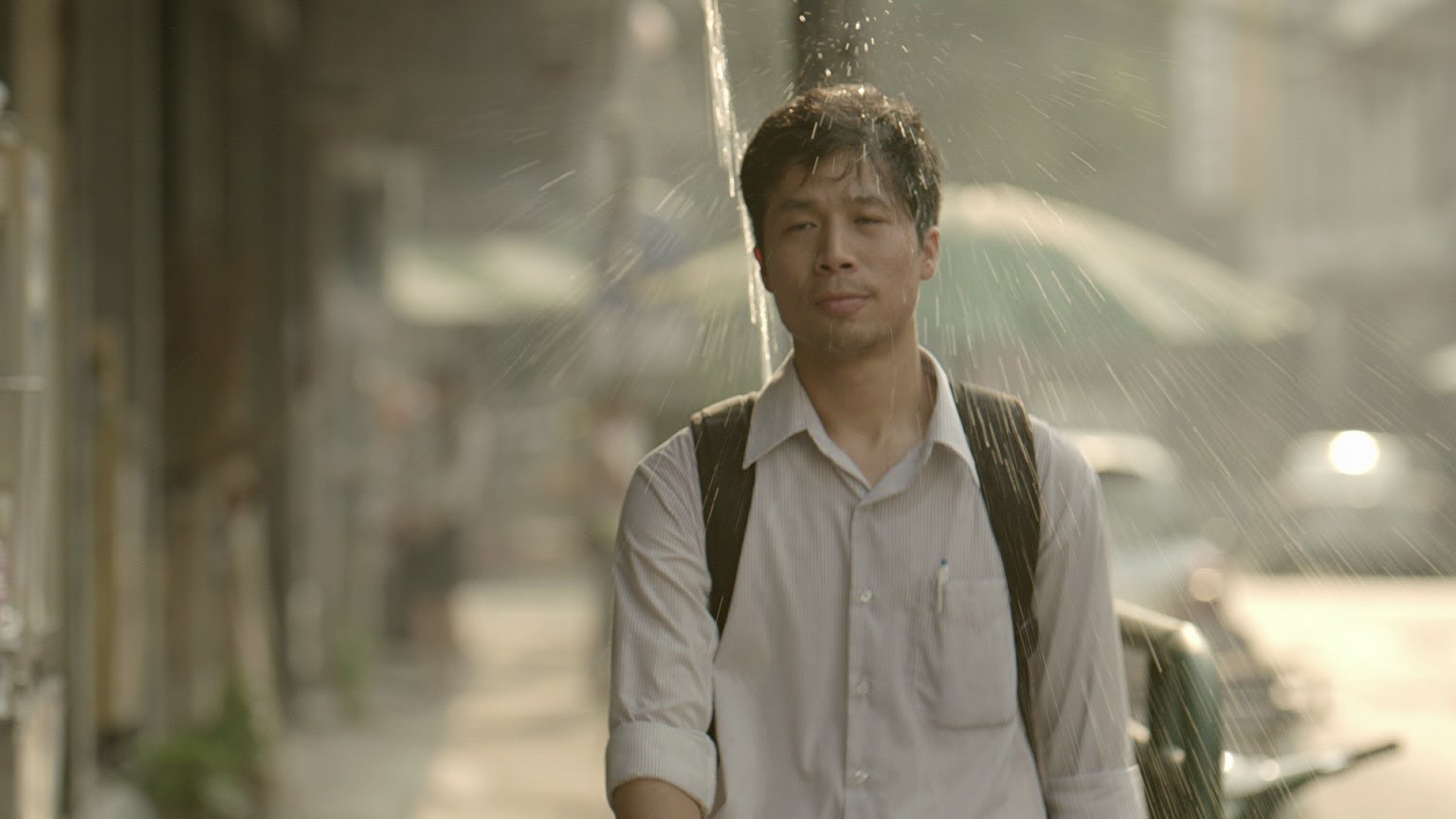
In the world of marketing, the "Unsung Hero" campaign is recognized as a masterpiece of "sadvertising" or emotional branding. It does not focus on the technical specifications of a policy, such as premiums, riders, or maturity values. Instead, it focuses on the emotional dividend of a life well-lived. In the advertisement, the protagonist—a young man—engages in repetitive, small acts of kindness: watering a dying plant, helping a street vendor push her cart, feeding a stray dog, and giving money to a beggar and her daughter.
From a strategic perspective, the "Unsung Hero" represents the insurance company itself. Just as the man in the ad provides support to those in need without demanding a spotlight, a life insurance policy remains in the background, often unnoticed, until the moment it is needed to provide for a family’s survival or a child’s education. This metaphor positions the brand as a humble guardian of human values rather than a mere financial institution.
Narrative Breakdown: The Architecture of Selflessness
The 2014 "Unsung Hero" commercial, directed by Thanonchai Sornsriwichai, follows a specific narrative arc that defines the "meaning" through action rather than dialogue. Each act performed by the protagonist serves as a layer of the broader definition.
The Acts of Kindness and Their Symbolic Weight
- The Dying Plant: By watering a plant under a leaky gutter every day, the hero demonstrates patience and the belief that even the smallest life deserves care. This symbolizes the long-term commitment required in life insurance.
- The Street Vendor: Helping an elderly woman push her heavy food cart through traffic illustrates physical support and empathy for the working class.
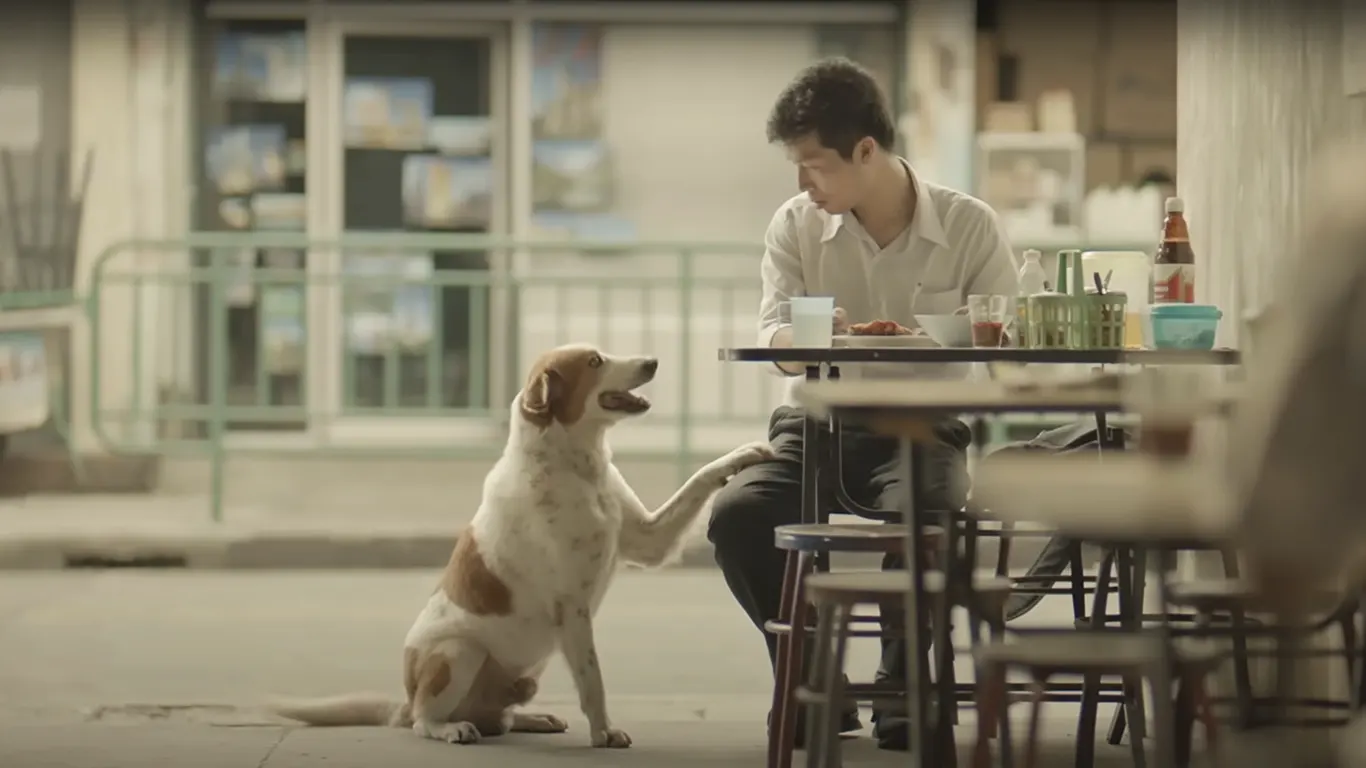
- The Stray Dog: Sharing his meal with a dog highlights a lack of prejudice in his kindness. He gives to those who cannot possibly repay him, which is the purest form of altruism.
- The Beggar and the Student: The most emotional arc involves a young girl begging for money to attend school. The hero gives a significant portion of his daily earnings to her. The "return on investment" is realized when he eventually sees the girl in a school uniform.
This narrative structure is designed to answer the cynical voices in the background of the ad who ask, "What does he get in return for doing all this?" The answer provided by the ad is not money or fame, but "witnessing happiness," "reaching a deeper understanding," and "feeling love." In 2026, this message remains a cornerstone of how brands attempt to connect with the "Generation Empathy" consumer base.
Why Thai Life Insurance Chose the "Unsung Hero" Persona
The choice of an unsung hero was a calculated departure from the fear-based marketing that dominated the insurance industry for decades. Historically, insurance ads focused on accidents, death, and the financial ruin that follows. Thai Life Insurance shifted this paradigm by focusing on the "Value of Life."
Shifting from Fear-Based to Value-Based Advertising
By 2026, the industry has largely adopted this value-based approach, but in the early 2010s, it was revolutionary. The "Unsung Hero" does not fear death; he embraces the beauty of life. This aligns with the Thai concept of "Mae Nam Jai" (generosity of heart). The meaning of the ad is rooted in the idea that while we cannot live forever, the good we do—and the financial safety nets we leave behind—can create a lasting legacy.
The campaign was designed to build brand equity through emotional resonance. By associating the brand with the image of a selfless young man, Thai Life Insurance transformed itself from a cold financial entity into a compassionate partner. The "Unsung Hero" is not just the man in the ad; it is the father who buys a policy for his children, or the mother who ensures her family is protected, all while expecting nothing in return during her own lifetime.
Cultural Nuances: The Influence of "Making Merit"
The meaning of "Unsung Hero" in these ads is deeply tethered to Thai Buddhist culture, specifically the concept of Tam Boon (making merit). In Thai society, doing good deeds is believed to bring spiritual rewards, even if those rewards are not material or immediate.
The ad captures the essence of "doing good behind the Buddha's back" (Pid Thong Lang Phra). This Thai proverb refers to the act of applying gold leaf to the back of a Buddha statue, where no one will see it, signifying that true goodness does not require an audience. The "Unsung Hero" embodies this proverb perfectly. In 2026, as global cultures become more interconnected, this specific Thai cultural value has been identified by sociologists as a "universal emotional language" that explains why the ad went viral in over 100 countries.
Comparing Marketing Approaches: Emotional vs. Functional
To understand the specific impact of the "Unsung Hero" style, it is helpful to compare it against traditional insurance marketing frameworks.
| Feature | Traditional Insurance Advertising | Thai Life "Unsung Hero" Style |
|---|---|---|
| Primary Driver | Fear of loss or financial instability | Inspiration and the "Value of Life" |
| Call to Action | "Buy now to protect your assets" | "Believe in Good" |
| Protagonist | An insurance agent or a victim | An everyday person (The Unsung Hero) |
| Visual Tone | Professional, clinical, or alarming | Cinematic, emotional, and warm |
| Brand Role | The problem-solver | The silent supporter/facilitator |
| Measurement of Success | Immediate policy inquiries | Brand affinity and long-term loyalty |
The Global Impact and Viral Legacy
The meaning of the "Unsung Hero" ad extends beyond the borders of Thailand. Upon its release, it became one of the most-watched commercials in the world, garnering tens of millions of views on YouTube within weeks. It challenged the global advertising community to rethink how "boring" products like insurance could be marketed.
In 2026, marketing experts still cite the "Unsung Hero" as a primary example of narrative transportation, a psychological phenomenon where the audience becomes so engrossed in a story that they lose track of the fact that they are being sold a product. The "meaning" of the ad is found in the tears of the viewers, which serves as a powerful bridge between a corporate entity and a human soul. This commercial proved that a brand could achieve global reach by being hyper-local and culturally authentic.
Philosophical Core: "Believe in Good"
The tagline "Believe in Good" is the anchor for the entire "Unsung Hero" concept. It suggests that despite the cynicism and hardships of the world, goodness exists and is worth pursuing. For an insurance company, this is a strategic masterstroke. Insurance is, at its heart, a business built on trust and the "goodness" of a contract.
The ad posits that the "Unsung Hero" receives something more valuable than money:
- Emotions: He feels the joy of the girl he helped.
- Legacy: He sees the plant thrive and the dog follow him.
- Purpose: He finds meaning in his daily routine.
In the context of life insurance, these elements represent the "peace of mind" that customers purchase. You are not just buying a payout; you are buying the belief that your "goodness" (providing for your family) will continue even when you are no longer there to see it.
Common Misconceptions About the "Unsung Hero" Ad
While the ad is widely praised, there are common misconceptions regarding its meaning and intent:
- It’s just "Sadvertising": Many believe the ad is designed only to make people cry. In reality, the goal is "upliftment." The tears are a byproduct of the emotional release when the hero sees the girl in her school uniform.
- It ignores the product: Critics sometimes argue that the ad doesn't explain what the insurance does. However, in modern branding, the feeling associated with the brand is often more important than the features of the product, especially in a saturated market like life insurance.
- It’s unrealistic: While the hero’s actions are idealized, the "Unsung Hero" isn't meant to be a literal blueprint for life, but rather a symbolic representation of a brand's soul.
FAQs
What is the main message of the Thai Life Insurance "Unsung Hero" ad?
The main message is that true happiness comes from selfless giving and that "doing good" is its own reward. It aligns the brand with the values of compassion and silent protection, suggesting that life insurance is a way to ensure that your "goodness" continues to support others even in your absence.
Who directed the "Unsung Hero" commercial?
The commercial was directed by Thanonchai Sornsriwichai, a world-renowned director from the production house Phenomena. He is famous for his ability to blend humor, deep emotion, and social commentary in Thai advertisements.
Is the "Unsung Hero" ad based on a true story?
While the specific narrative is a scripted commercial, it is inspired by the collective cultural values of Thailand and real-life instances of everyday altruism. The characters are meant to represent common people found in Thai society.
Why do Thai insurance ads make people cry?
They use a technique called emotional branding to create a deep psychological connection with the audience. By telling stories that tap into universal human experiences—such as family love, sacrifice, and kindness—they make the brand more memorable and trustworthy than through traditional hard-sell tactics.
What is the significance of the "dog" in the ad?
The stray dog represents an "unconditional" recipient of kindness. Because a dog cannot offer financial or social status to the hero, his act of feeding it proves his kindness is genuine and not transactional. This mirrors the "unseen" benefits of insurance.
Final Recommendation
When analyzing or attempting to replicate the success of the "Unsung Hero" campaign in 2026, it is vital to focus on authenticity. The meaning of the "Unsung Hero" is not found in the production budget, but in the sincerity of the storytelling. For brands, the lesson is clear: to be remembered, you must stop talking about yourself and start talking about the values that make life worth living for your customers. If you are looking to apply these principles, begin by identifying the "quiet protectors" within your own organization or customer base and tell their stories with humility rather than fanfare.
Image Gallery