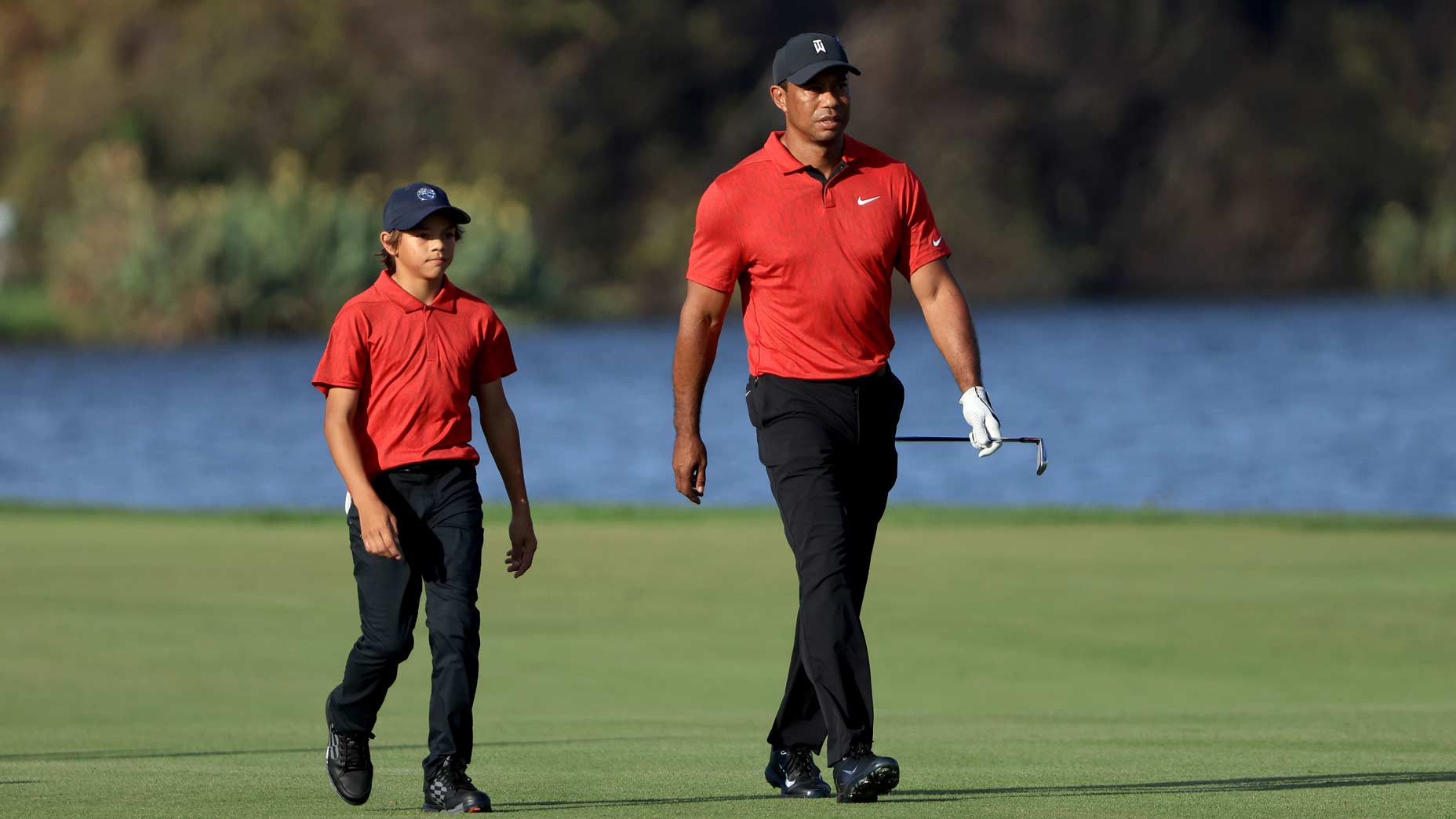
The Physical Evolution of Tiger Woods: A Study of the Body in Professional Sport
Tiger Woods redefined the relationship between the human body and golf by introducing elite athleticism to a sport previously characterized by low-impact activity. His career illustrates a cycle of groundbreaking physical dominance, ca...
Tiger Woods redefined the relationship between the human body and golf by introducing elite athleticism to a sport previously characterized by low-impact activity. His career illustrates a cycle of groundbreaking physical dominance, catastrophic injury, and surgical reconstruction. In 2026, his body serves as a living archive of the high-torque modern swing and the limits of medical recovery in professional athletics.
Contents
The Paradigm Shift: Golfers as Elite Athletes
Before Tiger Woods debuted professionally in 1996, the prototypical golfer’s physique was rarely equated with that of an Olympic sprinter or an NFL wide receiver. Woods fundamentally altered this perception. Influenced by his father’s military background, Tiger approached golf with a regimen focused on cardiovascular endurance, explosive strength, and flexibility.
During the early 2000s, Woods’ physical transformation was stark. He moved from the lean, wiry frame of his Stanford years to a highly muscular, "bulked" physique. This was not merely for aesthetics; it was a functional requirement for his high-velocity swing. By generating unprecedented clubhead speed through core rotation and leg drive, he forced the rest of the professional field to adopt similar fitness standards. This "Tiger Effect" led to the integration of kinesiologists, physiotherapists, and strength coaches into the standard support team for every PGA Tour professional.
However, this transition to an "athlete first" model came with significant biomechanical costs. The sheer force required to maintain his power output placed immense stress on his joints, particularly his left knee and lower back, setting the stage for decades of physical attrition.
Biomechanics and the Cost of the "Tiger Swing"
The mechanics that made Woods the most dominant player in history were also the primary drivers of his physical decline. His swing relied on a violent "snap" of the left knee to provide a stable post for rotation. This move created massive torque, but it also subjected the anterior cruciate ligament (ACL) and meniscus to repetitive trauma.
Furthermore, his swing featured a significant "dip" and aggressive rotation in the lumbar spine. In the pursuit of distance, Woods utilized a vertical thrust that exerted several times his body weight in force through his lower vertebrae. By his mid-30s, the repetitive nature of this motion—estimated at tens of thousands of full-effort swings—began to degrade the intervertebral discs.
The Breakdown of the Lumbar Spine
The most significant hurdle for the Tiger Woods body in sport has been the deterioration of the L4-L5 and L5-S1 spinal segments. These discs act as shock absorbers between the vertebrae. In Woods' case, the high-torque rotation led to repeated herniations, causing nerve impingement (sciatica) and debilitating pain that eventually made walking difficult, let alone swinging a golf club.
A Chronological History of Major Injuries and Surgeries
To understand the current state of Woods’ body in 2026, one must examine the cumulative history of his medical interventions. Each surgery was a localized fix that often shifted the mechanical burden to other parts of his kinetic chain.
| Year | Body Part Affected | Procedure/Injury Detail | Impact on Career |
|---|---|---|---|
| 2002 | Left Knee | Benign cyst removal and fluid drainage | Short-term recovery; won multiple times post-op. |
| 2008 | Left Knee | ACL reconstruction (cadaver ligament) | Followed his legendary U.S. Open win on a broken leg. |
| 2014 | Lower Back | First Microdiscectomy | Beginning of the chronic back era; missed the Masters. |
| 2017 | Lower Back | ALIF (Anterior Lumbar Interbody Fusion) | The "Miracle" surgery that allowed his 2019 Masters win. |
| 2021 | Right Leg/Ankle | Open fractures of tibia/fibula (Car accident) | Major reconstructive surgery with rods, screws, and pins. |
| 2023 | Right Ankle | Subtalar Fusion | Addressed post-traumatic arthritis; significantly limited mobility. |
The Reconstruction: Living with a Fused Body
As of 2026, Tiger Woods’ physical profile is defined by "fusion." He essentially operates with a rigid lower spine and a rigid right ankle. While fusion surgeries are highly effective at eliminating pain caused by bone-on-bone friction, they do so at the expense of mobility.
Spinal Fusion (ALIF)
The 2017 Anterior Lumbar Interbody Fusion was a turning point. By approaching the spine through the abdomen, surgeons were able to fuse the L5 and S1 vertebrae. This removed the source of his nerve pain but essentially turned two moving parts into one solid block. In sport, this requires the athlete to compensate by rotating more through the hips and the thoracic spine (upper back). For Woods, this compensation has worked remarkably well, though it remains a constant point of management to prevent the "adjacent segment disease" where the discs above the fusion begin to fail.
The Right Leg and Subtalar Fusion
The 2021 car accident introduced a new set of variables. The trauma to his right leg was so severe that amputation was reportedly considered. The subsequent subtalar fusion in 2023 was designed to alleviate the arthritis that developed in his ankle following the reconstruction. For a golfer, the right ankle is critical for the "loading" phase of the backswing and the weight transfer in the transition. With limited mobility in that joint, Woods has had to adapt his footwork, often relying on specialized footwear with increased lateral support and cushioning.
The Sport Science Legacy: How Tiger Changed Golf Fitness
The impact of Woods' body on the sport extends far beyond his own health. He validated the use of sports science in golf. Today’s players utilize:
- 3D Motion Capture: Analyzing swing efficiency to minimize joint stress—a direct response to the "injury-prone" high-torque era Woods initiated.
- Periodization: Training cycles that peak for Major Championships, a concept Woods borrowed from Olympic athletics.
- Ground Reaction Force Analysis: Understanding how the feet interact with the ground to create power without over-relying on the lower back.
The modern "power game" on the PGA Tour is a double-edged sword. While players are hitting the ball further than ever, the rate of wrist, back, and hip injuries among players in their 20s has risen. Woods serves as both the blueprint for success and a cautionary tale regarding the longevity of a high-intensity athletic body in a rotational sport.
Managing the "Old" Body in 2026
In 2026, Woods is 50 years old, a milestone that makes him eligible for the PGA Tour Champions. However, his physical reality dictates a very specific competitive schedule. His body is no longer capable of the "grind" required for 25 events a year. Instead, his approach is one of "calculated participation."
His preparation for a tournament now involves hours of physical therapy both before and after a round. The focus has shifted from building muscle to maintaining joint space and managing inflammation. In the cooler temperatures of early spring or the damp conditions of an Open Championship, the hardware in his leg and the fusion in his back become significant hurdles. The "Tiger Woods body" in 2026 is a masterpiece of modern orthopedic surgery, kept functional through a disciplined adherence to medical protocols and a profound understanding of his own physical limitations.
Frequently Asked Questions
How does Tiger Woods’ spinal fusion affect his golf swing today?
The fusion at L5-S1 limits the rotation of his lower back. To maintain clubhead speed, Woods has had to increase his shoulder turn and thoracic mobility. While he can still generate high speeds, the lack of lumbar flexibility means he cannot practice for long periods without significant recovery time.
Why did he have a subtalar fusion in his ankle?
Following the 2021 car accident, the joints in his right ankle developed severe post-traumatic arthritis. This caused intense pain during the walking required on a golf course. The fusion joined the talus and calcaneus bones, eliminating the painful movement but making his gait more rigid.
Can Tiger Woods play a full PGA Tour schedule in 2026?
No. His medical team and Woods himself have indicated that his body is limited to a "limited engagement" schedule. He focuses primarily on the four Major Championships and high-profile events where the walking conditions are manageable.
Has Tiger's training changed since his 2021 accident?
Significantly. His previous focus on heavy lifting and high-impact running has been replaced by swimming, low-impact resistance training, and extensive manual therapy. The goal in 2026 is stability and inflammation management rather than explosive power.
What is the long-term outlook for Woods' physical health?
While his surgeries have allowed him to return to sport, the long-term concern is the stress placed on the joints adjacent to his fusions. Maintaining core strength is vital to protecting the rest of his spine, and he will likely require lifelong physical therapy to maintain basic mobility.
Practical Recommendation for Aspiring Athletes
For those inspired by the "Tiger Woods body" and his approach to sport, the primary lesson is the importance of balanced biomechanics. While Woods achieved unparalleled success, his injuries highlight the danger of repetitive high-torque motions. Modern athletes should prioritize "functional longevity" by combining strength training with mobility work and avoiding swing patterns that place excessive "snap" or "shear" force on the knees and lumbar spine. Consult with a Titleist Performance Institute (TPI) certified professional to ensure your physical training supports your specific swing mechanics without causing long-term damage.
Image Gallery