Understanding the True Cost of Solar Panel Installation in Seattle
For a standard residential solar energy system in Seattle, installation costs typically range from $15,000 to $25,000 before applying federal tax incentives. Factors influencing this total include the physical layout of your roof, the...
For a standard residential solar energy system in Seattle, installation costs typically range from $15,000 to $25,000 before applying federal tax incentives. Factors influencing this total include the physical layout of your roof, the specific wattage of the photovoltaic (PV) panels selected, current labor rates in King County, and the complexity of the necessary electrical panel upgrades to support grid interconnection.
Contents
Navigating the Economics of Solar in the Pacific Northwest
Many homeowners in Seattle express concern that the city’s reputation for frequent cloud cover renders solar energy impractical. However, the economics of solar panel installation in Seattle are driven more by electricity rate structures and government incentives than by total annual sunlight hours. Solar photovoltaic systems are highly efficient at capturing diffuse light, meaning they generate meaningful electricity even on overcast days.
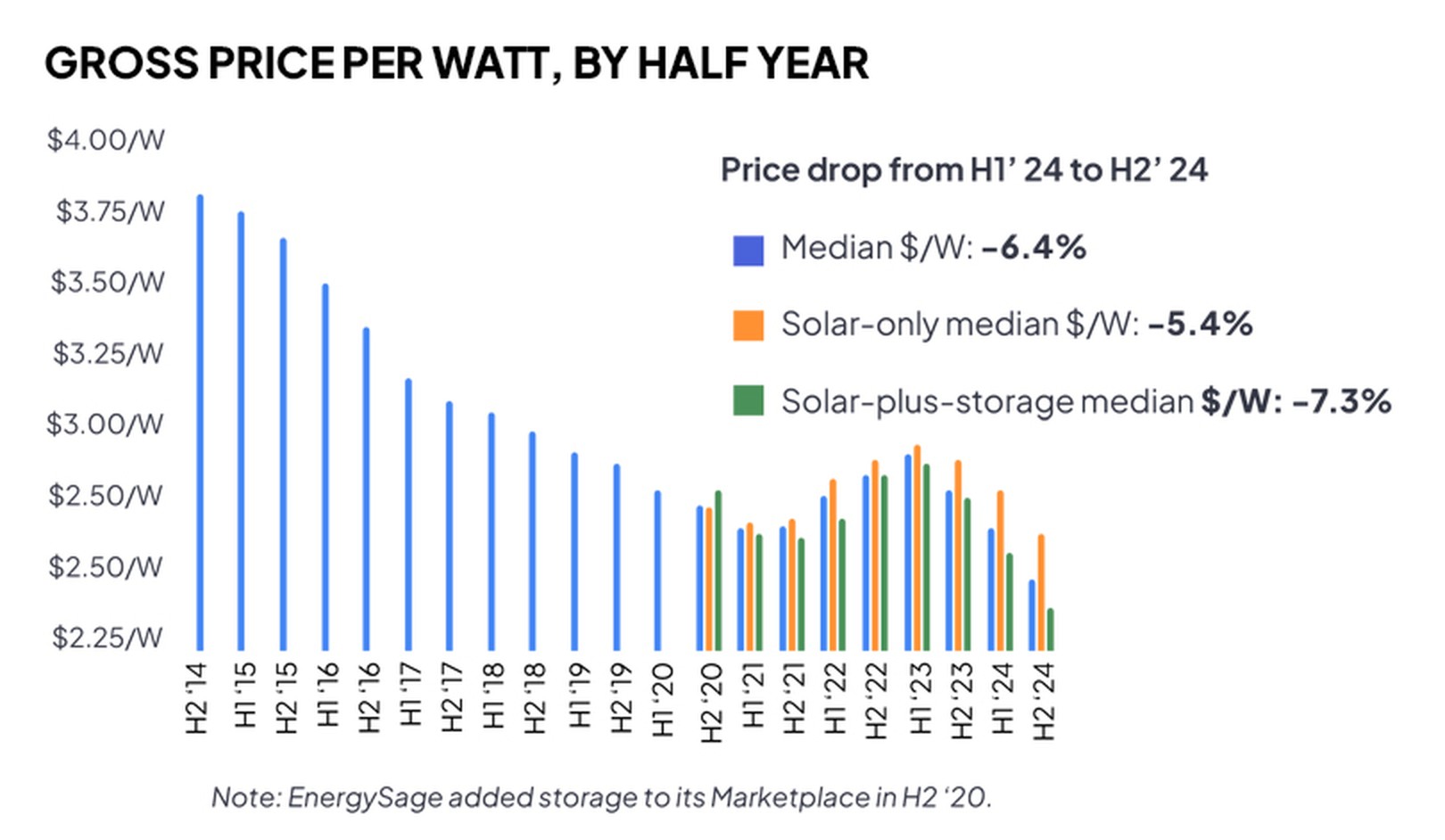
When calculating the cost of installation, you are essentially purchasing a long-term hedge against rising utility costs. The price you pay today covers equipment—which has seen consistent price stabilization over the last several years—permitting fees specific to the City of Seattle’s Department of Construction and Inspections (SDCI), and the specialized labor required for professional installation.
Components of Your Total Investment
To understand the quote provided by an installer, it is essential to break down the cost into four primary categories. Each of these components represents a variable that can shift your final out-of-pocket expense.
1. Hardware and Equipment
The hardware includes the solar panels, the racking system that secures them to your roof, and the inverter. In 2026, the industry standard has moved toward high-efficiency monocrystalline panels. While premium panels carry a higher price point, they provide better performance in lower-light conditions, which is a vital consideration for Seattle’s climate.
2. Permitting and Administrative Fees
Seattle has specific requirements for residential renewable energy systems. You must account for electrical permits and the administrative costs associated with Seattle City Light’s interconnection process. These fees ensure your system meets local safety and building codes, including fire setbacks for rooftop access.
3. Labor and Installation Expertise
Installation requires licensed electricians and specialized roof installers. Because Seattle labor markets remain competitive, installation wages represent a significant portion of the total cost. Avoid choosing the lowest bidder; improper roof sealing or faulty electrical wiring can lead to long-term maintenance costs that far exceed the initial savings.
4. Electrical System Upgrades
If your home’s main service panel is older, it may require an upgrade to handle the two-way energy flow of a grid-tied solar system. If your panel requires a "derate" or a full replacement to accommodate the new solar circuit, this will add a significant line item to your initial estimate.
Cost Comparison Table
The following table provides an estimated breakdown for a standard 8kW residential system in the Seattle area. Note that these figures are estimates for 2026 and represent gross costs before tax credits.
| Cost Component | Estimated Percentage | Typical Price Range |
|---|---|---|
| Solar Panels | 35% | $5,250 – $8,750 |
| Inverters & Balance of System | 20% | $3,000 – $5,000 |
| Labor & Installation | 30% | $4,500 – $7,500 |
| Permitting & Inspections | 15% | $2,250 – $3,750 |
Data reflects market averages in King County for 2026.
Leveraging Financial Incentives
The primary mechanism to reduce the cost of solar installation in the United States remains the Federal Residential Clean Energy Credit. As of 2026, this credit allows homeowners to deduct a percentage of their total system cost directly from their federal income tax liability. Because this is a credit rather than a deduction, it provides a dollar-for-dollar reduction in the taxes you owe.
In addition to federal incentives, local utility programs through Seattle City Light can impact your financial outlook. While some historic local production incentives have expired, the long-term benefit of "net metering" remains the most important financial feature. Net metering allows you to send excess energy produced by your panels back to the grid, spinning your meter backward and effectively using the utility grid as a battery storage system.
Critical Considerations Before Installation
Before signing a contract, you must evaluate the physical readiness of your property. Solar installers will conduct a site survey to assess the "Solar Access" of your roof. Factors that inhibit performance include:
- Tree Shading: Large trees that cast shadows on your roof throughout the day can significantly reduce system efficiency.
- Roof Age and Condition: If your roof is nearing the end of its life, it is highly recommended to replace the roofing material before installing solar panels. Removing and reinstalling panels to fix a leaky roof is a costly endeavor.
- Roof Orientation: In the Northern Hemisphere, south-facing roofs generally provide the highest energy yield. However, east-west arrays are increasingly common in Seattle and can provide a more consistent energy production profile throughout the day.
Avoiding Common Pitfalls
The solar industry can be high-pressure, and homeowners should be wary of aggressive sales tactics. Avoid companies that promise "free solar," as there is no such thing. Every system requires capital investment or financing. Always demand a detailed, line-item quote that explicitly lists the equipment models, the warranty terms, and a production estimate based on your specific roof angle and local historical solar irradiance data.
Ensure that your installer is a licensed electrical contractor in the state of Washington. You can verify their license status through the Washington State Department of Labor & Industries. Proper licensure is not just a regulatory requirement; it is your primary protection against subpar workmanship.
Frequently Asked Questions
Do solar panels still work during Seattle winters? Yes. While electricity production is lower in the winter months due to shorter days and increased cloud cover, solar panels operate based on light, not heat. They continue to produce electricity during the winter, and cold temperatures actually improve the efficiency of the silicon cells themselves.
How long does it take for solar panels to pay for themselves? The payback period depends on your current electricity rates and your household energy consumption. In Seattle, the average "break-even" point typically ranges from 8 to 12 years. After this period, the electricity generated by your system is essentially free.
What happens to my solar panels if there is a power outage? In a standard grid-tied system, your solar panels will shut down during a power outage for safety reasons. This prevents energy from flowing back into the grid while utility workers are performing repairs. If you require power during an outage, you must install a battery backup system, which increases the total installation cost.
Does installing solar panels increase my property taxes? In Washington state, there are property tax exemptions for residential solar systems. This means the added value of the solar energy system is generally excluded from your property tax assessment, though you should verify current local ordinances with the King County Assessor’s office to confirm the latest status.
How long is the typical warranty for solar panels? Most high-quality solar panels come with a 25-year performance warranty. This guarantee ensures that the panels will produce a specific percentage of their rated power output even after two and a half decades of exposure to the elements.
Next Steps for Homeowners
If you are considering solar, your first objective should be to track your annual kilowatt-hour (kWh) usage by reviewing your last 12 months of utility bills from Seattle City Light. Once you know your annual consumption, request quotes from at least three local installers. Ask each provider to provide a customized solar production estimate tailored to your roof’s slope and shading profile. Comparing these proposals will give you a clear baseline for what a high-quality, professional installation will cost for your specific property.
Image Gallery