Will an Octopus Bite You? Understanding Cephalopod Behavior and Safety
Yes, an octopus can bite you, though it is an exceptionally rare occurrence that typically only happens if the animal is provoked, feels threatened, or is being handled improperly. While octopuses possess a beak capable of delivering a...
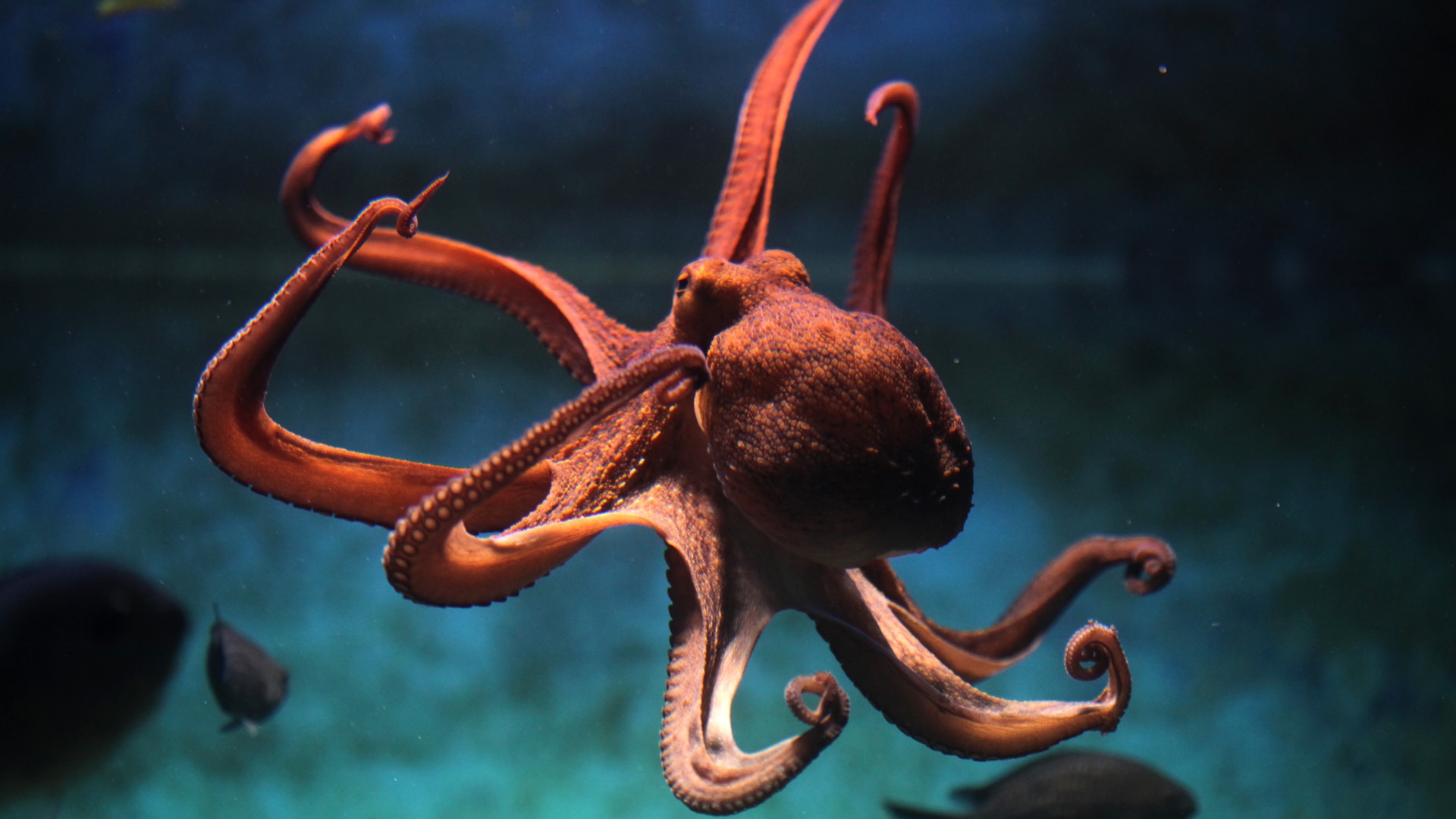
Yes, an octopus can bite you, though it is an exceptionally rare occurrence that typically only happens if the animal is provoked, feels threatened, or is being handled improperly. While octopuses possess a beak capable of delivering a bite, they are inherently shy, intelligent creatures that prefer to flee from human interaction rather than engage in defensive aggression. Understanding their anatomy and behavioral triggers is key to safely observing these fascinating marine cephalopods in their natural habitat.
Contents
The Anatomy of an Octopus Bite
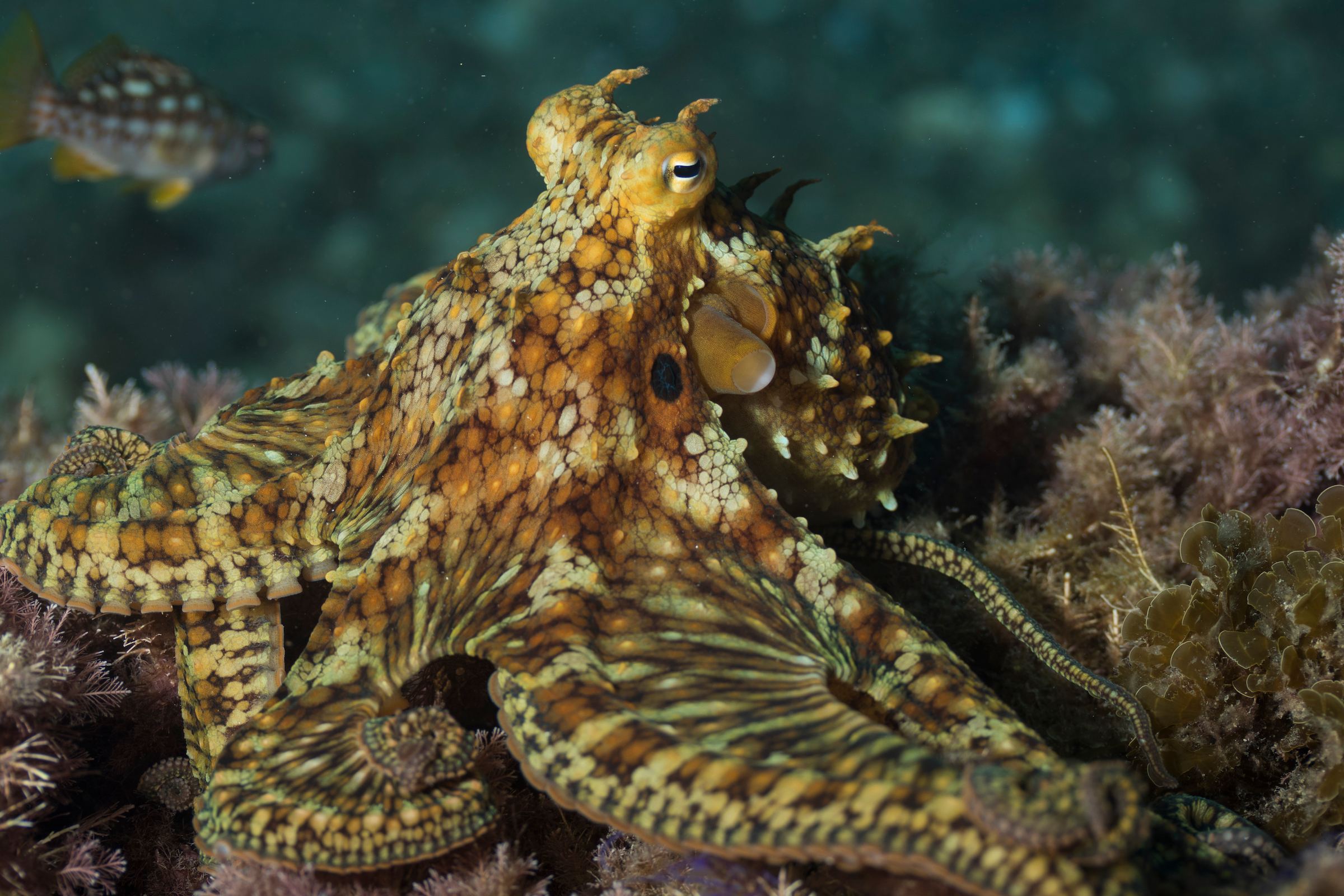
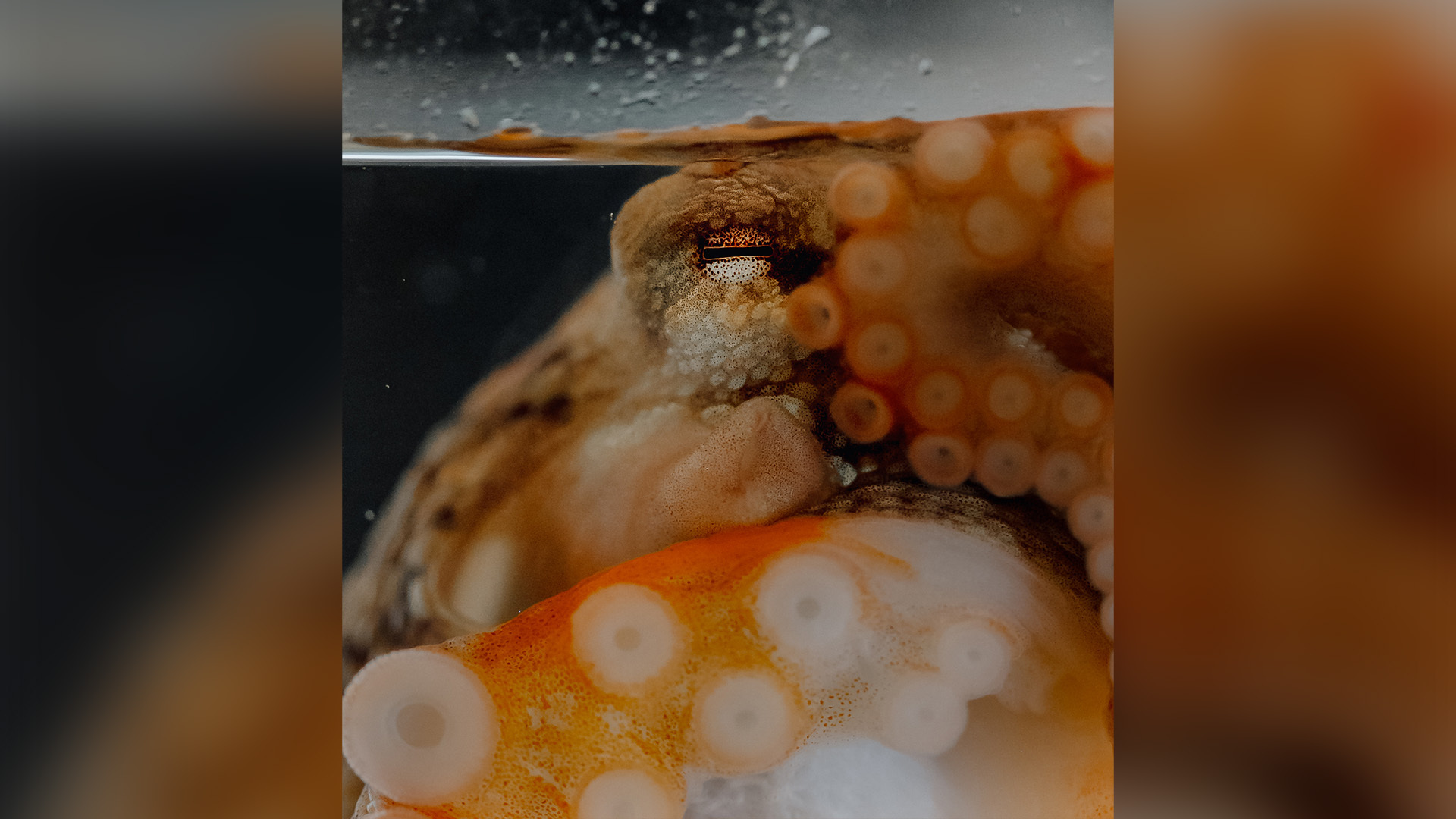
To understand the mechanics of an octopus bite, one must look at the creature’s anatomy. An octopus does not have teeth in the traditional mammalian sense. Instead, it possesses a hard, chitinous structure called a beak, which resembles a parrot's beak. This structure is located at the center of the underside of the animal, tucked between the bases of its arms at the buccal mass.
The primary function of this beak is to break through the shells of prey, such as crabs, mollusks, and bivalves. Because the octopus must often drill or pry open armor-plated food sources, the beak is strong and sharp. When an octopus bites, it typically uses this beak to pierce the skin. However, the physical bite is often secondary to the chemical delivery system. Many octopus species possess venom glands that secrete saliva containing neurotoxins, which they use to immobilize their prey. While these toxins are highly effective against small crustaceans, their impact on humans varies significantly by species.
Is an Octopus Bite Dangerous to Humans?
The danger posed by an octopus bite depends almost entirely on the species involved. The vast majority of octopuses are harmless to humans, and a bite—if it were to occur—would likely feel similar to a sharp pinch or a deep scratch. In such instances, the risk is not the venom, but rather the potential for a secondary bacterial infection at the site of the wound, a common risk with any puncture wound sustained in a marine environment.
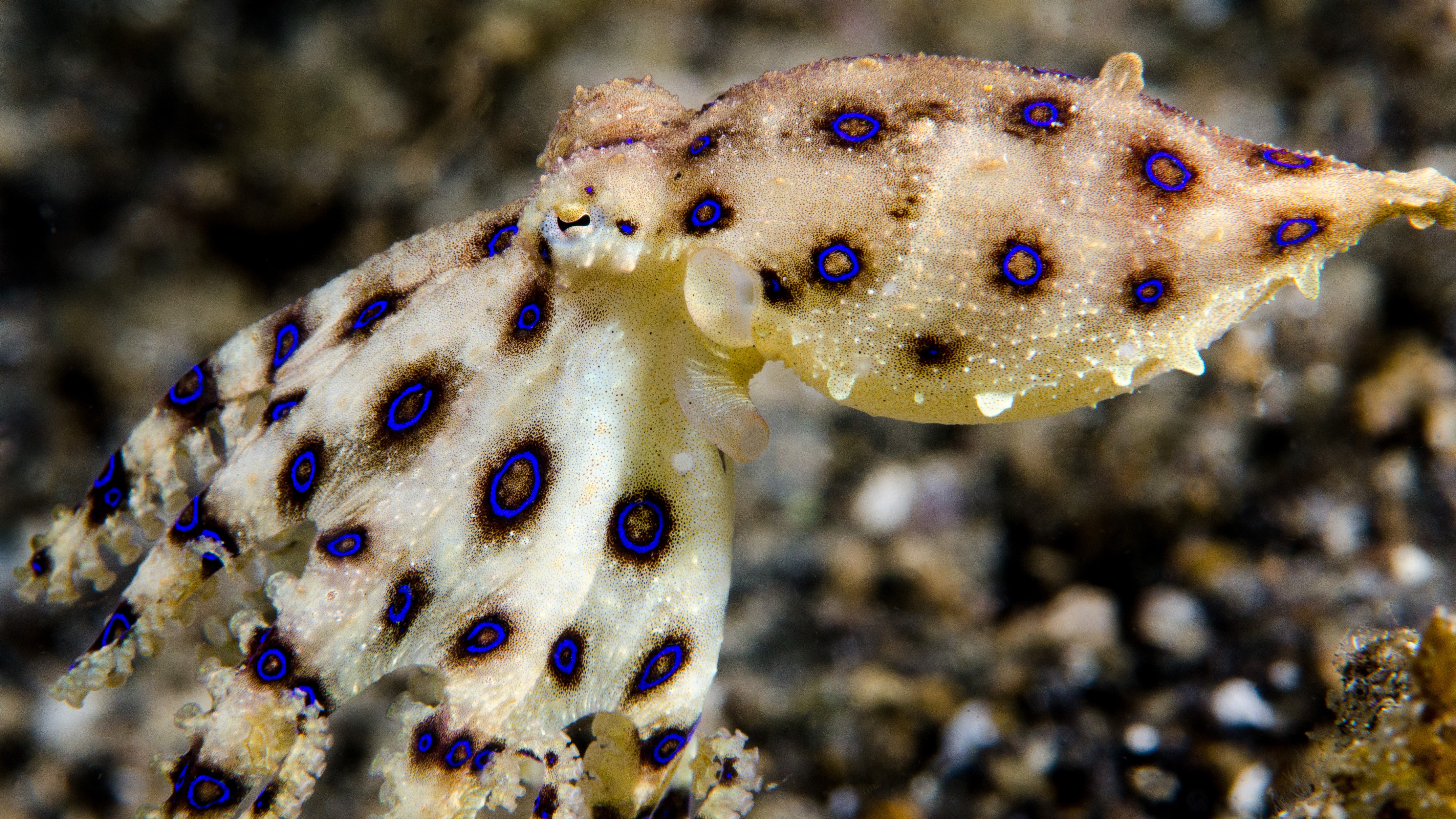
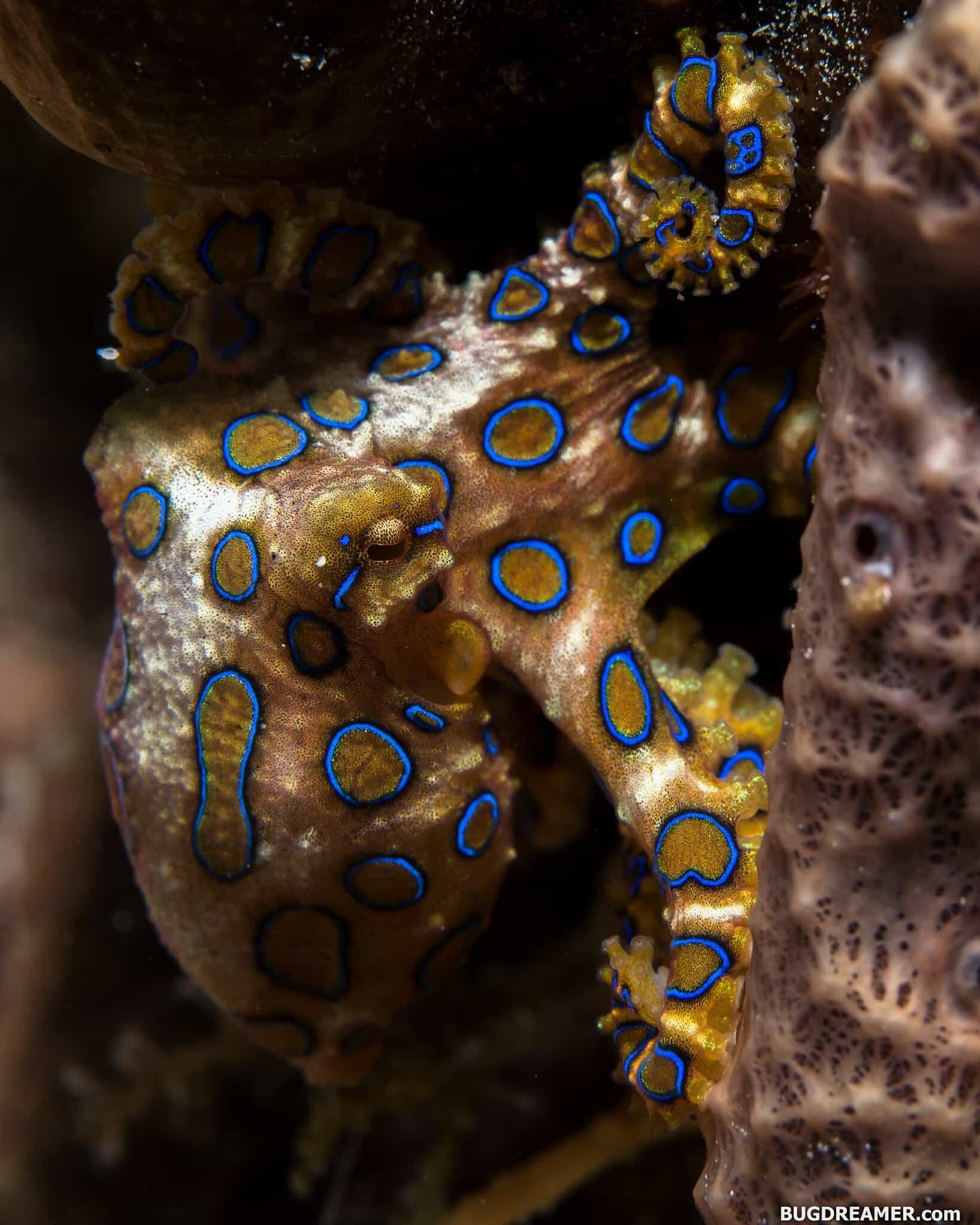
However, there is a critical exception to this rule: the Blue-Ringed Octopus (Hapalochlaena genus). These small, seemingly innocuous animals, often found in tide pools and coral reefs in the Indo-Pacific, carry a potent neurotoxin called tetrodotoxin. This toxin is thousands of times more potent than cyanide and can cause respiratory failure and paralysis in humans within minutes. Because there is no known antivenom for a blue-ringed octopus bite, any contact with this species is considered a life-threatening medical emergency.
Behavioral Triggers: Why Octopuses Bite
Octopuses are solitary and highly intelligent. Their primary survival strategy is camouflage and evasion; they would much rather use their chromatophores to blend into the surrounding rocks or coral than reveal their position by attacking a large organism like a human.
An octopus is most likely to bite under the following circumstances:
- Physical Restraint: If a human attempts to grab or forcibly remove an octopus from its den, the animal will perceive this as a life-or-death scenario and may bite as a final defensive measure.
- Defending a Den: An octopus that is guarding eggs or hiding in a small crevice may strike if it feels its "home" is being invaded or threatened.
- Mistaken Identity: In rare instances, if a diver or swimmer has their fingers near a hole where an octopus is waiting for food, the octopus might strike out of a predatory reflex, though this is rare because they are generally cautious about what they choose to attack.
Safety Protocols for Divers and Tide Poolers
Avoiding an octopus bite is straightforward for anyone engaging in marine recreation. The following guidelines are recommended for safe interaction:
- Maintain a Hands-Off Policy: Never attempt to touch, poke, or handle an octopus. Observe these animals from a distance. Their behavior is significantly more natural and fascinating when they are not stressed by human interference.
- Respect the Environment: Avoid placing your hands into deep crevices or dark holes while diving or wading in tide pools. These are prime locations for octopus dens. If an octopus is inside, it may feel cornered and react defensively.
- Stay Aware of Species: Familiarize yourself with the local marine life in the area where you are diving. If you are in the Indo-Pacific region, be particularly cautious of small, unusually patterned creatures, especially those with iridescent blue markings, which are a hallmark of the blue-ringed species.
- Practice Neutral Buoyancy: Divers should maintain proper buoyancy to avoid accidentally colliding with reefs or ledges where camouflaged octopuses might be resting.
Comparison of Risks and Behaviors
| Species Category | Potential for Human Harm | Typical Behavior | Primary Interaction Rule |
|---|---|---|---|
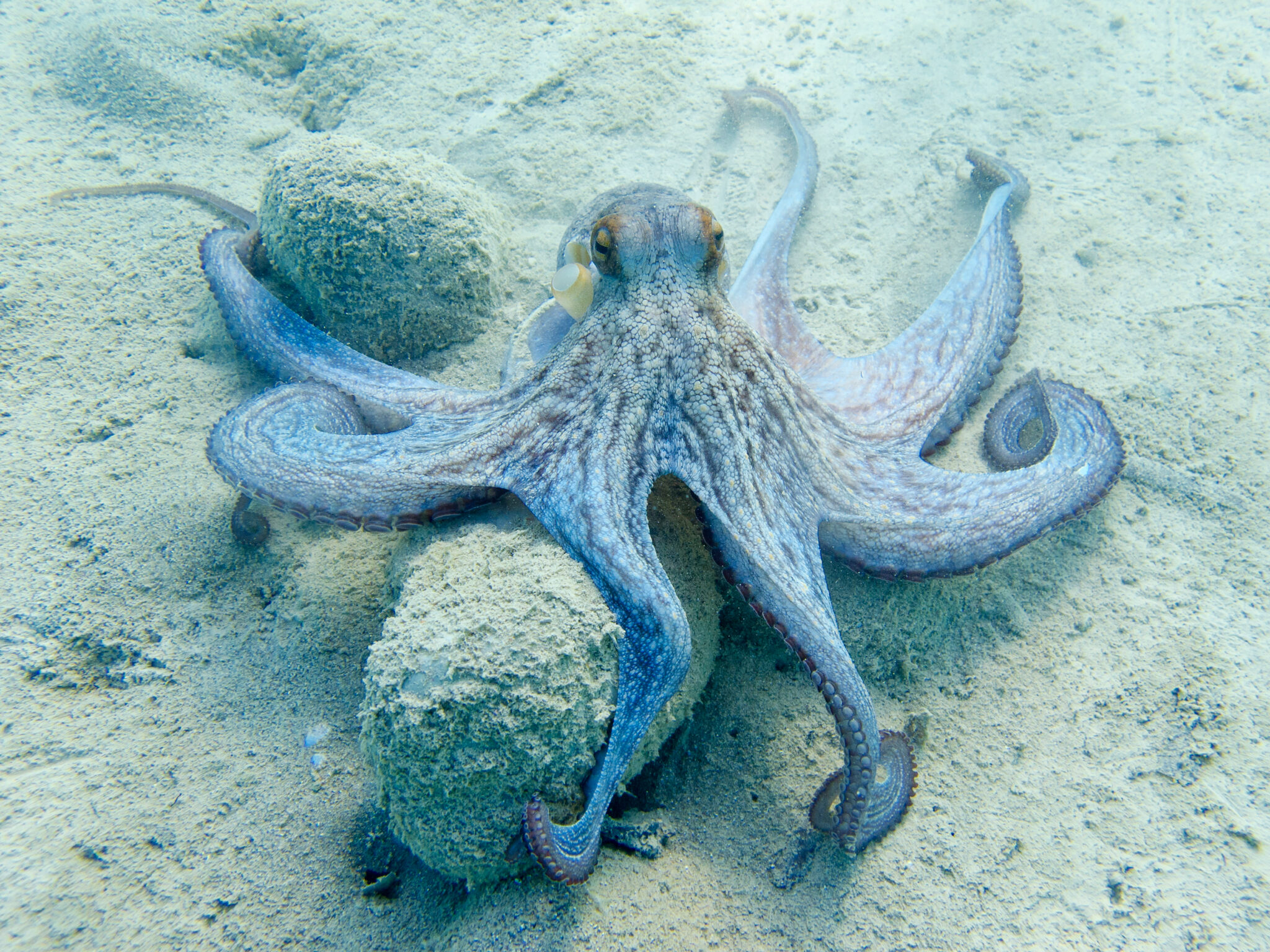
| Common Octopus | Minimal (Bite-only) | Skittish; prefers hiding | Keep distance; do not grab |
| Blue-Ringed Octopus | Extreme (Toxic bite) | Defensive if provoked | Never touch; observe only |
| Deep-Sea/Giant Species | Minimal | Curious/Avoidant | Maintain professional distance |
Medical Considerations for Marine Bites
If you are bitten by an octopus, the priority is to exit the water immediately to prevent drowning if symptoms of paralysis or allergic reaction begin to manifest. If the bite is from a non-venomous species, treat it as you would any other small puncture wound: wash it thoroughly with soap and fresh water, apply an antiseptic, and keep the wound clean. Because of the risk of infection from marine bacteria, monitor the wound for signs of inflammation, redness, or pus over the following days.
If there is any suspicion that you have been bitten by a blue-ringed octopus, professional medical intervention is required immediately. Emergency services should be contacted, and the victim should be transported to a facility capable of providing respiratory support. In such cases, pressure immobilization bandages—similar to those used for snake bites—are often recommended while waiting for emergency responders, as they may slow the spread of toxins.
Frequently Asked Questions
Can you die from a common octopus bite? No, there are no documented cases of a human dying from the bite of a common octopus. Their toxins are designed to target crustaceans and small fish. While the bite may be painful and lead to localized swelling, it does not pose a systemic threat to a healthy adult.
How do I identify a blue-ringed octopus? The blue-ringed octopus is generally small—often the size of a golf ball or smaller. It exhibits bright, iridescent blue rings or spots across its body when it feels threatened. If you see a small, oddly patterned octopus, do not approach it.
Do octopuses hunt humans? No. Humans are far too large for an octopus to consider as prey. Octopuses are strictly interested in small prey that they can capture, manipulate, and consume. Human interaction is always a byproduct of the octopus feeling stressed, cornered, or surprised.
Why do some octopuses have venom? Venom serves as a chemical tool to assist in feeding. Since octopuses lack tools to rip apart armored prey like crabs, they use their saliva to inject neurotoxins that relax the prey's muscles and facilitate the opening of shells. It is an evolutionary adaptation for efficient consumption rather than a weapon designed for inter-species conflict.
Is it safe to keep an octopus as a pet? Keeping an octopus as a pet is highly discouraged. They are extremely intelligent, require complex enclosure requirements, and are prone to significant stress in captivity, which can shorten their already naturally short lifespans. Furthermore, the risk of handling them makes them unsuitable for casual hobbyists.
Final Recommendation
The best way to enjoy an octopus is through passive observation. If you encounter an octopus while swimming, diving, or exploring tide pools, maintain a respectful distance. Use your camera or your eyes rather than your hands. By keeping your hands to yourself and respecting the octopus’s space, you ensure both your own safety and the well-being of the animal, allowing you to witness the natural beauty and intelligence of these creatures without the risk of an defensive bite.
Image Gallery