Analyzing the Financial Impact of the Bohemian Rhapsody Film
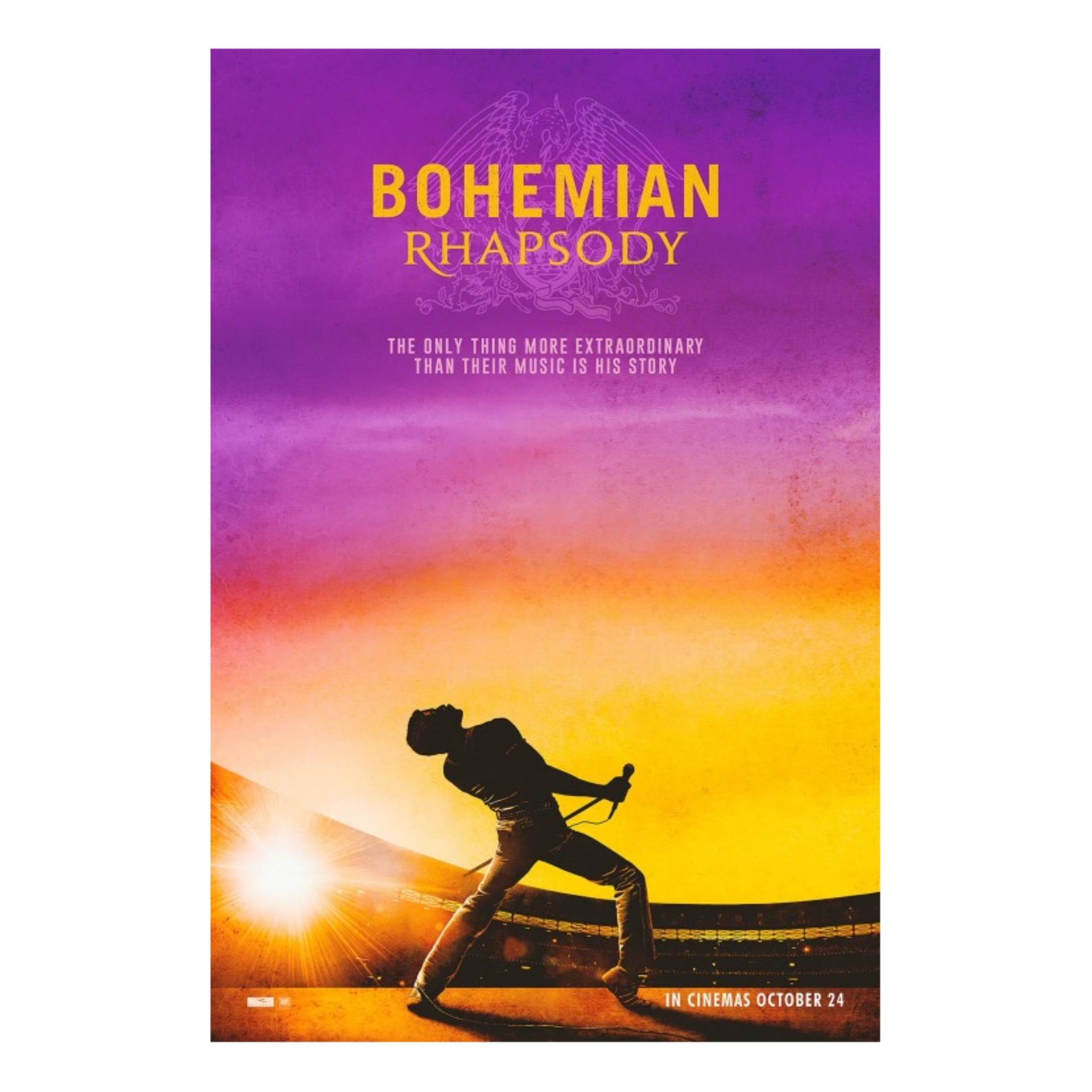
The 2018 biographical musical drama Bohemian Rhapsody earned a worldwide box office gross of approximately $910.8 million against a production budget of roughly $50 million. While the film’s "net worth" is not a singular balance sheet...
The 2018 biographical musical drama Bohemian Rhapsody earned a worldwide box office gross of approximately $910.8 million against a production budget of roughly $50 million. While the film’s "net worth" is not a singular balance sheet figure, its massive commercial success generated hundreds of millions in profit for 20th Century Fox, Queen Productions, and the surviving members of the band.
Contents
Understanding the financial footprint of Bohemian Rhapsody requires separating the production costs from the global revenue streams, marketing expenditures, and the subsequent revitalization of Queen’s music catalog. This analysis breaks down the film's financial trajectory from its 2018 release through its sustained influence in the current 2026 market.
Production Budget and Financial Scope
The production of Bohemian Rhapsody was characterized by a relatively modest budget for a major studio biopic. With a reported production budget of $50 million, the film was positioned as a high-reward asset for 20th Century Fox. In the context of modern blockbuster filmmaking, where budgets for visual-effects-heavy projects frequently exceed $200 million, the studio’s investment was calculated and risk-mitigated.
However, the "net worth" of the project to the studio involves more than just the production costs. Marketing and distribution costs typically equal or exceed the production budget, often totaling an additional $100 million to $150 million. Despite these overheads, the film’s performance outperformed expectations, turning it into one of the most profitable music biopics in cinema history.
Revenue Streams: The Box Office and Beyond
The financial success of the film is primarily derived from three main channels: theatrical exhibition, home media sales (digital and physical), and international television/streaming licensing.
Theatrical Performance
The film achieved a total global box office gross of $910,809,340. In the distribution model, studios typically retain approximately 50% of the box office receipts after cinema operators take their share. This leaves a significant portion of the revenue, which, even after accounting for the initial production and global marketing expenses, provided a substantial return on investment (ROI).
Secondary Markets and Ancillary Revenue
Following its theatrical run, Bohemian Rhapsody entered the secondary market. This includes:
- Physical Media: Blu-ray, DVD, and 4K UHD sales.
- Digital Distribution: Rental and purchase options on platforms like Apple TV, Amazon Prime, and Google Play.
- Streaming Licensing: High-value deals for streaming rights, which have become a primary source of income for legacy film catalogs in 2026.
Impact on Queen’s Catalog Value
The most significant, albeit less direct, financial impact of the film is the massive increase in the value of the Queen music catalog. Following the film’s release, Queen’s streaming numbers surged globally.
In the music industry, intellectual property value is often tied to streaming frequency and sync licensing opportunities (the use of music in commercials, films, and video games). By introducing Queen's music to a new generation of listeners, the film effectively increased the long-term annuity value of the band’s songwriting royalties. For the surviving members of Queen—Brian May, Roger Taylor, and John Deacon—this appreciation in catalog value is arguably more significant than the film’s box office profit sharing.
Comparison of Financial Performance Metrics
The following table highlights the key financial indicators that contributed to the film's status as a commercial powerhouse.
| Metric | Estimated Value (USD) | Significance |
|---|---|---|
| Production Budget | $50 Million | Relatively low for a studio biopic |
| Global Box Office | $910.8 Million | One of the highest-grossing music biopics |
| Marketing/Prints & Ads | $100 - $150 Million | Typical studio investment for global rollout |
| Estimated Profit Margin | > 200% | High profitability relative to cost |
| Catalog Valuation Shift | Massive Increase | Long-term boost to streaming royalties |
Legal and Distribution Considerations
The distribution of the film’s net profits is governed by complex contractual agreements between the studio, the producers (including Graham King’s GK Films), and the estate of Freddie Mercury and the surviving band members.
In the film industry, "net profit" is a technical term defined by the studio's accounting departments, which subtract "distribution fees" and "overhead charges" before calculating the remaining pool for profit participants. These agreements are private, and the specific "net worth" or payout for any single individual is not public record. It is common for high-earning films to undergo audits by profit participants to ensure that the studio's accounting accurately reflects the revenue streams generated.
Frequently Asked Questions
Did the band members receive a share of the box office profits?
Yes, Queen Productions (representing the surviving members and the Freddie Mercury Estate) negotiated a share of the film's profits. Because they were intimately involved in the development and production, their deal structure provided them with a percentage of the adjusted gross revenue, making them primary beneficiaries of the film's success.
How did the film affect Queen’s streaming statistics?
The film triggered a massive spike in streams on platforms such as Spotify and Apple Music. Even years after the release, Queen’s monthly listener counts remain significantly higher than they were prior to the film's debut in 2018.
Is the "net worth" of the film the same as the band’s net worth?
No. The film is a commercial product with its own balance sheet of revenue and expenses. The band’s personal net worth is a cumulative total of their lifetime earnings, touring revenue, real estate, and the value of their music publishing rights, which was enhanced—but not solely defined—by the success of the movie.
What happened to the revenue from the film’s soundtrack?
The soundtrack, which featured remastered versions of classic tracks and original live recordings from the band's performance at Live Aid, generated its own revenue stream. These royalties were distributed according to existing music publishing agreements, which generally favor the original songwriters.
Did the film face any litigation regarding profit distribution?
While high-profile films often involve legal scrutiny regarding profit participation, the financial success of Bohemian Rhapsody was widely accepted as a win for all stakeholders. Public disputes regarding accounting for this specific project have been minimal compared to typical industry standards.
How does the film’s performance compare to other biopics?
Bohemian Rhapsody set a high watermark for the genre. By grossing nearly a billion dollars, it outperformed nearly every other musical biopic, including those about artists like Elton John or Elvis Presley, cementing its place as a historical anomaly in terms of pure commercial scale.
Recommendation for Further Analysis
If you are researching the financial impact of the film for investment or academic purposes, the most reliable data points are the box office figures provided by the industry standard, Box Office Mojo. For information regarding the valuation of the music rights, consult annual reports from major music publishing entities or trade journals such as Billboard or Variety, which often conduct deep dives into the impact of biographical media on legacy artist catalogs.
For those interested in the business side of filmmaking, the primary takeaway is that the film serves as a textbook example of how "intellectual property synergy"—combining a narrative film with an existing, high-value music catalog—can create a multiplier effect that far exceeds the revenue of the film itself.
Image Gallery