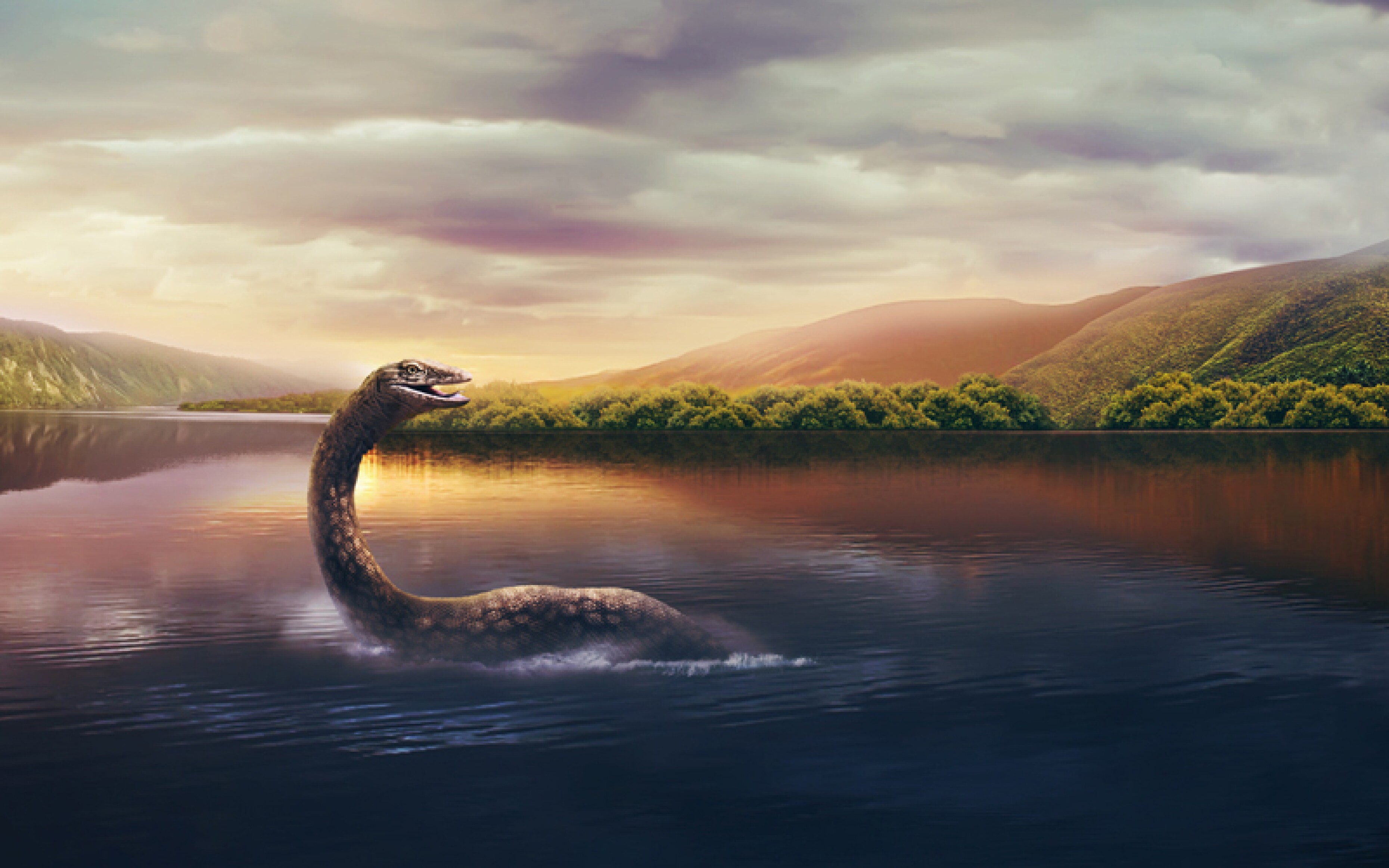
New Pictures of the Loch Ness Monster Spark Fresh Debate: Scientific Evidence or Optical Illusion?
Recent images captured at Loch Ness have reignited the decades-old debate regarding the existence of a prehistoric resident in Scotland’s most famous body of water. As of 2026, these high-resolution photographs and drone-captured therm...
Recent images captured at Loch Ness have reignited the decades-old debate regarding the existence of a prehistoric resident in Scotland’s most famous body of water. As of 2026, these high-resolution photographs and drone-captured thermal signatures have divided the global community into two camps: those who see definitive proof of an unidentified large animal and skeptics who attribute the findings to environmental phenomena or misidentified native species.
Contents
Despite significant advances in imaging technology and environmental DNA (eDNA) sequencing, the "Monster" remains an elusive target. The current debate centers not on whether something is being seen, but on the biological identity of the objects appearing in modern 4K footage. While the images show distinct, large-scale disturbances and anomalous shapes, scientific consensus still leans toward a combination of giant eels, boat wakes, and psychological pareidolia—the tendency to perceive meaningful images in random patterns.
The Evolution of Nessie Evidence: From Grainy Film to 4K Drones
For nearly a century, the hunt for the Loch Ness Monster was defined by the "Surgeon's Photograph" of 1934, which was later revealed to be a hoax involving a toy submarine. However, as we move through 2026, the quality of evidence has shifted from blurry, black-and-white snapshots to ultra-high-definition digital media. This shift has not, as many expected, solved the mystery. Instead, it has complicated it.
The primary difficulty with photographing Loch Ness is the water itself. The loch contains a high concentration of peat, which limits underwater visibility to less than a few meters. Therefore, almost all "new pictures" are surface-level shots or aerial views. Modern observers now use thermal imaging drones that can detect heat signatures on the water's surface, even in low-light conditions. When these drones capture a heat plume that does not match the profile of a known local bird or a surfacing seal, it provides the "fresh debate" that keeps researchers returning to the Highlands.
Furthermore, the democratization of high-quality cameras means that the number of reported sightings has increased. Every tourist with a late-model smartphone is now a potential field researcher. This volume of data requires sophisticated filtering, as many "new pictures" are quickly debunked as wake patterns from the frequent cruise boats that ply the loch’s deep waters.
Analyzing the 2023-2025 Search Results
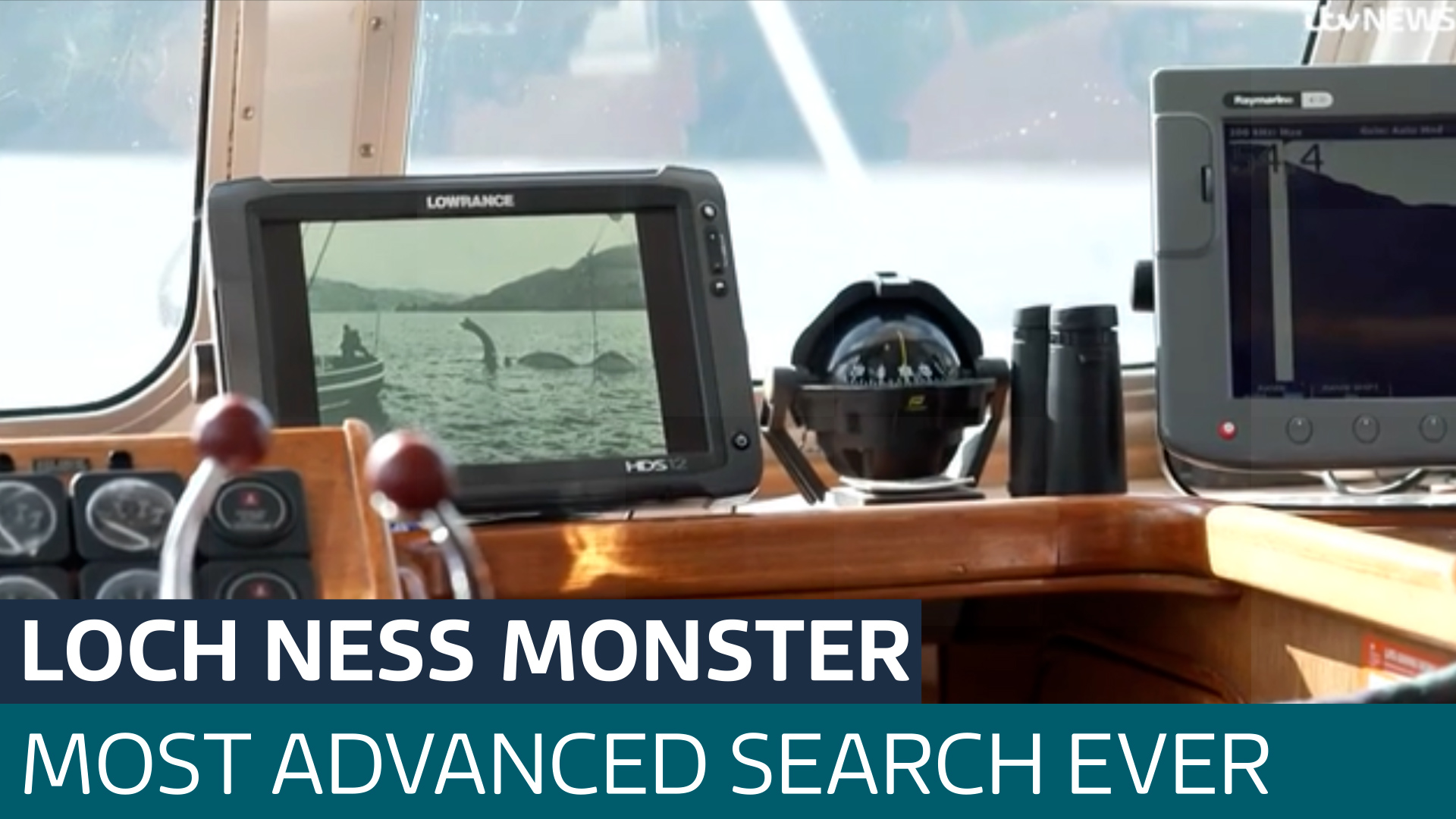
To understand the current state of the debate in 2026, one must look back at the massive surface watch conducted in 2023—the largest search in 50 years. This event, organized by the Loch Ness Centre, utilized hydrophones to record underwater acoustic signals and thermal drones to scan the surface.
While the 2023 search did not produce a "smoking gun" photograph, it set the stage for subsequent independent sightings in 2024 and 2025. Several of these recent images depict "humps" that appear to move against the prevailing current. Critics argue these are "standing waves"—a known hydrodynamic phenomenon in long, deep lakes where wind and underwater topography create waves that appear to remain stationary or move upstream. However, the sheer scale of the objects in the 2025 images—some estimated at over 15 feet in length—continues to defy easy explanation by those familiar with the loch's natural movements.
Leading Scientific Theories: The Biological Candidates
If the pictures do represent a living creature, what could it be? The scientific community has moved away from the "Plesiosaur" theory—the idea that a Mesozoic marine reptile survived extinction in a landlocked lake—due to the lack of fossil evidence and the extreme cold of the loch. Instead, 2026 research focuses on three primary biological candidates:
1. The Giant Eel Hypothesis
In 2019, Professor Neil Gemmell of the University of Otago conducted a comprehensive eDNA study of Loch Ness. The results showed no evidence of reptilian DNA but an extraordinary amount of eel DNA. This led to the theory that "Nessie" may simply be an oversized European eel (Anguilla anguilla). While eels typically grow to about 3 or 4 feet, some researchers speculate that a small number of "sterile" eels might stay in the loch instead of migrating to the Sargasso Sea, growing to monstrous proportions over decades.
2. The Greenland Shark Theory
Another theory gaining traction in recent years involves the Greenland shark. These animals are known for their extreme longevity (living up to 400 years) and their ability to inhabit cold, deep waters. While they are saltwater animals, some biologists argue that a shark could have entered the loch through the River Ness and adapted to the brackish or fresh water over time. A Greenland shark’s slow-moving, dark dorsal profile matches many of the descriptions found in recent photographs.
3. The Wels Catfish
Introduced to UK waters in the late 19th century, Wels catfish can grow to over 8 feet in length and weigh over 200 pounds. They are long-lived, bottom-dwelling predators. While there is no official record of them being introduced to Loch Ness, their appearance would account for the "hump" sightings and the aggressive splashing reported by some witnesses.
Technical Comparison of Nessie Theories
| Theory | Supporting Evidence | Contradicting Evidence | Likelihood Rating |
|---|---|---|---|
| Giant Eel | Massive amounts of eDNA found in 2019. | No eel of that size has ever been captured. | High |
| Greenland Shark | Matches cold-water profile and size descriptions. | Primarily a saltwater species; no DNA evidence. | Low-Moderate |
| Plesiosaur | Visual similarity to "Surgeon's Photo" (now debunked). | Air-breathers would be seen more; extinct for 66m years. | Very Low |
| Boat Wakes/Logs | Explains 90% of sightings; repeatable via physics. | Does not account for thermal signatures or sonar hits. | Very High |
| Wels Catfish | Size and behavior match reports; invasive in other UK lakes. | No eDNA or catch records in Loch Ness to date. | Moderate |
The Role of Acoustic Anomalies and Sonar
Beyond photography, the "fresh debate" is fueled by sonar data. Loch Ness is approximately 230 meters (755 feet) deep, making it deeper than the North Sea in many places. Research vessels and tourist boats frequently report "large, moving targets" on their sonar screens that vanish as quickly as they appear.
In 2026, underwater acoustics have become the primary tool for serious investigators. Hydrophones have recorded "clicks" and "whistles" that do not correspond to known fish species or boat engines. Some suggest these could be the sounds of gas escaping from the loch floor (seiches), while others believe they are biological in origin. The combination of a visual "hump" in a photograph and a simultaneous sonar hit remains the gold standard for evidence, though such occurrences are extremely rare.
Psychological Factors: Why We Keep Seeing the Monster
A significant portion of the debate involves the human mind. Pareidolia is a psychological phenomenon where the brain identifies a familiar shape in a vague stimulus. In the context of Loch Ness, a floating log, a line of ducks, or a rogue wave is easily interpreted as a long neck or a series of humps because the observer is expecting to see the monster.
The "Expectation Bias" is powerful in the Highlands. Since the loch is a major tourist destination, visitors are primed to look for anomalies. This does not mean all sightings are false, but it does mean that "new pictures" must be subjected to rigorous photogrammetric analysis to determine the actual scale of the object. Often, an object that looks like a 20-foot monster in a photo is revealed to be a 2-foot piece of driftwood when compared to the surrounding wave height.
Practical Guidance for Visiting and Observing
For those interested in joining the search or visiting the site in 2026, it is important to approach the mystery with a balance of wonder and scientific skepticism.
- Best Observation Points: The ruins of Urquhart Castle offer the widest views of the deepest part of the loch. The village of Dores on the eastern shore provides a long, longitudinal view of the water, ideal for spotting wakes.
- Equipment: If you are attempting to take pictures, use a camera with a high optical zoom rather than digital zoom. Thermal imaging attachments for smartphones are increasingly popular for night searches.
- Verification: If you capture an image, note the exact time, GPS coordinates, and weather conditions. This data is essential for researchers to rule out boat traffic or atmospheric mirages.
FAQs About the Loch Ness Monster Debate
Is there any definitive scientific proof of Nessie's existence?
No. As of 2026, no biological specimen (living or dead) has been recovered, and no "smoking gun" photograph has been universally accepted by the scientific community. The evidence remains anecdotal or circumstantial.
What did the 2019 eDNA study actually find?
The study, led by Professor Neil Gemmell, found no evidence of plesiosaur, shark, or catfish DNA. However, it found a very high concentration of eel DNA, supporting the theory that "monsters" might be exceptionally large eels.
Why can't we just drain the Loch or use more cameras?
Loch Ness contains more fresh water than all the lakes in England and Wales combined. Its depth and the opacity of the water due to peat make it impossible to monitor every cubic meter. Even with thousands of cameras, the "blind spots" would remain vast.
Are the recent 2025 pictures hoaxes?
While most recent photos are not "hoaxes" in the sense of being faked, they are frequently "misidentifications." Modern AI analysis of these photos often reveals natural objects like swimming deer, seals that have traveled up the river, or specific wave patterns.
Can I visit the Loch Ness investigation centers?
Yes. The Loch Ness Centre in Drumnadrochit provides an immersive look at the history of the search and the technology currently being used. It serves as the hub for both historical archives and modern research initiatives.
Next Steps for Enthusiasts and Researchers
The debate surrounding the Loch Ness Monster is unlikely to be resolved by a single photograph. For those following the "fresh debate," the next phase involves the integration of AI-driven surveillance. Automated camera systems are currently being trialed along the shores of the loch, designed to trigger high-definition recording only when an object of a certain size and movement pattern is detected.
If you are planning a trip to the Highlands, the most effective way to contribute is to report any unusual sightings to the Official Loch Ness Monster Sightings Register. Whether the "monster" is a biological relic, a giant eel, or a persistent myth, the search continues to provide valuable data on the ecology and limnology of one of the world's most mysterious bodies of water.
Image Gallery