Comprehensive Guide to the Cities in Macomb County, Michigan
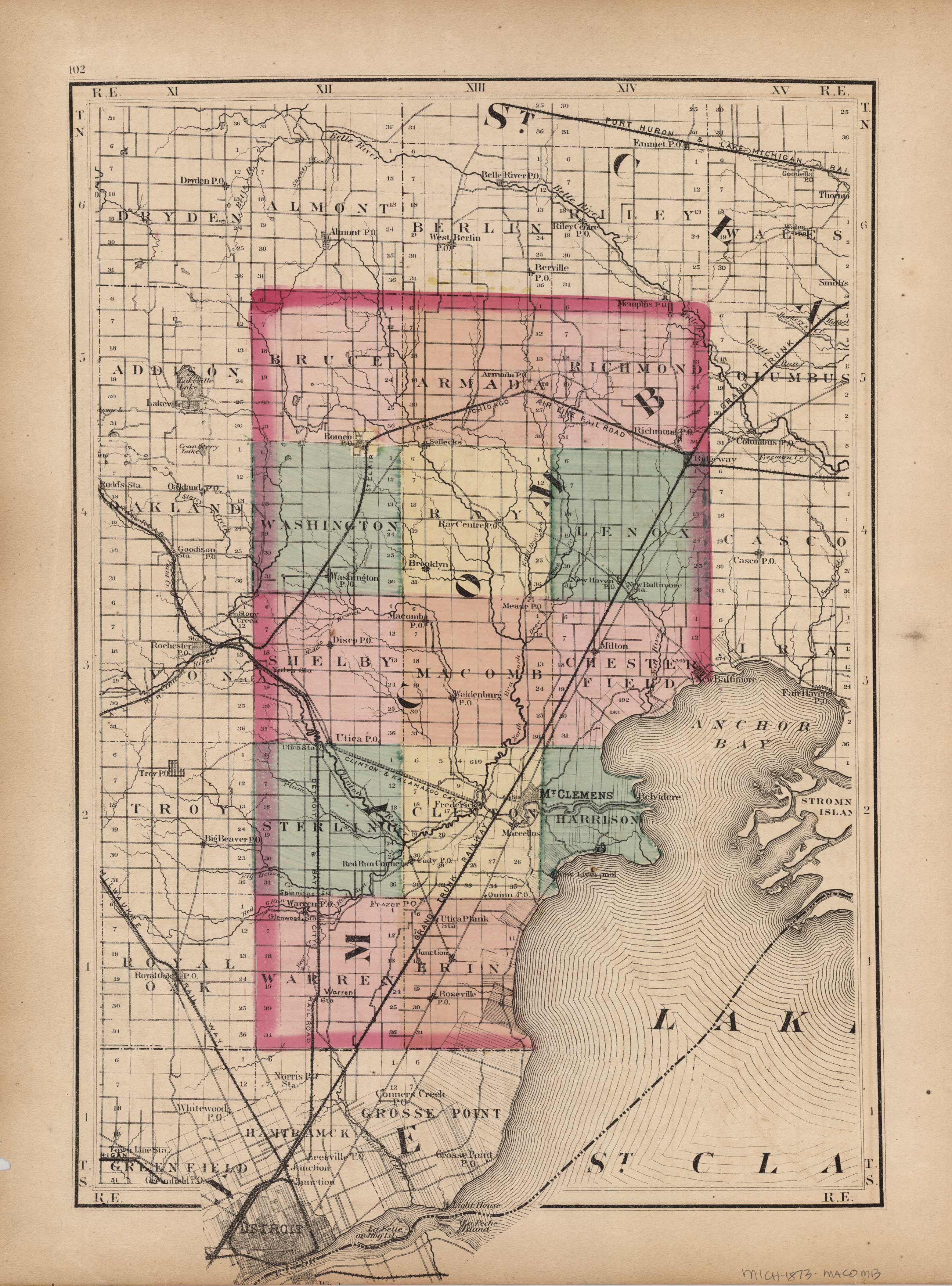
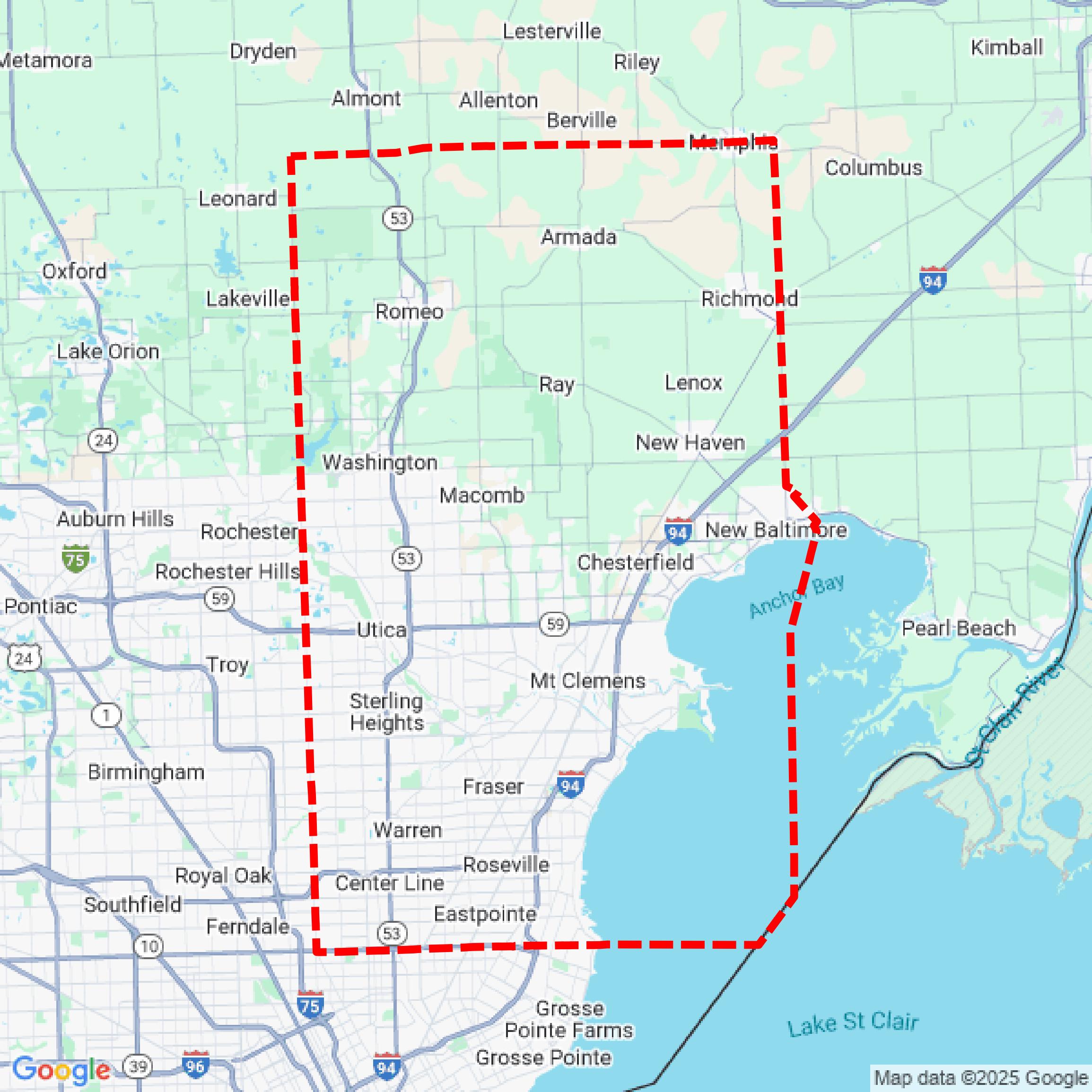
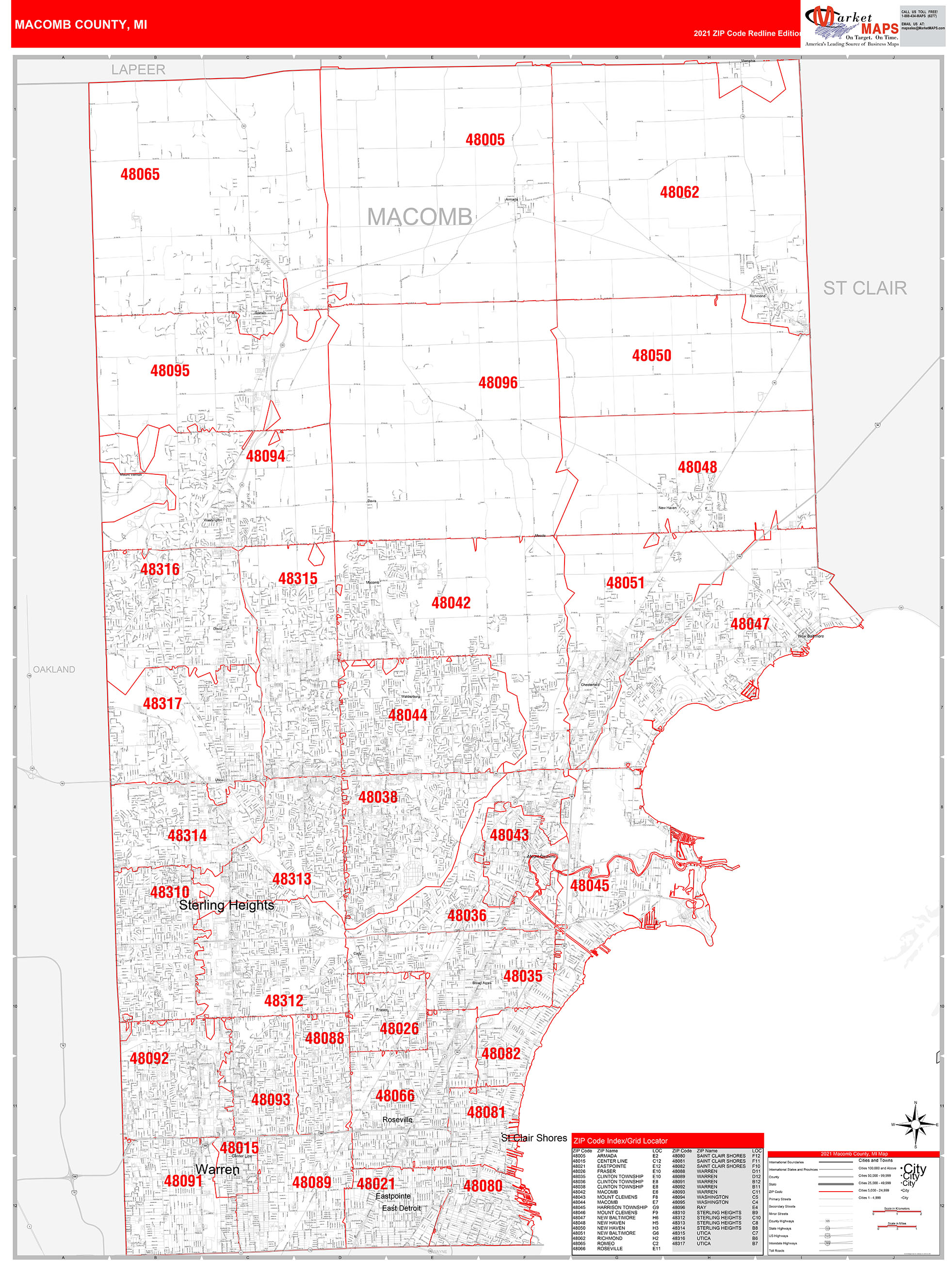
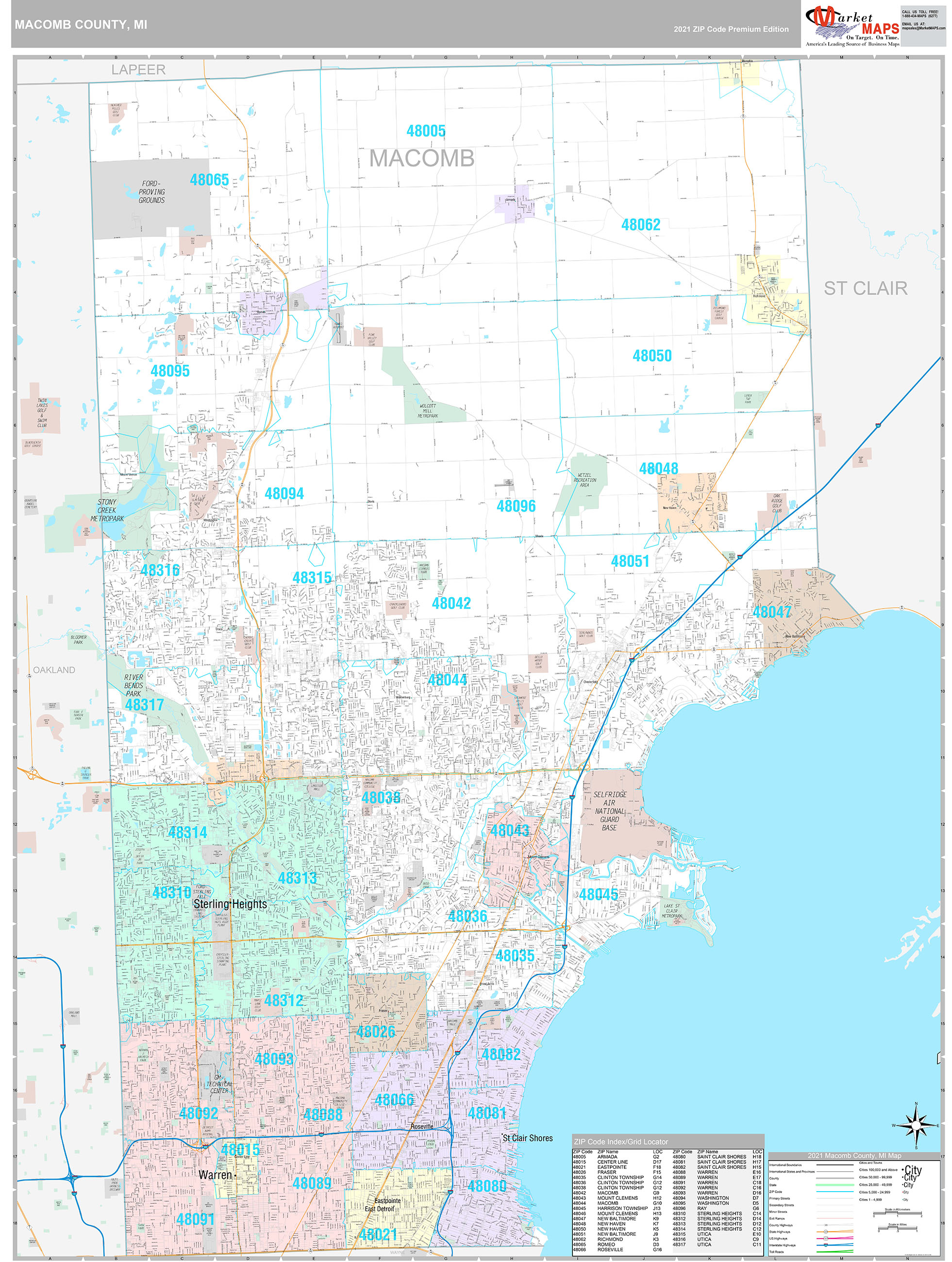
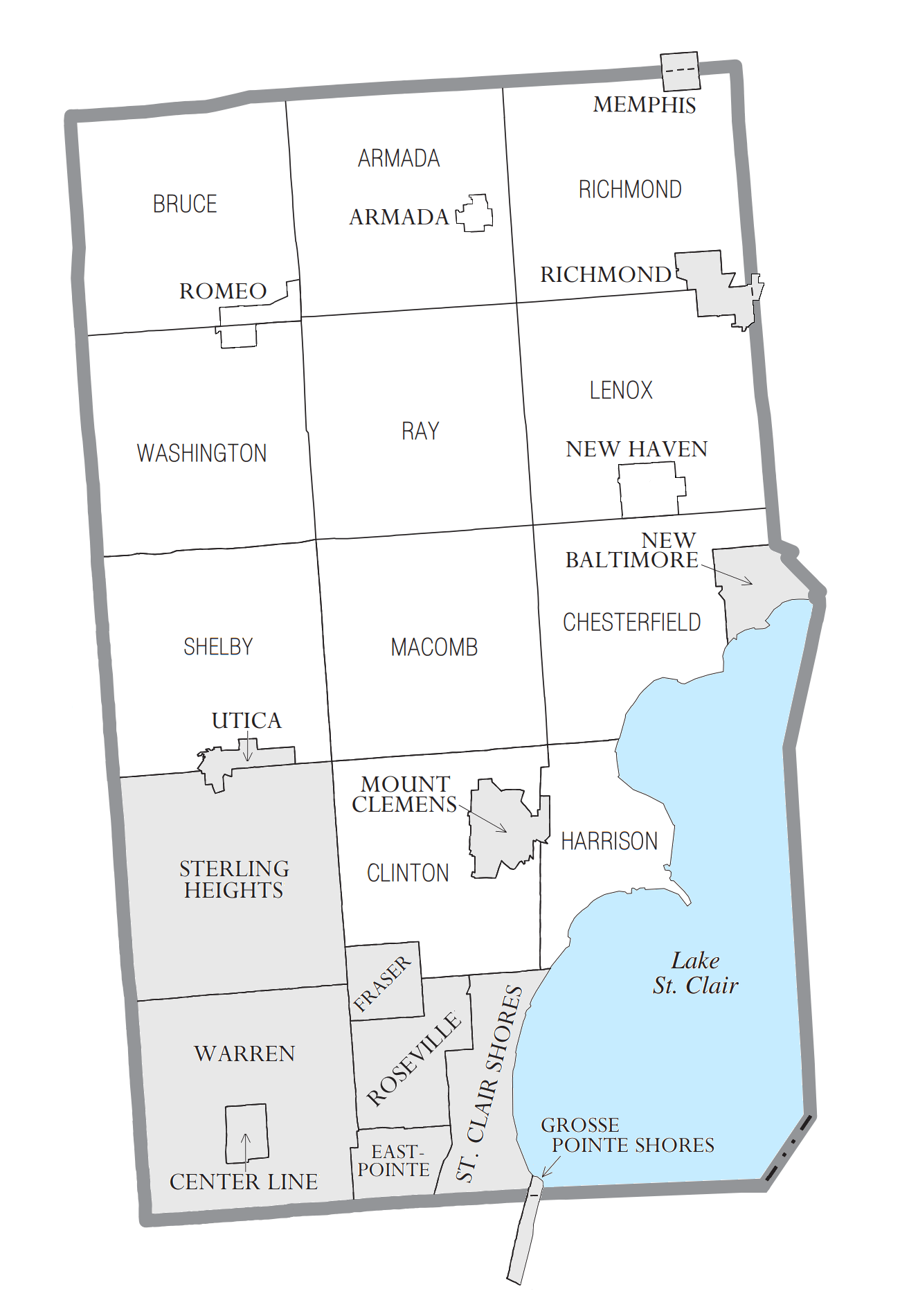
Macomb County contains 11 primary cities, each offering distinct governance, economic drivers, and residential characteristics. From the industrial hub of Warren to the waterfront communities of St. Clair Shores and New Baltimore, thes...
Macomb County contains 11 primary cities, each offering distinct governance, economic drivers, and residential characteristics. From the industrial hub of Warren to the waterfront communities of St. Clair Shores and New Baltimore, these cities represent the core of northeastern Metro Detroit’s municipal structure, operating independently from the surrounding townships.
Contents
Understanding the Municipal Landscape of Macomb County
Macomb County is the third-most populous county in Michigan, serving as a critical pillar of the state's economy and culture. As of 2026, the county continues to balance its deep-rooted manufacturing heritage with a modernizing infrastructure. To understand the cities within Macomb County, one must first distinguish between "cities" and "townships" under Michigan law.
In Michigan, a city is a primary municipal corporation that is politically independent of any township. Cities provide their own services, such as police, fire, and public works, and residents pay taxes directly to the city rather than a township. This is governed largely by the Home Rule City Act of 1909, which allows cities to frame and adopt their own charters. This distinction is vital for residents and investors because it influences everything from property tax millage rates to zoning ordinances and utility management.
Macomb County’s cities are geographically diverse, concentrated heavily in the southern and central portions of the county, while the northern reaches remain dominated by townships and smaller villages.
The Major Population Centers: Warren and Sterling Heights
The economic engine of Macomb County is largely driven by its two largest cities, Warren and Sterling Heights. These municipalities are not only the largest in the county but also rank among the largest in the state of Michigan.
Warren: The Industrial Powerhouse
Warren is Macomb County’s largest city and serves as a vital center for the American automotive industry. It is home to the General Motors Technical Center, a massive 710-acre campus that remains a global hub for automotive engineering and design in 2026. Beyond GM, Warren hosts major facilities for Stellantis and numerous Tier 1 automotive suppliers.
The city is characterized by its "inner-ring" suburban feel, with a grid-based layout of residential neighborhoods developed largely during the mid-20th century. For those researching Warren, it is important to note the city’s complex tax structure, which supports a full-service municipal government including a dedicated court system and extensive parks and recreation department.
Sterling Heights: Innovation and Safety
Sterling Heights is frequently recognized for its safety and family-friendly atmosphere. Unlike the older industrial layout of Warren, Sterling Heights was developed with a more contemporary suburban plan. The M-59 (Hall Road) corridor, often called the "Golden Corridor," serves as the city’s commercial backbone, hosting massive retail developments and tech-focused industrial parks.
In 2026, the city is notable for its proactive redevelopment of aging commercial spaces, such as the transformation of the former Lakeside Mall area into a mixed-use "city center" concept. This move reflects a broader trend in Macomb County cities to adapt to post-retail economic realities by prioritizing density and walkability.
The Coastal and Historic Cities
Macomb County’s eastern boundary is defined by Lake St. Clair, which has shaped the identity and economy of its waterfront cities.
St. Clair Shores: The Nautical Mile
St. Clair Shores is defined by its relationship with the water. The city features a high concentration of canals and marinas, particularly along the "Nautical Mile" on Jefferson Avenue. This stretch is a regional destination for boating, lakeside dining, and summer entertainment.
Residential property in St. Clair Shores is highly sought after for its lake access. The city maintains a stable, traditional suburban character with a high rate of homeownership. In 2026, the city remains focused on coastal resiliency and maintaining its extensive network of municipal parks, which provide residents with exclusive access to the lakefront.
Mount Clemens: The County Seat
Mount Clemens is the administrative heart of Macomb County. While smaller in population than Warren or Sterling Heights, it serves as the home to the Macomb County Circuit Court and the central county government offices.
Historically known for its mineral baths in the late 19th century, Mount Clemens now functions as a legal and professional services hub. The city’s downtown area offers a more traditional "urban" feel compared to its neighbors, with historic architecture and a centralized business district that hosts many law firms and administrative businesses.
New Baltimore: The Anchor Bay Community
Located on the northern shores of Anchor Bay, New Baltimore has transitioned from a small resort town into a thriving residential city. It offers a unique blend of historic small-town charm and modern suburban growth. The city’s beach park and downtown area remain central to its identity, attracting residents who seek a quieter, water-oriented lifestyle while remaining within commuting distance of Detroit.
The Inner-Ring and Mid-Sized Cities
The southern border of Macomb County, adjacent to Detroit, is home to several "inner-ring" suburbs that offer diverse housing options and high accessibility.
Eastpointe and Roseville
Eastpointe and Roseville are often viewed as sister cities due to their shared borders and similar development histories. Both cities are bisected by Gratiot Avenue (M-3), which serves as a major regional artery.
- Eastpointe: Formerly known as East Detroit, this city provides some of the most affordable entry-level housing in the county. It is a high-density residential area with a strong focus on community-based policing and local small businesses.
- Roseville: Situated just north of Eastpointe, Roseville is a major retail hub, home to the Macomb Mall. The city benefits from its proximity to the intersection of I-94 and I-696, making it a logistical center for residents who work throughout the Metro Detroit region.
Fraser and Center Line
These two cities are unique for being entirely surrounded by other municipalities (often referred to as "landlocked").
- Center Line: Entirely surrounded by the city of Warren, Center Line maintains its own independent government and identity. It is a small, tight-knit community with a mix of residential neighborhoods and industrial zones.
- Fraser: Located in the heart of the county, Fraser is known for its industrial parks and the "Fraser Schools" district, which is often a primary draw for new residents. It maintains a stable population and a quiet, suburban atmosphere despite being surrounded by high-traffic areas.
The Northern Regional Cities
As one moves north in Macomb County, the landscape becomes more rural, but two specific cities serve as regional anchors.
Utica
Utica is one of the smallest cities in Michigan by land area, but it punches above its weight in terms of regional impact. It is home to Jimmy John’s Field, a professional ballpark that has become a major entertainment destination for the entire county. Utica’s small downtown area preserves a historic feel while being located directly adjacent to the high-traffic M-59 corridor.
Richmond and Memphis
These cities sit on the northern and eastern fringes of the county.
- Richmond: Functioning as a rural service center, Richmond bridges the gap between the suburban sprawl of southern Macomb and the agricultural lands of northern Macomb and St. Clair counties.
- Memphis: This city is unique because it straddles the border between Macomb and St. Clair counties. It is the smallest city in the county and retains a distinctly rural, small-town character.
Summary Comparison of Macomb County Cities
The following table provides a comparative overview of the cities based on their primary characteristics and roles within the county as of 2026.
| City | Primary Identity | Economic Driver | Geographic Zone |
|---|---|---|---|
| Warren | Industrial Hub | Automotive / Defense | Southern Macomb |
| Sterling Heights | Suburban / Tech | Manufacturing / Retail | Central Macomb |
| St. Clair Shores | Waterfront | Boating / Recreation | Eastern Coastal |
| Mount Clemens | Administrative | Government / Legal | Central Macomb |
| Roseville | Retail / Logistical | Commerce / Transport | Southern Macomb |
| Eastpointe | Residential | Local Small Business | Southern Macomb |
| New Baltimore | Coastal / Resort | Recreation / Housing | Northern Coastal |
| Fraser | Industrial / Quiet | Manufacturing | Central Macomb |
| Utica | Entertainment | Sports / Small Business | Central Macomb |
| Center Line | Small Community | Industrial / Service | Southern Macomb |
| Richmond | Regional Center | Agriculture / Service | Northern Macomb |
Infrastructure and Connectivity
The functionality of these cities is tied heavily to the infrastructure managed by the Macomb County Department of Roads. Three major highways dictate the growth patterns of these cities:
- I-94 (Edsel Ford Freeway): Connects the coastal cities (Eastpointe, Roseville, St. Clair Shores, New Baltimore) to Detroit and Port Huron.
- I-696 (Walter P. Reuther Freeway): Serves as the primary east-west artery, cutting through Warren, Center Line, and Roseville.
- M-59 (Hall Road): Acts as the northern commercial spine, linking Sterling Heights, Utica, and Macomb Township (though the latter is a township, it is heavily influenced by the road's proximity to the cities).
Public transportation is provided by the Suburban Mobility Authority for Regional Transportation (SMART), which operates bus routes throughout the southern and central cities, ensuring labor mobility for the industrial sectors in Warren and Sterling Heights.
Frequently Asked Questions
Which city is the county seat of Macomb County?
Mount Clemens is the official county seat. It houses the primary administrative buildings, the Macomb County Clerk’s Office, and the 16th Judicial Circuit Court. While it is not the largest city by population, it has been the legal and political center of the county since the mid-19th century.
What is the largest city in Macomb County?
Warren is the largest city by both population and land area. As of the most recent data heading into 2026, it remains the third-largest city in the state of Michigan, following Detroit and Grand Rapids. Its size is a result of the rapid industrial expansion that occurred during the mid-20th century.
Are there any cities in Macomb County located on the water?
Yes, St. Clair Shores and New Baltimore are the two primary cities with significant frontage on Lake St. Clair. Additionally, Mount Clemens is situated along the Clinton River, which provides water access and historically contributed to the city's growth.
How do cities differ from townships in Macomb County?
Cities in Macomb County are independent of township government. Residents in a city like Sterling Heights do not pay taxes to a township, whereas residents in a village (like Romeo) still reside within a township (Bruce or Washington) and have two layers of local government. Cities are responsible for their own road maintenance, police, and fire services.
Which Macomb County city is best for industrial businesses?
Warren and Sterling Heights are the primary choices for industrial operations due to their proximity to the "Big Three" automotive facilities and their robust zoning for heavy manufacturing. Fraser also offers significant industrial space in a more compact, centrally located environment.
Final Considerations for Residents and Investors
When evaluating the cities in Macomb County, it is essential to consider the specific municipal services and school districts, which often do not align perfectly with city boundaries. For example, a resident of the city of Warren may fall into the Warren Consolidated, Fitzgerald, or Van Dyke school districts depending on their exact location.
For those looking to relocate or invest in 2026, the southern cities offer high density and established infrastructure, while the northern cities like New Baltimore and Richmond offer more space and a slower pace of life. Prospective buyers should verify local millage rates through the Michigan Department of Treasury to understand the long-term cost of property ownership in each specific city jurisdiction.
Image Gallery