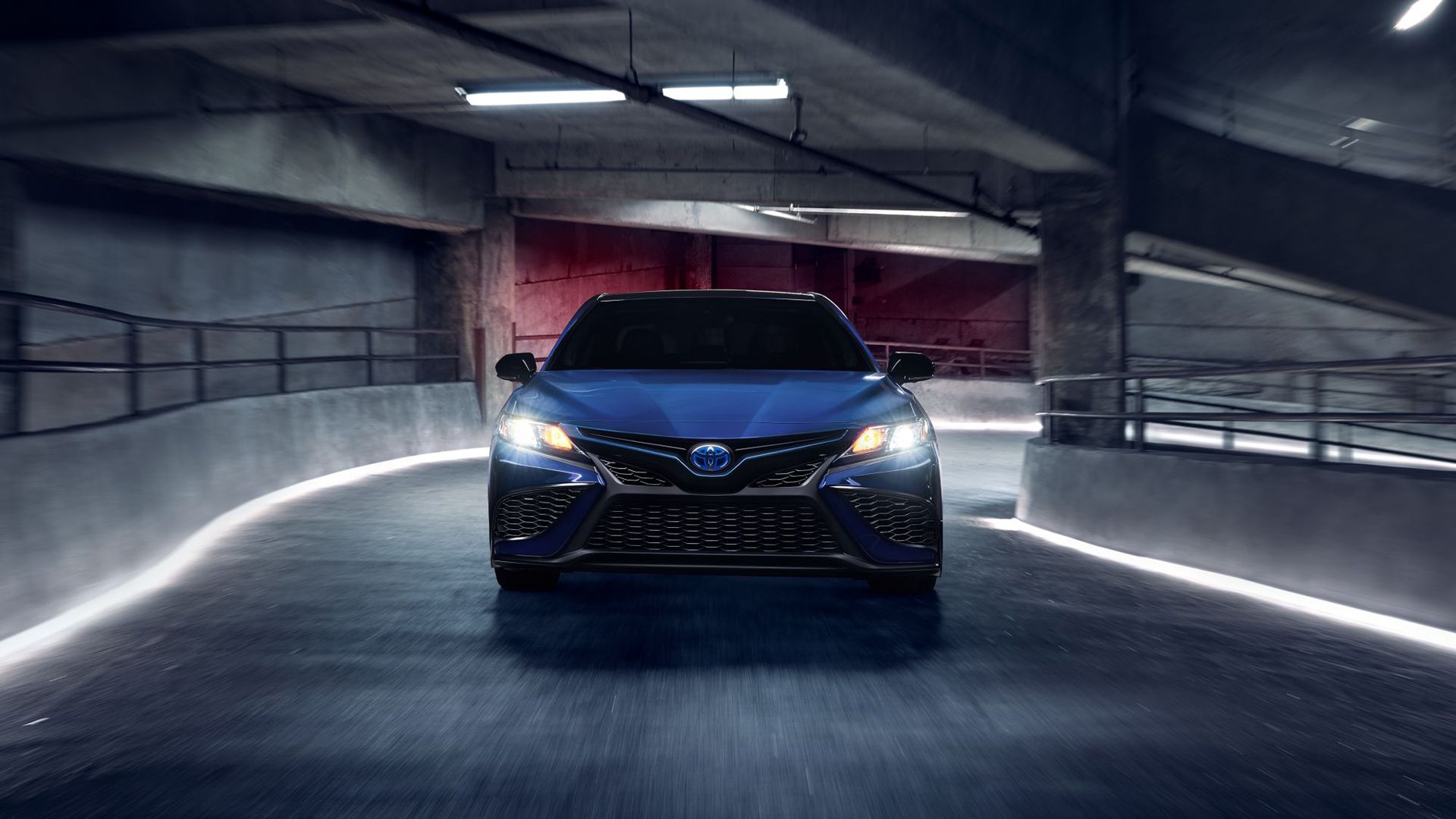
Is the Toyota Camry Truly the Most Reliable Car of All Time?
The Toyota Camry holds a legendary status in the automotive industry, consistently cited by industry analysts and long-term owners as the benchmark for vehicle longevity and mechanical dependability. Its reputation is built on decades...
The Toyota Camry holds a legendary status in the automotive industry, consistently cited by industry analysts and long-term owners as the benchmark for vehicle longevity and mechanical dependability. Its reputation is built on decades of incremental engineering refinements, a focus on mass-market simplicity, and a manufacturing philosophy that prioritizes durability over short-term trend-chasing.
Contents
The Engineering Philosophy Behind Camry Reliability
The "reliability" associated with the Toyota Camry is not an accident; it is the result of the Toyota Production System (TPS), specifically the principle of kaizen, or continuous improvement. Rather than introducing experimental, high-risk technologies, Toyota has historically utilized proven components across multiple model generations. By the time a new engine or transmission is introduced in a Camry, the design often has years of testing in similar applications, ensuring that the "teething issues" common in other manufacturers' new vehicle launches are largely absent.
Furthermore, the Camry’s powertrain—typically featuring naturally aspirated four-cylinder or V6 engines paired with robust automatic transmissions—is designed for thermal efficiency and manageable stress levels. By avoiding overly complex forced induction systems in its core long-running models, Toyota has managed to keep operating temperatures and internal pressures within a range that minimizes premature component wear. This design choice, while sometimes criticized as "boring" by automotive enthusiasts, provides the operational margin necessary to reach 200,000 or even 300,000 miles with minimal internal engine work.
Analyzing Historical Data and Long-Term Performance
To understand why the Camry is frequently identified as the most reliable vehicle in history, one must look at data points from organizations like Consumer Reports and J.D. Power. For over three decades, the Camry has consistently placed at or near the top of reliability surveys. These surveys track "problems per 100 vehicles" (PP100) reported by owners over a three-year ownership period.
The data shows a consistent trend: where other manufacturers struggle with electrical gremlins, infotainment system failures, or transmission software bugs, the Camry maintains a lower incident rate. This statistical consistency has created a "virtuous cycle." Because Camry parts are produced in such high volume, they remain affordable and widely available, which in turn encourages owners to keep their cars on the road longer. A vehicle that is cheap to fix is a vehicle that owners choose to repair rather than scrap.
Key Factors Contributing to Longevity
Beyond the engine, several other factors contribute to the Camry's reputation as a top-tier performer in terms of mechanical endurance:
- Manufacturing Standards: Toyota’s assembly plants, both in Japan and in the United States (notably Georgetown, Kentucky), maintain rigorous quality control standards that emphasize the rejection of defective parts at every stage of the production line.
- Material Selection: The interior plastics, seat upholstery, and exterior seals used in the Camry are chosen for their ability to withstand temperature fluctuations and UV exposure, preventing the common aging issues that cause dashboards to crack or electronics to fail.
- Preventative Maintenance Ecosystem: Because the Camry is ubiquitous, every independent mechanic in North America is familiar with its architecture. This prevents "diagnostic error," where mechanics unfamiliar with a specific vehicle design perform unnecessary or incorrect repairs.
Comparative Reliability: The Camry Against Its Peers
When evaluating whether the Camry is indeed the "most" reliable, it is necessary to compare it against other industry stalwarts. The primary contenders usually include the Honda Accord and certain older Lexus models (which share much of their DNA with the Camry).
| Feature | Toyota Camry | Competitor A (Typical Sedan) | Impact on Longevity |
|---|---|---|---|
| Engine Design | Naturally Aspirated | Turbocharged (Small Displacement) | Lower heat and stress levels |
| Transmission | Traditional Automatic/eCVT | Dual-Clutch / CVT | Fewer software/clutch failures |
| Part Availability | Global Supply Chain | Limited/Expensive | Lower cost of long-term ownership |
| Depreciation | Very Low | Moderate to High | Economic incentive to keep vehicle |
While the Honda Accord remains a fierce rival in reliability, the Camry often edges it out in terms of total cost of ownership and the simplicity of its electrical architecture, which serves as the primary point of failure for modern vehicles.
Practical Steps for Maintaining a High-Mileage Camry
If you own a Camry or are considering purchasing one, achieving "most reliable" status requires adherence to a strict maintenance schedule. Even the most over-engineered vehicle will fail if neglected.
- Fluid Discipline: The most common cause of premature death for a Camry is deferred transmission fluid and coolant changes. While "lifetime" fluid labels are often used by manufacturers, professional mechanics in 2026 recommend a drain-and-fill every 60,000 to 80,000 miles.
- Addressing Minor Issues Promptly: Small leaks in cooling hoses or oil gaskets should be addressed immediately. A minor leak, if left unattended, can lead to overheating or oil starvation, which are the two primary "killers" of otherwise healthy engines.
- Sensor Health: By 100,000 miles, oxygen sensors and mass airflow sensors may lose their sensitivity. Replacing these proactively improves fuel efficiency and prevents the engine from running too rich or too lean, which saves the catalytic converter from early failure.
Addressing Common Criticisms and Limitations
Critics often argue that the Camry’s reliability comes at the expense of "driving dynamics" or advanced technological integration. It is true that the vehicle is tuned for comfort rather than high-performance handling. Additionally, while the Camry is exceptionally reliable, it is not immune to issues. Certain model years have experienced specific recalls related to airbag inflators or seat track components. These are safety-critical items that owners must verify are addressed via the National Highway Traffic Safety Administration (NHTSA) database using their Vehicle Identification Number (VIN).
Furthermore, the rise of complex hybrid systems in recent Camry generations adds a layer of maintenance that did not exist in the 1990s. While Toyota’s hybrid batteries have proven incredibly durable, their eventual replacement is a significant financial consideration compared to a traditional starter battery.
Frequently Asked Questions
Are older Camrys more reliable than newer ones? Older models from the 1990s and early 2000s are simpler, with fewer electronic systems to fail. However, newer models benefit from vastly improved metallurgy and manufacturing precision, making them safer and more efficient. Reliability is high across both, but the failure modes differ.
Does the Toyota Camry require premium fuel for reliability? No. The vast majority of Camry engines are designed to operate optimally on regular unleaded gasoline. Using higher octane fuel than specified does not improve reliability or extend the life of the engine.
At what mileage should I worry about a Camry? There is no specific mileage "cliff." With proper maintenance, it is common to see Camrys surpass 250,000 miles. Focus on the service history and current condition of the engine and transmission rather than the odometer reading alone.
Is a Toyota Camry better than a luxury car for long-term ownership? In terms of pure reliability and repair costs, yes. Luxury vehicles often utilize complex air suspensions and high-performance electronics that are significantly more expensive to repair as the vehicle ages compared to the standard, durable systems found in a Camry.
What is the best year for a used Toyota Camry? Reliability trends are high across most generations. However, specific years like the 2012-2017 generation are often cited by mechanics as being particularly bulletproof due to the refinement of the engines used during that period.
Final Recommendation
If your priority is long-term transportation that minimizes the risk of stranding and repair costs, the Toyota Camry remains the gold standard. To ensure you benefit from this reliability, verify the service history of any pre-owned unit. A well-documented history of oil changes and preventative service is more valuable than a low-mileage vehicle with no records. For current owners, adhering to the manufacturer's maintenance schedule is the most effective way to validate the car's legendary reputation in your own driveway.
Image Gallery