Understanding What Roof Tiles Are Made Of: Materials and Performance
Roof tiles are manufactured from a diverse range of materials, primarily clay, concrete, slate, metal, and composite polymers. Each material is selected for its specific density, thermal resistance, aesthetic profile, and structural we...
Roof tiles are manufactured from a diverse range of materials, primarily clay, concrete, slate, metal, and composite polymers. Each material is selected for its specific density, thermal resistance, aesthetic profile, and structural weight requirements. Choosing the correct tile type depends on a building's climate exposure, the pitch of the roof, and the load-bearing capacity of the underlying frame.
Contents
The Composition and Manufacturing of Traditional Clay Tiles
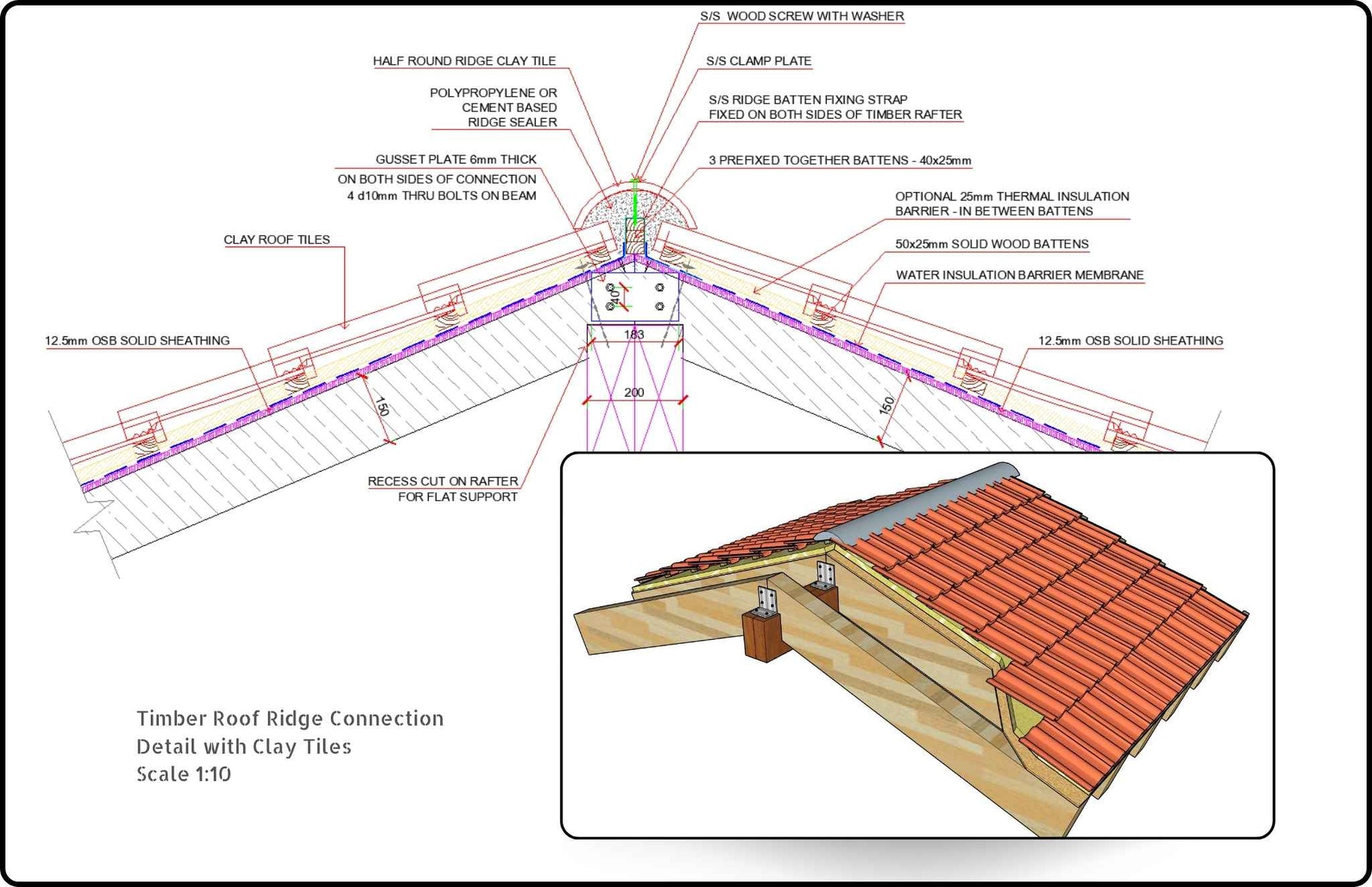
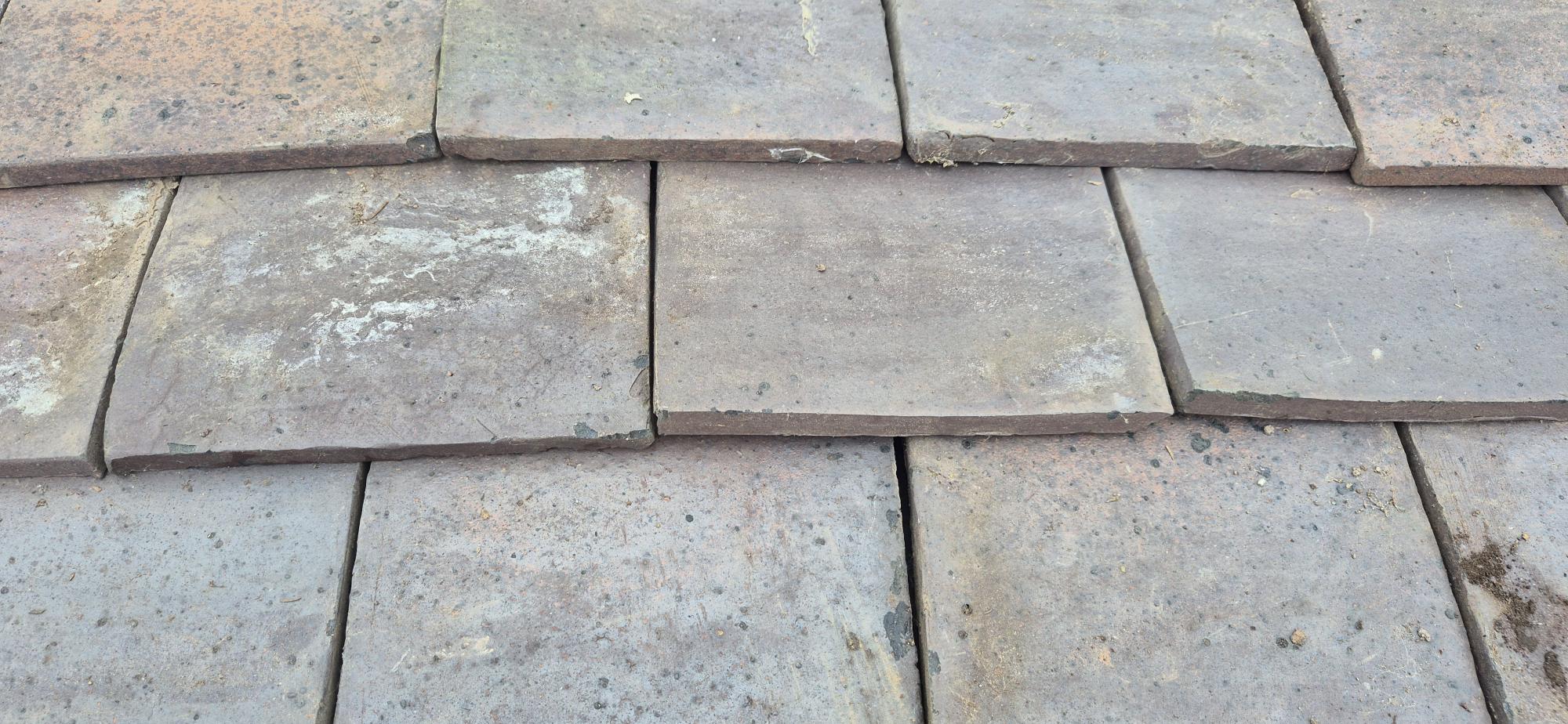
Clay roof tiles are one of the oldest and most durable roofing solutions, having been used for centuries. They are created by baking molded, natural clay at extremely high temperatures—typically between 1,800 and 2,100 degrees Fahrenheit. The result is a ceramic-like material that is exceptionally dense and resistant to fire.
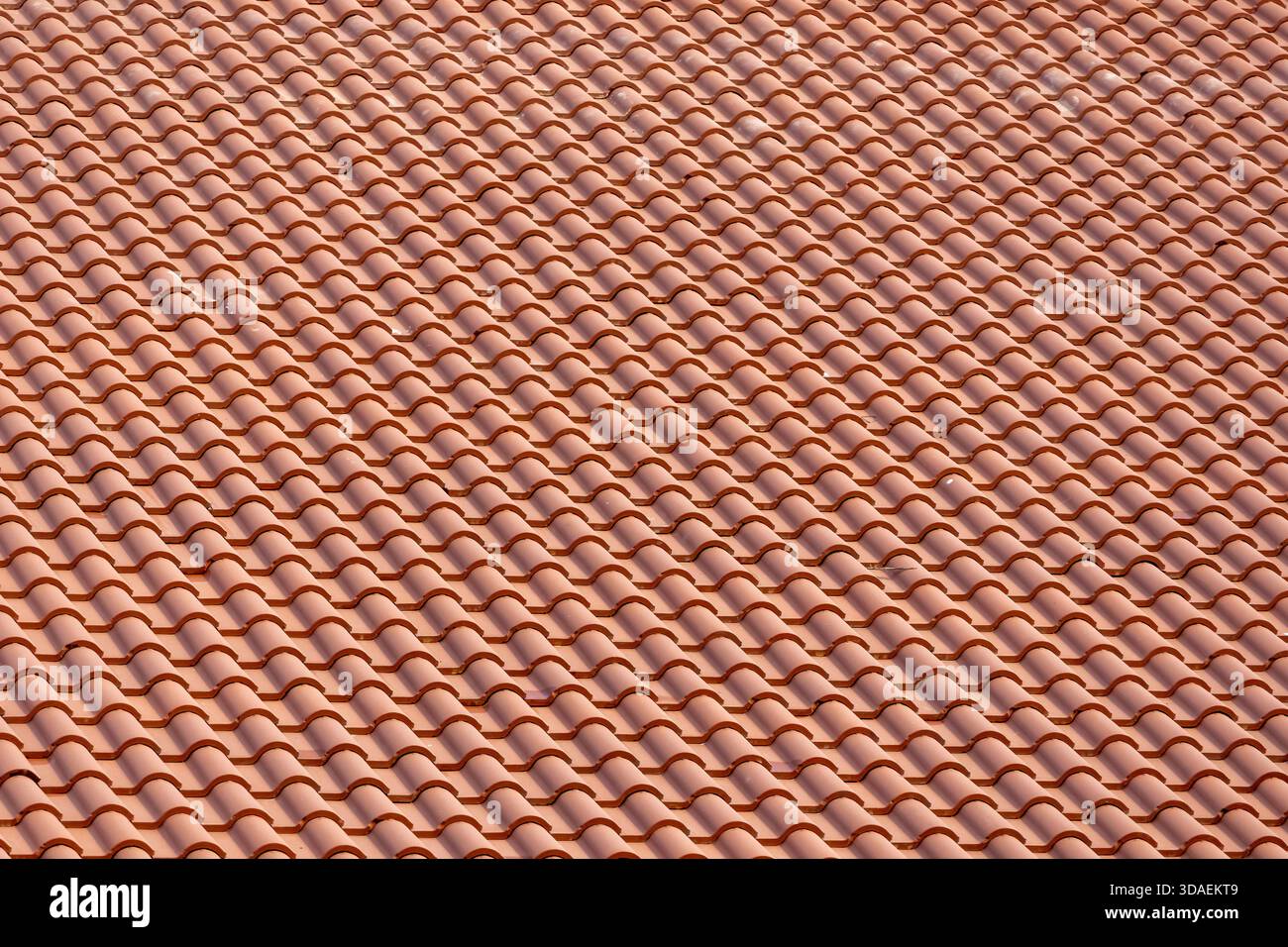
The manufacturing process involves mixing natural clay with water and additives to reach the desired consistency. The mixture is then extruded through a die to form specific shapes, such as the classic "Spanish" barrel tile or the flatter "interlocking" style. Once formed, they are placed in a kiln. The duration and heat of the firing process determine the hardness and the final color of the tile. Because clay is a natural earth product, tiles can sometimes vary slightly in hue, which is often considered a desirable aesthetic quality rather than a defect.
Concrete Tiles: Modern Engineering and Versatility
Concrete tiles were developed as a more cost-effective alternative to clay while maintaining a similar visual profile. They are composed of a precise blend of Portland cement, sand, water, and specialized mineral pigments. Unlike clay, which requires kiln firing, concrete tiles are cured in steam-heated chambers, which accelerates the hardening process and increases the material's structural strength.
Because concrete is highly moldable, these tiles can be manufactured to mimic the appearance of wood shakes, slate, or traditional clay. They are significantly heavier than most other roofing materials, which necessitates a robust roof deck and framing system. From an environmental perspective, concrete tiles are often favored for their high thermal mass, which can help regulate interior temperatures by slowing the transfer of heat into the home.
Natural Slate: The Premium Geological Choice
Natural slate is a metamorphic rock that is harvested in sheets and split into individual tiles. Unlike manufactured products, slate is not "made" but rather shaped from sedimentary deposits that have been compressed over millions of years. The quality of slate is determined by its mineral composition, which dictates its cleavage (how easily it splits into thin, even layers) and its longevity.
True natural slate is highly prized for its low water absorption and resistance to chemical weathering. It is chemically inert, meaning it will not react with acid rain or airborne pollutants. However, slate is brittle and requires expert installation to prevent cracking during the nailing process. Its weight is significant, comparable to or exceeding that of concrete, and it remains one of the most expensive roofing materials available on the market today.
Metal Tiles: High-Tech Durability
Modern metal roofing tiles are often made from steel or aluminum, though high-end installations may use copper or zinc. To prevent corrosion, the base metal is treated with a metallic coating—usually a zinc-aluminum alloy—and finished with a high-performance polymer paint or a stone-coated granular surface.
Stone-coated metal tiles have become particularly popular because they provide the aesthetic appearance of traditional shingles or tiles while offering the strength and low weight of steel. The metal base provides the structural integrity, while the granular top layer protects the metal from UV degradation and reduces noise levels during rainfall. Metal tiles are exceptionally lightweight compared to clay or concrete, making them a common choice for retrofit projects where the existing roof structure cannot support the weight of heavier masonry materials.
Composite and Synthetic Roofing Materials
The newest category of roof tiles includes composite materials made from recycled plastics, rubber, and fiberglass reinforced polymers. These products are engineered to provide the look of natural materials like slate or cedar shakes without the associated maintenance or structural weight.
These tiles are often designed with high-impact resistance, earning them high ratings in regions prone to hail or severe storms. Because they are synthetic, they can be engineered to be color-consistent and are often lightweight, facilitating easier installation. They are increasingly used in projects where sustainability is a priority, as many manufacturers utilize post-consumer recycled waste to create the base material.
Comparison of Roofing Tile Materials
The following table summarizes the typical characteristics of the primary roofing materials discussed.
| Material | Weight | Lifespan | Primary Benefit |
|---|---|---|---|
| Clay | Very Heavy | 50–100 years | Natural color, fire resistance |
| Concrete | Heavy | 40–50 years | Versatility, cost-effective |
| Natural Slate | Very Heavy | 75–150 years | Longevity, prestige aesthetic |
| Metal | Light | 40–70 years | High impact resistance |
| Composite | Light/Medium | 30–50 years | Low maintenance, durability |
Structural Requirements and Installation Factors
When deciding on a roofing material, the physical composition of the tile is only one factor. The structure beneath—the trusses and joists—must be verified by a structural engineer to ensure it can handle the "dead load" of the material. For instance, replacing a lightweight asphalt shingle roof with heavy clay tiles often requires a significant reinforcement of the roof framing.
Additionally, the slope of the roof, measured in "pitch," plays a critical role. Some tiles are unsuitable for low-slope roofs because water can back up under the tiles and cause leaks. Interlocking systems, which are common in clay and concrete tiles, rely on gravity and precise overlapping; if the pitch is too low, these tiles may fail to shed water effectively.
Frequently Asked Questions
Are clay tiles actually made of fire? No, clay tiles are made of natural earth that is fired in a kiln at temperatures exceeding 1,800 degrees Fahrenheit. This process vitrifies the clay, turning it into a ceramic material that is inherently fireproof.
Do concrete tiles fade over time? Yes, the surface color of concrete tiles is usually applied as a top coating. Over several decades of UV exposure, this surface pigment can fade, though the structural integrity of the concrete remains intact. Many homeowners choose to have these tiles pressure-washed and recoated to restore their appearance.
Can I walk on clay or concrete roof tiles? It is generally discouraged. While the tiles are strong, they are prone to cracking under concentrated pressure. If maintenance access is required, specialized foam mats are often used to distribute weight across multiple tiles to prevent structural damage.
Why is natural slate so expensive compared to synthetic alternatives? The cost of natural slate is driven by the scarcity of high-quality quarries, the labor-intensive process of extracting and splitting the stone, and the high transportation costs due to its extreme weight. Synthetic tiles are mass-produced in factories, which significantly reduces the cost of production.
Which roof tile is best for high-wind areas? Metal and composite tiles are often superior in high-wind regions. Because they are lightweight and can be mechanically fastened or interlocking with secure clips, they are less likely to be dislodged during severe weather compared to traditional clay or concrete tiles.
Next Steps for Homeowners
If you are selecting roofing materials for a new construction or a replacement project, the first step is to obtain a professional roof inspection. A qualified contractor can confirm the weight-bearing capacity of your current framing and advise on which materials are permitted under your local building codes. Always verify that your installer has specific experience with the material you choose, as the installation methods for stone slate, for example, are vastly different from those used for metal or composite tiles.
Image Gallery