Understanding the Legacy of Brave Like Gabe: Advocacy, Research, and the Fight Against Rare Cancers
The "Brave Like Gabe" movement honors the life and enduring impact of professional runner and researcher Gabrielle Grunewald, who channeled her personal battle with adenoid cystic carcinoma into a nationwide platform for rare cancer re...
The "Brave Like Gabe" movement honors the life and enduring impact of professional runner and researcher Gabrielle Grunewald, who channeled her personal battle with adenoid cystic carcinoma into a nationwide platform for rare cancer research, patient advocacy, and athletic resilience.
Contents
Introduction to the "Brave Like Gabe" Movement
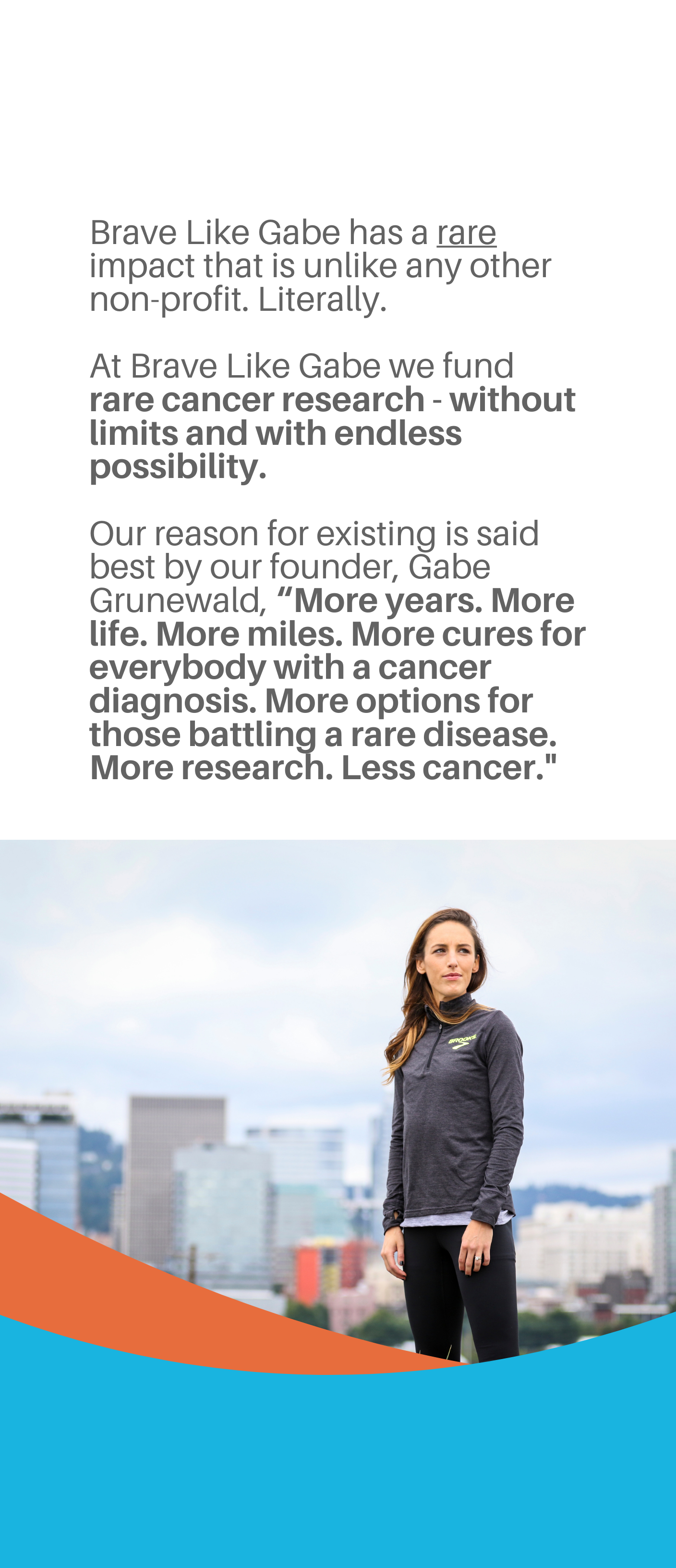
The phrase "Brave Like Gabe" represents far more than a personal mantra or a social media hashtag. It is a rallying cry for patients, athletes, and medical researchers navigating the uncertain landscape of rare cancers. Originating from the life and public journey of Gabrielle "Gabe" Grunewald—a professional middle-distance runner who competed at the highest levels of track and field while undergoing continuous cancer treatments—the movement transformed individual perseverance into collective action.
When Grunewald passed away from adenoid cystic carcinoma in July 2019 at the age of 32, her legacy crystallized into a formal mission. Today, understanding "Brave Like Gabe" requires examining the intersection of elite athletics, patient empowerment, and the structural deficits in rare cancer funding. By exploring how this initiative operates, readers can better understand how personal advocacy drives systemic change in oncology research and supports individuals facing rare, underfunded diseases.
The Life and Athletic Career of Gabrielle Grunewald
Gabrielle Grunewald (née Anderson) built a distinguished running career characterized by fierce competitiveness and extraordinary tenacity. Hired into the professional running ranks after a standout collegiate career at the University of Minnesota, she specialized in the 1500-meter event. Her athletic journey, however, was inextricably linked with her medical history from a young age.
Early Diagnoses and Athletic Perseverance
Grunewald faced her first cancer diagnosis in 2009, during her college years, when she was diagnosed with adenoid cystic carcinoma of the salivary gland, a rare malignancy. Despite undergoing major surgery and radiation, she returned to competitive racing, eventually finishing second in the 1500 meters at the 2012 United States Olympic Trials—narrowly missing an Olympic berth by a single spot.
Throughout her professional career, Grunewald competed while managing multiple recurrences and subsequent treatments, including liver resections and targeted therapies. Her ability to balance the grueling physical demands of elite middle-distance running with intensive chemotherapy regimens captivated the sports world. She became a symbol of mental toughness, demonstrating that a cancer diagnosis did not preclude high-level athletic achievement.
| Milestone Year | Athletic & Personal Event | Medical Status |
|---|---|---|
| 2009 | NCAA Outdoor 1500m Runner-Up | Diagnosed with adenoid cystic carcinoma |
| 2012 | 4th at World Indoor Championships (3000m) | Post-surgery recovery and active racing |
| 2014 | USATF Indoor 3000m Champion | Managing localized recurrence |
| 2017 | Competed at USATF Outdoor Championships | Undergoing active chemotherapy |
| 2019 | Posthumous establishment of the Brave Like Gabe Foundation | Transitioned to legacy advocacy |
The Brave Like Gabe Foundation: Mission and Focus
As her public profile grew, Grunewald recognized that her visibility offered a unique platform to address a systemic issue in oncology: the severe lack of research funding for rare cancers. In 2018, she established the Brave Like Gabe Foundation to direct financial resources toward exploratory rare cancer research and to support physical activity programs for cancer survivors.
Directing Funds to Rare Cancers
Rare cancers—defined by the National Cancer Institute as diseases affecting fewer than 15 out of every 100,000 people per year—account for roughly 25% of all cancer diagnoses. Despite this high cumulative incidence, individual rare cancers receive a fraction of the research dollars allocated to more common malignancies like breast, lung, or prostate cancer.
The foundation focuses on closing this gap by funding early-stage, innovative research projects that larger federal institutions or pharmaceutical companies may overlook due to small patient populations. By providing seed grants to academic researchers, the foundation helps investigators gather preliminary data necessary to secure larger grants from organizations like the National Institutes of Health (NIH).
Empowering Through Physical Activity
A core pillar of the foundation's mission is the promotion of exercise as a supportive care tool for cancer patients and survivors. Drawing directly from Grunewald’s philosophy that movement brought normalcy and mental clarity during treatment, the foundation sponsors community running events, grants, and programs designed to help individuals maintain physical activity safely while undergoing cancer therapy.
Defining Characteristics of Adenoid Cystic Carcinoma
To understand the medical context behind the "Brave Like Gabe" movement, it is essential to examine adenoid cystic carcinoma (ACC), the specific cancer that affected Grunewald. ACC is a rare type of cancer that most frequently develops in the salivary glands, though it can also originate in the lacrimal glands, breast, skin, and respiratory tract.
Clinical Challenges and Treatment Pathways
ACC is notoriously difficult to treat for several distinct reasons:
- Indolent Yet Persistent Growth: ACC tumors often grow slowly over many years, leading patients and clinicians to underestimate their aggressive potential.
- Perineural Invasion: The cancer cells have a strong tendency to track along nerve pathways, making complete surgical removal extremely challenging and increasing local recurrence rates.
- Late Recurrences: Unlike many cancers that recur within the first two to three years post-treatment, ACC can recur decades after initial diagnosis, requiring lifelong surveillance.
- Limited Systemic Options: There are relatively few effective chemotherapy or targeted drug therapies approved specifically for metastatic ACC, underscoring the vital need for the research funded by organizations like the Brave Like Gabe Foundation.
The Broader Impact on Sports Culture and Patient Advocacy
The visibility of Grunewald’s final years shifted conversations within elite sports regarding illness, vulnerability, and transparency. Rather than hiding her medical struggles, she shared her treatment updates with brutal honesty, challenging the cultural expectation that athletes must project invulnerability.
Redefining Strength
Before Grunewald, public narratives surrounding athletes and cancer often framed the disease as an opponent to be "defeated" through sheer willpower. Grunewald pushed back against this trope, acknowledging the physiological limits of her body while continuing to pursue her athletic goals. She articulated that bravery was not the absence of fear or pain, but the willingness to keep moving forward in the presence of both.
Her advocacy influenced major sports media outlets, governing bodies like USA Track & Field, and corporate sponsors to engage more deeply with cancer advocacy. The annual events hosted in her honor continue to mobilize runners, walkers, and patients to raise awareness for the underrepresented population of rare cancer fighters.
Frequently Asked Questions
What is the Brave Like Gabe Foundation?
The Brave Like Gabe Foundation is a 501(c)(3) nonprofit organization founded by professional runner Gabrielle Grunewald. It raises funds for rare cancer research and supports physical activity programs for cancer survivors, addressing the funding disparities associated with less common malignancies.
What kind of cancer did Gabrielle Grunewald have?
Gabrielle Grunewald had adenoid cystic carcinoma (ACC), a rare form of cancer that typically originates in the salivary glands. ACC is characterized by slow growth, a high rate of recurrence along nerve pathways, and limited treatment options for advanced stages.
How can supporters participate in Brave Like Gabe events?
Supporters can participate through virtual and in-person running events, community fundraisers, and direct donations to the foundation. These events are designed to foster community among cancer survivors while generating financial support for rare cancer research grants.
Why do rare cancers receive less funding than common cancers?
Rare cancers often lack large patient advocacy groups, established clinical trial networks, and high-profit commercial markets for pharmaceutical development. Consequently, federal funding agencies and private investors frequently prioritize common cancers where patient cohorts are larger and clinical trials are easier to recruit.
Next Actions and Getting Involved
For individuals looking to engage with the legacy of "Brave Like Gabe," meaningful action begins with education and support. Readers can review current rare cancer research initiatives through organizations like the National Cancer Institute's Rare Tumors Initiative, support accredited nonprofit foundations dedicated to minority-funded cancers, or participate in local endurance events that benefit survivor wellness programs. By maintaining awareness of the unique hurdles faced by rare cancer patients, the athletic and medical communities can continue the momentum that Gabrielle Grunewald worked tirelessly to build.
Image Gallery