The Holland Lop Rabbit: A Complete Guide to Ownership and Care in 2026
Owning a Holland Lop rabbit requires a dedicated commitment to specialized nutrition, indoor housing, and consistent social interaction. As the smallest lop-eared breed, they need a diet primarily composed of high-quality Timothy hay,...
Owning a Holland Lop rabbit requires a dedicated commitment to specialized nutrition, indoor housing, and consistent social interaction. As the smallest lop-eared breed, they need a diet primarily composed of high-quality Timothy hay, a bunny-proofed environment to prevent injury, and regular veterinary check-ups to manage potential dental and digestive issues common to their brachicephalic structure.
Contents
Understanding the Holland Lop Breed Standard
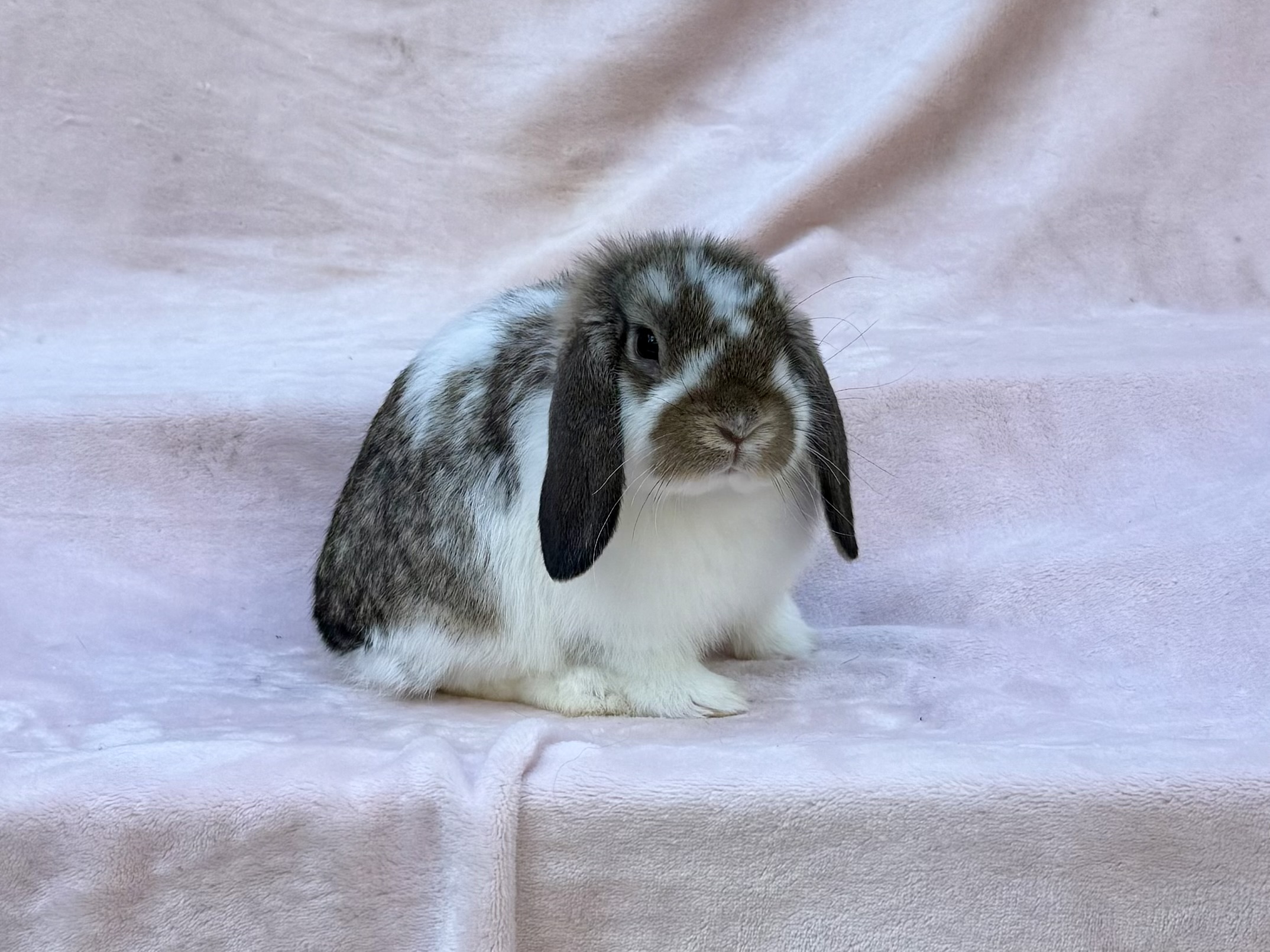
The Holland Lop is widely recognized as one of the most popular rabbit breeds globally, largely due to its compact size and endearing appearance. Originally developed in the Netherlands by breeder Adriann de Cock in the mid-20th century, the breed is a cross between the French Lop and the Netherland Dwarf. This heritage resulted in a rabbit that possesses the iconic lopped ears of its larger ancestors but remains under four pounds at maturity.
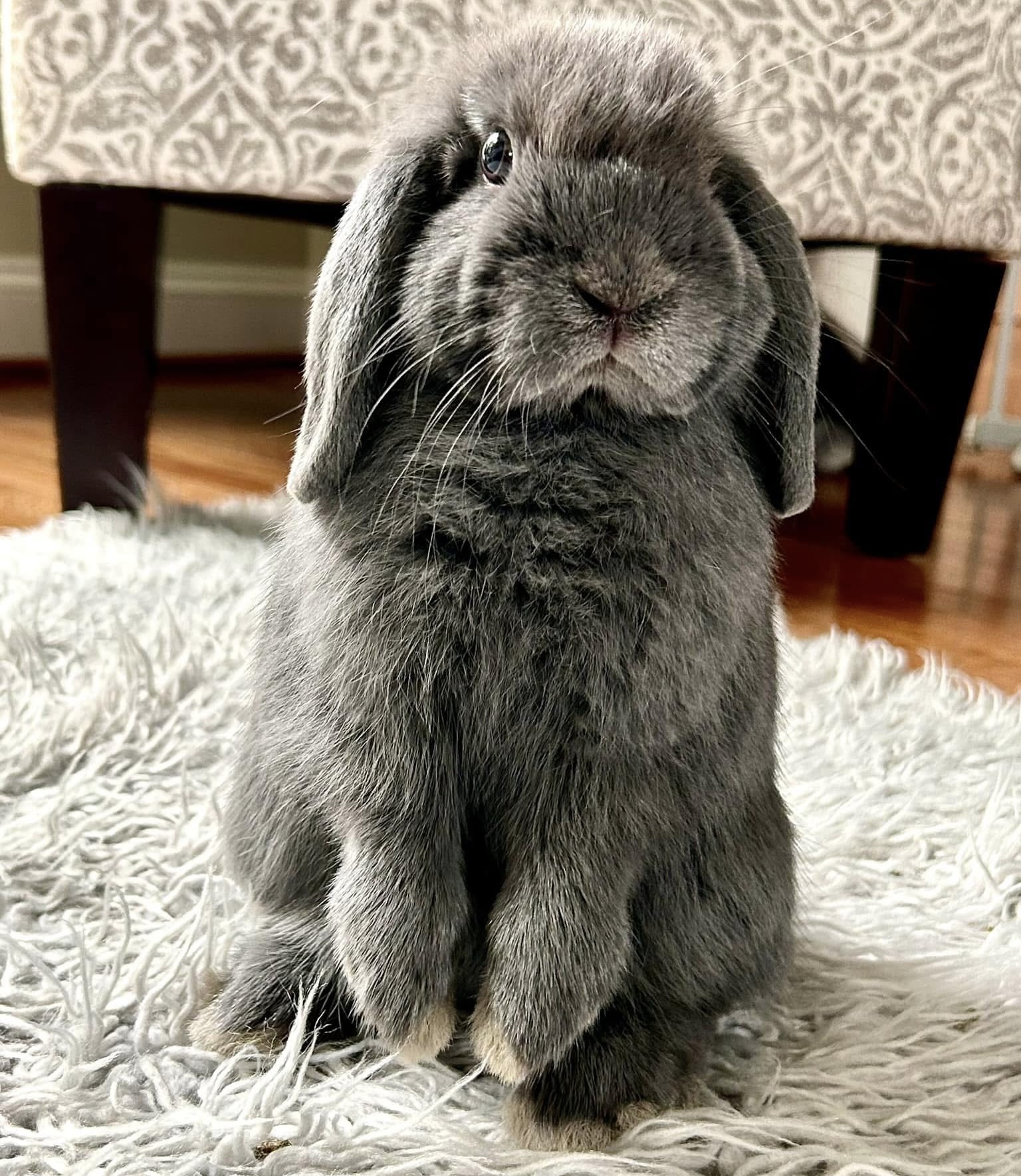
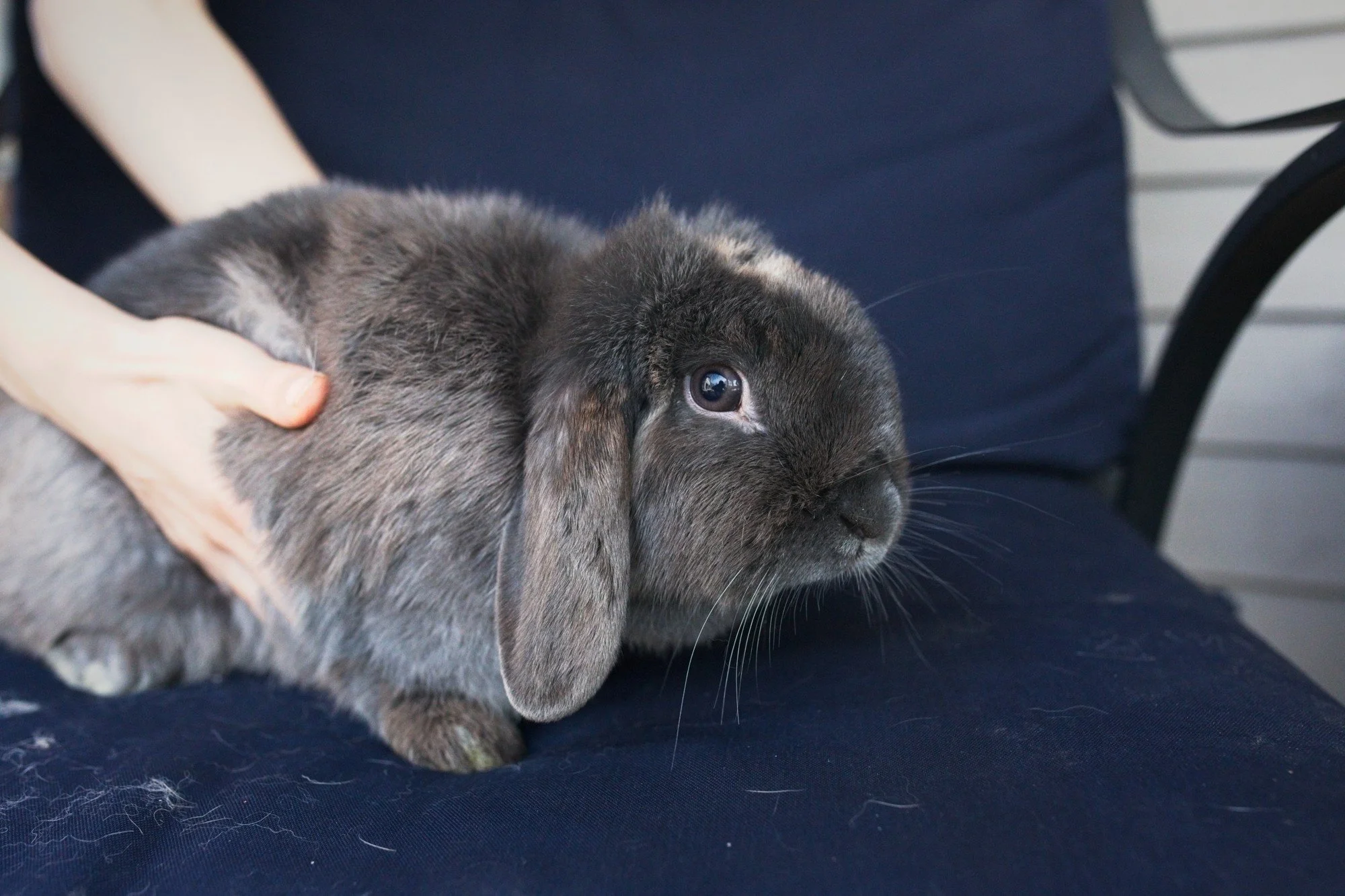
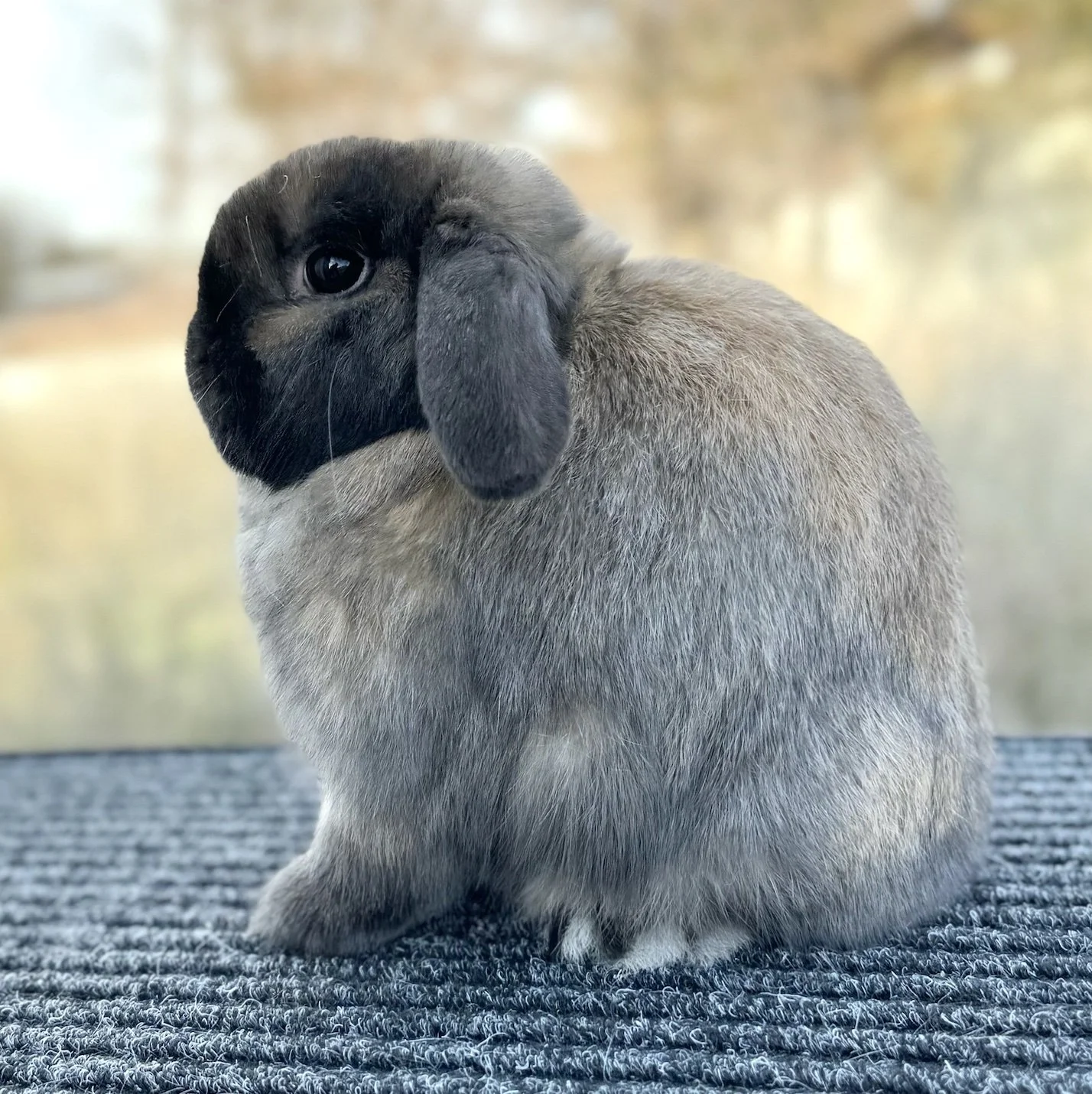
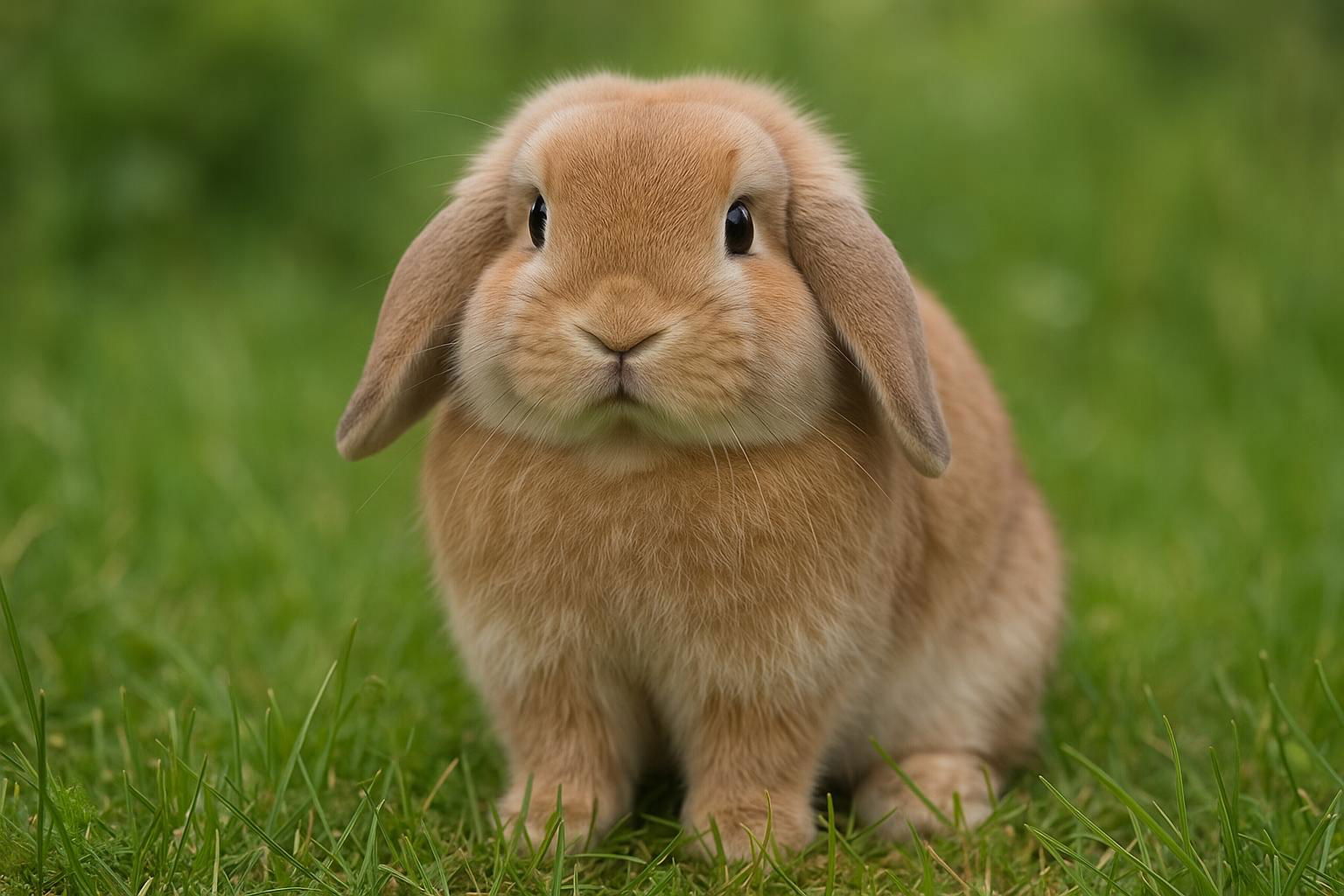
In 2026, the American Rabbit Breeders Association (ARBA) continues to define the Holland Lop by its "bulldog" head shape and massive, thick-set body. Unlike other breeds that may appear sleek or elongated, the Holland Lop is "cobby"—short, thick, and well-muscled. Their ears should hang vertically behind the eye and be well-furred with rounded tips. Understanding these physical traits is not merely about aesthetics; the compact skull shape means that owners must be particularly vigilant about dental health, as their teeth often lack the necessary space to align perfectly, leading to a condition known as malocclusion.
Essential Housing and Environmental Requirements
The traditional concept of keeping a rabbit in a small outdoor hutch has been largely abandoned by modern veterinary standards. In 2026, the consensus for Holland Lop care emphasizes indoor living to protect the animal from extreme temperatures, predators, and the psychological stress of isolation. Because Holland Lops are active and curious, they require significant space to exercise.
The Exercise Pen Approach
Rather than a restrictive cage, many owners now utilize exercise pens (X-pens) designed for dogs. This setup provides at least 16 to 24 square feet of permanent living space. The flooring should be solid; wire-bottomed cages are detrimental to a rabbit's sensitive hocks and can lead to painful sores known as pododermatitis. Soft rugs or foam mats covered with washable blankets are the preferred choice for bedding, providing traction and comfort.
Bunny-Proofing Your Home
For those who choose to allow their Holland Lop to "free-roam" in specific rooms, bunny-proofing is a non-negotiable prerequisite. Rabbits have a biological urge to chew to wear down their continuously growing teeth. This means that electrical cords must be encased in plastic tubing, baseboards should be protected with clear guards, and toxic houseplants (such as lilies or ivy) must be removed. A Holland Lop can easily fit into small gaps behind appliances, so blocking these "rabbit holes" is essential for their safety.
Nutritional Foundations for Long-Term Health
Nutrition is the most critical factor in a Holland Lop’s longevity, which can reach 7 to 12 years with proper care. Their digestive systems are incredibly sensitive and rely on a high-fiber intake to maintain peristalsis—the muscular contractions that move food through the gut.
The Role of Hay
At least 80% of a Holland Lop's diet must consist of high-quality grass hay, such as Timothy, Orchard, or Meadow hay. Hay serves two vital functions: it provides the long-strand fiber necessary for digestive health and acts as a natural abrasive to wear down their teeth. Without constant access to hay, rabbits are at extreme risk of Gastrointestinal (GI) Stasis, a life-threatening condition where the digestive tract slows down or stops completely.
Pellets and Fresh Greens
Pellets should be seen as a supplement, not the main meal. For an adult Holland Lop, approximately 1/8 to 1/4 cup of high-quality, Timothy-based pellets per day is sufficient. Owners should avoid "muesli" style mixes that contain seeds, corn, or colorful bits, as these are high in sugar and low in nutrition.
Fresh leafy greens provide essential hydration and vitamins. Ideal choices include romaine lettuce, cilantro, parsley, and dandelion greens. However, certain vegetables like kale or spinach should be fed in moderation due to high calcium or oxalate content, which can contribute to bladder sludge or stones.
| Food Category | Percentage of Diet | Recommended Items | Items to Avoid |
|---|---|---|---|
| Grass Hay | 80% - 90% | Timothy, Orchard, Oat Hay | Alfalfa (for adults) |
| Leafy Greens | 10% | Romaine, Cilantro, Bok Choy | Iceberg lettuce, Rhubarb |
| Pellets | 5% | Plain Timothy pellets | Seed mixes, Corn, Nuts |
| Treats | < 5% | Small pieces of Apple, Carrot | Sugary fruits, Yogurt drops |
Grooming and Physical Maintenance
Despite their short fur, Holland Lops require regular grooming. They undergo "molts" several times a year, during which they lose significant amounts of fur. Unlike cats, rabbits cannot vomit; if they ingest too much loose fur during self-grooming, it can form a blockage in the stomach, leading to GI stasis.
During heavy shedding seasons, daily brushing with a slicker brush or a rubber grooming tool is necessary. Outside of molting periods, once-a-week grooming is usually sufficient. Additionally, their nails grow rapidly and must be trimmed every 4 to 6 weeks. If the nails are left too long, they can snag on carpets or cause the rabbit’s weight to shift backward, leading to skeletal issues.
Owners must also check the "scent glands" located near the anus. These can become clogged with a waxy, odorous substance that requires gentle cleaning with a cotton swab and warm water. While Holland Lops generally keep themselves clean, they should never be given a full immersion bath. The stress of being submerged in water can lead to heart failure or hypothermia.
Health Monitoring and Veterinary Care
A Holland Lop requires a specialized veterinarian who has experience with "exotics" or small mammals. Traditional cat and dog vets may not have the training to handle rabbit-specific anesthesia or medications.
Preventive Medicine
In 2026, the RHDV2 (Rabbit Hemorrhagic Disease Virus Serotype 2) vaccine is a standard requirement in many regions. This highly contagious and fatal virus can be spread by biting insects or contaminated hay, making vaccination essential even for strictly indoor rabbits. Annual wellness exams should include a thorough check of the molars using a speculum, as dental spurs can develop on the inner side of the teeth, causing painful ulcers on the tongue or cheeks.
Recognizing GI Stasis
Owners must become experts in observing their rabbit’s behavior. Because rabbits are prey animals, they hide illness until it is advanced. Signs of GI stasis include:
- A decrease in appetite (refusing even favorite treats).
- Smaller, fewer, or misshapen fecal pellets.
- Lethargy or "hunching" in a corner.
- Grinding teeth loudly (a sign of severe pain).
If a Holland Lop stops eating for more than 12 hours, it is a medical emergency that requires immediate veterinary intervention.
Temperament and Social Interaction
Holland Lops are often described as the "dogs of the rabbit world" because of their social and docile nature. However, every rabbit has a distinct personality. Some are outgoing and seek affection, while others are more independent.
The Importance of Bonding
Rabbits are highly social creatures. In the wild, they live in large colonies, and domestic Holland Lops can suffer from depression if left alone for long periods. Many owners choose to keep Holland Lops in "bonded pairs." The process of bonding two rabbits can be complex and requires both animals to be spayed or neutered to eliminate hormonal aggression.
Handling and Training
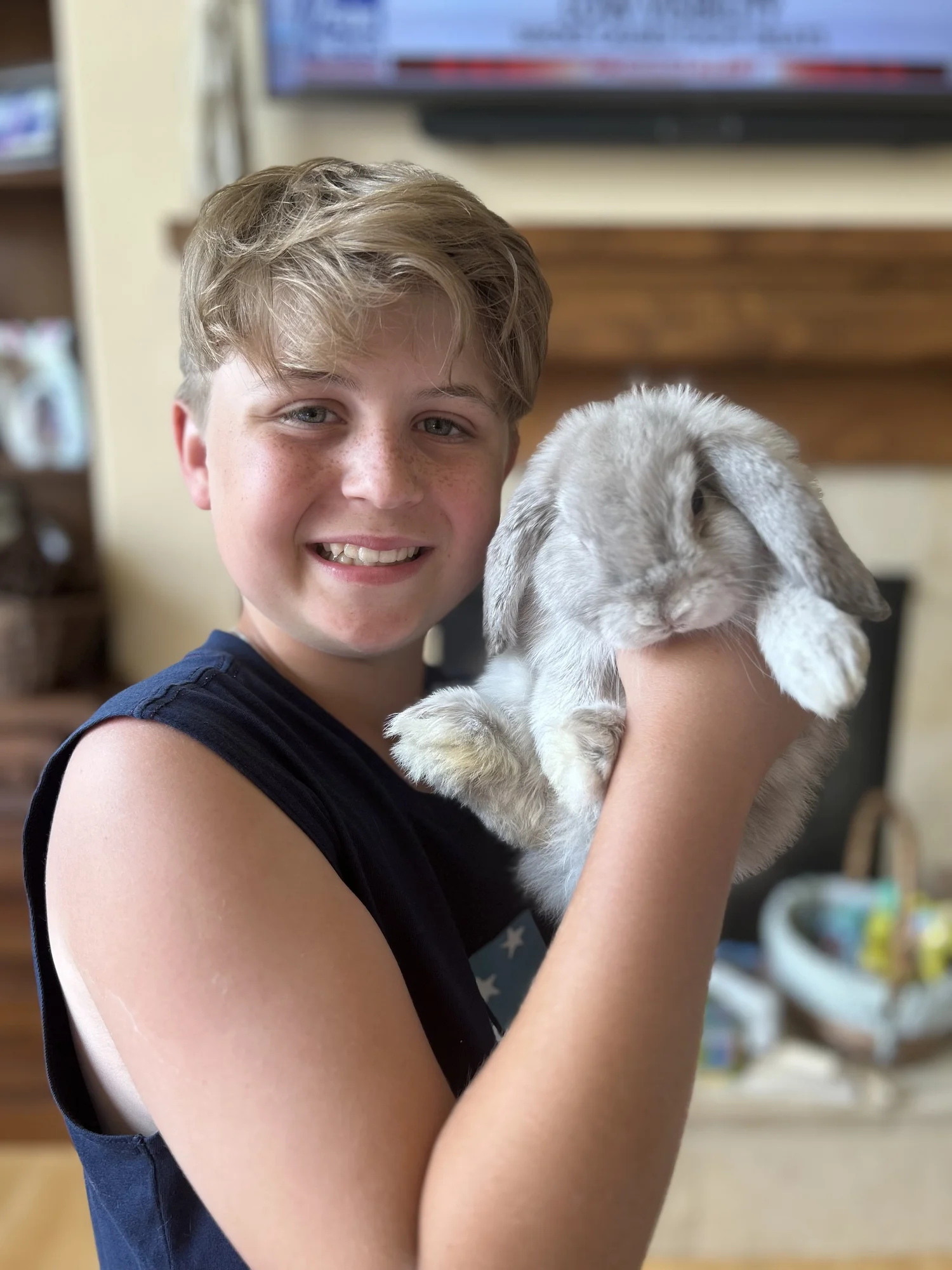
While they look like stuffed animals, most Holland Lops do not enjoy being picked up or carried. Being lifted off the ground triggers a fear response, as the only time a wild rabbit is lifted is by a predator. Interaction should happen at their level—lying on the floor and letting the rabbit approach you is the best way to build trust.
Holland Lops are remarkably intelligent and can be litter-trained, much like a cat. By placing a litter box (filled with paper-based bedding or wood pellets, never clay or clumping litter) in the corner the rabbit naturally chooses to use, owners can maintain a clean indoor environment. They can also be trained to perform tricks or navigate agility courses using positive reinforcement and small food rewards.
Common Mistakes in Holland Lop Care
New owners often fall into traps that can compromise the health of their pets. One of the most common errors is overfeeding fruit and carrots. While media depictions suggest rabbits love carrots, they are actually high in sugar and should only be given as occasional treats.
Another frequent mistake is the failure to spay or neuter. Beyond preventing unwanted litters, these procedures are vital for health. Female rabbits have an extremely high risk (up to 80%) of developing uterine cancer by age four if not spayed. Neutering males reduces territorial marking (spraying) and aggressive behavior, making them much better house companions.
Finally, many owners underestimate the cost of care. While the initial price of a Holland Lop may be modest, the ongoing costs of high-quality hay, fresh produce, and specialized veterinary care can exceed $1,000 annually. Prospective owners should ensure they have the financial stability to provide for these needs throughout the rabbit's entire lifespan.
Frequently Asked Questions
Are Holland Lops good pets for small children?
Holland Lops can be good pets for older children who understand how to interact with animals gently. However, they are fragile and can easily suffer broken backs if dropped or squeezed too hard. Interaction should always be supervised by an adult who is the primary caregiver, as a rabbit's complex needs are usually too much for a child to manage alone.
How long do Holland Lop rabbits live?
With optimal indoor care, a balanced diet, and regular veterinary check-ups, a Holland Lop typically lives between 7 and 12 years. Factors such as genetics, whether the rabbit is spayed/neutered, and the prevention of obesity play significant roles in their overall lifespan.
Do Holland Lops need to be vaccinated?
Yes, in 2026, it is highly recommended that Holland Lops receive the RHDV2 vaccine. Rabbit Hemorrhagic Disease Virus is highly resilient and fatal. Even indoor rabbits are at risk because the virus can be carried in on shoes, clothing, or through insects like flies and mosquitoes.
Can Holland Lops live outside?
While they can survive in outdoor hutches with significant modifications, it is not recommended. Outdoor rabbits face threats from predators (even the sight of a predator can cause a rabbit to die of shock), extreme temperatures, and a higher risk of parasitic infections. Indoor living ensures a safer, more social, and longer life for the rabbit.
How much exercise does a Holland Lop need?
A Holland Lop should have at least 3 to 4 hours of exercise time outside of their primary enclosure every day. This allow them to run, jump (perform "binkies"), and explore, which is essential for maintaining muscle tone and preventing boredom-related destructive behaviors.
Final Recommendation for New Owners
Before bringing a Holland Lop into your home, locate a qualified exotic animal veterinarian and "bunny-proof" at least one room in your house. Focus on establishing a consistent routine involving high-fiber Timothy hay and daily social interaction. For those seeking the best companionship experience, consider adopting a bonded pair from a rescue organization, as these rabbits are often already spayed/neutered and litter-trained, allowing you to focus entirely on building a relationship with your new pets.
Image Gallery