GWC Auto Warranty Overview: Coverage Plans, Claims, and 2026 Provider Review
GWC Warranty provides vehicle service contracts through automotive dealerships, offering protection against mechanical breakdowns after a manufacturer’s warranty expires. Their plans range from basic powertrain coverage to exclusionary...
GWC Warranty provides vehicle service contracts through automotive dealerships, offering protection against mechanical breakdowns after a manufacturer’s warranty expires. Their plans range from basic powertrain coverage to exclusionary "No Worries" protection. GWC is known for its A+ BBB rating and direct-to-repair-facility payment system, simplifying the claims process for drivers nationwide.
Contents
Understanding GWC Warranty: The Provider Landscape in 2026
GWC Warranty, a brand under the APCO Holdings umbrella (alongside EasyCare), has established itself as one of the most prominent providers of Vehicle Service Contracts (VSCs) in the United States. While consumers often use the term "extended warranty," it is technically a VSC—a contract between the provider and the vehicle owner to cover specific repairs for a set period or mileage.
In 2026, the automotive landscape has shifted significantly toward higher electronic complexity and a mix of internal combustion and electric drivetrains. GWC has adapted its offerings to meet these needs, focusing primarily on the used car market. Unlike many direct-to-consumer "robocall" warranty companies, GWC operates exclusively through a network of authorized dealerships. This business model ensures that the vehicle undergoes an initial inspection by a professional before the coverage is issued, which often leads to fewer disputes regarding pre-existing conditions during the claims process.
Comprehensive Analysis of GWC Coverage Levels
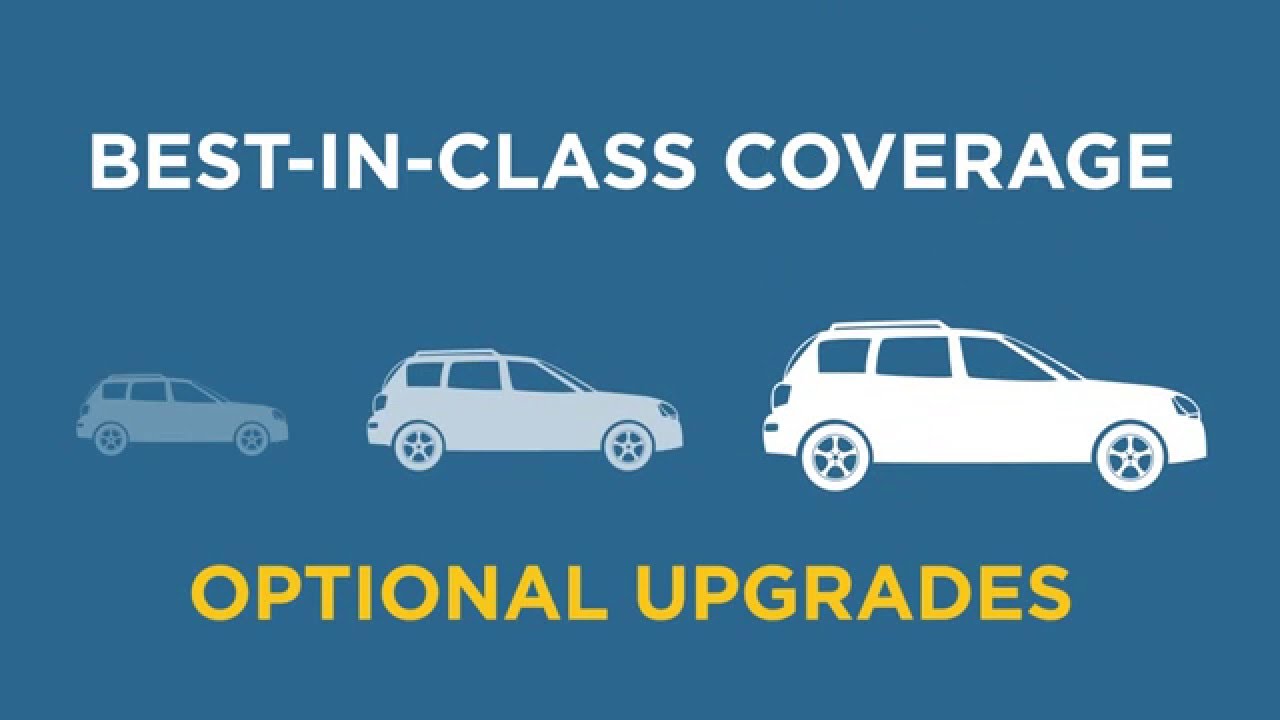
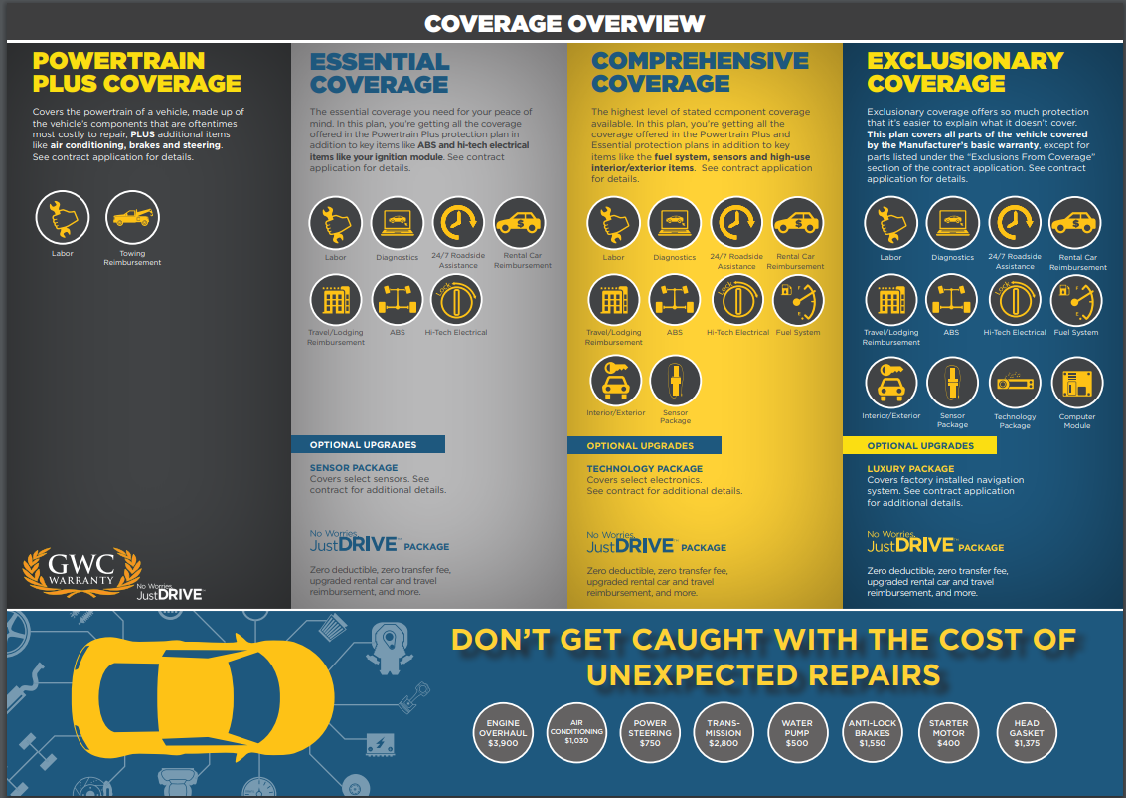
GWC offers a tiered structure designed to fit various budgets and vehicle ages. Understanding the nuances between "stated component" coverage and "exclusionary" coverage is vital for any car owner evaluating these plans.
1. Powertrain Protection
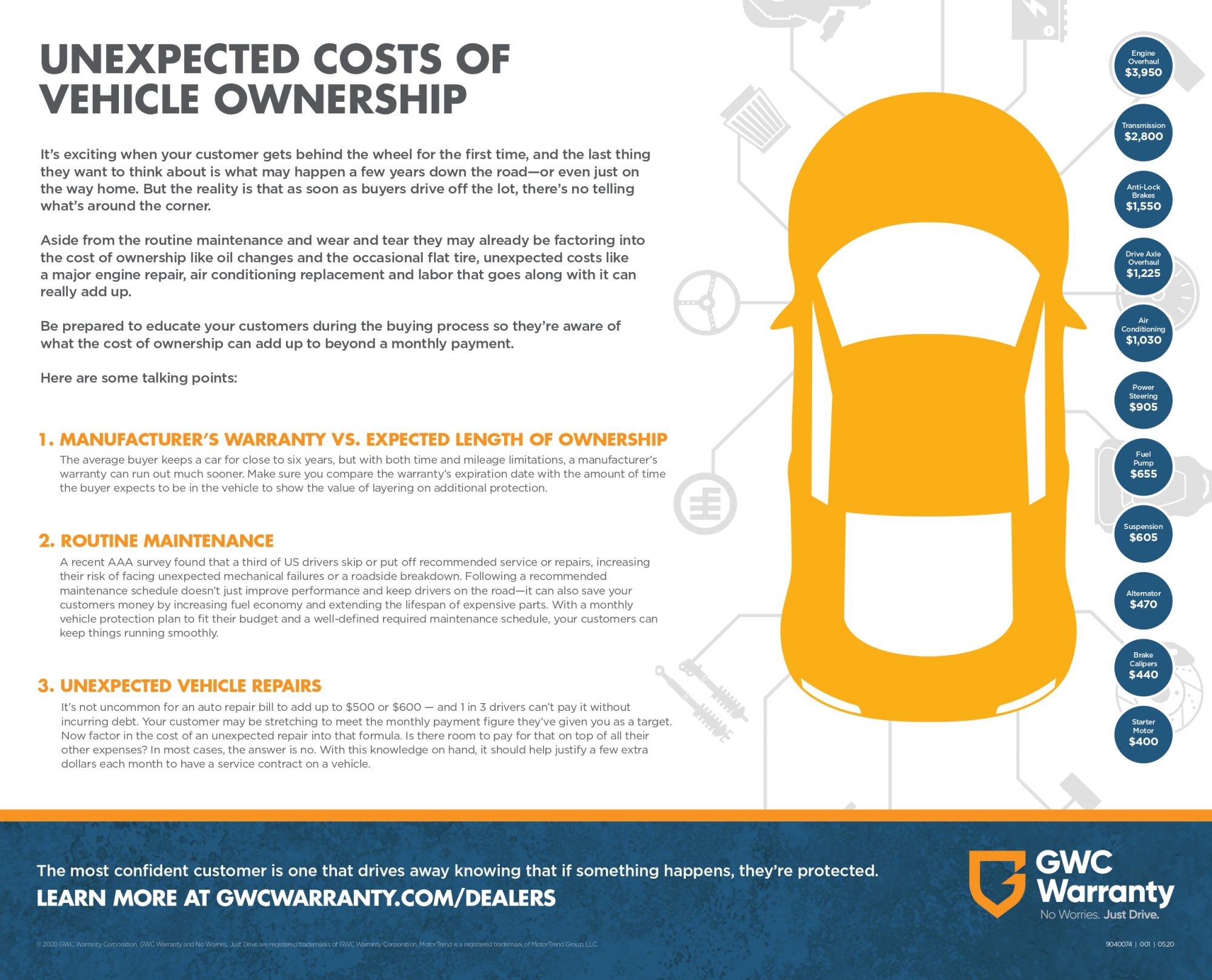
This is the entry-level tier, typically reserved for high-mileage vehicles or older models. It covers the most expensive components to repair: the engine, transmission, and drive axle. For a vehicle to be eligible, it must meet certain age and mileage prerequisites defined by the selling dealership. This plan is designed to prevent "catastrophic" financial loss rather than covering minor convenience features.
2. Essential Coverage
The Essential plan builds upon the Powertrain tier by adding coverage for specific secondary systems. These usually include the cooling system, fuel system, and basic electrical components like the alternator and starter motor. In 2026, as repair costs for specialized fuel injection systems have risen, this tier has become a popular "middle-ground" for budget-conscious drivers.
3. Comprehensive Coverage
This is a "stated component" plan, meaning the contract explicitly lists every part that is covered. If a part is not on the list, it is not covered. The Comprehensive plan includes the air conditioning system, steering, and braking components (excluding wear items like pads and rotors). This tier is highly recommended for vehicles with 60,000 to 100,000 miles, where mechanical failures in the steering rack or AC compressor become more statistically likely.
4. Ultra Coverage
Ultra coverage is GWC’s highest level of stated component protection. It encompasses everything in the lower tiers while adding advanced electrical components, such as power seat motors, window regulators, and sensors. As vehicles have become "computers on wheels," the Ultra plan is often the minimum recommended level for modern cars equipped with extensive infotainment and driver-assistance systems.
5. Exclusionary (No Worries) Coverage
The Exclusionary plan is the most robust offering. Instead of listing what is covered, it lists only what is not covered. Generally, everything is protected except for routine maintenance items (oil, tires, bulbs), cosmetic damage, and specific wear-and-tear parts. This plan most closely mimics a manufacturer's new-car bumper-to-bumper warranty.
Comparing GWC Warranty Plan Features
The following table outlines the typical coverage distribution across GWC’s primary tiers. Note that specific contracts may vary based on state regulations and dealership agreements.
| Feature/Component | Powertrain | Essential | Comprehensive | Ultra | Exclusionary |
|---|---|---|---|---|---|
| Engine & Transmission | Yes | Yes | Yes | Yes | Yes |
| Drive Axle | Yes | Yes | Yes | Yes | Yes |
| Cooling & Fuel | No | Yes | Yes | Yes | Yes |
| Air Conditioning | No | No | Yes | Yes | Yes |
| Brakes & Steering | No | No | Yes | Yes | Yes |
| Front Suspension | No | No | Yes | Yes | Yes |
| Electrical Systems | No | Basic | Standard | Advanced | Full |
| High-Tech Sensors | No | No | No | Yes | Yes |
| Wear & Tear Items | No | No | No | No | Limited |
The Claims Process: How to Use Your GWC Warranty
One of the primary friction points with third-party warranties is the claims process. GWC has streamlined this through a digital-first approach in 2026, though the fundamental steps remain grounded in traditional repair shop interactions.
- Identify the Failure: If your vehicle experiences a mechanical breakdown, you must take it to a licensed repair facility. GWC allows you to use any ASE-certified mechanic in the U.S. or Canada, providing flexibility if you are traveling.
- Obtain Authorization: This is the most critical step. The repair shop must contact GWC’s claims department before any work begins. GWC will review the technician's diagnosis against your contract. If the repair is covered, GWC issues an authorization number.
- Inspection (If Required): For high-dollar claims (usually over $1,500), GWC may send an independent third-party inspector to the shop to verify the cause of failure. This helps prevent fraud and ensures the failure wasn't caused by neglect.
- Completion and Payment: Once authorized, the shop completes the repair. GWC pays the repair facility directly via credit card or electronic transfer. The vehicle owner is responsible only for the deductible and any non-covered items (such as shop supplies or taxes, depending on the state).
Cost Factors and Pricing Drivers
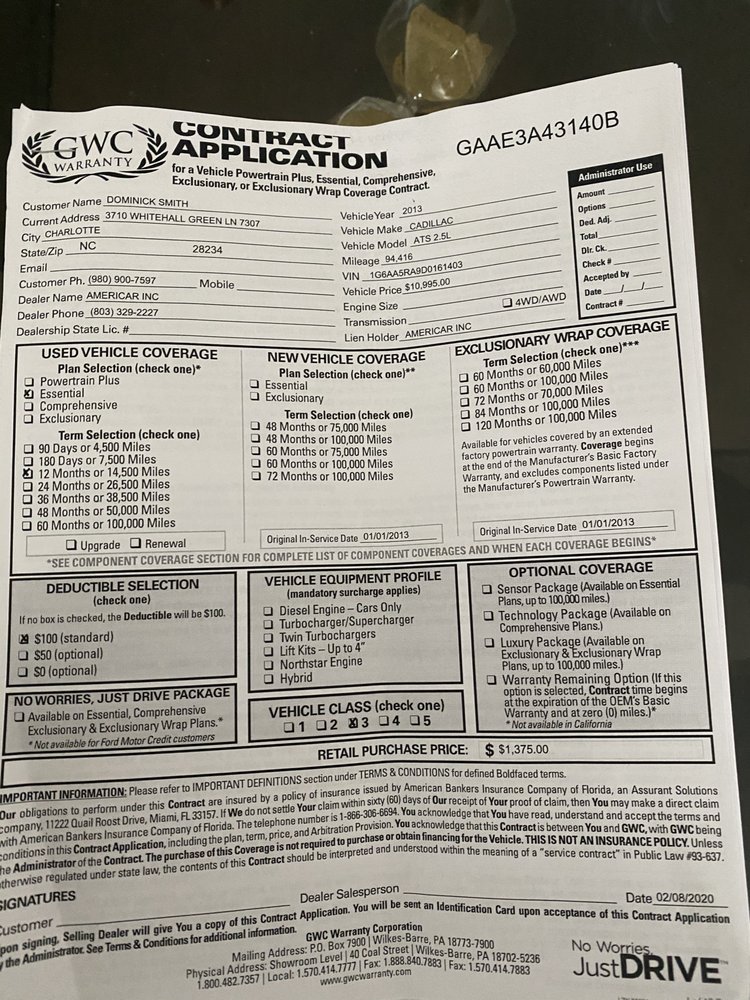
Because GWC warranties are sold through dealerships, there is no single "fixed" price for a plan. Several variables influence the final quote provided at the time of vehicle purchase:
- Vehicle Age and Mileage: Higher mileage increases the statistical likelihood of a claim, leading to higher premiums.
- Level of Coverage: There is a significant price gap between a basic Powertrain plan and a full Exclusionary plan.
- Deductible Amount: Choosing a $0 deductible will result in a higher upfront cost, while a $100 or $250 deductible will lower the initial price of the contract.
- Vehicle Class: A luxury European sedan with complex air suspension will cost significantly more to cover than a domestic compact car.
- Contract Length: You can typically choose between 12 months/12,000 miles up to 5 years/100,000 miles of additional coverage.
Advantages and Material Limitations
Pros of GWC Warranty
- Direct Payment: GWC pays the repair shop directly, meaning the consumer does not have to pay thousands of dollars upfront and wait for a reimbursement check.
- Transferability: If you sell your car privately, the GWC contract can often be transferred to the new owner, which can increase the vehicle's resale value.
- Additional Perks: Most plans include 24/7 roadside assistance, towing, rental car reimbursement, and travel interruption protection (reimbursement for food and lodging if you break down far from home).
- Longevity: Having been in business since 1994, GWC (APCO) has the financial backing to pay out long-term claims, unlike newer, unvetted startups.
Limitations to Consider
- No Direct Sales: You cannot buy a GWC warranty directly from their website; you must purchase it through a participating dealer at the time of vehicle sale (or shortly thereafter).
- Maintenance Requirements: GWC requires strict adherence to the manufacturer’s maintenance schedule. You must keep all receipts for oil changes and fluid flushes. Failure to provide proof of maintenance can result in a claim denial.
- Exclusions for Neglect: If a component fails because you continued to drive the vehicle while it was overheating or leaking fluid, the claim will likely be denied under the "consequential damage" clause.
Frequently Asked Questions
Can I choose my own mechanic with a GWC warranty?
Yes. GWC Warranty contracts allow repairs at any ASE-certified repair facility in the United States or Canada. This includes independent shops and franchise dealerships. However, the shop must be willing to work with third-party claims and accept payment via credit card. It is always advisable to confirm the shop’s policy before authorizing a teardown or diagnosis.
Does GWC cover "wear and tear" items like brake pads?
Generally, no. Vehicle service contracts are designed to cover mechanical failures, not routine maintenance or consumable parts. Items such as brake pads, rotors, wiper blades, tires, belts, and hoses are considered wear-and-tear items and are the owner's responsibility. Some high-level "Exclusionary" plans may cover certain seals and gaskets that wear out, but basic maintenance is never included.
What happens if GWC denies my claim?
If a claim is denied, GWC will provide a specific reason based on the contract language (e.g., "part not covered" or "pre-existing condition"). If you believe the denial is in error, you can request a "claim review" where a supervisor examines the technician's notes and any available photos. Providing detailed maintenance records is the best way to contest a denial based on alleged neglect.
Is the GWC warranty refundable if I trade in my car?
Yes, most GWC contracts are refundable on a pro-rata basis. If you trade in your vehicle or it is totaled in an accident before the contract expires, you can apply for a refund of the unused portion. This request usually must be processed through the dealership where you originally purchased the vehicle.
Does GWC cover electric vehicle (EV) batteries?
As of 2026, GWC has specific riders and plans tailored for electric and hybrid vehicles. While standard powertrain plans focus on engines and transmissions, their EV-specific coverage includes electric drive motors and power electronic modules. However, battery degradation (loss of range over time) is typically excluded, as it is considered a natural characteristic of the technology rather than a mechanical failure.
Final Recommendation for Consumers
GWC Warranty is a reputable choice for used car buyers who want a "hands-off" claims experience and the security of a long-standing provider. To get the most value, prioritize the Exclusionary or Ultra plans, as these cover the complex electronics that are most likely to fail in modern vehicles. Always retain your maintenance records in a digital folder, as these are your primary defense during a claims audit. If you are purchasing a vehicle from a dealership that offers GWC, review the specific "Contract Highlights" sheet to ensure the mileage and time limits align with your expected ownership period.
Image Gallery