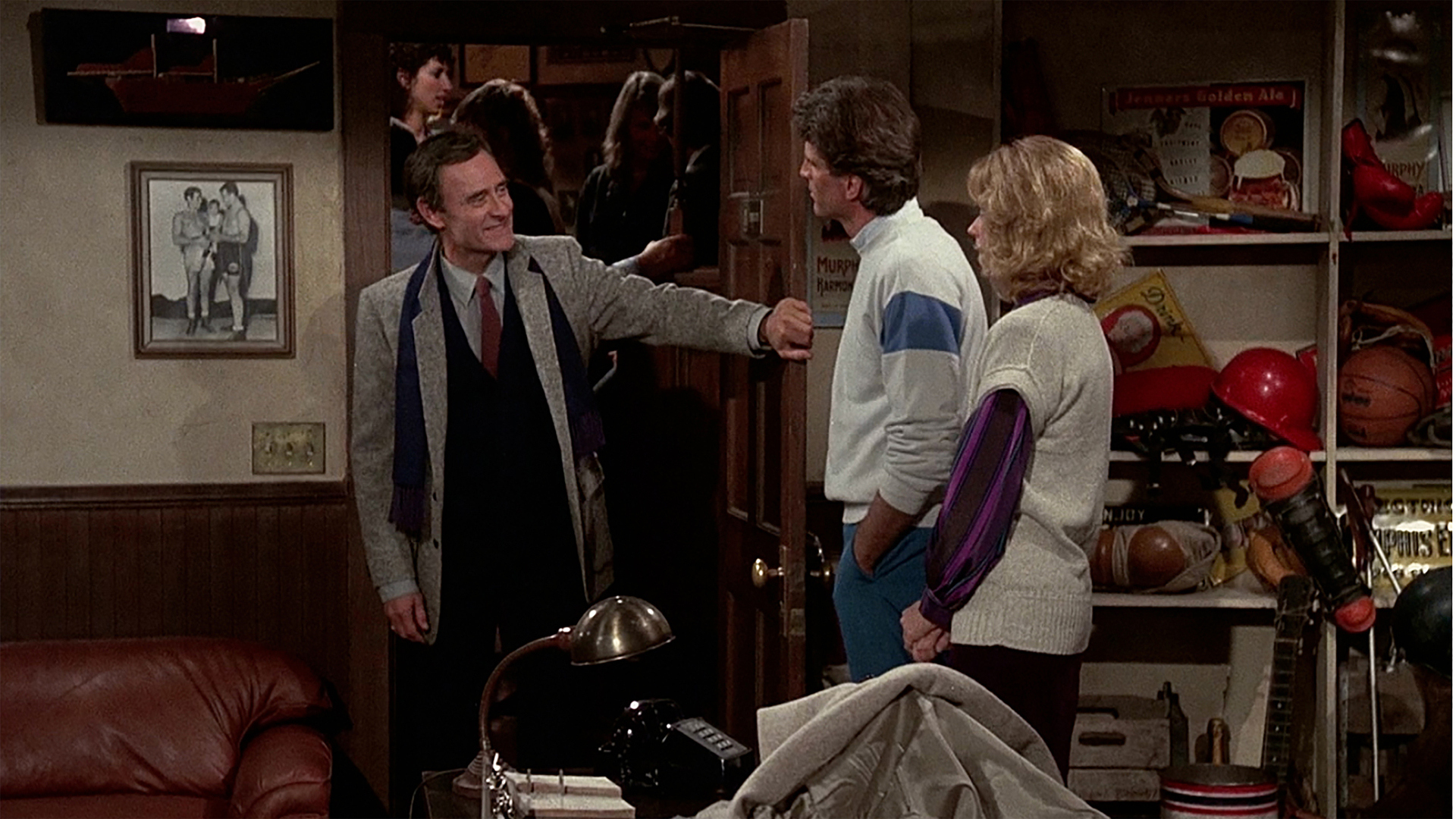
The Cheers Final Episode in Context: Understanding the Cultural Legacy of “One for the Road”
The final episode of Cheers, titled “One for the Road,” aired on May 20, 1993, serving as a landmark event in television history. By gathering 93 million viewers, it fundamentally altered the economics of primetime sitcoms, solidified...
The final episode of Cheers, titled “One for the Road,” aired on May 20, 1993, serving as a landmark event in television history. By gathering 93 million viewers, it fundamentally altered the economics of primetime sitcoms, solidified the "will-they-won't-they" trope as a narrative cornerstone, and established the gold standard for how a long-running ensemble comedy should conclude its creative journey.
Contents
The Television Landscape in 1993
To understand the final episode of Cheers, one must look at the medium of broadcast television in the early 1990s. At this time, the network era was beginning to face pressures from burgeoning cable offerings, yet the "must-see" status of a major sitcom finale remained a potent cultural force. Cheers had spent eleven seasons on NBC, anchoring the network’s "Must See TV" block.
When the series concluded, the finale was not merely an ending to a sitcom; it was a national event. The decision to air a 98-minute special underscored the network's investment in the intellectual property. In the context of 1993, this was the pinnacle of serialized narrative reach. Unlike contemporary streaming models where viewership is fractured and algorithmic, Cheers commanded a collective audience, allowing the finale to serve as a shared cultural milestone that resonated across demographics.
Narrative Evolution and Character Arcs
The brilliance of "One for the Road" lies in its commitment to the established character dynamics of the previous eleven years. The show consistently focused on the idea of the bar as a surrogate home, and the finale addressed the reality that individuals eventually outgrow their chosen families.
The Sam Malone and Diane Chambers Dynamic
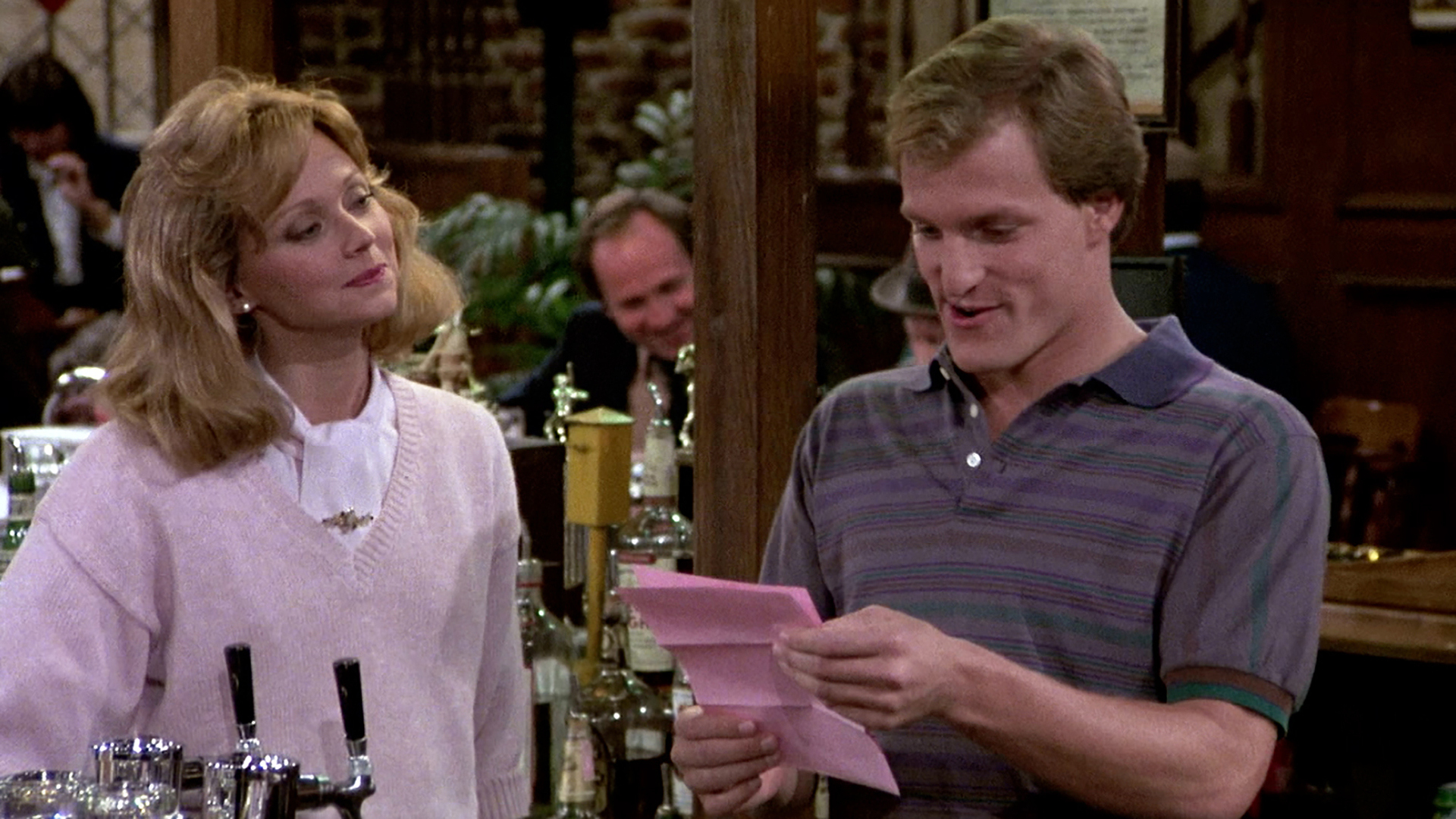
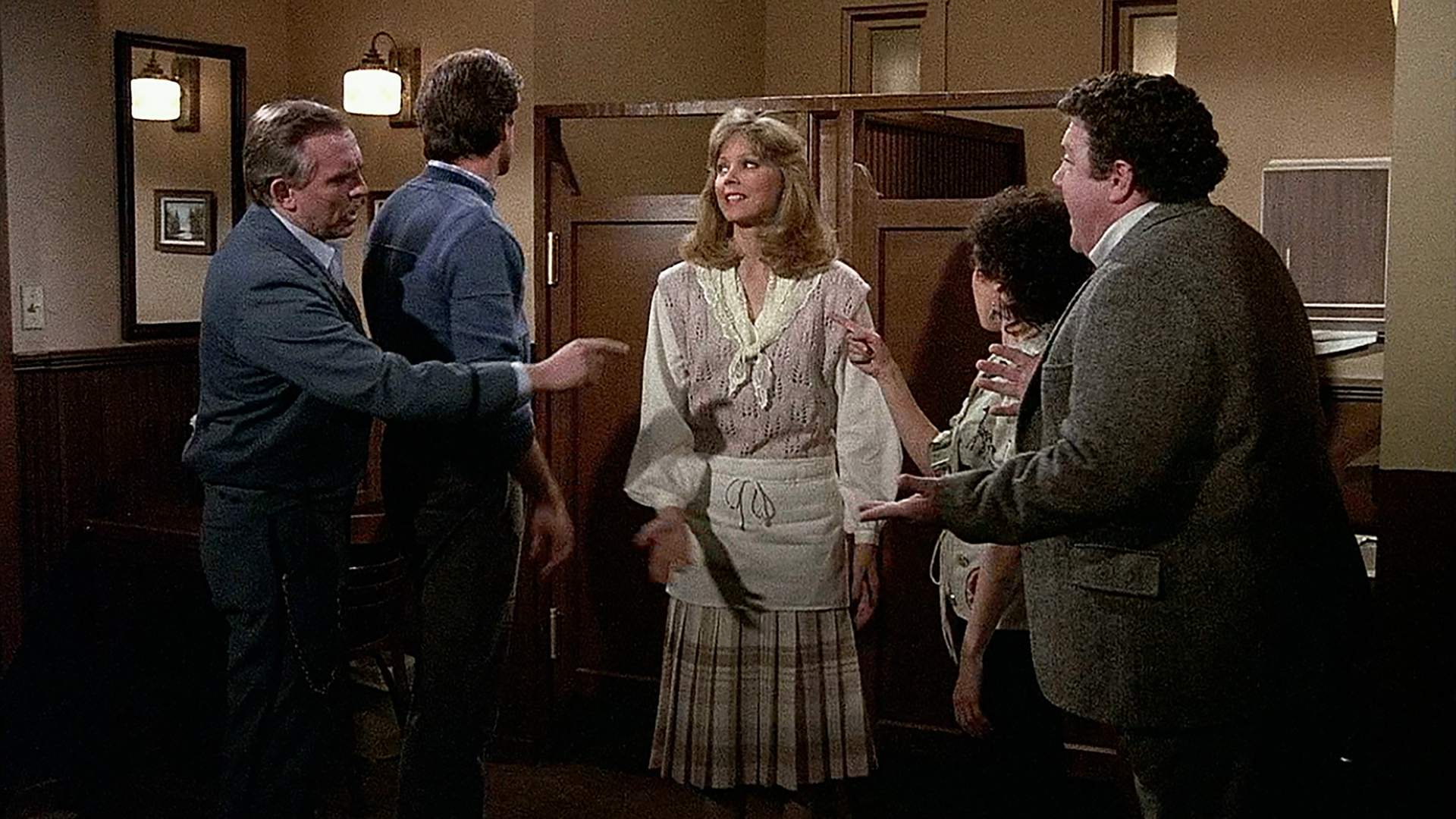
The central tension of the series—the tumultuous relationship between Sam Malone and Diane Chambers—was revisited in the final act. By bringing Shelley Long back for the finale, the writers provided resolution to a storyline that had haunted the show since her departure in 1987. The context here is critical: the writers chose not to force a "happily ever after" marriage. Instead, they validated the idea that Sam’s true love was the bar itself. This subversion of romantic expectation was a hallmark of the show's mature approach to character development.
The Ensemble Resolution
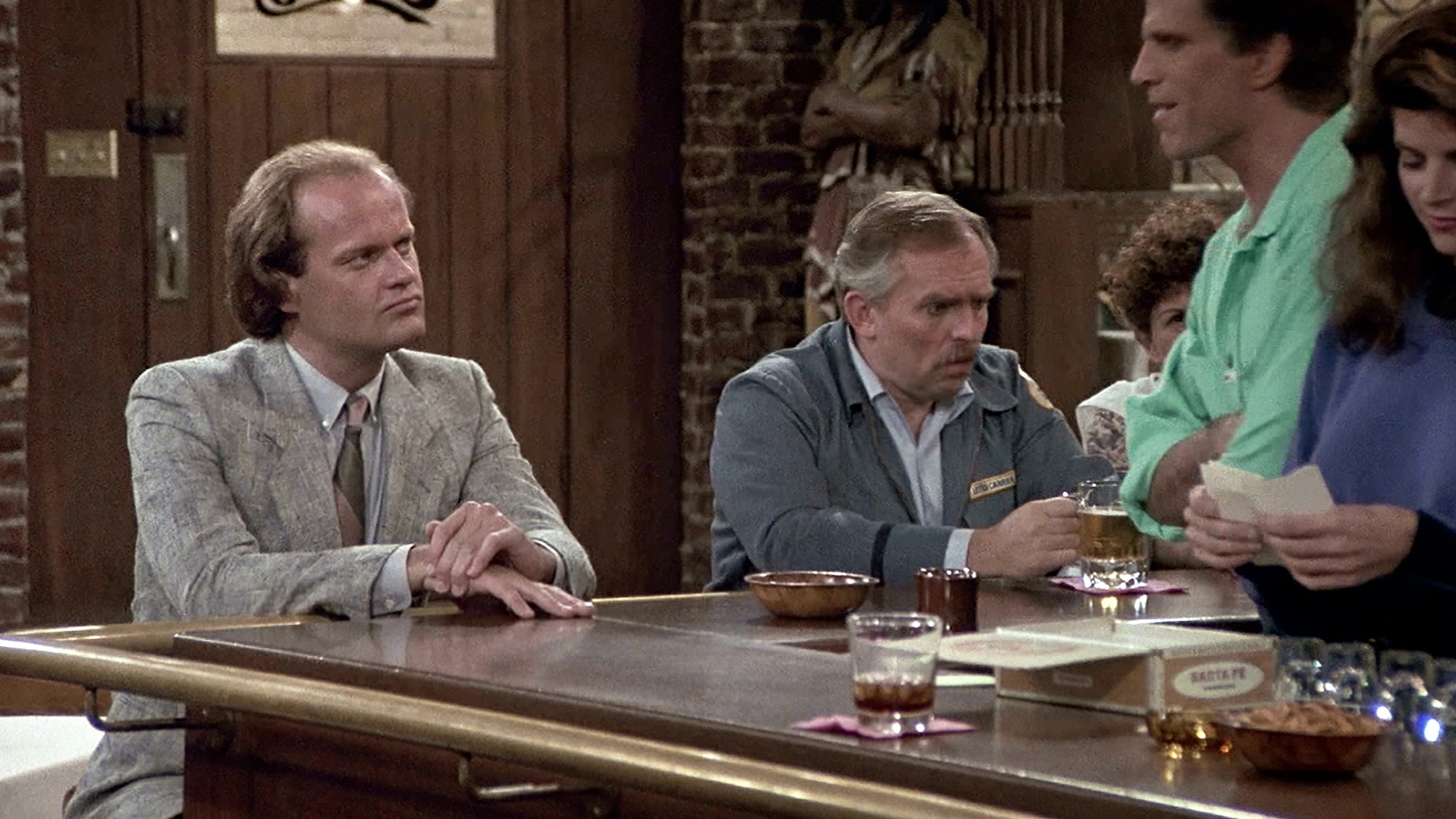
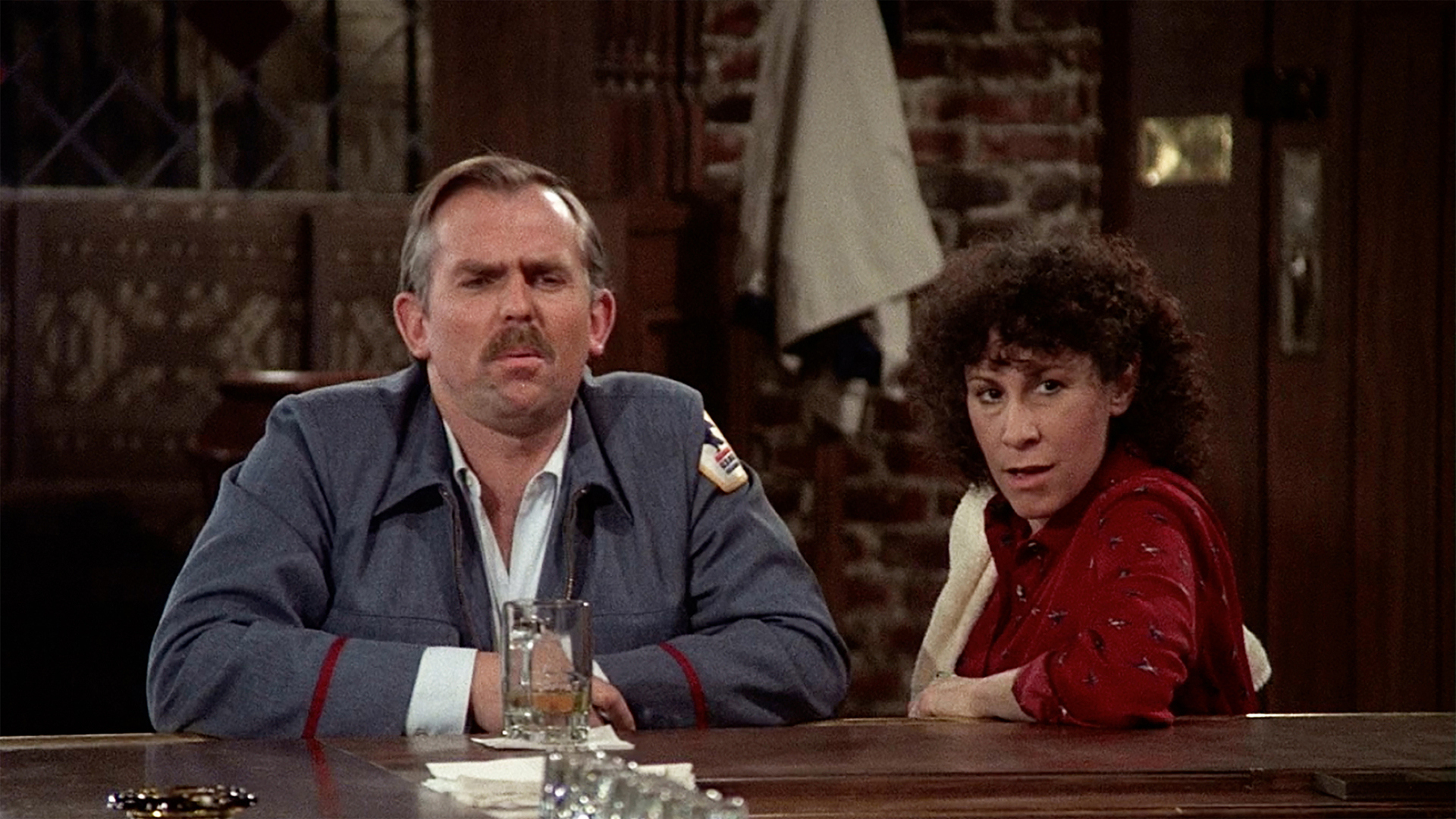
Each supporting character received a conclusion that felt organic to their established traits:
- Cliff Clavin: Remained the pedantic, lovable know-it-all, firmly rooted in his mundane reality.
- Norm Peterson: Continued his eternal search for a beer, representing the stability of the bar’s regulars.
- Carla Tortelli: Found a path forward that recognized her growth as a mother and individual, even while retaining her sharp edges.
- Frasier Crane: His transition into his own spin-off series was handled with grace, ensuring that his character remained consistent as he moved toward his own narrative future.
Comparative Impact of Sitcom Finales
When evaluating the legacy of Cheers, it is helpful to compare its conclusion against other significant sitcom finales of the era. The following table highlights the structural context of major finales during that period.
| Series Finale | Year | Audience Focus | Primary Resolution Strategy |
|---|---|---|---|
| Cheers | 1993 | Character closure | The bar persists; characters move on |
| The Mary Tyler Moore Show | 1977 | Career/Team dynamics | Everyone is fired; the office closes |
| Newhart | 1990 | Surrealism | The entire series is revealed as a dream |
| Seinfeld | 1998 | Cynicism | Characters face legal consequences |
The data shows that Cheers occupied a middle ground between the sentimental closure of The Mary Tyler Moore Show and the experimental risks taken by later shows like Newhart. By choosing to keep the bar open, the writers acknowledged that the story of Cheers was bigger than any one character.
The Business of the Finale
From a production standpoint, the final episode was a masterclass in risk management and legacy preservation. The showrunners were aware that they were competing against the memory of the show's own high-water marks.
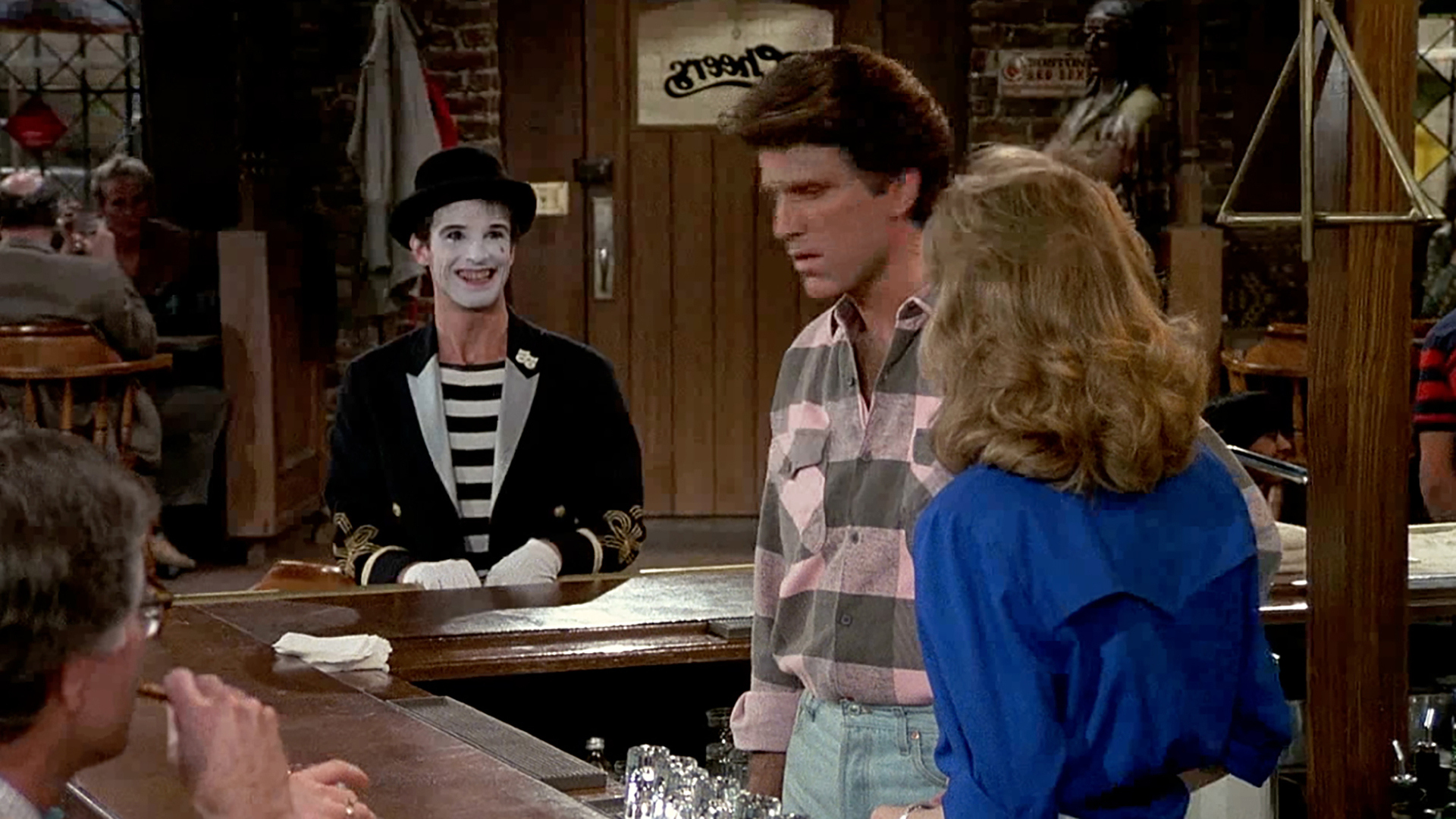
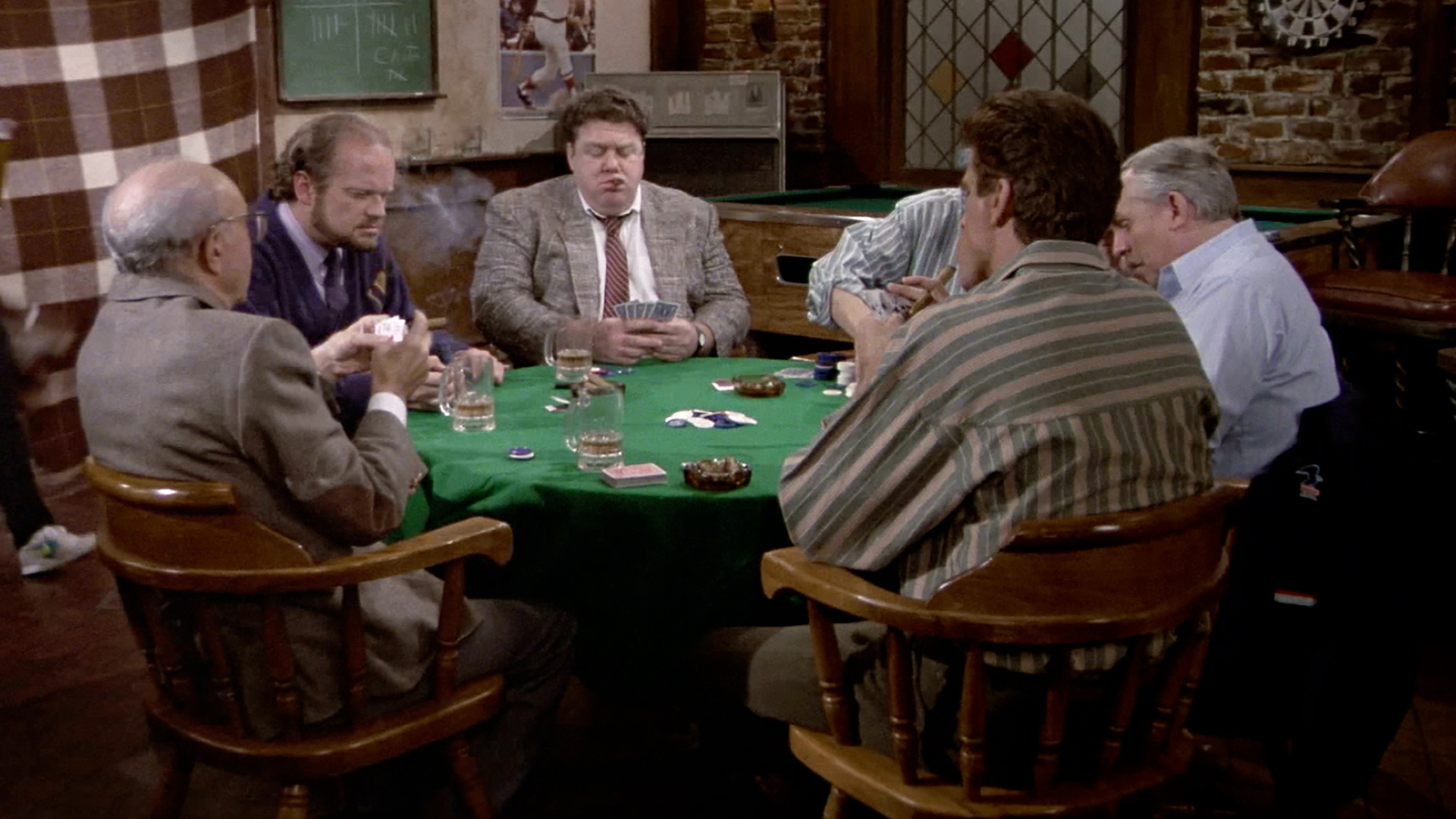
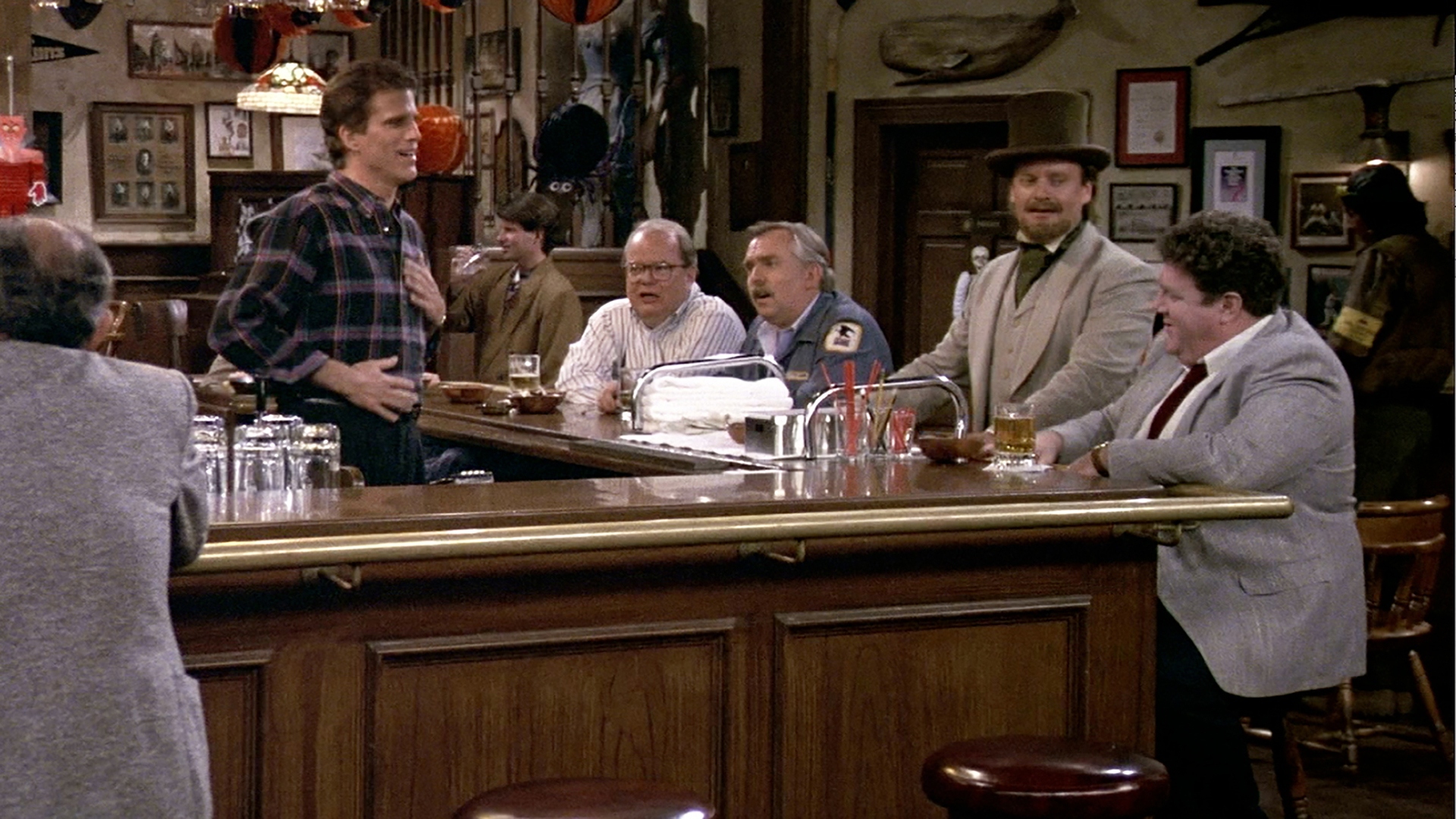
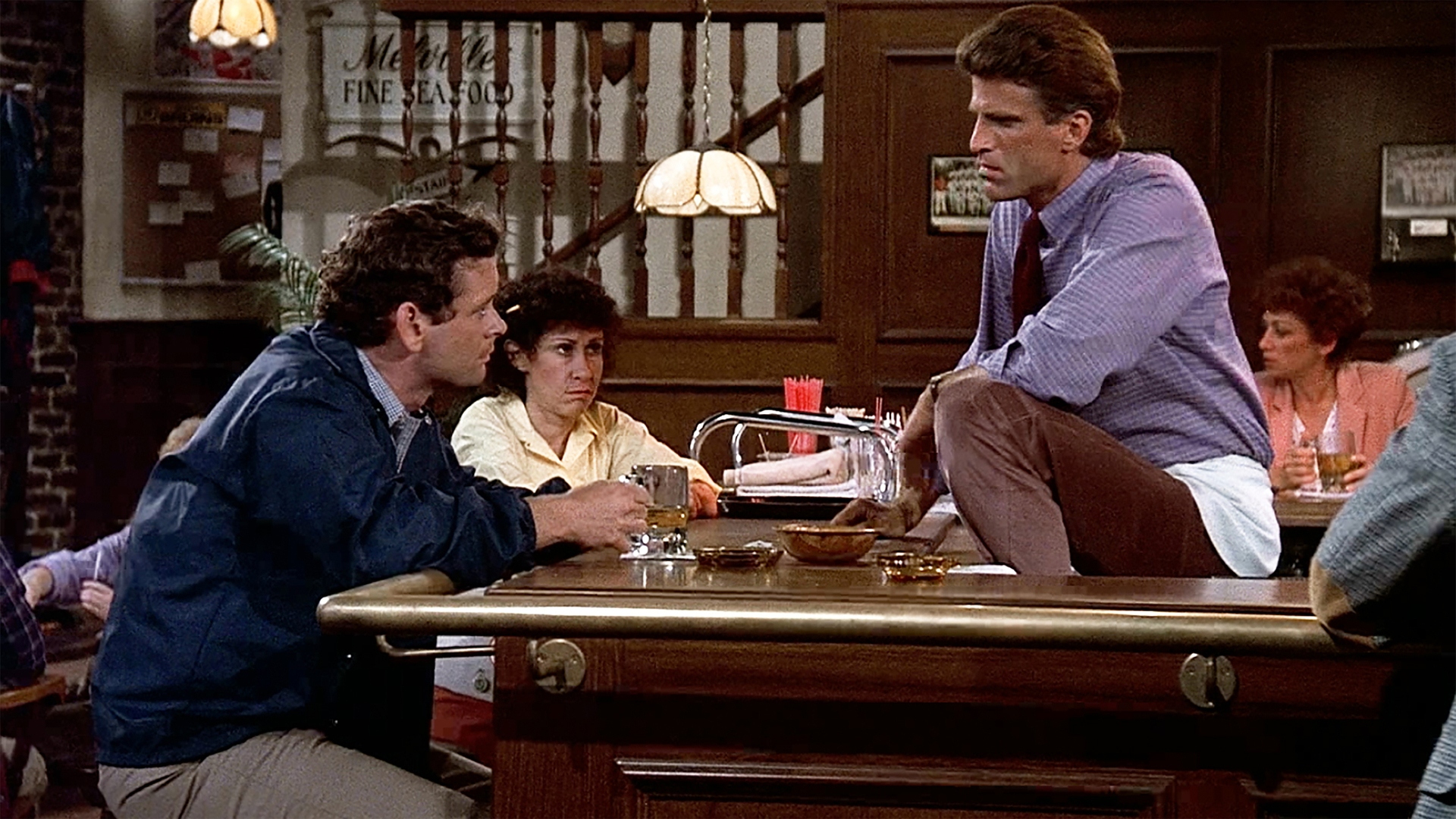
By keeping the production focused on the physical space of the bar—the same set that had defined the series since 1982—they grounded the episode in a sense of place. This production consistency was vital. In 2026, as production costs continue to rise and the demand for high-fidelity sets increases, the lesson of Cheers remains clear: a compelling script and authentic character interactions can carry more weight than expensive location shoots or massive changes in scope.
Common Misconceptions Regarding the Ending
A frequent point of discussion among audiences is the perceived "sadness" of the final scene, in which Sam Malone turns off the lights and walks into the shadows. Critics and casual viewers alike have debated whether this was a statement on loneliness or a statement on the necessity of moving on.
In the context of the series, this ending was a testament to the show’s honesty. The staff and patrons of Cheers were defined by their inertia; the bar was a place where people paused their lives. To show the bar finally being empty, and to show Sam accepting that he belonged there more than anywhere else, provided a definitive period at the end of a long sentence. It was not a defeat; it was an admission of identity.
Frequently Asked Questions
Why did the Cheers finale feature a longer runtime than standard episodes?
The 98-minute runtime was designed to act as a retrospective and a swan song for the characters. Networks in the early 90s utilized expanded finales to maximize advertising revenue and ensure that the narrative weight of a long-running series received the necessary space for a proper conclusion.
Did the actors have input into how their characters ended?
The writers and producers held the primary creative authority, but the longevity of the show meant that the actors had deep, intuitive knowledge of their characters. Collaborative discussions ensured that the resolutions for characters like Cliff and Norm stayed true to the established "voice" of the show.
How did the finale influence the spinoff series Frasier?
The finale provided a clean break for Frasier Crane. By establishing his move to Seattle, the finale set the stage for a change in tone and setting, which was essential for Frasier to succeed as a distinct entity rather than a pale imitation of Cheers.
Was there ever consideration for a revival or reunion?
While various members of the cast have appeared together in other projects, the producers of the finale were very careful to treat "One for the Road" as a finite point. In the current 2026 landscape of constant media reboots, the relative restraint surrounding the Cheers finale continues to be praised by industry critics as a hallmark of creative integrity.
What is the primary takeaway for modern showrunners?
The main lesson is the importance of "character-first" endings. While special effects and high-concept plots draw interest, the Cheers finale succeeded because it honored the emotional contract it made with the audience over 275 episodes.
Recommendation for Further Exploration
For those interested in the technical and narrative architecture of the episode, the most effective next step is to re-watch the final sequence of "One for the Road" while observing the background details of the set. Note the deliberate choice of lighting and the quiet absence of the usual background chatter that defined the bar throughout the series. This provides a visual shorthand for the thematic transition from a social hub to a memory. Furthermore, reviewing the archived press releases from the 1993 NBC upfronts provides additional insight into how the network leveraged this finale to solidify its dominance in the television market at the time.
Image Gallery