Understanding the Third Amendment: History, Purpose, and Modern Legal Significance
The Third Amendment to the United States Constitution prohibits the federal government from forcing citizens to house soldiers in their homes during peacetime without the owner's consent. In times of war, such quartering may only occur...
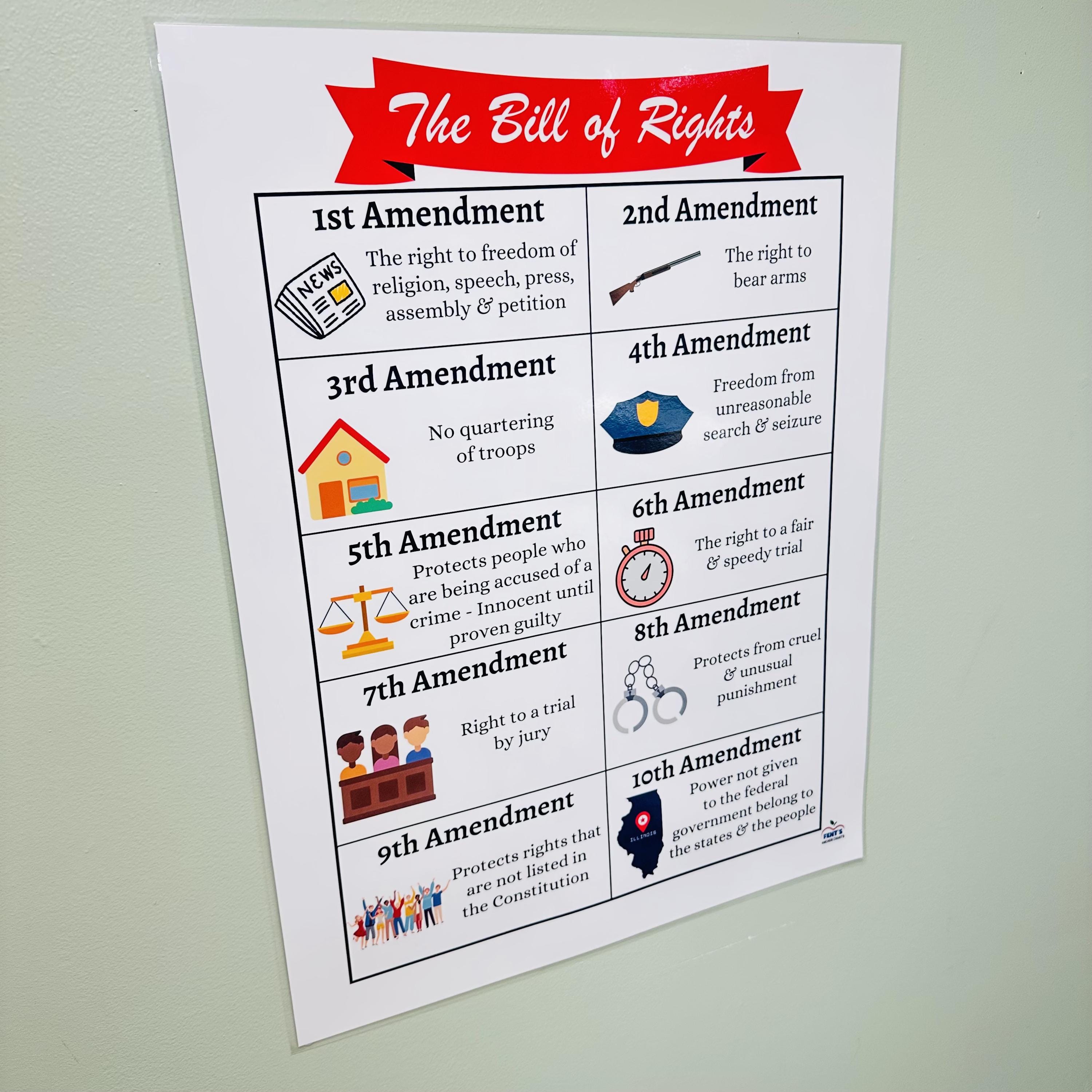
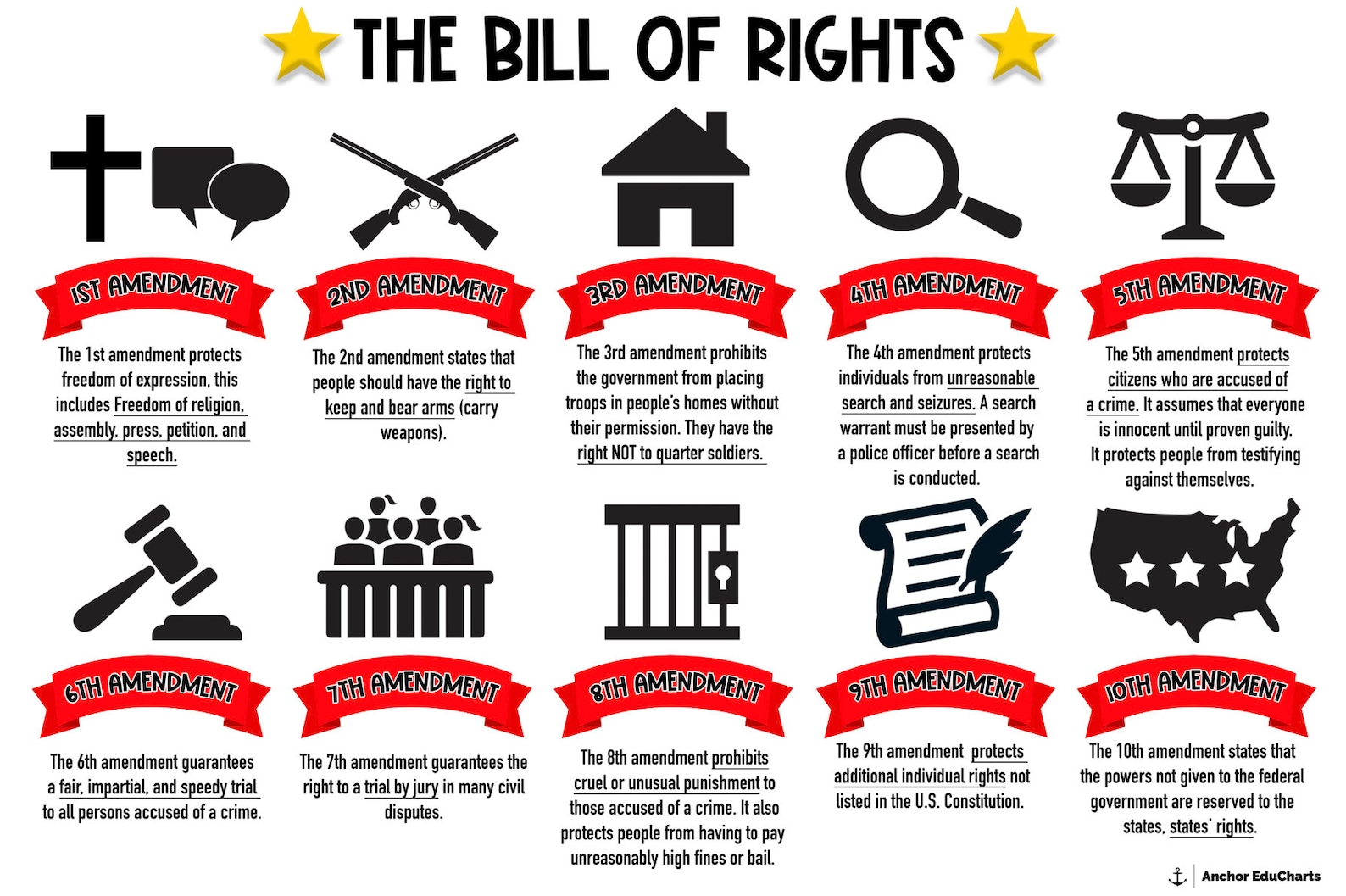
The Third Amendment to the United States Constitution prohibits the federal government from forcing citizens to house soldiers in their homes during peacetime without the owner's consent. In times of war, such quartering may only occur in a manner specifically prescribed by law, ensuring military necessity never overrides civilian property rights without legislative oversight.
Contents
While often described as the "forgotten" or "dormant" amendment, the Third Amendment remains a foundational pillar of American constitutional law. It serves as a permanent barrier against the type of military overreach that helped ignite the American Revolution. As of 2026, it stands as a testament to the Framers' intent to subordinate military power to civilian authority and to protect the sanctity of the private home. This article explores the historical grievances that birthed the amendment, its rare appearances in the courtroom, and its enduring role in defining the American right to privacy.
The Historical Context: The Quartering Acts
To understand why the Third Amendment was included in the Bill of Rights, one must look at the decades of tension between the American colonies and the British Crown. During the mid-18th century, particularly following the French and Indian War, Great Britain maintained a large standing army in North America. This presence was both a financial burden and a source of social friction.
The Quartering Act of 1765
The British Parliament passed the first Quartering Act in 1765, requiring colonial assemblies to pay for the barracks and supplies of British troops. If barracks were unavailable, the act mandated that soldiers be housed in "victualling houses," alehouses, and stables. While it did not yet authorize the use of private homes, the colonists viewed it as a form of "taxation without representation" because it forced them to fund a standing army they did not request.
The Quartering Act of 1774 and the Coercive Acts
The situation escalated significantly with the Quartering Act of 1774, one of the "Intolerable Acts" (or Coercive Acts) passed in response to the Boston Tea Party. This version went much further, allowing the royal governor to house soldiers in "other buildings" if barracks were not provided. In practice, this often meant private warehouses or dwellings. The presence of redcoats in the heart of colonial cities like Boston became a symbol of tyranny.
These grievances were so central to the revolutionary cause that they were explicitly cited in the Declaration of Independence. Thomas Jefferson accused King George III of "quartering large bodies of armed troops among us" and of "affecting to render the Military independent of and superior to the Civil power."
Breaking Down the Text of the Third Amendment
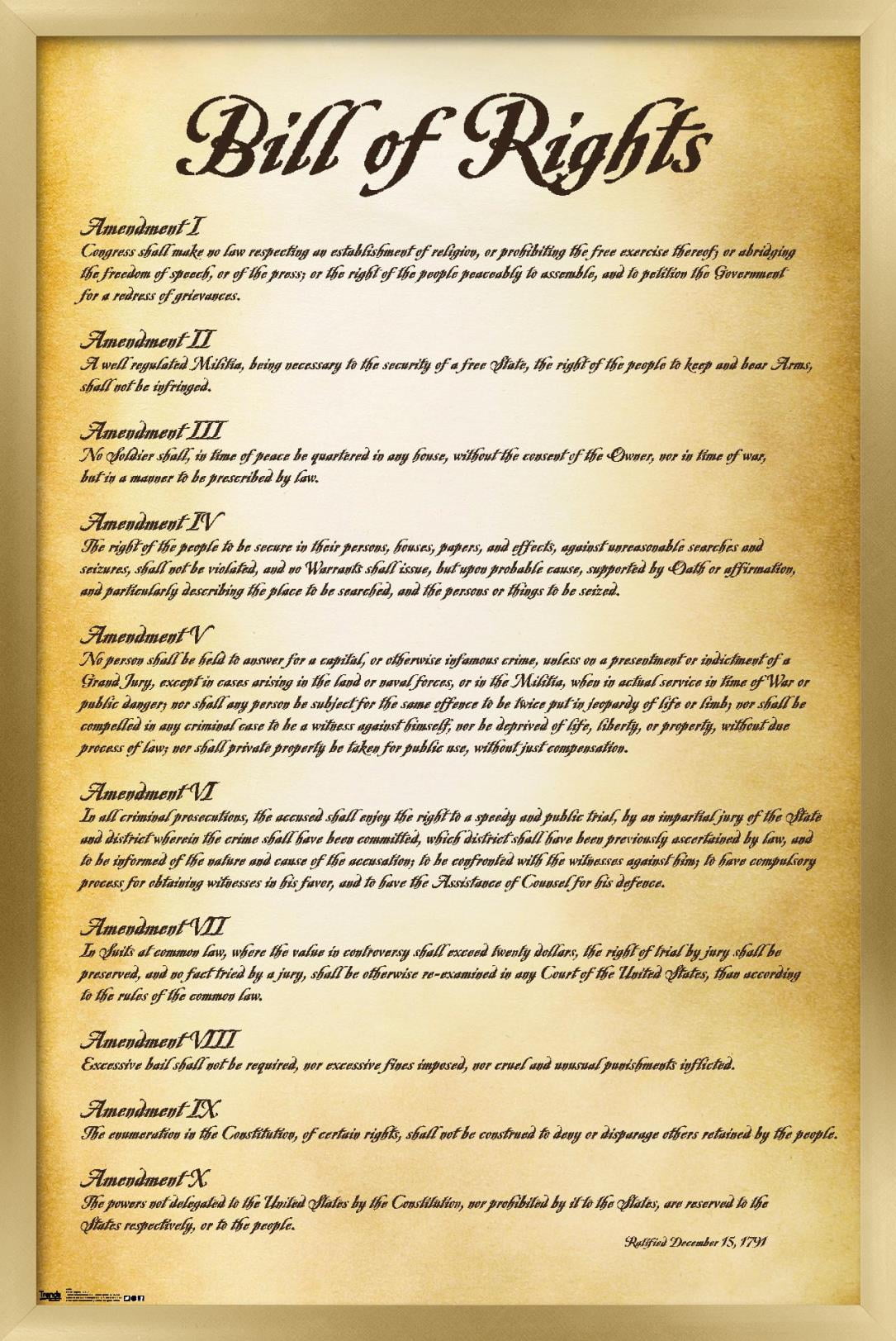
The amendment is concise, consisting of a single sentence: "No Soldier shall, in time of peace be quartered in any house, without the consent of the Owner, nor in time of war, but in a manner to be prescribed by law." Despite its brevity, every word carries significant legal weight.
"No Soldier"
The definition of "soldier" is generally understood to include any member of the armed forces. In modern legal contexts, this definition has been debated to include National Guard members acting under federal or state authority. However, it does not typically extend to local police officers, a distinction that has been central to modern litigation.
"Quartered in Any House"
"Quartering" refers to the act of providing lodging or shelter. The term "house" has been interpreted broadly by legal scholars to include not just traditional single-family homes, but any private dwelling where an individual has a reasonable expectation of privacy and a possessory interest, such as an apartment or a rented room.
"Consent of the Owner"
The Third Amendment is an absolute barrier during peacetime unless the owner gives permission. This reinforces the principle that a person's home is their castle, a concept derived from English Common Law (specifically the ideas of Sir Edward Coke).
"In a Manner to be Prescribed by Law"
This clause provides a safety valve for national emergencies during wartime. However, it ensures that the military cannot unilaterally seize property. Instead, the civilian legislature (Congress) must pass laws defining how, when, and where quartering can occur, maintaining the hierarchy of civilian over military rule.
Legal Precedents and the Rare Case of Engblom v. Carey
The Third Amendment is the least litigated part of the Bill of Rights. For most of American history, it was never used as the primary basis for a Supreme Court decision. However, a landmark case in the 20th century provided the most significant interpretation of the amendment to date.
Engblom v. Carey (1982)
The case of Engblom v. Carey arose from a 1979 strike by New York State correctional officers. During the strike, the National Guard was called in to manage the prisons. The striking officers were evicted from their employee dormitory housing, which was then used to house the National Guard troops.
The U.S. Court of Appeals for the Second Circuit made several crucial rulings in this case:
- Incorporation: The court suggested that the Third Amendment is "incorporated" against the states through the Fourteenth Amendment, meaning state governments (not just the federal government) must respect it.
- Definition of Soldier: The court ruled that National Guardsmen are "soldiers" within the meaning of the Third Amendment.
- Property Rights: Most importantly, the court held that the protection extends to anyone who has a legitimate "possessory interest" in a property, not just the title-holding owner. Since the officers rented their dorm rooms, they were entitled to Third Amendment protection.
Mitchell v. City of Henderson (2013)
A more recent attempt to invoke the Third Amendment occurred in Mitchell v. City of Henderson. In this case, a family sued after police allegedly took over their home to gain a tactical advantage during a domestic dispute in a neighboring house. The plaintiffs argued that the police were "soldiers" under the Third Amendment. However, the federal court dismissed the claim, ruling that police officers are not soldiers, even when using military-style tactics or equipment.
Comparison: Colonial Grievances vs. Constitutional Protection
The following table outlines how the Third Amendment specifically addressed the issues faced by the American colonists prior to the Revolution.
| Feature | British Quartering Acts (1765-1774) | Third Amendment (1791) |
|---|---|---|
| Authority | Decreed by Parliament and Royal Governors. | Prescribed by Congress (Civilian Law). |
| Peacetime Status | Allowed quartering in barracks, inns, and eventually "other buildings." | Prohibited in any house without owner consent. |
| Wartime Status | Unrestricted military seizure in many instances. | Allowed only under specific legislative guidelines. |
| Primary Beneficiary | The British Crown and Standing Army. | Private property owners and residents. |
| Civilian Control | Military often operated independently of local laws. | Establishes military subordination to civilian law. |
The Third Amendment and the Right to Privacy
While the Third Amendment is rarely cited in court for quartering issues, it plays a vital role in the broader judicial concept of the "right to privacy."
In the landmark case Griswold v. Connecticut (1965), which struck down laws prohibiting the use of contraceptives, Justice William O. Douglas argued that the Bill of Rights contains "penumbras" or zones of privacy created by several amendments. He specifically pointed to the Third Amendment as evidence that the Constitution protects the sanctity of the home from government intrusion.
According to this view, the Third Amendment is not just about soldiers; it is about the principle that the government cannot intrude into the private domestic sphere. It works alongside the Fourth Amendment (protection against unreasonable searches and seizures) to establish that a person's home is a space where the government's power is strictly limited.
Modern Relevance in 2026
In 2026, the Third Amendment continues to serve as a symbolic and legal bulwark. While the threat of soldiers knocking on doors for a bed has vanished, the amendment's principles are frequently referenced in debates regarding:
- Militarization of Police: Although courts have generally held that police are not soldiers, the Third Amendment is often invoked in academic and public discourse to criticize the use of military-grade equipment and tactics by local law enforcement.
- National Emergencies: During times of crisis, there are often questions about the government's power to commandeer private property. The Third Amendment stands as a reminder that such actions must be grounded in law, not military fiat.
- Digital Privacy: Some legal scholars argue that the "quartering" of government surveillance equipment or software in private digital spaces (like home servers or personal devices) could eventually be challenged using Third Amendment logic, though this remains an emerging and unproven theory.
Frequently Asked Questions
Has the Supreme Court ever decided a case based on the Third Amendment?
No. The Supreme Court has never issued a primary ruling based solely on the Third Amendment. It has only referenced the amendment in passing, most notably in Griswold v. Connecticut, to support the existence of a constitutional right to privacy. The most significant interpretation remains the Second Circuit's decision in Engblom v. Carey.
Does the Third Amendment apply to the police?
Currently, no. Federal courts have consistently ruled that municipal and state police officers do not qualify as "soldiers" under the Third Amendment. Even when police use military equipment, such as armored vehicles or tactical gear, they are considered civilian law enforcement rather than military personnel.
Can the government ever house soldiers in private homes?
Yes, but only during a "time of war" and only "in a manner to be prescribed by law." This means the President cannot simply order soldiers into homes; Congress must pass a specific statute outlining the procedures for such quartering, which would likely include provisions for compensation and duration.
Does the Third Amendment protect renters or only homeowners?
Based on the ruling in Engblom v. Carey, the amendment protects anyone with a "possessory interest" in a dwelling. This includes renters, tenants, and even employees living in company-provided housing. The key factor is whether the individual has a legal right to occupy the space.
Is the Third Amendment relevant if there is no war?
Absolutely. Its primary function is to prevent quartering during "time of peace." It acts as a permanent check on the government's power, ensuring that even in times of stability, the military remains separate from and subordinate to the domestic lives of citizens.
Recommended Next Action
For those interested in the practical application of property rights and constitutional protections, it is recommended to study the Fourth Amendment alongside the Third. While the Third Amendment prevents the government from living in your home, the Fourth Amendment prevents the government from searching it without a warrant. Understanding the intersection of these two amendments provides a comprehensive view of how the U.S. Constitution protects the private "castle" of the individual. You can find original source documents and historical analysis at the National Archives or through the Legal Information Institute at Cornell Law School.
Image Gallery