Old Pictures of Taylor Swift Revealed: A Comprehensive Visual History of a Global Icon
The archival journey of Taylor Swift’s early life offers a rare glimpse into the transformation of a Pennsylvania girl into a global cultural phenomenon. These revealed images, spanning from her childhood on a Christmas tree farm to he...
The archival journey of Taylor Swift’s early life offers a rare glimpse into the transformation of a Pennsylvania girl into a global cultural phenomenon. These revealed images, spanning from her childhood on a Christmas tree farm to her formative Nashville years, document her aesthetic evolution, her consistent dedication to songwriting, and the authentic roots that would eventually define the multi-decade "Eras" of her career.
Contents
The fascination with old pictures of Taylor Swift stems from more than mere celebrity curiosity; it is a study in brand evolution and the "girl-next-door" narrative that remains central to her identity. In 2026, as we look back at two decades of her public life, these archival finds serve as a historical record of the music industry’s shift from physical media to the digital age.
The Pennsylvania Roots: Life Before the Limelight
Before she was a 14-time Grammy winner, Taylor Swift’s life was centered in Wyomissing and Reading, Pennsylvania. The "revealed" photos from this era often depict a world far removed from stadium lights. Swift grew up on an 11-acre Christmas tree farm, an environment she later immortalized in her 2019 holiday track "Christmas Tree Farm."
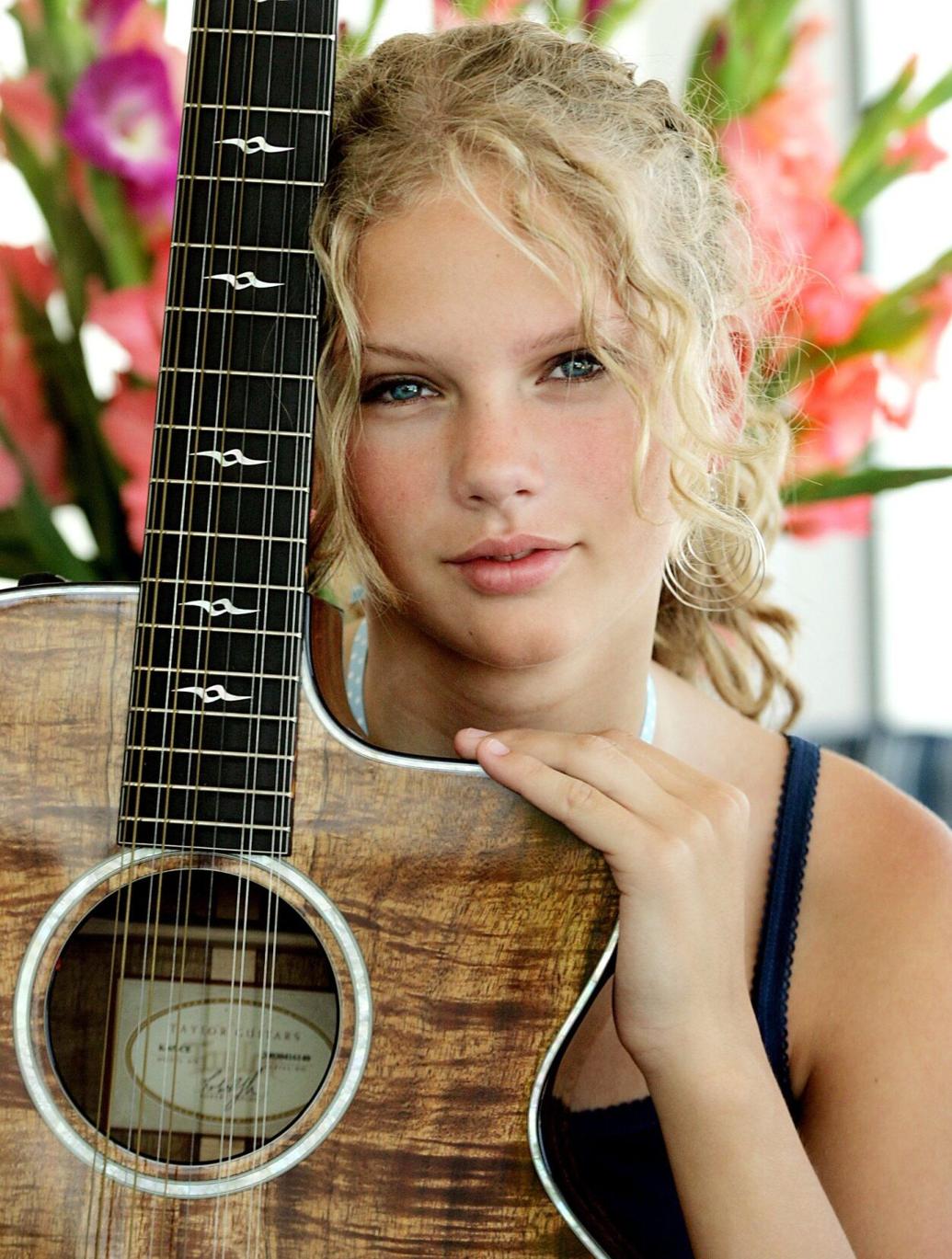
Archival photos from the late 1990s show a young Swift with her signature natural blonde curls, often engaged in equestrian activities or local theater productions. These images are significant because they establish her early comfort with performance. Local theater troupes in the Berks County area have occasionally shared program photos from productions like Bye Bye Birdie, where a pre-teen Swift displayed the expressive stage presence that would later characterize her world tours.
The aesthetic of these early photos is defined by late-90s Americana: denim overalls, floral dresses, and a complete lack of the high-fashion polish seen in her later years. For fans, these images verify the "authentic" origin story that Swift has maintained throughout her career—a girl who was more interested in poetry and guitar chords than middle school social hierarchies.
The Nashville Transition and the Hendersonville High Era
The most pivotal "reveal" in the timeline of Taylor Swift’s early photos occurs around 2003 and 2004, when the Swift family moved to Hendersonville, Tennessee. This move was a calculated risk to support Taylor’s budding music career, and the photos from this period capture a teenager balancing the mundane life of a high school student with the grueling demands of a Nashville songwriter.
Yearbook photos from Hendersonville High School frequently surface on social media, showing Swift among her peers. Unlike many child stars who are homeschooled from a young age, Swift attended public school for two years before her career required a shift to private tutoring. These candid shots reveal a student who was active in her community, often seen with her guitar case in tow.
During this time, Swift was a frequent performer at the Bluebird Café, a legendary venue for songwriters. Photos from these small-scale performances are highly prized by collectors and historians. They show a raw, unpolished version of the artist—often just her, an acoustic guitar, and a microphone. This era is characterized by the "Debut" aesthetic: cowboy boots, sundresses, and a heavy reliance on a bohemian, country-inspired wardrobe.
The MySpace Era: Rare Digital Artifacts
One of the most unique aspects of Taylor Swift’s rise is her early mastery of social media. Long before Instagram or TikTok, Swift used MySpace to build a direct relationship with her fans. In recent years, "revealed" screenshots and photos from her original MySpace page have provided a nostalgic look at how she communicated in the mid-2000s.
These images are distinct because they were often self-taken or captured by friends, offering a level of intimacy that professional photography cannot replicate. They show Swift in her bedroom, recording demos, or hanging out with her high school friends. This digital archive is a testament to her early understanding of the "parasocial" connection—making fans feel like they were growing up alongside her.
The technical quality of these photos—often low-resolution, taken with early digital cameras or flip phones—adds a layer of authenticity. They serve as a stark contrast to the high-definition, meticulously edited imagery of her later career, highlighting the rapid technological advancement of the 21st century.
Historical Milestones and Visual Markers
To understand the evolution of Taylor Swift's public image, it is helpful to categorize the visual markers of her early career. The following table outlines the key phases of her "revealed" history leading up to her global superstardom.
| Era / Period | Geographic Location | Primary Aesthetic | Key Visual Archetypes |
|---|---|---|---|
| Childhood (1989–2002) | Wyomissing, PA | Americana / Rural | Christmas trees, horses, theater headshots |
| Early Nashville (2003–2005) | Hendersonville, TN | Emerging Country | Acoustic guitars, sundresses, natural curls |
| Self-Titled Era (2006–2007) | Global / On Tour | Teenage Country Star | Cowboy boots, rhinestones, Bluebird Café sets |
| Fearless Era (2008–2009) | Global | Fairytale / Romantic | Gold dresses, "13" hand-drawn on palm, bandanas |
The Impact of Documentaries on "Revealed" Footage
The most significant influx of "new" old pictures and videos occurred with the release of the 2020 documentary Miss Americana and the subsequent archival montages in The Eras Tour concert film. These professional productions opened the family archives, showing Taylor Swift as a toddler singing into plastic microphones and as a teenager crying over early career rejections.
These "reveals" are carefully curated to support the narrative of resilience and hard work. For instance, home video footage of Swift receiving her first guitar at age 12 provides "proof" of her long-standing commitment to the craft. By 2026, these images have been integrated into the broader "Swiftian" mythology, used by fans to track everything from her changing handwriting to the recurrence of specific jewelry items over the decades.
Verification and Authenticity in the Age of AI
In 2026, the challenge for fans and historians is distinguishing genuine "revealed" archival photos from AI-generated fabrications. As generative AI has become more sophisticated, fake "vintage" photos of celebrities have proliferated online.
To verify the authenticity of a "newly revealed" Taylor Swift photo, researchers typically look for three things:
- Source Provenance: Did the photo come from a verified classmate, a local newspaper archive, or an official family release?
- Contextual Accuracy: Does the clothing, technology (like the model of guitar or phone), and hairstyle match the known timeline of Swift's life?
- Physical Markers: Consistent traits such as her eye shape, height relative to surroundings, and specific childhood scars are used by dedicated "Swiftologists" to confirm authenticity.
Official archives, such as those held at the Country Music Hall of Fame and Museum, serve as the gold standard for verified visual history. Their Taylor Swift Education Center houses actual artifacts and photographs that have been vetted for historical accuracy.
The Cultural Significance of the "Reveal"
Why does the public continue to seek out old pictures of Taylor Swift? The answer lies in the concept of "The Great War"—the struggle of a young artist to maintain her soul in a predatory industry. Seeing photos of a 15-year-old Swift carrying her own equipment to a small radio station tour reminds the audience of the labor behind the luxury.
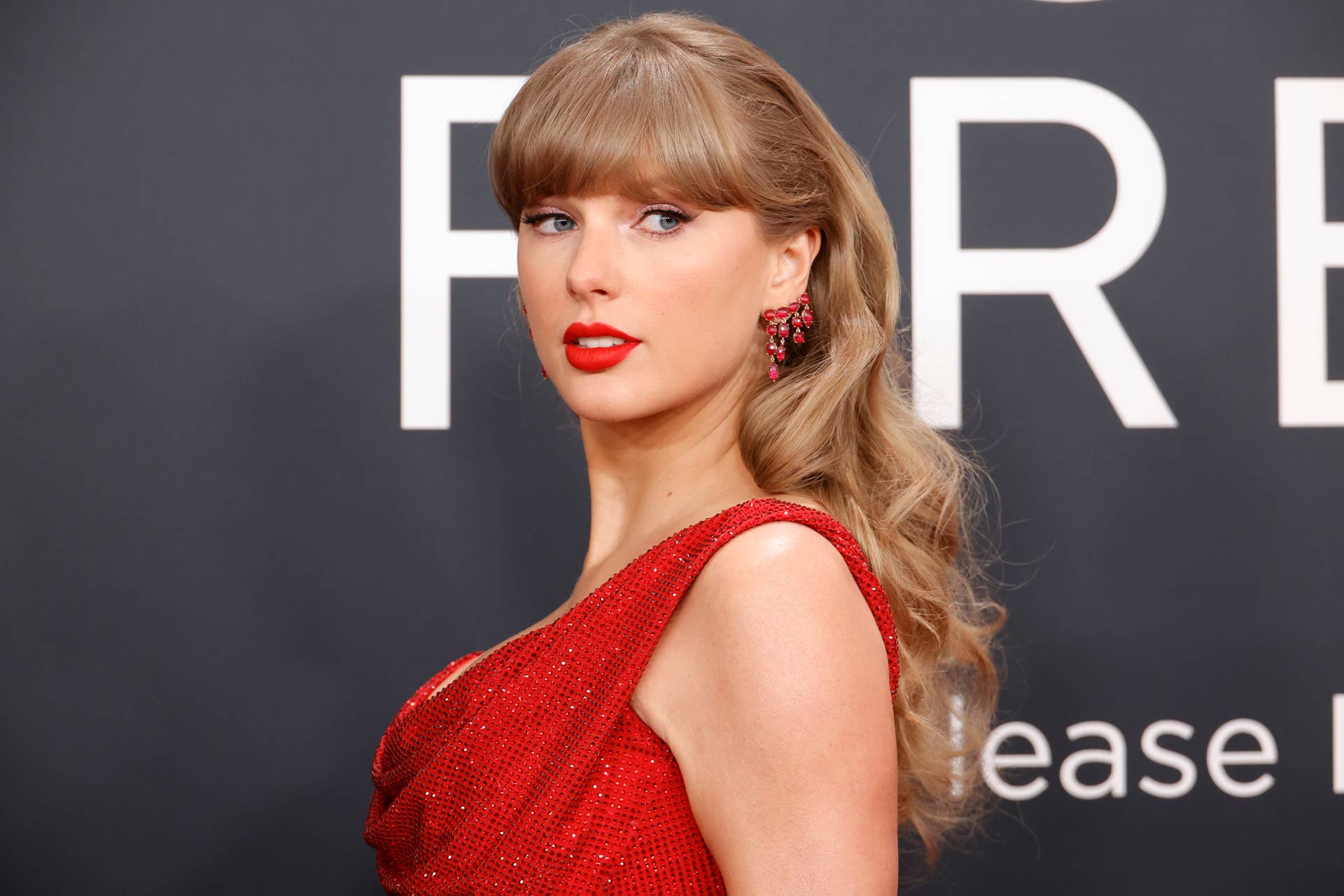
Furthermore, these images provide a sense of continuity. When Swift re-recorded her early albums (the "Taylor's Version" project), she often recreated the aesthetics of these old photos. By looking at the original 2006 images alongside the 2020s recreations, fans can visually track her journey of reclaiming her narrative and her masters.
Frequently Asked Questions
Where can I find verified old photos of Taylor Swift?
The most reliable sources for verified archival photos include official documentaries like Miss Americana, the Taylor Swift Education Center at the Country Music Hall of Fame, and reputable journalism outlets like TIME Magazine, which has documented her career since its inception. Avoid unverified social media accounts that do not cite a source.
Are there any photos of Taylor Swift before she moved to Nashville?
Yes. Many photos exist from her childhood in Pennsylvania, specifically from her time at the Wyomissing Area School District and her participation in local theater. Many of these were shared by former teachers and classmates once she achieved fame.
Did Taylor Swift really grow up on a Christmas tree farm?
Yes, this is factually accurate. Her father, Scott Swift, operated a Christmas tree farm in Wyomissing, Pennsylvania. Numerous family photos and home videos from this era have been revealed in her music videos and documentaries, confirming this part of her biography.
How did Taylor Swift's style change from her early photos to now?
Her early style was heavily influenced by country music traditions, featuring curly hair, cowboy boots, and simple dresses. As she transitioned into pop with the 1989 era, her visual brand became more polished, incorporating high-fashion "street style" and structured stage costumes.
Why are some "old" photos of Taylor Swift blurry or low quality?
Most of the "revealed" photos from the 1990s and early 2000s were taken on 35mm film or early, low-megapixel digital cameras. Before the ubiquity of smartphones with high-resolution sensors, consumer photography often resulted in the grainy or "soft" look characteristic of that era.
Summary of Next Actions for Fans and Historians
For those interested in the visual history of Taylor Swift, the next step is to explore the curated exhibits at the Country Music Hall of Fame in Nashville, which offers the most comprehensive collection of verified artifacts and photographs. Additionally, reviewing the "Taylor's Version" digital booklets provides a bridge between her original archival look and her modern interpretations of those eras. Always cross-reference "newly surfaced" social media images with established biographical timelines to ensure you are viewing authentic historical records rather than AI-generated content.
Image Gallery