Comprehensive Guide to Dragon Ball Super Tournaments: Lore, Rules, and Competitive Play
Dragon Ball Super tournaments encompass the high-stakes multiversal battles featured in the anime and manga, such as the Tournament of Power, as well as real-world competitive circuits for the Dragon Ball Super Card Game and video game...
Dragon Ball Super tournaments encompass the high-stakes multiversal battles featured in the anime and manga, such as the Tournament of Power, as well as real-world competitive circuits for the Dragon Ball Super Card Game and video games like Sparking! ZERO. These events define the series' narrative progression and its global competitive community.
Contents
The concept of a martial arts tournament is the backbone of the Dragon Ball franchise. From the early days of the Tenkaichi Budokai (World Martial Arts Tournament) to the multiversal scales seen in Dragon Ball Super, these organized competitions serve as the primary vehicle for character development and power escalation. In the current 2026 landscape, the term "Dragon Ball Super tournaments" refers both to the canonical events that reshaped the multiverse and the thriving professional gaming scene that allows fans to test their skills in the real world.
The Evolution of Martial Arts Competitions in Dragon Ball Super
In the original Dragon Ball series, tournaments were localized affairs focused on Earth's strongest fighters. By the time of Dragon Ball Super, the scope expanded to include gods, angels, and warriors from parallel dimensions. This shift transformed tournaments from simple tests of strength into existential battles where the fate of entire universes hung in the balance.
The introduction of the Gods of Destruction, Beerus and Champa, catalyzed this change. No longer were fighters competing for a title or prize money; they were now pawns in the cosmic games of deities. This evolution necessitated a more complex set of rules and a massive increase in power levels, leading to the introduction of forms like Super Saiyan Blue and Ultra Instinct.
The Tournament of Destroyers: Universe 6 vs. Universe 7
The first major tournament in Dragon Ball Super was the Tournament of Destroyers, an invitational match between Universe 6 and Universe 7. The stakes were uniquely personal: a wager between the twin brothers Beerus and Champa over the ownership of Earth and its delicacies.
Format and Rules
The competition followed a traditional "winner stays on" format. Five warriors were selected from each universe to fight in a series of one-on-one matches. The rules were strictly enforced:
- Victory Conditions: Knockout or ring-out.
- Prohibitions: Killing the opponent was strictly forbidden, as was the use of weapons or performance-enhancing drugs.
- Prerequisites: All fighters had to pass a written intelligence test before participating to ensure they weren't "mindless monsters."
Key Participants and Outcomes
Universe 7's team consisted of Goku, Vegeta, Piccolo, Majin Buu (who failed the written test), and Monaka. Universe 6 introduced iconic characters such as the assassin Hit, the Saiyan Cabba, and the metal man Magetta. The tournament concluded with Goku intentionally stepping out of the ring to protest the gods' interference, and Hit ultimately throwing his match against Monaka to settle a debt of respect to Goku. This tournament was historically significant because it introduced the Super Dragon Balls, planetary-sized artifacts capable of granting any wish without limitation.
The Zen Exhibition Match: A Deadly Preview
Before the main event of the series, the Zen Exhibition Match (or Zeno Expo) was held at the request of Future Zeno, who had never seen a martial arts tournament. This served as a preliminary showcase to determine the "excitement level" of the upcoming multiversal tournament.
While the stakes seemed low, the Zeno Expo revealed the terrifying reality of the "losing" universes: the Zenos intended to erase universes that did not meet a certain "Mortal Level." This exhibition featured Universe 7 (represented by Goku, Gohan, and Majin Buu) against Universe 9 (the Trio de Dangers). It established the tone for the survival-focused narrative that would follow, emphasizing that power alone would not be enough to ensure survival.
The Tournament of Power: The Ultimate Battle for Survival
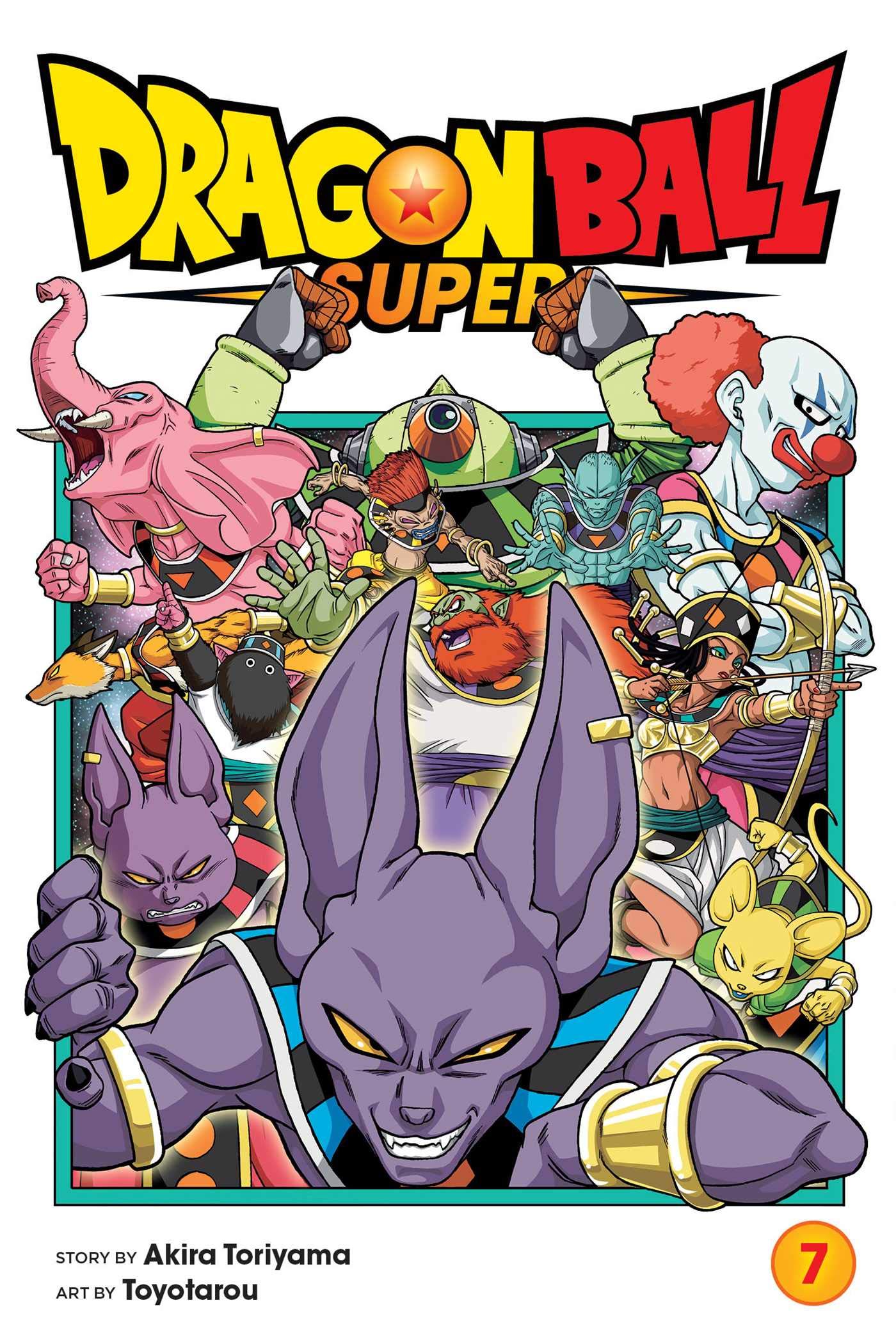
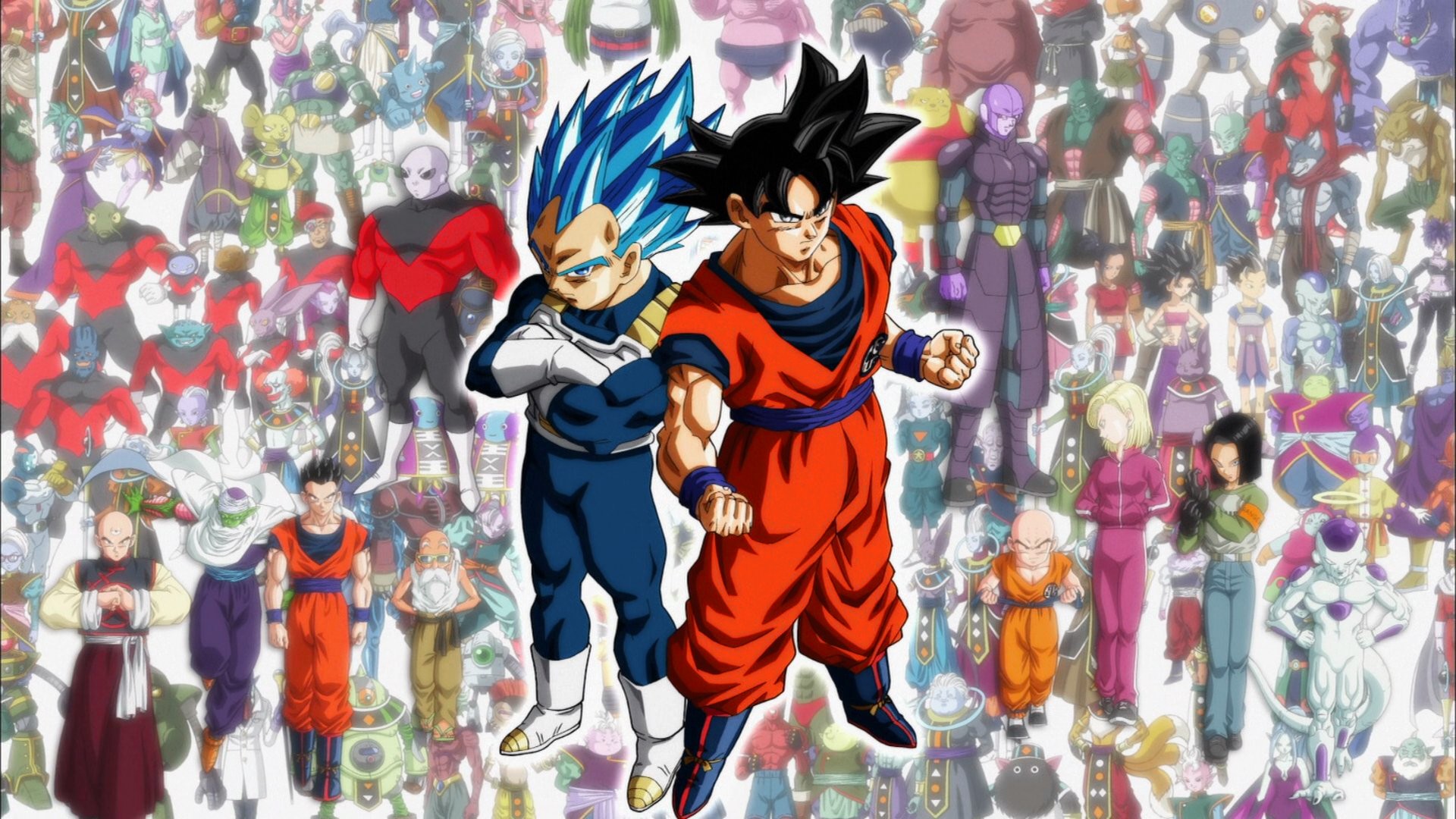
The Tournament of Power (TOP) remains the most significant event in Dragon Ball Super history. Orchestrated by the Grand Zen-Oh and the Great Priest, it brought together ten warriors from eight different universes in a massive battle royale.
The Null Realm and the Battle Royale Format
Unlike previous tournaments, the TOP took place in the World of Void (Null Realm), a place without time or space, ensuring that the sheer power of the combatants would not destroy the surrounding environment. The format was a 48-minute battle royale where all 80 fighters competed simultaneously.
Strict Rules of Engagement
The Great Priest established several rules that forced fighters to rely on skill and teamwork rather than just raw power:
- No Flight: Natural flight was disabled unless the fighter possessed biological wings.
- No Killing: Combatants had to restrain their power to avoid lethal blows; killing resulted in immediate disqualification.
- No Healing Items: Senzu beans and other recovery items were banned.
- Ring-Out Completion: A fighter was only eliminated once they were physically removed from the fighting stage.
The Consequences of Erasure
The true gravity of the Tournament of Power lay in its stakes. Universes whose teams were completely eliminated were immediately erased from existence by the Zenos. This created an atmosphere of desperation, leading to unlikely alliances, such as Frieza fighting alongside Goku. The tournament's conclusion, with Android 17 being the lone survivor and wishing for the restoration of all erased universes, served as a test of character by the Zenos, who had anticipated that a "selfish" wish would result in the erasure of everything.
Comparison of Major In-Universe Tournaments
| Feature | Tournament of Destroyers | Tournament of Power |
|---|---|---|
| Participants | 5 per Universe (U6 vs U7) | 10 per Universe (8 Universes) |
| Total Fighters | 10 | 80 |
| Primary Stake | Ownership of Earth / Super Dragon Balls | Universal Existence |
| Format | 1-on-1 Elimination | 48-Minute Battle Royale |
| Setting | Nameless Planet | The World of Void |
| Winner | Universe 7 | Universe 7 (Android 17) |
Competitive Dragon Ball Super Tournaments in 2026
Moving from the screen to the real world, "Dragon Ball Super tournaments" also refers to the robust competitive scene involving the Dragon Ball Super Card Game (DBSCG) and various video games. As of 2026, these circuits have reached a professional level of organization.
Dragon Ball Super Card Game: Fusion World Circuits
The Fusion World iteration of the DBSCG has become the standard for competitive play. Official tournaments are divided into several tiers:
- Store Celebrations: Entry-level events held at local hobby shops.
- Regional Championships: Large-scale events that provide invitations to the National Finals.
- World Championships: The pinnacle of play, where top players from Japan, North America, and Europe compete for exclusive promotional cards and prize pools.
Video Game Championships: Sparking! ZERO and FighterZ
The competitive fighting game community (FGC) remains centered on Dragon Ball FighterZ and the massively successful Dragon Ball Sparking! ZERO.
- Sparking! ZERO World Tour: In 2026, this tour focuses on high-speed 3D arena combat. Tournaments often utilize a "point system" for team building to ensure balanced competitive play, preventing teams from being stacked with only "God Tier" characters like Whis or Beerus.
- Evolution Championship Series (EVO): Dragon Ball Super titles continue to be mainstage staples at EVO, drawing thousands of participants and hundreds of thousands of viewers online.
How to Participate in Official Events
For fans looking to transition from spectators to competitors, the process in 2026 is more streamlined than ever. Most official tournaments require registration through a centralized app or portal provided by Bandai Namco.
- Obtain a Player ID: Register for a Bandai Namco ID to track your tournament points and rankings.
- Find a Sanctioned Venue: Use the official event locator to find registered hobby shops or convention centers hosting "DBSCG" or "Sparking! ZERO" qualifiers.
- Understand the "Meta": For the card game, this involves staying updated on the latest "Errata" and "Banned/Restricted" lists. For video games, it means mastering frame data and character matchups.
- Registration Fees: Local events typically cost $10–$30, while major Regionals may range from $50–$100, often including participation packs or playmats.
FAQ: Common Questions About Dragon Ball Super Tournaments
Why were Universes 1, 5, 8, and 12 exempt from the Tournament of Power?
These four universes were exempt because their "Mortal Level" (a metric combining the quality of life and the development of mortal civilizations) was above 7.0. The Zenos deemed them sufficiently "advanced" and not in need of the "culling" process that the tournament was designed to facilitate.
Can fighters use weapons in the Tournament of Power?
Generally, no. However, the Great Priest allowed certain exceptions if the "weapon" was deemed a part of the fighter's natural abilities or was "interesting" enough to entertain the Zenos. For example, Master Roshi used small jars for the Evil Containment Wave, and Universe 7 was allowed to use the Potara earrings for fusion because the Zenos found the transformation exciting.
Is the Tournament of Power the same in the manga and anime?
The core outcome is the same, but the progression differs significantly. In the manga, the pacing is faster, some transformations (like Gohan's) are handled differently, and the Zeno Expo features a battle between the Gods of Destruction themselves rather than their mortal champions.
What is the most prestigious real-world Dragon Ball Super tournament?
The Dragon Ball Games Battle Hour is widely considered the premier event. It serves as the world finals for the card games and the major video game titles, typically held in major cities like Las Vegas or Tokyo.
Are there age restrictions for participating in professional tournaments?
Most high-level competitive tournaments are open to all ages, but minors (usually under 13 or 18, depending on the country) must have a legal guardian's consent. Some events host "Junior Divisions" to allow younger fans to compete in a more balanced environment.
Next Steps for Fans and Competitors
Whether you are revisiting the epic sagas of the Dragon Ball Super anime or looking to enter the competitive arena, the best way to stay engaged is through official channels. To follow the lore, ensure you have access to the latest manga chapters via Viz Media or Manga Plus. For those aiming for the 2026 competitive season, downloading the Bandai TCG Plus app is essential for tracking event schedules and securing your spot in the next regional qualifier.
Image Gallery