Understanding Life Insurance Coverage, Motives, and Risk Assessment
While the phrase "you should have enough life insurance for the police to suspect the wife" is a common trope in dark humor and mystery novels, it reflects a foundational misunderstanding of how life insurance underwriting and criminal...
While the phrase "you should have enough life insurance for the police to suspect the wife" is a common trope in dark humor and mystery novels, it reflects a foundational misunderstanding of how life insurance underwriting and criminal investigations actually function. In reality, carrying high levels of life insurance is a standard component of financial planning for high-net-worth individuals, business owners, and those seeking to replace significant future income. Rather than serving as a beacon for criminal suspicion, properly structured insurance policies are intended to provide stability, cover estate taxes, and ensure the financial continuity of dependents.
Contents
The Myth of Coverage and Criminal Suspicion
The pop-culture narrative suggests that a large life insurance policy creates a singular motive for murder, thereby inviting immediate law enforcement scrutiny. In the actuarial and legal world, however, the relationship between insurance value and investigation is vastly different. Law enforcement does not open investigations based on the existence of an insurance policy; they open investigations based on evidence of a crime.
When a death occurs, police investigate the circumstances, the medical history of the deceased, and the physical evidence at the scene. While a financial motive—which can include debt, inheritance, or insurance payouts—is a standard part of any homicide investigation, the presence of a policy is a matter of record, not a measure of guilt. Insurance companies are highly regulated and conduct rigorous due diligence, meaning that policies are rarely written in a vacuum. Underwriters analyze the financial need for the coverage, the relationship between the policyholder and the beneficiary, and the overall risk profile of the applicant long before any claim is ever filed.
Why High-Coverage Policies Exist
For many families and businesses, "enough" insurance is defined by specific, rational financial requirements rather than an arbitrary limit. Financial advisors often recommend coverage based on the "Human Life Value" approach or the "Needs Analysis" method.
- Income Replacement: If a primary earner passes away, the surviving family needs enough capital to replace the lost income stream for a defined period, often until children reach adulthood or retirement goals are met.
- Estate Liquidity: For individuals with significant assets, life insurance is often purchased to cover estate taxes. Without this liquidity, heirs might be forced to sell property or business interests at a loss to satisfy tax obligations.
- Business Continuity: In a partnership, "key person" insurance provides the capital necessary to buy out a deceased partner’s share, ensuring the remaining business owners can continue operations without the burden of sudden debt or ownership disputes.
- Debt Settlement: Large mortgages, business loans, and educational costs often require high coverage amounts to ensure the surviving family is not burdened with insurmountable liabilities.
The Underwriting Process and Financial Due Diligence
Insurance carriers employ sophisticated teams to prevent fraud and assess risk. When you apply for a high-value policy, the process is extensive. It is not as simple as paying a premium and naming a beneficiary.
- Financial Underwriting: The insurance company verifies that you have a legitimate financial interest in the coverage. You generally cannot purchase a policy on someone else (or even yourself) that significantly exceeds the insurable interest, which is the quantifiable financial loss that would occur upon death.
- Medical Underwriting: You will be required to provide medical records and, in many cases, undergo a paramedical exam. This establishes your health status at the time of purchase.
- Insurable Interest: Laws generally require that the beneficiary have a financial stake in the continued life of the insured. If the insurance company suspects that a policy is being purchased under coercive circumstances or lacks a clear financial justification, they will deny the application.
Comparison of Coverage Strategies
Different types of insurance serve different long-term goals. Understanding how these align with your financial situation is the best way to avoid confusion—or unwanted attention—from regulators or investigators.
| Strategy | Primary Purpose | Best Suited For |
|---|---|---|
| Term Life | Pure protection; temporary high-limit needs. | Families with young children, mortgage debt. |
| Whole Life | Permanent coverage with a cash value component. | Estate planning, lifelong dependents. |
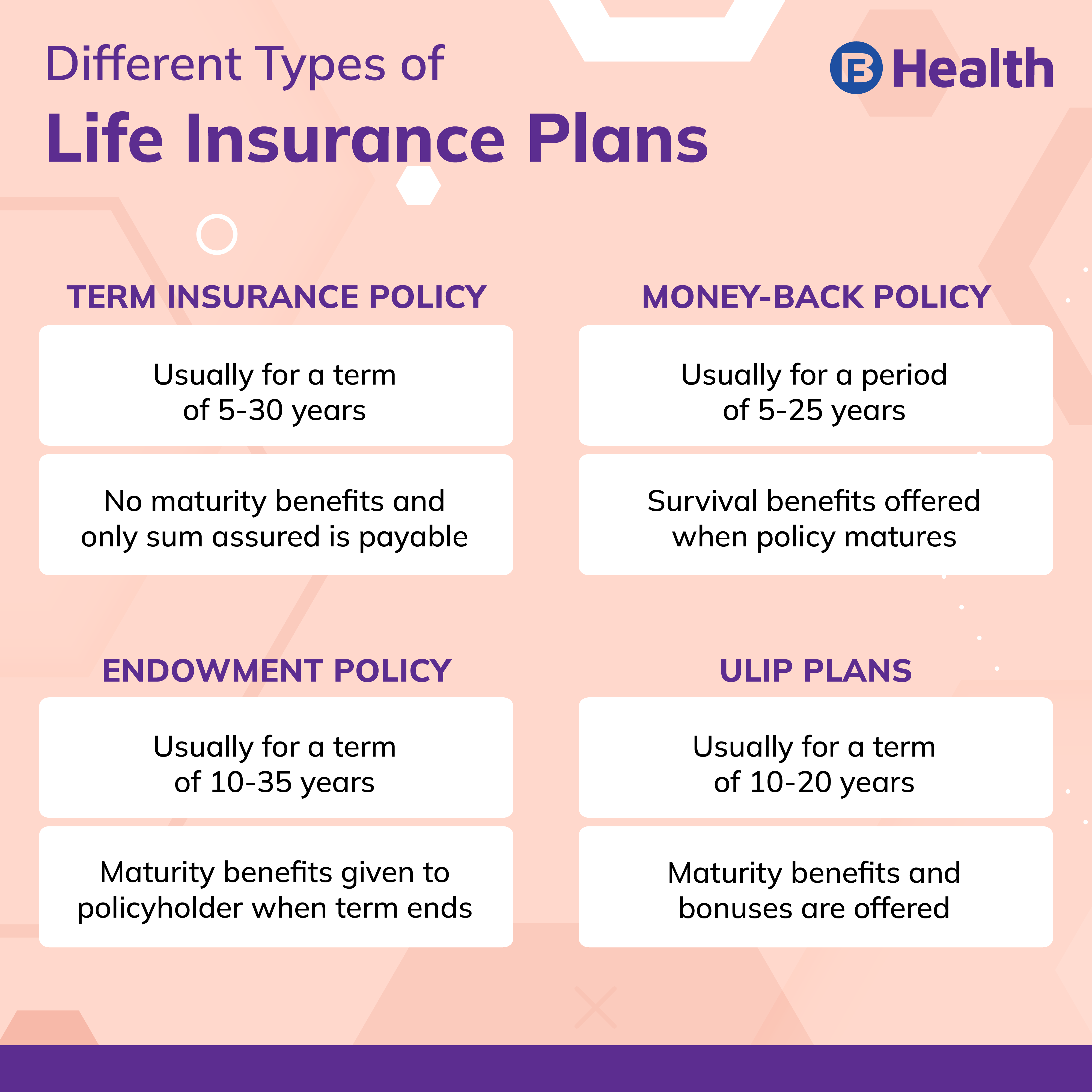
| Universal Life | Flexible premiums and death benefits. | Individuals with fluctuating income and tax goals. |
| Key Person | Protecting a business from the loss of a vital employee. | Closely held corporations and partnerships. |
The Legal Framework of Insurance Claims
When a death occurs and a claim is filed, the insurance company conducts its own internal review. This is not necessarily a criminal investigation, but rather a contractual validation. They verify that the death occurred within the terms of the policy and that all statements made on the original application were truthful.
If an investigation reveals evidence of fraud or material misrepresentation, the insurance company will contest the claim. If police are involved, they will seek information regarding the policyholder's finances, potential disputes, and the history of the insurance purchase. However, a legitimate policy purchased through established channels—backed by a reputable insurance company and validated by independent medical and financial underwriting—is simply a financial instrument. It is not, in and of itself, evidence of illicit activity.
Common Misconceptions About Policy Limits
A major source of the "suspicion" myth is the belief that high coverage amounts are inherently suspicious. In reality, insurance carriers are comfortable with large policies provided the applicant’s income and assets support them. A professional earning $500,000 per year with $5 million in net assets may easily qualify for a $10 million policy to cover estate taxes or business liabilities. In such a case, the coverage is a rational part of a broader financial strategy.
The danger lies not in the amount of coverage, but in the lack of transparency or a sudden, unexplained purchase of coverage shortly before a suspicious death. These "red flags" are what underwriters and investigators look for, not the total dollar amount of the policy.
Frequently Asked Questions
Does a high life insurance policy increase the risk of being investigated if I die? No. Investigations are based on evidence of foul play. While a large payout may lead investigators to look at the financial circumstances of the surviving spouse, the policy itself is merely a factor in the broader financial picture, not a trigger for criminal suspicion.
How do I ensure my insurance policy does not raise concerns? Ensure your policy is purchased through a reputable carrier, your financial justification is clearly documented by your insurance broker or financial advisor, and your beneficiaries are clearly identified. Keeping your estate planning documents up to date is essential.
Can an insurance company refuse to pay a claim if they suspect foul play? Yes. Most policies have a "contestability period" (typically two years) during which the insurer can investigate the application for material misrepresentation. Furthermore, if a beneficiary is found to be responsible for the death of the insured, the "Slayer Rule" in most jurisdictions prevents that person from collecting the insurance benefits.
What is "Insurable Interest"? This is a legal requirement that the person buying the insurance must stand to suffer a financial loss if the insured person dies. This prevents individuals from using life insurance as a speculative gambling tool on the lives of others.
Should I disclose my insurance policies to my family? Yes. Transparency is a critical part of estate planning. Family members should know where the policy documents are located, who the agent is, and what the purpose of the coverage is to avoid confusion or suspicion during a difficult time.
Next Steps for Financial Protection
To build a robust and transparent insurance portfolio, start by auditing your current coverage with a certified financial planner. Ensure your policy limits are commensurate with your actual financial obligations—such as income replacement, debt servicing, and estate tax liabilities. Once your plan is in place, store all documentation in a secure location and ensure your beneficiaries and legal counsel are aware of its purpose. By treating life insurance as a legitimate financial tool rather than a mystery-novel plot device, you ensure that your coverage provides protection for your loved ones rather than unnecessary complexity.
Image Gallery