Refinancing Parent PLUS Loans with SoFi: A Complete 2026 Guide
Refinancing a Federal Parent PLUS loan with SoFi involves replacing your high-interest government debt with a new private loan featuring a lower interest rate or a more manageable repayment term. By 2026, this remains a primary strateg...
Refinancing a Federal Parent PLUS loan with SoFi involves replacing your high-interest government debt with a new private loan featuring a lower interest rate or a more manageable repayment term. By 2026, this remains a primary strategy for parents looking to reduce monthly payments or transfer the legal responsibility of the debt to their child.
Contents
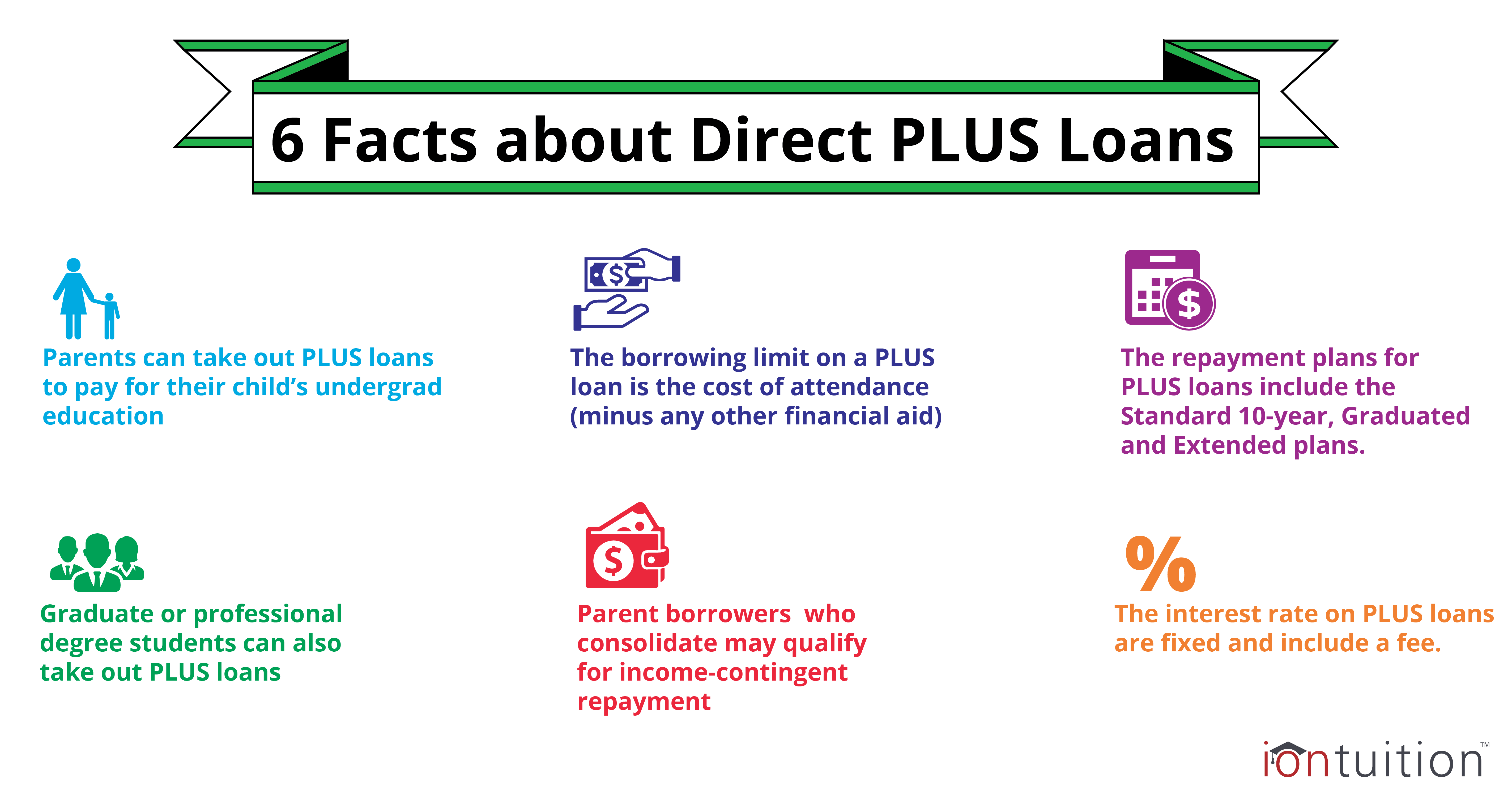
Federal Parent PLUS loans have historically carried some of the highest interest rates in the federal student loan portfolio. For many families, the transition from the federal system to a private lender like SoFi is a calculated financial move intended to save thousands of dollars in interest over the life of the loan. However, this transition requires a clear understanding of what is gained in savings versus what is lost in federal protections.
Understanding the SoFi Parent PLUS Refinance Framework
It is important to clarify that SoFi does not issue "Parent PLUS" loans; those are strictly federal products. Instead, SoFi offers Student Loan Refinancing for Parents. This process allows you to take your existing federal loans (and even other private parent loans) and consolidate them into a single new loan with terms based on your current creditworthiness rather than the fixed rates set by Congress.
In 2026, the lending landscape has evolved to offer more flexible terms, but the core mechanism remains the same. When you refinance with SoFi, the lender pays off your federal debt in full, and you begin making payments to SoFi under a new contract. This is particularly attractive for parents who took out loans when federal rates were peaking or for those whose credit scores have improved significantly since their child first entered college.
The Role of Private Parent Loans
In addition to refinancing, SoFi provides Private Student Loans for Parents for those whose children are currently in school. While the primary focus for most seekers is the "refinance" of existing debt, it is worth noting that if you are currently funding an education, SoFi’s private parent loans often serve as an alternative to the Federal Parent PLUS loan, potentially offering lower APRs for borrowers with excellent credit and avoiding the high origination fees associated with government lending.
Eligibility and Requirements for 2026
To qualify for Parent PLUS refinancing with SoFi, borrowers must meet specific financial and legal benchmarks. Because these are private loans, SoFi prioritizes "ability to pay" and credit history more strictly than the federal government does.
Credit Score and Financial History
A strong credit profile is the most critical factor. While SoFi does not publicly disclose a hard minimum for every product, a score in the high 600s or 700s is generally required to see an interest rate lower than the federal average. Beyond the score, SoFi analyzes your debt-to-income (DTI) ratio. They want to ensure that your monthly income can comfortably cover the new loan payment alongside your mortgage, car payments, and other obligations.
Employment and Residency
Borrowers must be U.S. citizens or permanent residents (or hold an eligible visa) and be employed or have a firm offer of employment starting within 90 days. SoFi also considers "free cash flow"—the amount of money left over each month after all expenses are paid—as a measure of your stability.
Loan Minimums
In most states, the minimum amount you can refinance is $5,000. There is no maximum limit, which is beneficial for parents who have funded multiple children through expensive private universities and may be carrying six-figure debt loads.
Key Benefits of Choosing SoFi for Parent Loans
SoFi has positioned itself as a leader in the refinancing space by offering features that go beyond simple interest rate reductions. As of 2026, these benefits are structured to support long-term financial planning.
The "Transfer to Child" Feature
One of the most sought-after features of SoFi's parent refinance program is the ability to transfer the loan to the child. Historically, Parent PLUS loans are the sole legal responsibility of the parent, and the federal government does not allow them to be moved into the student's name. SoFi facilitates this by allowing the child to apply to refinance the parent's debt into their own name, provided the child has graduated and meets SoFi’s credit and income requirements. This effectively "frees" the parent from the legal obligation.
Cost Savings and Fee Structure
SoFi is known for its "no-fee" approach. This includes:
- No origination fees: Federal Parent PLUS loans currently carry an origination fee of roughly 4.228%, which is deducted from the loan before it even reaches the school. SoFi does not charge this.
- No late fees: While missing payments is never recommended, SoFi does not charge a specific late fee, though interest will continue to accrue.
- No prepayment penalties: You can pay off the loan as fast as you want to save even more on interest.
Member Benefits
Refinancing with SoFi grants access to their "Member Benefits" ecosystem. This includes career coaching, which can be useful if you are looking to increase your income to pay down debt faster, and financial planning sessions with certified professionals.
| Feature | Federal Parent PLUS Loan | SoFi Refinance Loan (2026) |
|---|---|---|
| Interest Rate | Fixed (Set by Congress) | Fixed or Variable (Based on Credit) |
| Origination Fee | ~4.228% | 0% |
| Transfer to Child | Not Permitted | Permitted (if child qualifies) |
| Income-Driven Repayment | Limited (ICR only) | Not Available |
| Public Service Loan Forgiveness | Eligible (with consolidation) | Not Eligible |
| Unemployment Protection | Deferment/Forbearance | SoFi Unemployment Protection |
The Critical Trade-offs: Federal Protections vs. Private Savings
Before moving a Parent PLUS loan to SoFi, you must acknowledge that you are leaving the federal student loan system. Once a loan is refinanced privately, it can never be turned back into a federal loan.
Loss of Income-Driven Repayment (IDR)
Federal Parent PLUS loans, if consolidated into a Federal Direct Consolidation Loan, are eligible for the Income-Contingent Repayment (ICR) plan. In 2026, federal IDR plans remain a vital safety net for borrowers whose income is low relative to their debt. SoFi does not offer income-linked payments; your monthly bill is determined by the loan balance and the term you select.
Public Service Loan Forgiveness (PSLF)
If you work for a government agency or a 501(c)(3) non-profit, your Parent PLUS loans may be eligible for forgiveness after 120 qualifying payments under the PSLF program. Refinancing with SoFi disqualifies you from PSLF. If you are halfway through your ten years of public service, refinancing is almost certainly a mistake, regardless of how much lower the SoFi interest rate might be.
Death and Disability Discharge
Federal loans are discharged if the borrower (or the student for whom the loan was taken) dies or becomes totally and permanently disabled. While SoFi has historically offered compassionate discharge policies in the event of death or permanent disability, these are governed by the private contract rather than federal law. It is essential to review the specific SoFi terms and conditions regarding these protections before signing.
The Refinancing Process: Step-by-Step
Refinancing in 2026 is a streamlined, digital-first experience. You can complete the majority of the process from a smartphone or computer in under 15 minutes.
- Prequalification: Use SoFi’s online tool to check your rate. This involves a "soft" credit pull, which does not impact your credit score. You will enter your loan balance, income, and educational background.
- Select Your Terms: SoFi typically offers terms ranging from 5 to 20 years. Shorter terms have higher monthly payments but lower interest rates and lower total costs. Longer terms provide lower monthly payments but cost more in interest over time.
- Submit Documentation: You will need to upload proof of income (W-2s or pay stubs), a government-issued ID, and a recent statement for the Parent PLUS loans you wish to pay off.
- Full Credit Review: Once you select a rate, SoFi performs a "hard" credit pull to finalize the offer.
- Verification and Funding: SoFi contacts your federal loan servicer (such as Nelnet or Mohela) to coordinate the payoff. This usually takes 7 to 14 days. During this window, you should continue making your federal payments to avoid any delinquency.
Frequently Asked Questions
Can I refinance Parent PLUS loans if they are currently in a grace period or deferment?
Yes, you can refinance at any time. However, if your loans are currently in a 0% interest deferment period (which occasionally occurs during national economic adjustments), it may be wise to wait until that period ends before switching to a private interest-bearing loan.
What is the minimum credit score SoFi requires for parent refinancing?
While SoFi does not officially publish a minimum, a score of 680 or higher is generally seen as the threshold for competitive rates. Borrowers with scores below this may still be approved but might not see a significant enough interest rate reduction to justify losing federal benefits.
Is a co-signer necessary for a SoFi parent loan?
A co-signer is not required if the parent has sufficient income and credit. However, adding a co-signer with an even stronger credit profile can sometimes help secure a lower interest rate. Note that SoFi offers a co-signer release option after a period of consistent, on-time payments.
Will refinancing my parent loans help my child's credit score?
Initially, no. Because the Parent PLUS loan is in your name, refinancing it into a SoFi loan in your name only affects your credit. The child’s credit score is only impacted if you utilize the "transfer to child" feature, at which point the loan becomes a part of their credit history.
What happens if I lose my job after refinancing with SoFi?
SoFi offers Unemployment Protection. If you lose your job through no fault of your own, you may apply for a period of forbearance where payments are paused in three-month increments (up to 12 months total). Note that interest will still accrue during this time.
Final Recommendation
Refinancing your Federal Parent PLUS loans with SoFi is a powerful financial move if you have stable, high income and a strong credit score, and you do not anticipate needing federal loan forgiveness or income-driven repayment plans. The ability to lower your APR can save you significant sums of money that can be redirected toward retirement or other financial goals.
Before proceeding, calculate your "break-even" point. Ensure the interest rate SoFi offers is at least 1-2% lower than your current federal rate to compensate for the loss of government protections. If your goal is to eventually move the debt to your child, SoFi remains one of the most reliable platforms for facilitating that transition.
Image Gallery