Jean Berhow: A Quiet Revolution in Sustainable Interior Design
Jean Berhow’s design philosophy represents a move toward "stealth sustainability"—creating luxurious, high-performance interiors that minimize environmental impact without sacrificing aesthetic elegance. By prioritizing non-toxic mater...
Jean Berhow’s design philosophy represents a move toward "stealth sustainability"—creating luxurious, high-performance interiors that minimize environmental impact without sacrificing aesthetic elegance. By prioritizing non-toxic materials, circular sourcing, and biophilic principles, Berhow has established a new standard for ethical luxury, proving that the most impactful environmental revolutions are often the most visually understated.
Contents
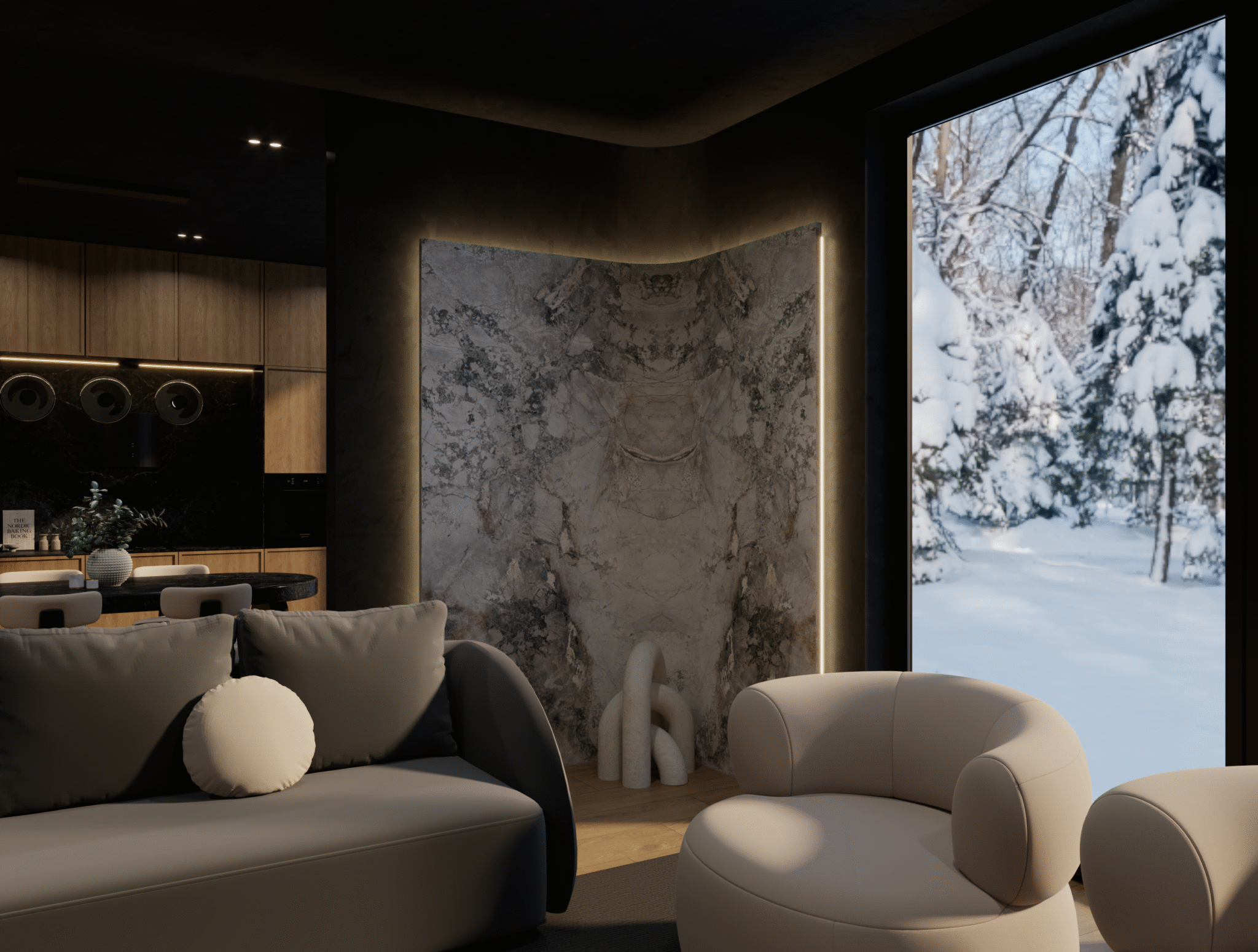
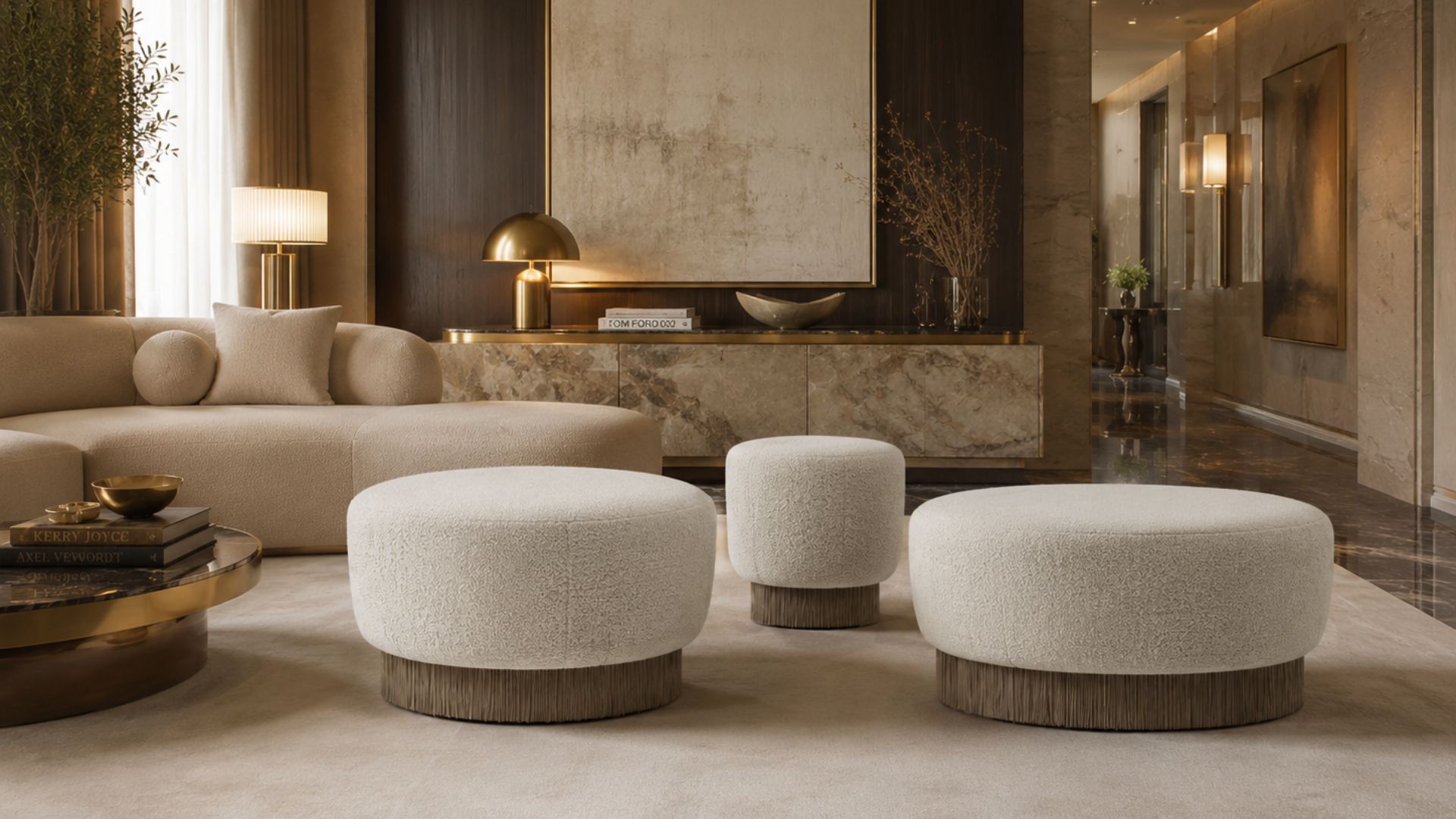
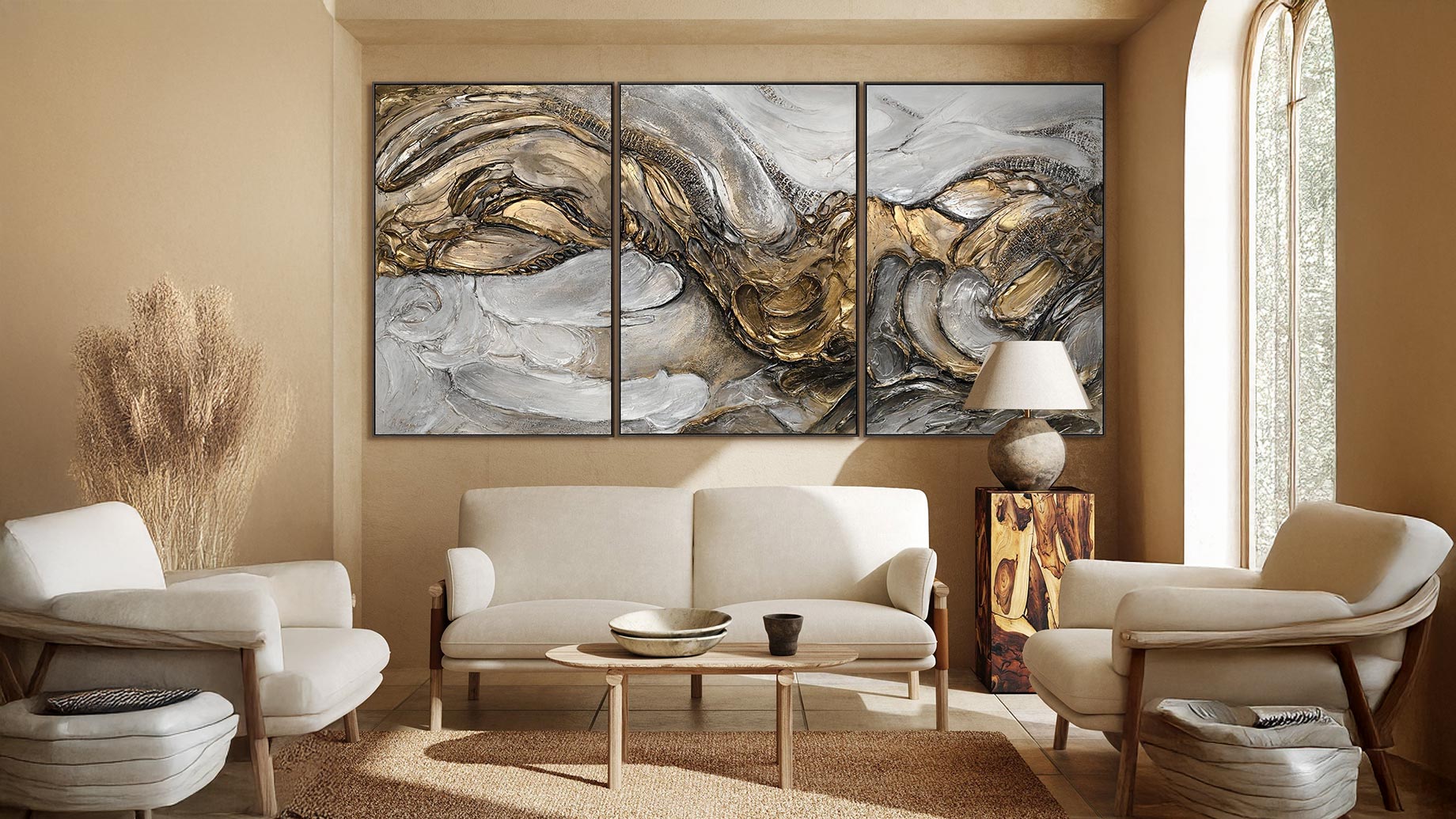
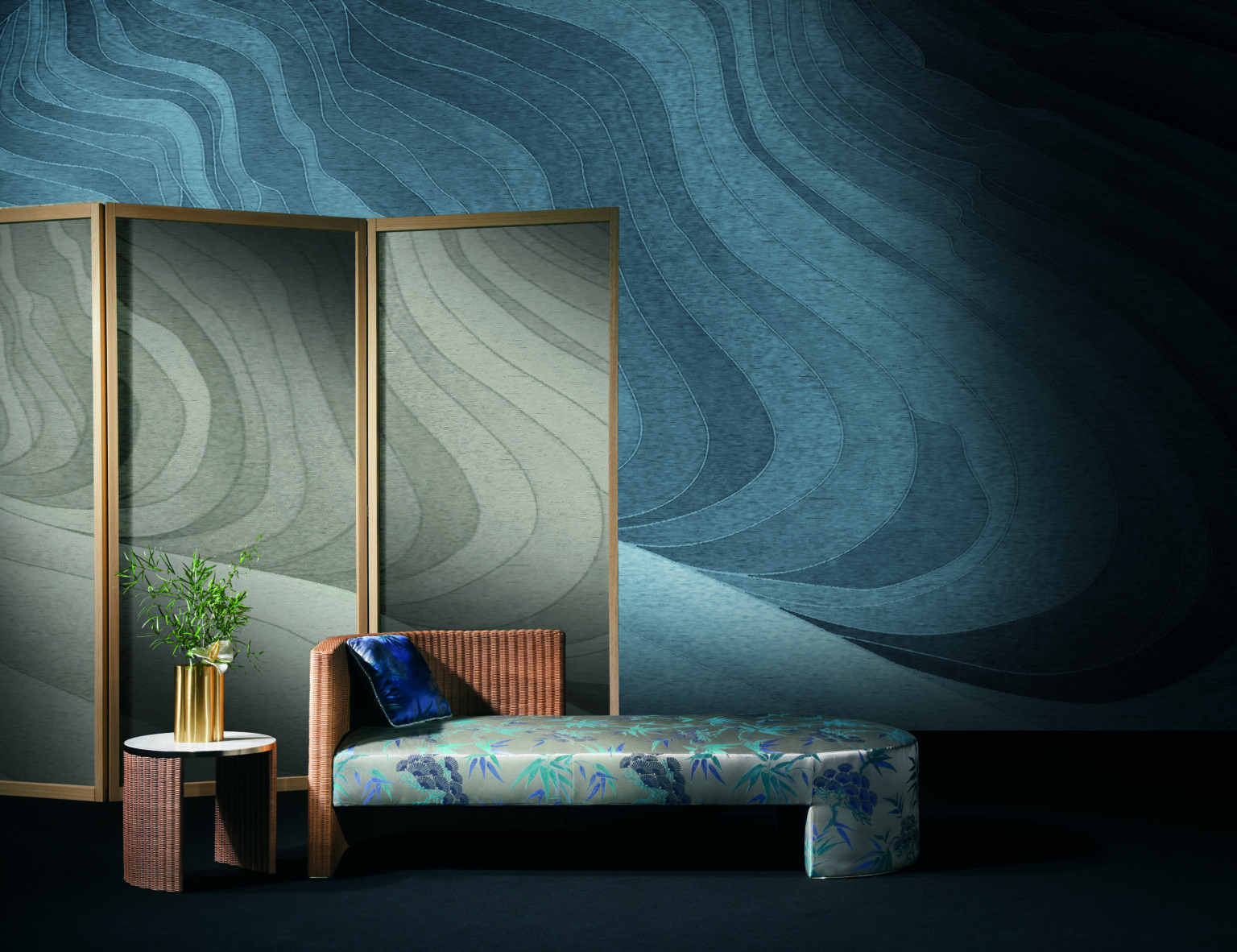
As we navigate the design landscape of 2026, the industry has shifted away from the "performative green" era—characterized by reclaimed wood accents and visible hemp fibers—toward a more sophisticated, integrated approach. Jean Berhow has been at the forefront of this transition. Her work does not announce its sustainability through a specific "earthy" look; instead, its ecological merit is found in the molecular structure of the finishes, the transparency of the supply chain, and the longevity of the spatial layout. This "quiet revolution" prioritizes the health of the inhabitant and the planet through rigorous technical standards and a timeless aesthetic.
The Philosophy of Stealth Sustainability
The term "quiet revolution" refers to the seamless integration of high-level environmental performance into traditional luxury frameworks. Historically, sustainable interior design was often viewed as a compromise. One could have a beautiful home, or one could have an eco-friendly home, but rarely both. Jean Berhow dismantled this binary by focusing on the "invisible" elements of design.
In a Berhow-designed space, the luxury is felt in the air quality and the tactile resonance of natural fibers rather than just the visual brand of the furniture. This approach relies on three primary pillars:
- Material Purity: Eliminating "forever chemicals" and toxins that off-gas over time.
- Circular Systems: Selecting items that can be repaired, repurposed, or safely returned to the earth.
- Aesthetic Longevity: Designing spaces that transcend trends to prevent the "renovation cycle" that contributes significantly to landfill waste.
By focusing on these pillars, Berhow addresses the core issue of the interior design industry: the massive carbon footprint associated with short-lived trends and globalized shipping of synthetic materials.
Technical Foundations: Life Cycle Assessments (LCA)
One of the most significant contributions Jean Berhow has made to the field is the application of Life Cycle Assessments (LCA) to residential and commercial interiors. In 2026, this data-driven approach is the gold standard for any designer claiming to be "green."
An LCA evaluates the environmental impact of a product from "cradle to grave"—from the extraction of raw materials through manufacturing, distribution, and use, to the final disposal. Berhow’s studio utilizes these metrics to choose between competing materials. For instance, a natural marble slab might have a high extraction footprint but a 100-year lifespan, whereas a synthetic composite might have a lower initial footprint but require replacement every decade.
The Material Palette of the Future
The Berhow methodology favors materials that are bio-based and regenerative. This includes:
- Mycelium Composites: Used for acoustic insulation and decorative wall panels, mycelium is grown from fungal spores and agricultural waste, making it entirely biodegradable.
- Cork and Linoleum: Often misunderstood as "dated" materials, Berhow has reimagined them as high-end flooring solutions due to their carbon-sequestering properties and natural antimicrobial benefits.
- Performance Textiles: Instead of petroleum-based polyesters treated with PFAS for stain resistance, Berhow utilizes high-twist wools and heavy linens that offer natural durability and soil resistance without chemical intervention.
Health and Wellness: The Human Impact
The quiet revolution isn't just about protecting the outdoors; it is fundamentally about the health of those indoors. With the average person spending 90% of their time inside, the interior environment acts as a "third skin." Jean Berhow’s work emphasizes the reduction of Volatile Organic Compounds (VOCs) and semi-volatile organic compounds (SVOCs) commonly found in traditional paints, glues, and synthetic carpets.
Biophilic Integration
Beyond chemical purity, Berhow integrates biophilic design—the practice of connecting building occupants more closely to nature. This is achieved through:
- Circadian Lighting: Systems that mimic the natural progression of sunlight to regulate sleep-wake cycles and boost productivity.
- Fractal Patterns: Utilizing natural geometries in floor layouts and wall coverings, which have been shown to reduce stress levels in inhabitants.
- Thermal Comfort: Using breathable, hygroscopic materials like clay plaster that naturally regulate humidity and temperature, reducing the reliance on energy-intensive HVAC systems.
Comparison: Traditional vs. Sustainable Design Metrics
To understand the impact of the Berhow approach, it is useful to compare how traditional design choices stack up against the sustainable alternatives utilized in this quiet revolution.
| Feature | Traditional Interior Design | Jean Berhow’s Sustainable Approach |
|---|---|---|
| Primary Goal | Visual trend and immediate cost-efficiency. | Longevity, health, and carbon neutrality. |
| Material Source | Globalized, often opaque supply chains. | Localized, transparent, and regenerative. |
| Wall Finishes | Synthetic latex paints (high VOC). | Mineral paints or clay plasters (Zero VOC). |
| Flooring | Luxury Vinyl Tile (LVT) or synthetic carpet. | FSC-certified wood, cork, or stone. |
| End of Life | Landfill-bound (planned obsolescence). | Circular (repairable or compostable). |
| Air Quality | Often compromised by off-gassing. | Optimized through natural materials. |
| Furniture | Mass-produced, composite woods (formaldehydes). | Solid wood, traditional joinery, natural oils. |
The Economics of Sustainable Interior Design in 2026
A common misconception regarding Jean Berhow’s work is that it is prohibitively expensive. While the "upfront" cost of high-quality, non-toxic materials is often higher than mass-market synthetic alternatives, the "total cost of ownership" is significantly lower.
Long-Term Value Propostion
Sustainable design is an investment in durability. When a space is designed with a 25-to-50-year horizon rather than a 5-year trend cycle, the cost per year of use drops dramatically. Furthermore, as carbon taxes and disposal fees for non-recyclable materials have increased through 2026, the economic incentive for circular design has become undeniable.
Berhow advocates for "investing in the bones." This means spending more on permanent fixtures—flooring, cabinetry, and lighting—while being more selective and minimalist with decorative accents. This "buy less, buy better" mentality is the cornerstone of the quiet revolution.
Implementing the "Berhow Look" in Your Own Space
For those looking to adopt these principles, the transition begins with a shift in mindset. It is not about buying "green" products to add to a home; it is about editing out the harmful and unnecessary.
Step 1: Audit Your Current Environment
Identify the largest sources of synthetic materials in your home. This usually includes wall-to-wall carpeting, composite wood furniture (MDF/particle board), and synthetic upholstery. When these items reach the end of their life, commit to replacing them with natural-fiber or solid-wood alternatives.
Step 2: Prioritize the "Breathable" Layer
Focus on the surfaces that cover the largest areas. Replacing standard paint with lime wash or mineral paint can immediately improve indoor air quality. These finishes don't just look better; they allow walls to "breathe," preventing mold and trapping fewer allergens.
Step 3: Source with Transparency
In 2026, many manufacturers provide "Declare" labels or Health Product Declarations (HPDs). Much like a nutrition label for food, these documents list every ingredient in a product. If a manufacturer cannot provide a transparency report, it is a signal to look elsewhere.
Frequently Asked Questions
What exactly makes a design "quietly" sustainable?
Quiet sustainability refers to designs where the environmental benefits are integrated into the quality and performance of the space rather than being the primary visual feature. It focuses on the chemical composition of materials and the ethics of the supply chain, resulting in a look that is indistinguishable from high-end traditional luxury, but with a drastically lower carbon footprint and better indoor air quality.
Is sustainable interior design more expensive than traditional design?
Initially, yes. Sustainable materials like solid wood, natural stone, and hand-woven textiles require more labor and higher-quality raw materials. However, because these items are designed for longevity and can often be repaired rather than replaced, they offer a lower total cost of ownership over time. In 2026, the rise of carbon and waste taxes has also made synthetic, short-lived materials more expensive to dispose of.
Can I achieve this look without a complete renovation?
Absolutely. You can implement the Berhow philosophy by making incremental changes. Start by replacing synthetic textiles (like polyester pillows or nylon rugs) with natural fibers like wool, linen, or organic cotton. Small changes in paint types and the introduction of better-quality indoor lighting can also align your space with these principles without major construction.
What are the most important certifications to look for in 2026?
Look for "Cradle to Cradle" (C2C) certification, which ensures circularity, and "Living Product Challenge" certification. For wood, FSC (Forest Stewardship Council) remains the baseline, but "FSC Recycled" or locally salvaged wood is even better. For health, the "GREENGUARD Gold" certification ensures low chemical emissions, particularly for indoor air quality.
How does biophilic design fit into Jean Berhow’s work?
Biophilic design is a key component because it addresses the psychological aspect of sustainability. By using natural light, plants, and natural textures, Berhow creates spaces that reduce cortisol levels and improve cognitive function. A space that makes people feel better is a space they will care for and keep longer, which is the ultimate form of sustainability.
Moving Toward a Regenerative Future
The work of Jean Berhow signals a turning point in how we view our domestic and professional environments. No longer is sustainability a "feature" to be added; it is the foundation upon which all good design must be built. The "quiet revolution" teaches us that the highest form of luxury is health, peace, and a clear conscience regarding our impact on the world.
To move forward, individuals and industry professionals alike should prioritize transparency and durability. By asking deeper questions about where our furniture comes from and what it is made of, we contribute to a demand for better manufacturing practices. The future of interior design isn't just about what we see—it’s about how we live within the space and the legacy we leave behind for the planet.
Image Gallery