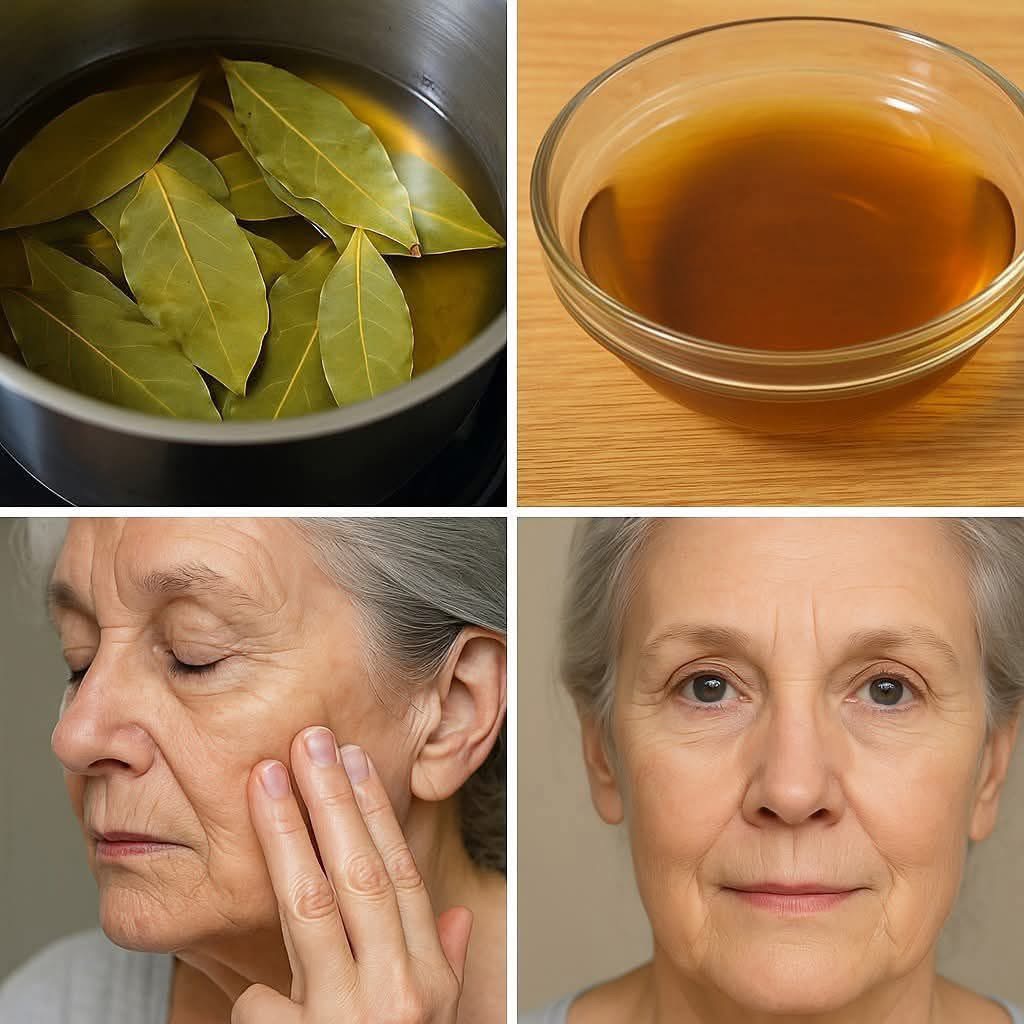
Comprehensive Guide to Bayleaf Tea Benefits for Health and Wellness in 2026
The botanical properties of bay leaves (Laurus nobilis) extend far beyond culinary applications, offering an array of therapeutic advantages when brewed into a warm herbal infusion. As holistic wellness practices continue to evolve in...
The botanical properties of bay leaves (Laurus nobilis) extend far beyond culinary applications, offering an array of therapeutic advantages when brewed into a warm herbal infusion. As holistic wellness practices continue to evolve in 2026, clinical herbalism and modern nutritional science increasingly validate traditional remedies. Drinking bayleaf tea delivers a concentrated dose of bioactive compounds, antioxidants, and essential oils that support metabolic function, digestive health, and inflammatory response regulation.
Contents
Botanical Profile and Phytochemical Composition of Bay Leaves
Understanding the therapeutic mechanisms of bayleaf tea requires a close examination of its phytochemical makeup. Bay leaves contain complex secondary metabolites that interact directly with human physiological pathways. The integrity of these compounds depends on proper harvesting, drying, and brewing techniques.
- Essential Oils: Comprising eucalyptol (1,8-cineole), linalool, and alpha-pinene, which contribute to the tea's characteristic aroma and antimicrobial properties.
- Polyphenols and Flavonoids: Potent antioxidants including quercetin, kaempferol, and parthenolide, which neutralize free radicals and mitigate oxidative stress.
- Sesquiterpene Lactones: Compounds known for their anti-inflammatory activity and potential role in inhibiting certain cellular inflammatory cascades.
- Vitamins and Minerals: Trace amounts of vitamin A, vitamin C, vitamin B6, calcium, iron, and magnesium that leach into the water during the steeping process.
Physiological Mechanisms and Evidence-Based Health Benefits
Clinical interest in herbal infusions has driven research into how daily consumption of bayleaf tea influences chronic health conditions. While not a replacement for medical treatment, incorporating this herbal tea into a balanced lifestyle supports systemic wellness through several distinct pathways.
Metabolic Support and Blood Sugar Regulation
Recent clinical observations highlight the potential benefits of bay leaves for individuals managing insulin sensitivity. Active compounds within the leaves appear to enhance insulin receptor function, facilitating more efficient glucose uptake by peripheral tissues. Regular consumption can assist in stabilizing postprandial blood glucose spikes, making it a valuable dietary adjunct for pre-diabetics when monitored by a healthcare professional.
Gastrointestinal Optimization and Enzyme Stimulation
Traditional medicine systems have long utilized bay leaves as a carminative agent. Brewing the leaves into a warm tea stimulates the secretion of digestive enzymes in the stomach, enhancing nutrient breakdown and reducing transit time. The eucalyptol content helps relax smooth muscle tissue in the gastrointestinal tract, alleviating symptoms of bloating, gas, and mild cramping.
Respiratory Relief and Antimicrobial Action
Inhaling the steam while sipping bayleaf tea provides dual-action respiratory support. The volatile oils possess natural expectorant properties that help loosen accumulated mucus in the bronchial passages. Additionally, the mild antimicrobial and antifungal properties of eucalyptol assist the upper respiratory tract in combating transient environmental pathogens.
Comparative Analysis of Herbal Teas for Metabolic and Digestive Health
Evaluating bayleaf tea against other common herbal infusions clarifies its unique nutritional and therapeutic niche. The following matrix contrasts bayleaf tea with peppermint and chamomile infusions across key wellness parameters.
| Herbal Tea Type | Primary Active Compounds | Targeted Health Benefit | Flavor Profile & Aroma | Best Consumption Timing |
|---|---|---|---|---|
| Bayleaf Tea | Eucalyptol, Linalool, Quercetin | Glucose metabolism, digestive enzyme stimulation | Herbal, slightly medicinal, woody | Post-meals or morning |
| Peppermint Tea | Menthol, Menthone | Spasmolytic relief for IBS, acute bloating | Intensely minty, cooling | Anytime, especially post-meal |
| Chamomile Tea | Apigenin, Bisabolol | Central nervous system relaxation, sleep aid | Floral, sweet, earthy | Evening before bedtime |
Step-by-Step Preparation Guide for Optimal Extraction
Maximizing the bioavailability of active compounds in bay leaves requires specific steeping parameters. Boiling water breaks down tough cellular walls, releasing volatile oils that would otherwise remain trapped in dried plant matter.
- Select Quality Leaves: Choose whole, dried, organic Turkish bay leaves (Laurus nobilis) rather than California bay leaves (Umbellularia californica), which possess a much harsher, highly potent chemical profile.
- Portion Control: Use 2 to 3 whole dried leaves per standard 8-ounce cup of water. Crush or tear the leaves slightly to expose the inner surface area and release essential oils.
- Water Temperature: Bring filtered water to a rolling boil (212°F / 100°C). Pour the boiling water directly over the prepared leaves.
- Steeping Duration: Cover the vessel with a lid to trap evaporating volatile compounds. Steep for 10 to 15 minutes to ensure full extraction of polyphenols and sesquiterpenes.
- Strain and Serve: Remove the leaves completely before consumption. Enjoy plain or add a small amount of raw honey or lemon juice if desired.
Safety Considerations, Contraindications, and Potential Side Effects
While bayleaf tea offers substantial wellness advantages, responsible consumption requires an understanding of physiological boundaries and contraindications.
- Pregnancy and Lactation: Bayleaf tea should be avoided or consumed only under strict medical supervision during pregnancy and breastfeeding due to its potential uterine-stimulating properties.
- Surgical Interventions: Because bay leaves can influence blood glucose levels and possess mild anticoagulant properties, patients must discontinue consumption at least two weeks prior to scheduled surgeries.
- Allergic Reactions: Individuals with sensitivities to members of the Lauraceae family or those with severe birch pollen allergies may experience cross-reactivity and should test small quantities first.
- Choking Hazard (Whole Leaves): Always strain the liquid thoroughly; swallowing whole or fragmented dried bay leaves poses a mechanical obstruction risk in the digestive tract.
Frequently Asked Questions About Bayleaf Tea
Can I drink bayleaf tea every day, and what is the recommended daily limit?
Drinking one to two cups of bayleaf tea daily is generally considered safe for healthy adults. Exceeding this amount can lead to gastrointestinal irritation or unwanted cumulative effects from concentrated volatile oils.
Does bayleaf tea help with weight loss efforts?
Bayleaf tea indirectly supports weight management by improving digestive efficiency, reducing systemic inflammation, and supporting healthy blood glucose metabolism. However, it is not a standalone weight loss solution and must be paired with proper nutrition and exercise.
Are there any differences between fresh and dried bay leaves for tea?
Dried Turkish bay leaves are preferred for tea because drying concentrates the beneficial essential oils while mellowing the bitter tannins. Fresh leaves can be excessively pungent and impart a sharp, medicinal taste.
Will bayleaf tea interact with my prescription medications?
Bayleaf tea may interact with diabetes medications, blood thinners, and sedatives due to its intrinsic biochemical effects. Anyone managing chronic conditions or taking prescription pharmaceuticals should consult their primary care provider before adding this tea to their routine.
How should I store dried bay leaves to maintain their potency?
Store dried bay leaves in an airtight glass container kept in a cool, dark, and dry cupboard away from direct sunlight and moisture. Properly stored leaves retain their therapeutic properties and aromatic profile for up to twelve months.
Professional Consultation and Incorporation
Integrating herbal remedies into a comprehensive wellness strategy requires a personalized approach aligned with individual health profiles. To safely optimize metabolic health, digestive function, and daily vitality with botanical infusions, consult with a qualified clinical herbalist, registered dietitian, or primary care physician to tailor a regimen that suits your specific physiological needs.
Image Gallery