The Jaime Garcia ICE Raid: A Deep Dive into the 2019 Mississippi Workplace Enforcement and its Lasting Legacy
The Jaime Garcia ICE raid refers to the 2019 workplace enforcement action in Morton, Mississippi, where Jaime Garcia and 679 other workers were detained. As the largest single-state immigration sweep in U.S. history, it remains a criti...
The Jaime Garcia ICE raid refers to the 2019 workplace enforcement action in Morton, Mississippi, where Jaime Garcia and 679 other workers were detained. As the largest single-state immigration sweep in U.S. history, it remains a critical case study in labor rights, immigration policy, and the socioeconomic impact of mass detention on rural communities.
Contents
The events that took place on August 7, 2019, transformed the landscape of immigration enforcement in the United States. While the name Jaime Garcia represents one of hundreds of stories, his experience at the Koch Foods plant in Morton has become synonymous with the human cost of large-scale workplace interventions. By examining the technical execution of the raid, the legal aftermath, and the shift in policy observed through 2026, we can better understand the complexities of "Worksite Enforcement" and the protections available to workers.
The Mechanics of the 2019 Mississippi Poultry Plant Raids
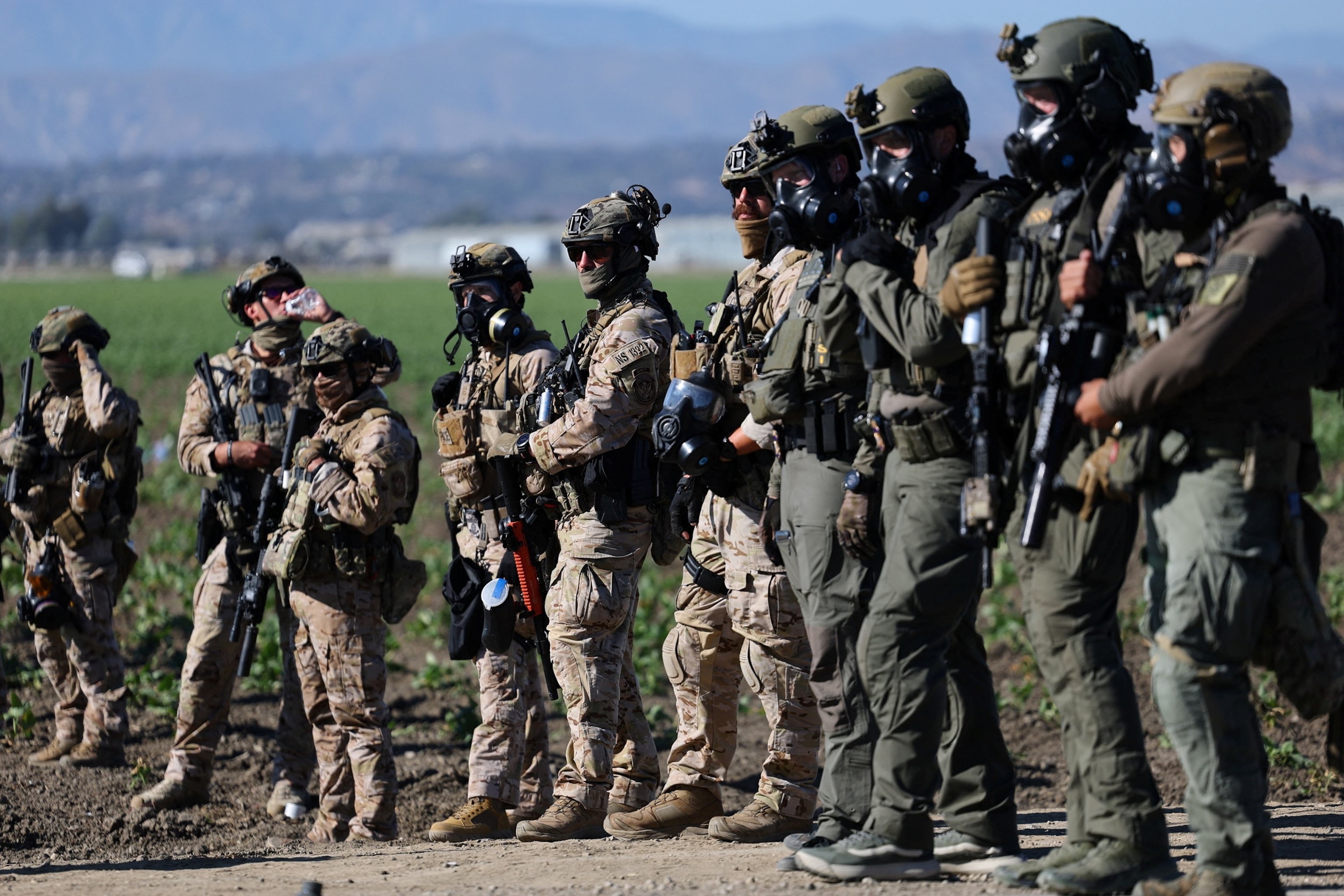
The operation that swept up Jaime Garcia was a meticulously planned multi-site raid executed by U.S. Immigration and Customs Enforcement (ICE) and the Department of Homeland Security (DHS). On a single Wednesday morning, more than 600 agents descended upon seven different poultry processing plants across six cities in Mississippi.
Targeted Locations and Companies
The raids focused on several major players in the poultry industry, including:
- Koch Foods: The facility in Morton where Jaime Garcia was employed.
- Peco Foods: Plants located in Bay Springs, Canton, and Sebastopol.
- PH Food: A processing site in Morton.
- Pearl River Foods: A facility in Carthage.
This operation was not a sudden impulse but the culmination of a year-long investigation. Federal agents utilized administrative and criminal search warrants to enter the premises. The primary legal justification provided by the U.S. Attorney’s Office for the Southern District of Mississippi was the investigation of unauthorized employment and the potential for document fraud. However, the scale of the detention—arresting nearly 700 individuals in one day—shifted the focus from corporate accountability to individual deportation proceedings.
The Story of Jaime Garcia: Humanizing the Statistics
For Jaime Garcia, the raid was not a policy debate; it was a life-altering event. Like many of his colleagues at the Koch Foods plant, Garcia had been a long-term resident of the Morton community. The poultry industry in Mississippi has historically relied on immigrant labor to maintain its high-volume production lines, and many workers had spent years, if not decades, building lives in these rural towns.
On the morning of the raid, workers were corralled into cafeterias or warehouses, their hands zip-tied, and their identification checked against federal databases. Garcia was among those transported to a military hangar in Flowood for processing. The immediate fallout was catastrophic for the families involved. Because the raid occurred on the first day of school for many local children, hundreds of students returned home to find their parents missing.
The case of Jaime Garcia highlighted the "collateral damage" of workplace raids. While the government sought to enforce federal immigration law, the sudden removal of breadwinners led to a local humanitarian crisis. Churches and community centers in Morton became makeshift shelters and distribution points for food and legal aid, illustrating the deep integration of these workers into the local social fabric.
Legal Implications and the Rights of Workers
The Jaime Garcia case triggered extensive legal scrutiny regarding the Fourth Amendment and the rights of individuals during workplace "sweeps." Understanding the distinction between an administrative warrant and a judicial criminal warrant is essential for interpreting the legality of such raids.
Administrative vs. Judicial Warrants
In the 2019 raids, ICE agents often utilized Form I-200 (Warrant for Arrest of Alien). Technically, this is an administrative warrant signed by an immigration official, not a judge. It does not grant the same authority as a judicial warrant to enter private areas of a business without the owner’s consent. However, in the Mississippi cases, the government also secured search warrants for the premises, which allowed them to legally enter the plants.
Once inside, the legal standard for detaining an individual worker requires "reasonable suspicion" that the person is in the country without authorization. A worker's mere presence in a facility being raided does not automatically grant agents the right to search their person or detain them indefinitely. In the years following the 2019 events, legal advocates have used the Jaime Garcia story to educate workers on their "Know Your Rights" protocols:
- The Right to Remain Silent: Workers are not legally obligated to answer questions about their place of birth or immigration status.
- The Right to a Lawyer: Even in administrative proceedings, individuals have the right to legal representation (though not at the government's expense).
- Refusal of Consent: Unless a judicial warrant is present, individuals do not have to consent to a search of their personal belongings or pockets.
The Aftermath: Economic and Social Consequences
The economic ripples of the Jaime Garcia raid were felt long after the ICE buses left Morton. The poultry industry is a cornerstone of Mississippi's economy, and the sudden loss of nearly 700 workers disrupted supply chains and local commerce.
Impact on the Poultry Industry
Poultry plants operate on thin margins and high turnover. The 2019 raid forced companies like Koch Foods and Peco Foods to scramble for labor, leading to increased automation and higher wages for new recruits. However, the "brain drain" of experienced workers who understood the specialized machinery and safety protocols led to temporary productivity drops.
Community Trauma and Migration Patterns
Sociologists studying the Morton community found that the raid led to a "chilling effect." Many undocumented residents who were not arrested in the raid chose to flee the state or go into hiding, further depleting the local workforce. By 2026, the demographics of these small Mississippi towns have shifted, with a notable decrease in the Hispanic population that once sustained the local service economy.
| Metric | Details of the 2019 Mississippi Raid |
|---|---|
| Total Detained | 680 individuals |
| Locations | 7 poultry plants across 6 cities |
| Primary Agencies | ICE, DHS, HSI (Homeland Security Investigations) |
| Legal Basis | Federal search warrants and I-9 audit discrepancies |
| Immediate Release | ~300 individuals released on "humanitarian grounds" within 24 hours |
| Long-term Outcome | Significant deportations; $3.7M fine for Koch Foods (OSHA/Department of Labor related) |
Comparison with Historical Enforcement Actions
To understand the significance of the Jaime Garcia ICE raid, it is helpful to compare it to other major enforcement actions in U.S. history. The 2019 Mississippi raid was often compared to the 2008 Postville, Iowa, raid at the Agriprocessors plant.
While Postville resulted in roughly 400 arrests, the Mississippi raid surpassed it in scale. Furthermore, the legal strategy in 2019 was different; the government focused heavily on "identity theft" and "document fraud" charges to expedite the removal process. In the years since, specifically looking back from 2026, there has been a notable shift away from these massive, high-profile sweeps toward "electronic audits" and "employer-focused enforcement," where the government targets the owners' hiring practices rather than detaining the entire workforce.
Navigating Workplace Enforcement: A Guide for 2026
By 2026, the Department of Homeland Security has updated its "Worksite Enforcement" memos to prioritize the protection of labor standards. The Jaime Garcia incident served as a catalyst for these changes. Currently, if a workplace is involved in a labor dispute or a safety investigation, ICE is generally discouraged from conducting a raid that could interfere with the Department of Labor's proceedings.
Guidance for Employers
Employers must maintain rigorous I-9 compliance. An "I-9 Audit" is often the precursor to a physical raid. By ensuring all paperwork is verified through the E-Verify system and maintaining clear records, businesses can mitigate the risk of federal intervention.
Guidance for Employees
Employees should be aware that "Know Your Rights" cards are still the primary tool for individual protection. If an agent enters a workplace, remaining calm and asserting the right to remain silent until a lawyer is present remains the most effective legal defense.
FAQ: Understanding the Jaime Garcia Case
What was the primary reason for the Jaime Garcia ICE raid? The official reason was the enforcement of federal immigration laws regarding unauthorized employment. The government alleged that the plants were knowingly hiring undocumented workers and that many workers were using fraudulent identification documents.
Was Jaime Garcia deported? Specific outcomes for individual workers vary due to privacy laws and individual legal appeals. However, many workers from the 2019 raids were placed in removal proceedings. Some were granted stays based on humanitarian reasons (e.g., being the sole caregiver for a U.S. citizen child), while others were deported within months of the raid.
How did the schools react to the raid in Morton? The local school districts were caught off guard. On the day of the raid, teachers and administrators had to stay late to care for children whose parents had been detained. This led to the creation of "emergency protocols" in many school districts across the country to handle potential ICE actions in their communities.
Are these types of mass raids still happening in 2026? Current policy in 2026 favors "targeted enforcement." While ICE still conducts arrests, the era of "mass workplace sweeps" like the one involving Jaime Garcia has largely been replaced by audits of employer records and enforcement actions focused on individuals with criminal records rather than entire shifts of laborers.
What happened to the companies involved, such as Koch Foods? While the workers faced immediate detention, the companies faced lengthy legal battles. Koch Foods, for example, eventually paid millions in settlements related to labor violations and safety issues that were uncovered during the increased scrutiny following the raids.
Final Recommendation for Those Seeking More Information
If you are researching the Jaime Garcia ICE raid for legal or academic purposes, it is recommended to review the official press releases from the U.S. Department of Justice for the Southern District of Mississippi from August 2019. For those seeking to understand the civil rights implications, the American Civil Liberties Union (ACLU) and the National Immigration Law Center (NILC) provide extensive documentation on the 2019 Mississippi raids and the evolving legal protections for workers. Community members concerned about current workplace rights should consult with local immigration legal clinics to ensure they have the most up-to-date information on I-9 compliance and "Know Your Rights" protocols as they stand in 2026.
Image Gallery