Finding and Selecting Hedges for Landscaping in Enid, Oklahoma
Finding suitable hedges in Enid, Oklahoma, requires navigating the specific horticultural challenges of USDA Hardiness Zone 7a. Residents and property owners looking to establish privacy screens, windbreaks, or ornamental borders can s...
Finding suitable hedges in Enid, Oklahoma, requires navigating the specific horticultural challenges of USDA Hardiness Zone 7a. Residents and property owners looking to establish privacy screens, windbreaks, or ornamental borders can source plants through local nurseries, regional garden centers, and agricultural extensions that provide varieties capable of withstanding the region's characteristic temperature fluctuations and wind exposure.
Contents
Understanding the Enid, Oklahoma Climate for Hedging
The primary hurdle for any gardener in Enid is selecting vegetation that can survive the transition from hot, dry summers to cold, occasionally freezing winters. Enid falls within USDA Plant Hardiness Zone 7a, meaning average annual extreme minimum temperatures range between 0°F and 5°F. Because Oklahoma is prone to significant wind—often referred to as the "Oklahoma wind"—hedges serve not only as aesthetic boundaries but as vital buffers for residential property.
When searching for hedges in this region, focus on species known for drought tolerance and structural integrity. A hedge that requires daily watering or lacks wind resistance will struggle to establish itself, leading to gaps in growth or total plant failure. Prioritize "Oklahoma Proven" varieties or species native to the Southern Great Plains to ensure the highest success rate.
Where to Source Quality Hedging Material
In Enid, you have three primary channels for acquiring hedge material. Each channel offers different levels of support, selection, and price points.
Local Independent Nurseries
Independent garden centers in and around Garfield County are your best resource for site-specific advice. Unlike big-box retailers, local nurseries often curate their inventory based on what survives local soil conditions. When visiting a local nursery, ask specifically for "field-grown" versus "container-grown" stock. Field-grown plants are often more robust for hedge applications, though they require more care during the initial transplanting phase.
Agricultural Retailers and Farm Supply Stores
Given the agricultural focus of North Central Oklahoma, regional farm supply stores often stock hardy shrubs that function well as windbreaks. These outlets are ideal if you are looking to plant a long expanse, such as a property line fence, as they frequently carry bulk quantities of common species like Privet, Juniper, or hardy Boxwood.
Oklahoma State University (OSU) Extension
Before purchasing, consult the Oklahoma Cooperative Extension Service. While they do not "sell" plants, they provide updated research on which cultivars are currently thriving in your specific soil type. Their resources provide data on irrigation requirements and pest resistance, which can prevent you from purchasing a hedge variety that is susceptible to common regional blights.
Top Hedge Varieties for the Enid Region
Selecting the right plant is a balance between your desired height, maintenance capacity, and the level of privacy required.
| Species | Growth Rate | Privacy Level | Drought Tolerance |
|---|---|---|---|
| Eastern Red Cedar | Moderate | High (Evergreen) | High |
| Common Boxwood | Slow | Medium (Formal) | Moderate |
| Privet (Ligustrum) | Fast | High (Dense) | High |
| Nellie R. Stevens Holly | Moderate | High (Broadleaf) | Moderate |
| Wax Myrtle | Fast | Medium | High |
Why These Varieties Work
- Eastern Red Cedar: This is native to the region and arguably the most resilient choice for windbreaks in Oklahoma. It is highly drought-tolerant and provides year-round screening.
- Privet: Often used for formal hedges, it is incredibly vigorous. Be aware that some species of Ligustrum can be invasive; always confirm with your local nursery that you are purchasing a non-invasive variety.
- Nellie R. Stevens Holly: If you prefer a glossy, broadleaf look that remains green through the winter, this holly is exceptionally well-adapted to the heat of an Oklahoma summer.
Site Preparation and Planting Requirements
Before you purchase your hedge, you must prepare the soil. The soil in Enid can range from clay-heavy to silty. Proper drainage is essential; even drought-tolerant plants will succumb to root rot if they sit in standing water during the wet spring months.
Soil Testing
Test your soil pH. Most standard hedge shrubs prefer a slightly acidic to neutral range. If your soil is highly alkaline—common in parts of the Plains—you may need to amend it with organic matter or soil sulfur before planting. Visit the local Garfield County Extension office to request a soil test kit; this is the most accurate way to determine what amendments, if any, your planting site needs.
Planting Depth and Spacing
A common mistake in residential landscaping is planting hedges too deep. Ensure the root flare—the point where the trunk widens at the base—is visible at the soil line. For spacing, consider the mature width of the plant. While you may want an "instant" hedge, crowding plants will lead to poor airflow, which increases the likelihood of fungal diseases in the humid summer months.
Maintenance and Long-Term Care
Once established, your hedge will require periodic intervention. In the Enid climate, this usually focuses on water management and seasonal pruning.
- Irrigation: Even drought-tolerant plants require consistent water during their first two years. Use drip irrigation rather than overhead sprinklers to keep water off the foliage, which reduces the chance of leaf spot diseases.
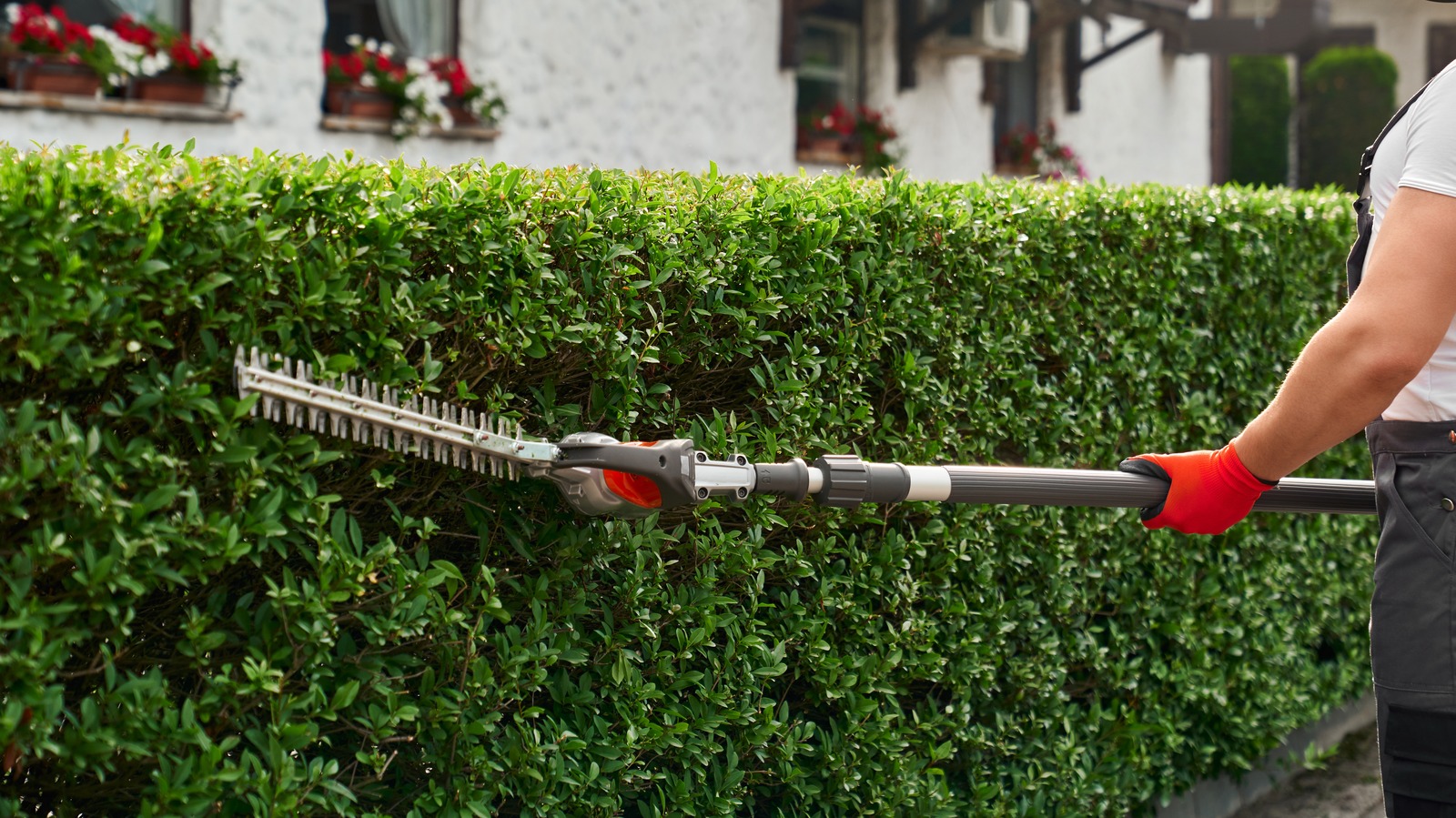
- Pruning Cycles: The best time to prune most hedges in Oklahoma is late winter or early spring before the plant breaks dormancy. For evergreen hedges, a light "tip pruning" in early summer can encourage thicker growth.
- Winter Protection: For younger, less established hedges, consider a layer of mulch (2–3 inches) around the base to insulate the roots against sudden temperature drops that occur during Oklahoma winters.
Frequently Asked Questions
Which hedge grows the fastest in Enid? Privet (Ligustrum) is widely considered the fastest-growing hedge in the region. It is highly adaptable to the local soil but requires frequent pruning (at least twice per season) to maintain a desired shape, as its growth habit is aggressive.
Can I plant a hedge that won't require watering? While almost all newly planted shrubs require supplemental water for the first two years to establish their root systems, established Eastern Red Cedar or native Junipers are the most drought-resistant options and will eventually require little to no supplemental watering, even during dry Oklahoma summers.
Should I choose evergreen or deciduous hedges? If your primary goal is year-round privacy, choose evergreens like Holly or Cedar. If you prefer a hedge that changes with the seasons and offers potential flowering, deciduous varieties like Spirea or Forsythia can work, but they will leave you exposed during the winter months.
How do I prevent my hedge from dying in the Oklahoma heat? Deep watering is more effective than shallow daily watering. By soaking the soil deeply once or twice a week, you encourage the roots to grow further into the ground, where the soil temperature is cooler and moisture is retained longer.
Where can I verify if a plant is invasive in Oklahoma? The Oklahoma Invasive Plant Council maintains lists of species that negatively impact the local ecosystem. Always cross-reference your selection with this list before purchasing to ensure you are not planting a species that could spread into local natural areas.
Next Steps for Your Landscaping Project
To move forward with your hedge installation, start by measuring your planned planting area to determine the total linear feet you need to cover. Visit your local independent nursery during the spring or fall—the two optimal planting windows for Oklahoma—and bring your soil test results if available. Focus on selecting container-grown plants that appear vigorous and free of pests, and prioritize species that are labeled as well-suited for Zone 7a. By matching the plant to the specific wind and soil conditions of Enid, you will ensure a healthy, long-lasting privacy screen for your property.
Image Gallery