What You Need to Know About the Types of Auto Insurance and What They Cover
Auto insurance consists of distinct coverage types designed to protect against legal liability, medical expenses, and physical vehicle damage. While liability coverage is legally required in almost every jurisdiction, collision, compre...
Auto insurance consists of distinct coverage types designed to protect against legal liability, medical expenses, and physical vehicle damage. While liability coverage is legally required in almost every jurisdiction, collision, comprehensive, medical payments, personal injury protection, and specialized add-ons provide vital financial protection against catastrophic collision losses, theft, severe weather, and uninsured drivers.
Contents
Disclaimer: Auto insurance regulations, minimum mandatory coverage limits, and policy terms vary by state and jurisdiction. This guide provides general informational coverage. Always consult with a licensed insurance agent or broker to review specific policy forms and regional legal requirements.
Understanding How Auto Insurance Works
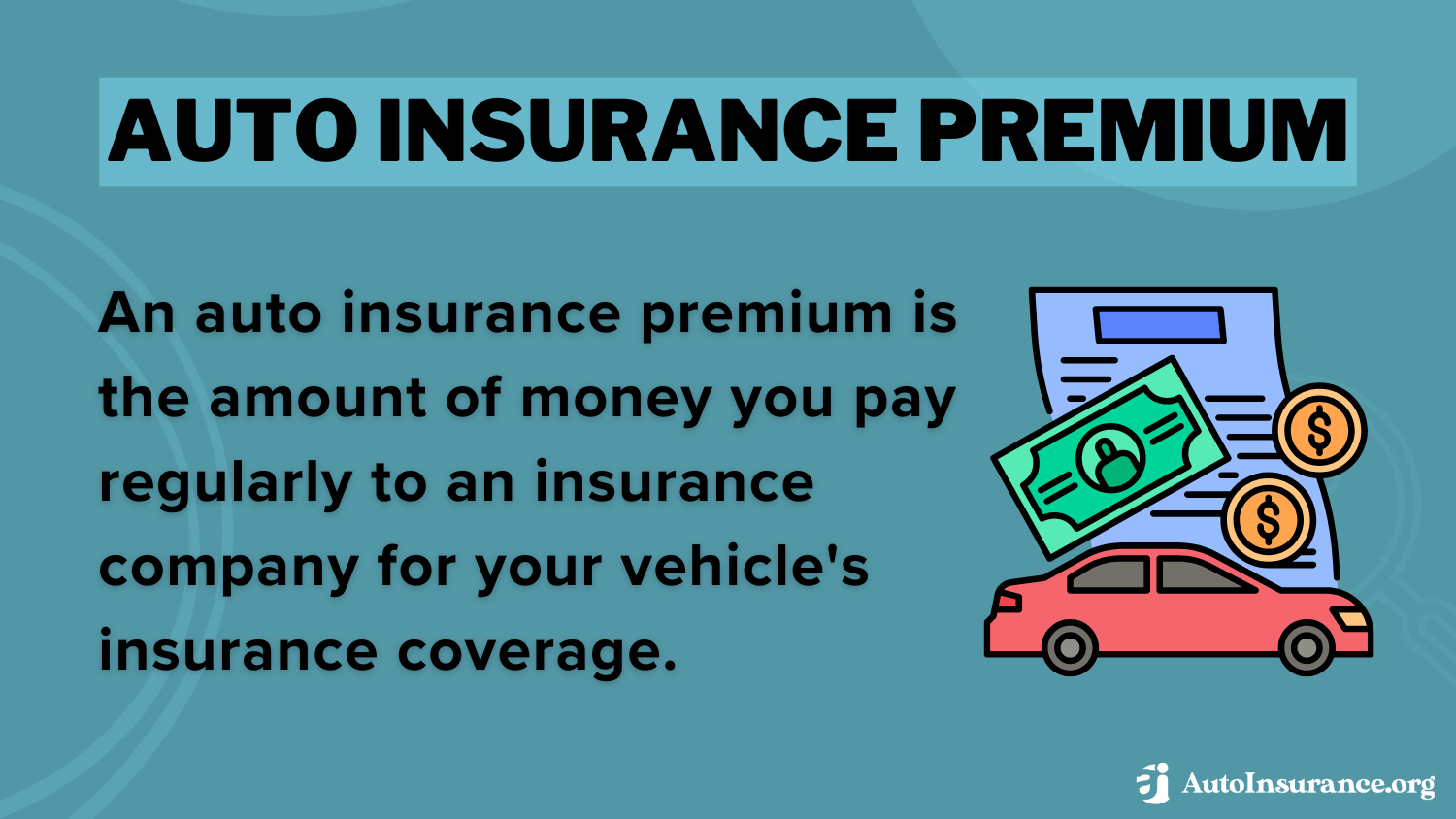
Auto insurance operates as a financial contract between a vehicle owner and an insurance carrier. In exchange for regular premium payments, the insurer agrees to pay for covered financial losses up to defined monetary thresholds, known as policy limits.
Understanding how different auto insurance coverages fit together is essential for avoiding costly gaps in protection. Policy options generally fall into three primary categories:
- Liability Coverage: Pays for injuries and property damage you cause to others.
- Medical & Protection Coverage: Covers medical bills and lost wages for you and your passengers, regardless of fault.
- Property & Vehicle Damage Coverage: Pays to repair or replace your own vehicle after a crash, severe weather event, vandalism, or theft.
Most standard auto insurance policies are modular. Drivers can combine mandatory minimums with optional endorsements to match their risk tolerance, vehicle value, and financial assets.
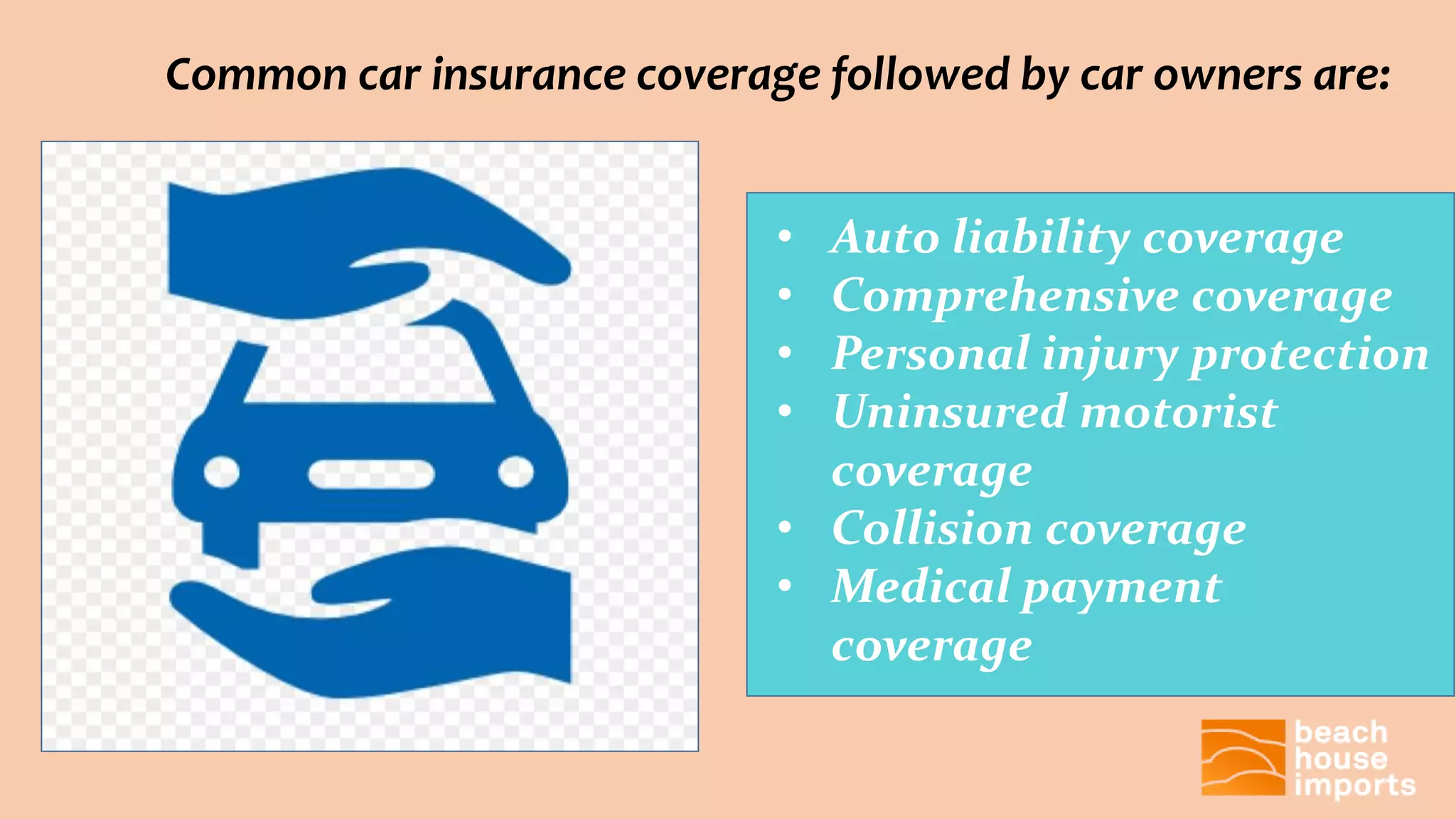
The Core Types of Auto Insurance Coverage
| Protection for Others (Third-Party Coverage) | Protection for You & Your Vehicle (First-Party) |
|---|---|
| • Bodily Injury Liability (BI) | • Collision Coverage |
| • Property Damage Liability (PD) | • Comprehensive Coverage |
| • Uninsured/Underinsured Motorist (UM/UIM)* | • Personal Injury Protection |
| • Medical Payments (MedPay) | |
| • Gap Insurance & Add-ons |
* Note: UM/UIM can cover both third-party liability gaps and first-party medical/property damage depending on state policy design.
1. Bodily Injury Liability (BI)
Bodily Injury Liability coverage pays for medical bills, emergency care, loss of income, legal defense fees, and pain and suffering experienced by third parties when you are at fault in an auto accident. It does not pay for your own medical expenses or injuries sustained by members of your household listed on your policy.
Liability policy limits are typically structured as split limits, expressed as three numbers (e.g., 100/300/50):
- $100,000 per person: The maximum amount paid for injuries to a single individual in one accident.
- $300,000 per accident: The total maximum payout for all injured parties in a single accident.
- $50,000 property damage: The maximum payout for property damage caused in that same accident.
Carrying higher limits than state-mandated minimums prevents third-party claimants from pursuing personal assets, wage garnishments, or legal judgments against you following a severe collision.
2. Property Damage Liability (PD)
Property Damage Liability covers the repair or replacement costs of property damaged by your vehicle during an at-fault accident. While this primarily applies to other motor vehicles, it also covers static structures such as fences, guardrails, utility poles, storefronts, and parked vehicles.
State minimum requirements for property damage liability are often set as low as $10,000 to $25,000. However, modern luxury cars and EV replacements routinely cost significantly more. If you cause an accident involving multiple vehicles or damage high-value property, expenses exceeding your policy limit become your direct personal responsibility.
3. Collision Coverage
Collision coverage pays to repair or replace your own vehicle after an impact with another vehicle or a fixed object, such as a tree, guardrail, embankment, or telephone pole. It also covers single-vehicle accidents, such as rollovers.
Unlike liability coverage, collision insurance carries a deductible—an out-of-pocket amount (typically $250, $500, or $1,000) that you must pay before your insurer covers the remaining loss.
If repair costs exceed the vehicle’s Actual Cash Value (ACV)—which factors in age, wear, and market depreciation—the insurance company will declare the vehicle a total loss and issue a payout for its market value minus the deductible.
4. Comprehensive Coverage (Other-Than-Collision)
Comprehensive coverage protects your vehicle against non-collision physical damage caused by events beyond your control. It serves as a safeguard against environmental and non-driving incidents, including:
- Theft and Vandalism: Total theft of the vehicle or damage resulting from break-ins.
- Weather and Natural Disasters: Hail damage, falling tree limbs, floods, windstorms, and lightning.
- Animal Impacts: Collisions with deer, elk, or other wildlife.
- Glass Breakage: Cracked, chipped, or shattered windshields and windows.
- Fire and Explosions: Engine fires or external structure fires damaging the car.
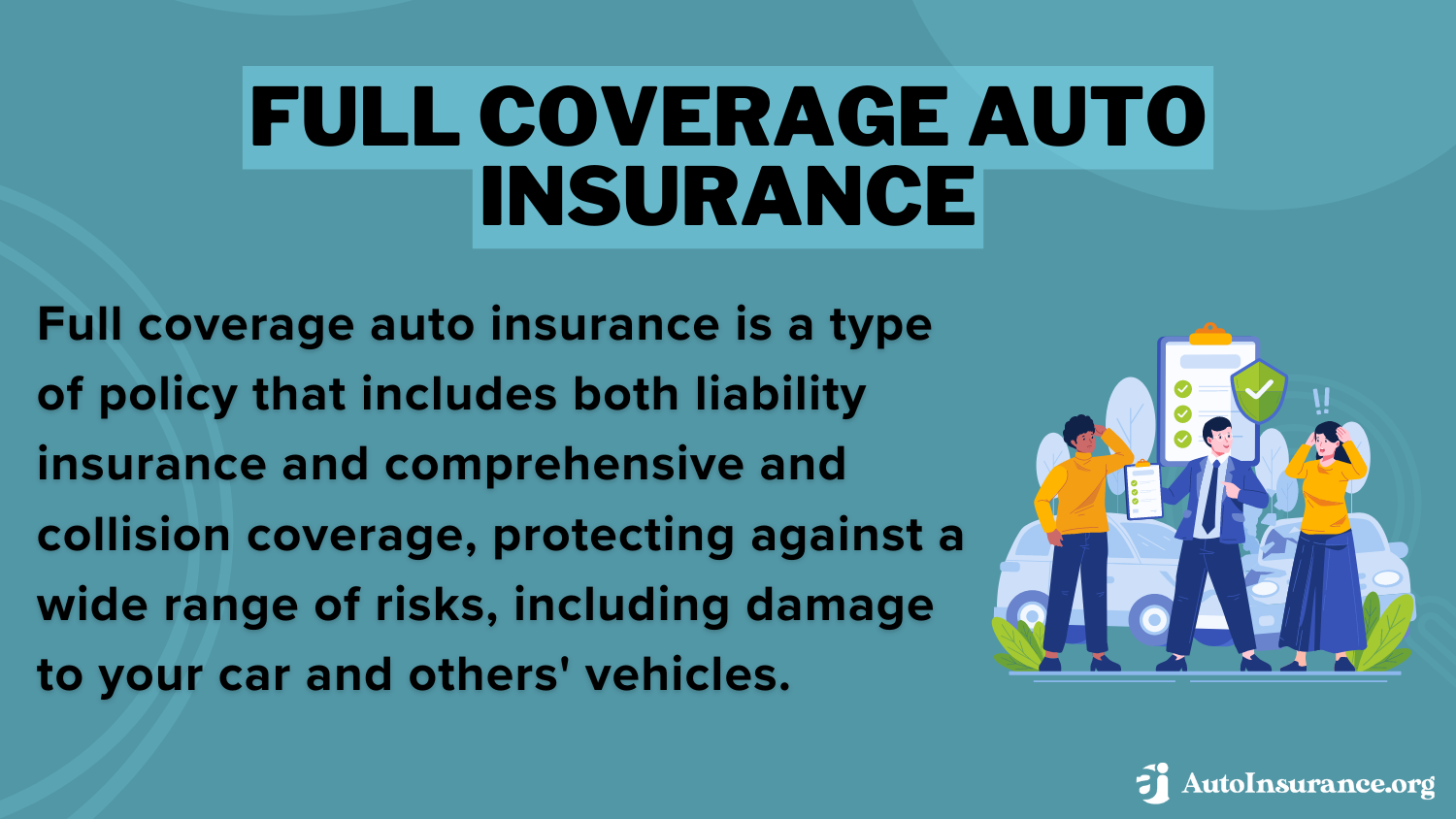
Like collision coverage, comprehensive insurance requires a deductible. Lenders and leasing companies almost universally require drivers to maintain both comprehensive and collision coverage (collectively referred to as "Full Coverage") until the auto loan or lease is paid off.
5. Personal Injury Protection (PIP) and Medical Payments (MedPay)
These coverages pay for medical expenses resulting from an accident, regardless of who was at fault.
- Personal Injury Protection (PIP): Mandatory in many "no-fault" insurance states, PIP covers medical treatment, rehabilitative care, lost wages, and essential service replacement (such as childcare or housekeeping assistance) for you and your passengers.
- Medical Payments (MedPay): Common in fault-based states, MedPay is a narrower policy option. It covers direct medical, surgical, dental, ambulance, and funeral expenses for the policyholder and passengers, but does not cover lost wages or non-medical expenses.
6. Uninsured and Underinsured Motorist Coverage (UM / UIM)
Despite legal requirements, millions of motorists drive without active insurance or carry only minimal coverage limits. Uninsured/Underinsured Motorist coverage protects you when an at-fault driver lacks adequate insurance.
- Uninsured Motorist (UM): Pays for your medical bills, lost wages, and (in some states) vehicle repairs if you are struck by a driver who has no insurance or by a driver who flees the scene in a hit-and-run.
- Underinsured Motorist (UIM): Activates when an at-fault driver has insurance, but their policy limits are insufficient to cover your total medical bills or property damage. UIM pays the difference up to your policy limit.
Specialized Add-on Coverages and Endorsements
In addition to standard coverage types, auto insurers offer supplemental endorsements to address specific financial risks:
| Gap Insurance | Roadside Assistance | Rental Reimbursement |
|---|---|---|
| Covers difference between loan balance and depreciated ACV | Covers towing, flat tires, lockouts, and battery jump-starts. | Pays for temporary rental car while primary vehicle is undergoing covered repairs. |
Guaranteed Asset Protection (Gap) Insurance
New vehicles lose value rapidly due to depreciation. If a financed or leased vehicle is totaled early in its lifespan, the insurer's actual cash value payout may be lower than the remaining loan balance. Gap insurance pays the monetary difference between the vehicle's market value settlement and your active loan balance.
Roadside Assistance and Towing
Provides 24/7 assistance for common roadside emergencies, including towing service, battery jump-starts, flat-tire changes, fuel delivery, and lockout assistance.
Rental Reimbursement / Transportation Expenses
Reimburses the cost of renting a replacement vehicle or using public transportation while your primary car is in the shop for repairs covered under comprehensive or collision policies.
New Car Replacement Coverage
If your brand-new vehicle is declared a total loss within a specified timeframe (typically 1 to 2 model years), this endorsement replaces it with a brand-new car of the same make and model, rather than paying out the depreciated actual cash value.
Auto Insurance Coverage Comparison Matrix
The following reference table outlines how different coverages function, what triggers a claim, whether they are mandatory, and how deductibles apply:
| Coverage Type | Primary Function | Covers Medical Costs? | Covers Vehicle Damage? | Applies When You Are At Fault? | Standard Deductible Required? | Legal Obligation Status |
|---|---|---|---|---|---|---|
| Bodily Injury Liability | Pays third-party medical expenses and legal fees | Yes (Others only) | No | Yes | No | Mandatory in most states |
| Property Damage Liability | Pays for damage to third-party vehicles and property | No | Yes (Others only) | Yes | No | Mandatory in most states |
| Collision Coverage | Repairs your vehicle after a crash or impact | No | Yes (Your car) | Yes | Yes ($250–$1,000+) | Mandatory for leased/financed cars |
| Comprehensive Coverage | Repairs non-collision damage (theft, weather, animals) | No | Yes (Your car) | N/A (Non-collision) | Yes ($250–$1,000+) | Mandatory for leased/financed cars |
| Personal Injury Protection (PIP) | Covers medical bills and lost income regardless of fault | Yes (You/Passengers) | No | Yes | Optional/Varies by state | Mandatory in no-fault states |
| Medical Payments (MedPay) | Covers direct medical bills for policyholder and passengers | Yes (You/Passengers) | No | Yes | No | Optional in most states |
| Uninsured Motorist (UM/UIM) | Covers your losses when an at-fault driver has insufficient coverage | Yes (All variants) | Yes (In specific states) | No | Varies | Required in select states |
| Gap Insurance | Pays financial gap between vehicle value and loan balance | No | Financial loss balance | Yes | No | Required by specific lenders |
Understanding Policy Limits, Deductibles, and Out-of-Pocket Costs
Structuring an auto policy requires balancing monthly premiums against out-of-pocket risk exposure.
How Deductibles Affect Premiums
A deductible is the dollar amount you pay upfront before your insurance policy covers physical damage claims. Deductibles apply separately to collision and comprehensive policies.
- Higher Deductible ($1,000): Reduces your recurring monthly policy premium, but requires greater out-of-pocket spending if an accident occurs.
- Lower Deductible ($250 or $500): Increases your recurring monthly premium, but minimizes immediate costs when filing a claim.
Choosing Policy Limits vs. Personal Asset Exposure
State minimum requirements usually offer inadequate protection against severe crashes. For example, carrying a $25,000 property damage limit means that if you cause an accident that totals a $60,000 modern vehicle, you remain personally liable for the remaining $35,000 balance.
Financial professionals typically recommend choosing coverage limits that align with your overall financial net worth rather than accepting baseline legal minimums.
How to Determine the Coverage You Need
Selecting the right auto insurance policy depends on your financial situation, vehicle value, vehicle ownership status, and local laws.
- Are you financing or leasing your vehicle?
- YES:
- MUST CARRY:
- State Mandatory Liability
- Comprehensive & Collision
- Gap Insurance (Recommended)
- MUST CARRY:
- NO:
- Is the vehicle worth more than $4,000 - $5,000 ACV?
- YES:
- RETAIN FULL COVERAGE: Maintain Comp/Coll to protect equity.
- NO:
- CONSIDER LIABILITY-ONLY COVERAGE: Drop Comp/Collision to lower premiums.
- YES:
- Is the vehicle worth more than $4,000 - $5,000 ACV?
- YES:
1. Evaluate Vehicle Depreciation and Market Value
If your vehicle's current market value drops below $4,000 to $5,000, paying high annual premiums for comprehensive and collision coverage with a $1,000 deductible may cost more over time than the vehicle's total potential payout. In contrast, newer, high-value cars should always be protected with full coverage.
2. Verify Lienholder and Lease Mandates
Financing banks and leasing companies require full coverage insurance to protect their financial stake in the vehicle. Failing to maintain required collision and comprehensive coverage can result in the lender purchasing expensive "force-placed insurance" at your expense.
3. Review Local State Insurance Mandates
Each state sets legal requirements for liability limits and medical coverages. Confirm whether your state follows a fault-based system or a no-fault system to ensure your policy includes mandatory Personal Injury Protection (PIP) levels where required.
Frequently Asked Questions
What is the difference between "Full Coverage" and liability-only auto insurance?
"Full Coverage" is an industry term referring to a policy that combines mandatory liability coverage with collision and comprehensive coverages. Liability-only insurance covers damage and injuries you cause to others, while full coverage also pays to repair or replace your own vehicle after an accident, theft, or natural disaster.
Does my auto insurance cover me if someone else drives my car?
In most states, auto insurance follows the vehicle rather than the driver. If you lend your car to a friend or family member with your permission, your policy generally acts as the primary coverage for an accident. However, drivers residing in your household who regularly use the vehicle should be explicitly listed on your policy to ensure claims are covered.
What is the difference between actual cash value and replacement cost coverage?
Actual Cash Value (ACV) equals the market value of your vehicle immediately prior to an accident, taking into account depreciation, age, mileage, and wear and tear. Replacement Cost coverage pays out the funds needed to purchase a brand-new vehicle of comparable make and model without deducting for depreciation.
Is Gap insurance necessary if I already have comprehensive and collision coverage?
Comprehensive and collision coverage only pay up to the vehicle's depreciated Actual Cash Value (ACV). If you owe more on your auto loan or lease balance than the vehicle is currently worth, comprehensive and collision coverage alone will not pay off that extra debt. Gap insurance is necessary to cover this remaining financial obligation.
Why did my auto insurance rates increase if I didn't cause an accident?
Insurance rates can increase due to factors beyond individual driving records. Systemic drivers of rate increases include rising regional vehicle repair costs, vehicle theft rates in your zip code, regulatory rate adjustments, weather disaster claims, and broader inflationary pressures affecting labor and automotive parts.
Practical Recommendation: Steps to Optimize Your Auto Policy
- Audit Your Current Declarations Page: Review your policy limits, deductibles, and endorsement add-ons. Verify that your liability coverage limits match your current savings and financial assets.
- Adjust Coverage Based on Vehicle Age: If your car is older, fully paid off, and depreciated, calculate whether dropping collision and comprehensive coverages could save more money annually than the car's maximum replacement value.
- Compare Multi-Policy Discounts: Bundle auto insurance with homeowners, renters, or umbrella policies to lower overall premium costs across all risk areas.
- Re-evaluate Deductibles Annually: Ensure your out-of-pocket deductible aligns with your liquid emergency fund so you can quickly cover repairs if an accident occurs.
Image Gallery