Is Term Life Insurance Worth It When You Have Millions in the Market?
Having millions of dollars invested in the stock market often leads to the assumption that life insurance is redundant. While high-net-worth individuals are technically "self-insured" because their accumulated liquid net worth can supp...
Having millions of dollars invested in the stock market often leads to the assumption that life insurance is redundant. While high-net-worth individuals are technically "self-insured" because their accumulated liquid net worth can support surviving dependents, maintaining a affordable term life insurance policy remains a tactical wealth-preservation tool. It protects market portfolios against bad timing, eliminates forced liquidation during downturns, and delivers immediate tax-free liquidity.
Contents
Understanding "Self-Insurance" vs. Financial Risk Transfer
In personal finance, becoming self-insured means accumulating enough assets so that your death would not leave financial dependents in distress. If an investor holds $5 million in index funds and liquid equities, their family could theoretically live off the investment income or gradual capital liquidations indefinitely.
However, self-insurance relies entirely on your balance sheet carrying 100% of the risk. When you buy a term life insurance policy, you transfer the catastrophic risk of premature death to an insurance company for a fixed, predictable fee.
For wealthy investors, deciding whether term life insurance is "worth it" comes down to risk architecture rather than pure survival. The central question shifts from “Will my family starve without my income?” to “Is liquidating market assets the most tax-efficient and low-risk way to handle sudden cash demands upon my death?”
5 Strategic Reasons High-Net-Worth Investors Buy Term Life Insurance
Even when market portfolios stretch into seven or eight figures, carrying a low-cost term life policy offers structural financial benefits that self-insuring cannot replicate.
- High-Net-Worth Portfolio Vulnerabilities
- Market Volatility
- Illiquid Assets
- Immediate Debt/Taxes
- Term Life Insurance Liquidity Buffer (Tax-Free)
- Zero Market Drag
- Immediate Cash
- Protects Basis
1. Mitigating Sequence of Returns Risk for Beneficiaries
Market volatility does not pause for personal tragedies. If an investor dies during a severe bear market—such as a 30% to 40% drawdown—beneficiaries who rely on the portfolio for immediate cash needs (such as paying off mortgages, estate fees, or living expenses) may be forced to sell equities at depressed valuations.
Executing large liquidations during a market decline locks in permanent capital losses, severely impairing the long-term compounding potential of the remaining portfolio. A term life policy provides immediate, guaranteed liquidity. The death benefit acts as a cash cushion, allowing beneficiaries to leave invested capital untouched until market valuations recover.
2. Tax-Free Liquidity and Federal Estate Considerations
Under Section 101(a) of the Internal Revenue Code, life insurance proceeds are generally received by beneficiaries tax-free. While wealthy investors may have substantial market wealth, liquidating taxable brokerage accounts to cover estate settlement expenses, real estate taxes, or final income taxes can trigger significant capital gains taxation.
Furthermore, federal estate tax thresholds dictate how ultra-high-net-worth individuals structure their holdings. Having non-taxable cash delivered instantly outside of probate—or managed through an Irrevocable Life Insurance Trust (ILIT)—prevents liquid assets from being prematurely eroded by administrative expenses and tax liabilities.
3. Asymmetric Capital Efficiency
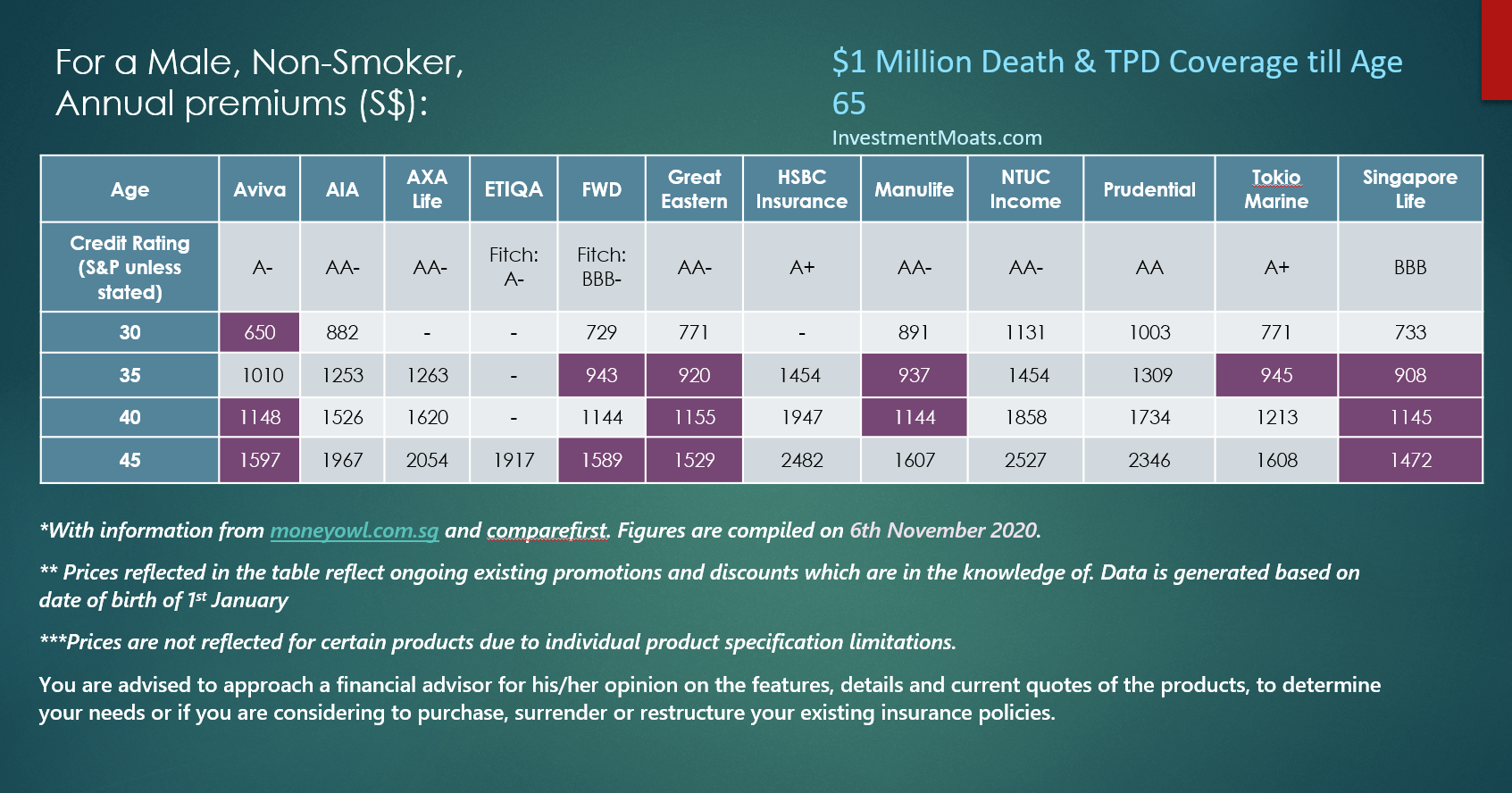
Term life insurance is notably inexpensive for healthy adults relative to the size of the payout. A healthy 40-year-old might pay $1,200 annually for a 20-year, $2 million term policy. Over two decades, total premiums paid equal $24,000.
Comparing $24,000 in cumulative premiums against a guaranteed $2,000,000 liquid payout represents an extraordinarily asymmetric return on risk transfer:
$$\text{Payout Ratio} = \frac{$2,000,000}{$24,000} \approx 83.33 \text{ to } 1$$
Allocating a fraction of a percent of annual investment income toward term premiums transfers a multi-million-dollar risk off your balance sheet while keeping 99.9% of your capital deployed in high-yielding market assets.
4. Ring-Fencing Illiquid Liabilities and Business Obligations
High-net-worth individuals frequently carry complex financial obligations alongside their market portfolios, such as:
- Personal guarantees on commercial real estate mortgages
- Active private equity capital calls or business venture lines of credit
- Buy-sell agreements with corporate partners requiring immediate equity buyouts upon death
Relying on public stock sales to cover private business debts or contractual buyouts can force suboptimal asset sales. Term insurance cleanly isolates business debts and partner obligations from the core family investment portfolio.
5. Equalizing Estate Distributions Among Heirs
When an investor’s wealth is tied up in non-divisible assets—such as private business stock, real estate developments, or concentrated private equity holdings—distributing an estate equally among multiple children can be difficult.
If one child actively manages the family business and others do not, leaving company shares to everyone creates operational conflicts. A term policy provides immediate cash to non-managing heirs, equalizing the inheritance without splitting or selling the core enterprise.
When Term Life Insurance Is NOT Worth It for Wealthy Investors
While term insurance offers clear advantages, there are distinct financial scenarios where purchasing or maintaining coverage makes little economic sense:
- Complete Financial Independence with Zero Liabilities: If your net worth significantly exceeds your family’s lifetime spending requirements (e.g., $15 million in assets with $100,000 in annual spending), and you carry no margin debt, business obligations, or mortgage liabilities, the risk of portfolio depletion is virtually non-existent.
- Unfavorable Health Ratings: If severe pre-existing medical conditions result in heavily rated (table-rated) premiums, the cost of coverage may outweigh the financial benefit of risk transfer.
- Advanced Age with Sunset Margins: If you are in your late 60s or 70s and your primary term policy expires, purchasing a new term policy becomes exponentially expensive. At this stage, self-insuring through established market assets is almost always the superior choice.
Financial Analysis: Term Insurance vs. Self-Insuring with Market Assets
The table below contrasts relying purely on market investments versus pairing a market portfolio with a term life insurance policy.
| Feature / Scenario | Pure Self-Insurance (Market Assets Only) | Term Life Insurance + Market Portfolio |
|---|---|---|
| Liquidity Speed | Requires settling trades (T+1/T+2) and transferring funds; potential probate delays. | Fast, direct payout to named beneficiaries upon submitting death certificate. |
| Market Timing Vulnerability | High: Beneficiaries may be forced to sell during market downturns. | Low: Policy provides fixed cash, preserving market assets during downturns. |
| Capital Gains Tax Impact | Liquidation of appreciated assets triggers taxable capital gains (subject to step-up rules). | Payouts under IRC Sec. 101(a) are completely free from federal income tax. |
| Capital Drag on Wealth | Zero ongoing premium cost; 100% of wealth stays invested. | Minimal ongoing premium cost (typically <0.1% of net worth per year). |
| Estate Distribution Flexibility | Complex; requires liquidating or physical partitioning of assets. | Simple; provides exact cash sums to specific beneficiaries instantly. |
| Protection Against Margin/Debt | Debt must be settled directly from existing portfolio assets. | Payout can clear outstanding debts without touching investments. |
Key Factors to Calculate Your Exact Term Coverage Needs
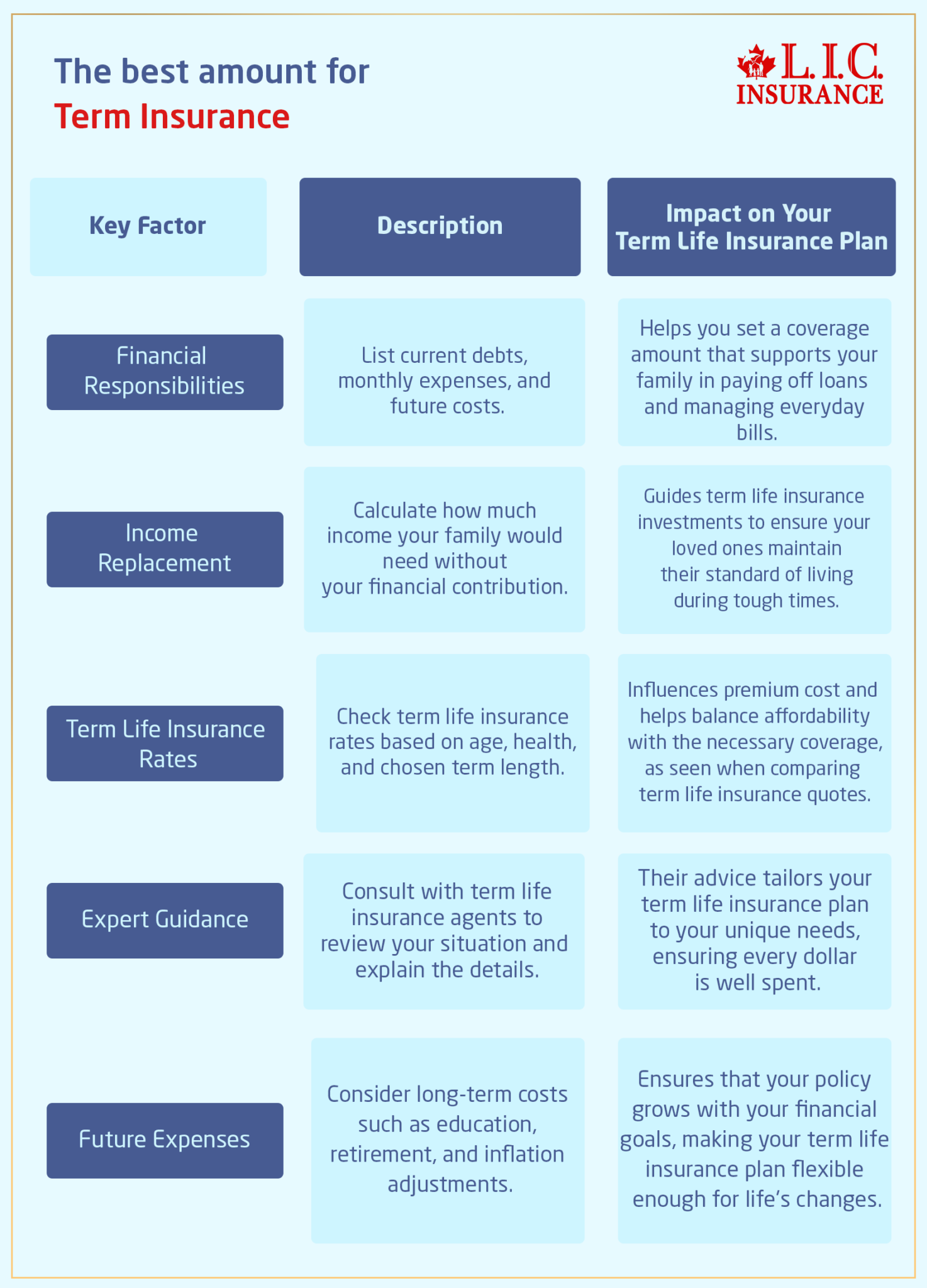
If you hold millions in the market, standard life insurance formulas (like "10 times your annual income") are obsolete. Instead, calculate coverage based on targeted financial liabilities:
- Short-Term Cash Needs: Estimate living expenses and ongoing household maintenance costs for 3 to 5 years ($300,000–$1,000,000) to allow the primary investment portfolio to compound undisturbed.
- Outstanding Debt & Liabilities: Add all outstanding mortgages, personal guarantees, margin loans, or private equity capital commitments.
- Tax & Estate Obligations: Consult a estate tax attorney to project estate tax liabilities, probate fees, and final income tax demands.
- Future Specific Allocations: Factor in dedicated funding goals, such as college funds for children or planned charitable donations.
Subtract dedicated liquid cash reserves from this subtotal. The remaining figure is the exact amount of term coverage required to protect your investment portfolio from premature liquidation.
Frequently Asked Questions
If I have $5 million in the stock market, why shouldn't I just self-insure?
Self-insuring leaves your wealth exposed to market timing risk. If you die during a market collapse, your family might have to liquidate assets at a 30% or 40% discount to cover immediate cash needs. Term insurance provides guaranteed cash, preventing forced asset sales during a downturn.
Does a step-up in basis make term insurance unnecessary for wealthy estates?
While a step-up in basis eliminates unrealized capital gains taxes on inherited assets at death under current federal tax rules, it does not solve liquidity timing issues. Beneficiaries still face probate delays, administrative costs, and potential market drops while waiting for estate settlement.
Is term life insurance better than permanent or whole life insurance for high earners?
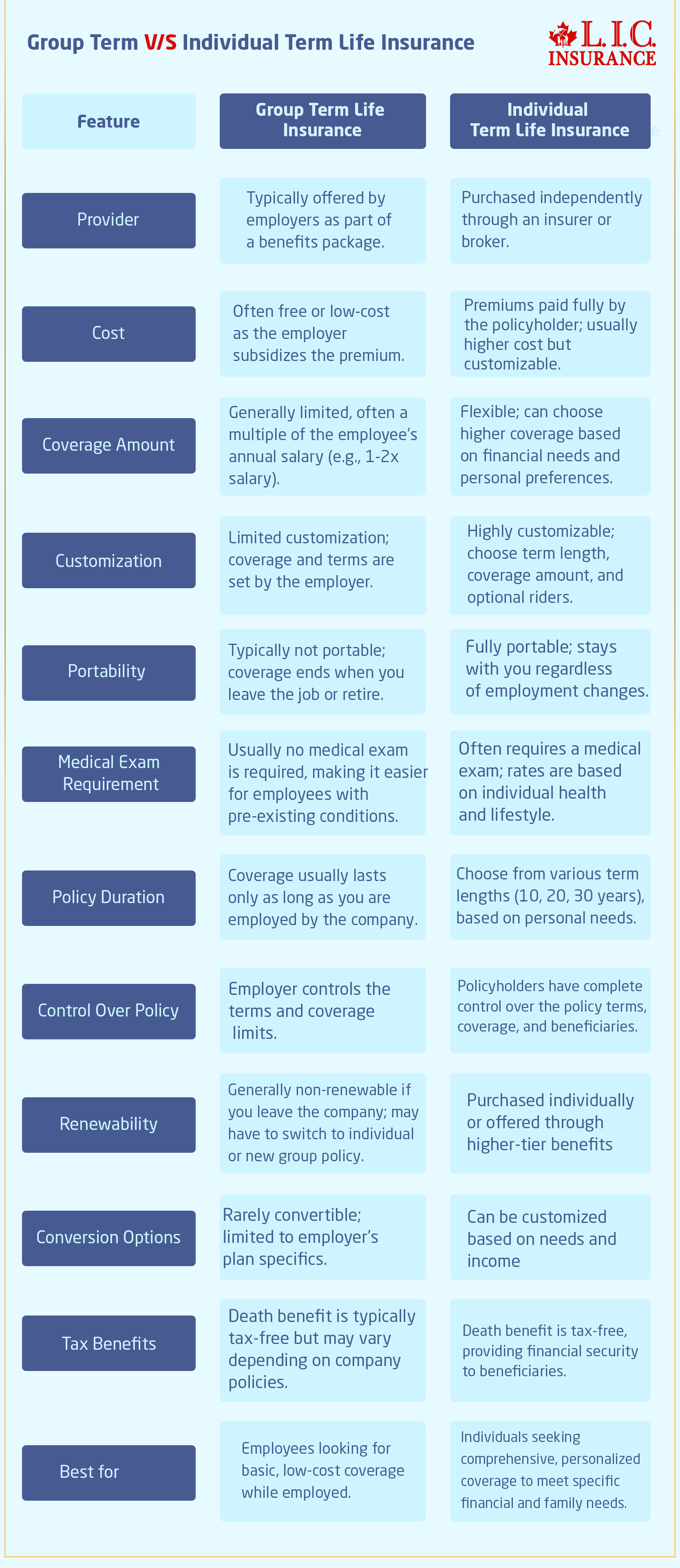
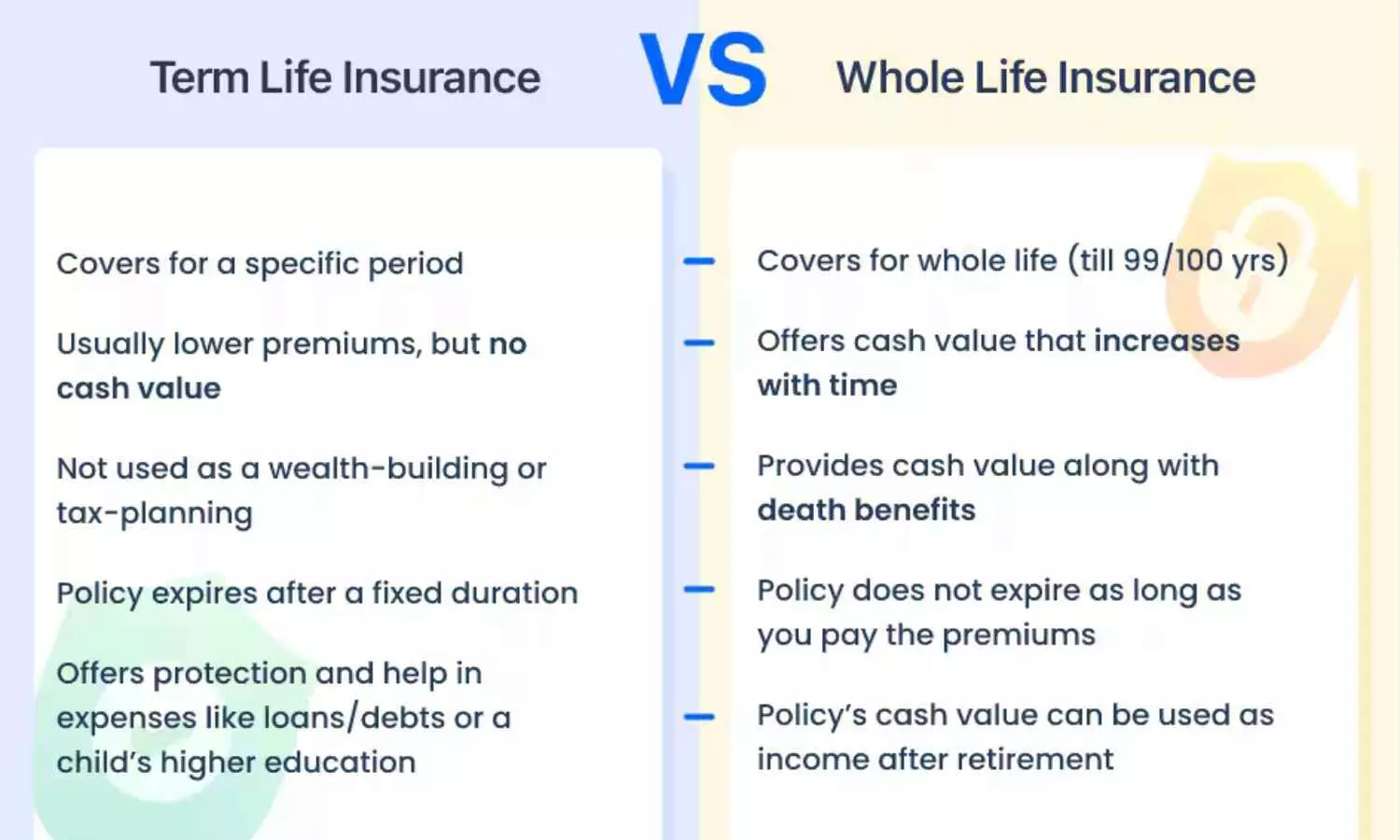
For most high-net-worth investors seeking straightforward risk protection, term life insurance is far more cost-effective. It provides maximum coverage for a low premium, allowing you to invest the difference directly into low-cost market index funds or commercial real estate.
Can I use term life insurance to cover margin loans or portfolio lines of credit?
Yes. If you utilize pledged asset lines of credit or margin debt, sudden death can trigger lender demands for repayment or collateral rebalancing. A term policy ensures your estate can clear margin balances immediately without selling down stock positions.
How long of a term policy should an investor with millions buy?
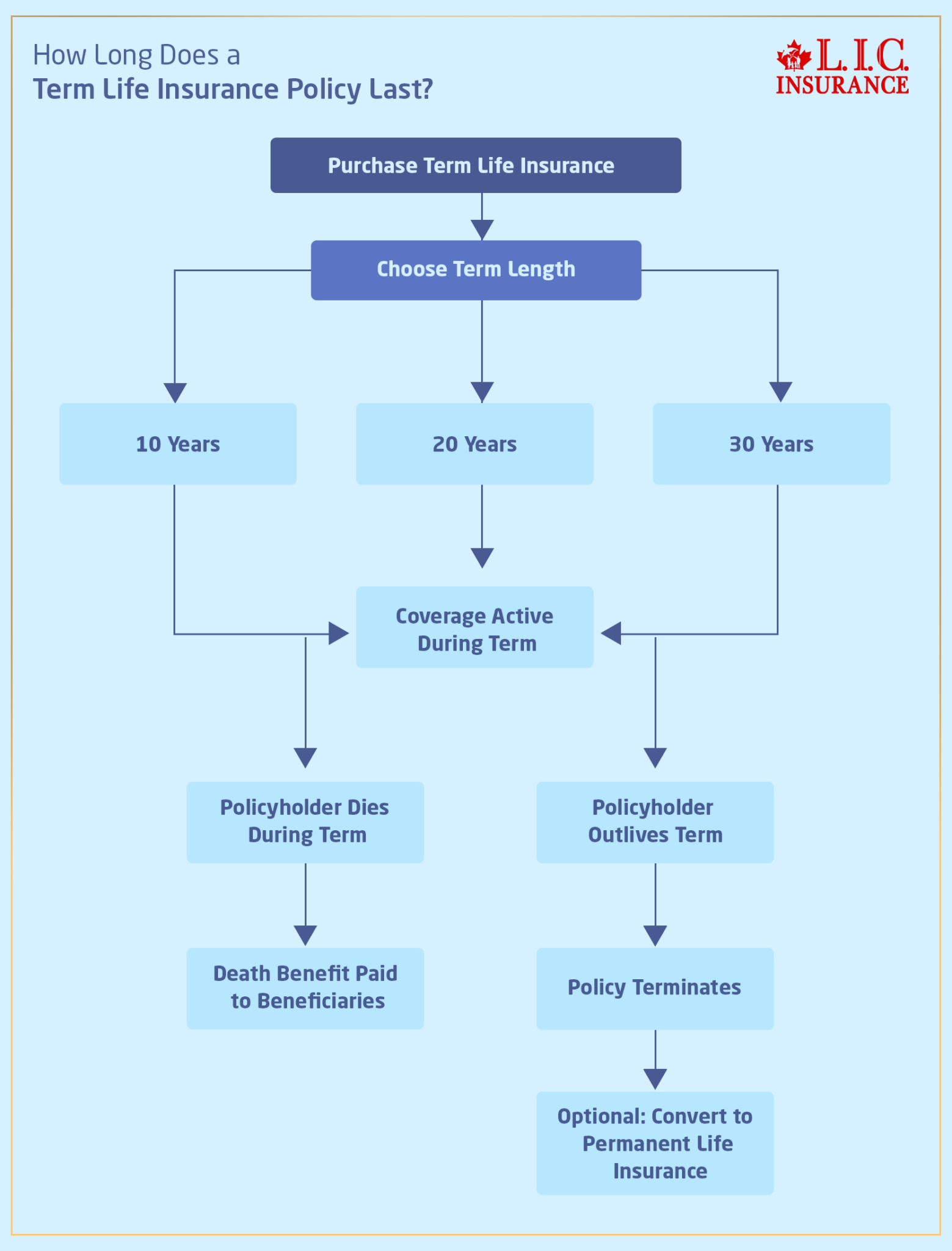
Most investors choose a 10-year or 20-year term designed to bridge the gap until their liquid portfolio reaches total financial independence, their children become financially self-sufficient, or major liabilities (like mortgages and business guarantees) are fully retired.
Practical Recommendations
For investors with millions in the market, term life insurance should not be viewed as an income replacement mechanism, but as an operational buffer for your broader portfolio.
- Audit Portfolio Liquidity: Review your portfolio to determine how much capital is locked in illiquid assets (real estate, private business equity, venture capital) versus liquid equities.
- Stress-Test Downside Scenarios: Run a portfolio stress test simulating a 35% market drop occurring simultaneously with your death. Calculate whether surviving dependents would be forced to sell equities at a loss to cover immediate cash needs.
- Lock In Coverage Early: Because term insurance premiums are based primarily on age and health, locking in a 10- or 20-year policy while healthy is inexpensive relative to your net worth.
- Coordinate with Estate Counsel: Ensure policy ownership and beneficiary designations align with your estate plan, using trusts where necessary to optimize asset protection and estate tax exposure.
Image Gallery