Navigating Columbus Life Insurance Universal Life Indexed Products
Columbus Life Insurance Company provides indexed universal life (IUL) insurance policies designed to offer a blend of permanent death benefit protection and cash value accumulation tied to the performance of external market indexes. Th...
Columbus Life Insurance Company provides indexed universal life (IUL) insurance policies designed to offer a blend of permanent death benefit protection and cash value accumulation tied to the performance of external market indexes. These financial products allow policyholders to participate in market gains up to a specific cap while protecting principal from market downturns through a guaranteed equity floor.
Contents
Evaluating an indexed universal life product from Columbus Life requires a thorough understanding of policy mechanics, cost structures, participation rates, caps, and long-term financial suitability. Because permanent life insurance contracts involve complex structures and fees, examining both the structural benefits and operational limitations helps determine how these products fit within a comprehensive financial plan.
Understanding Indexed Universal Life Insurance Mechanics
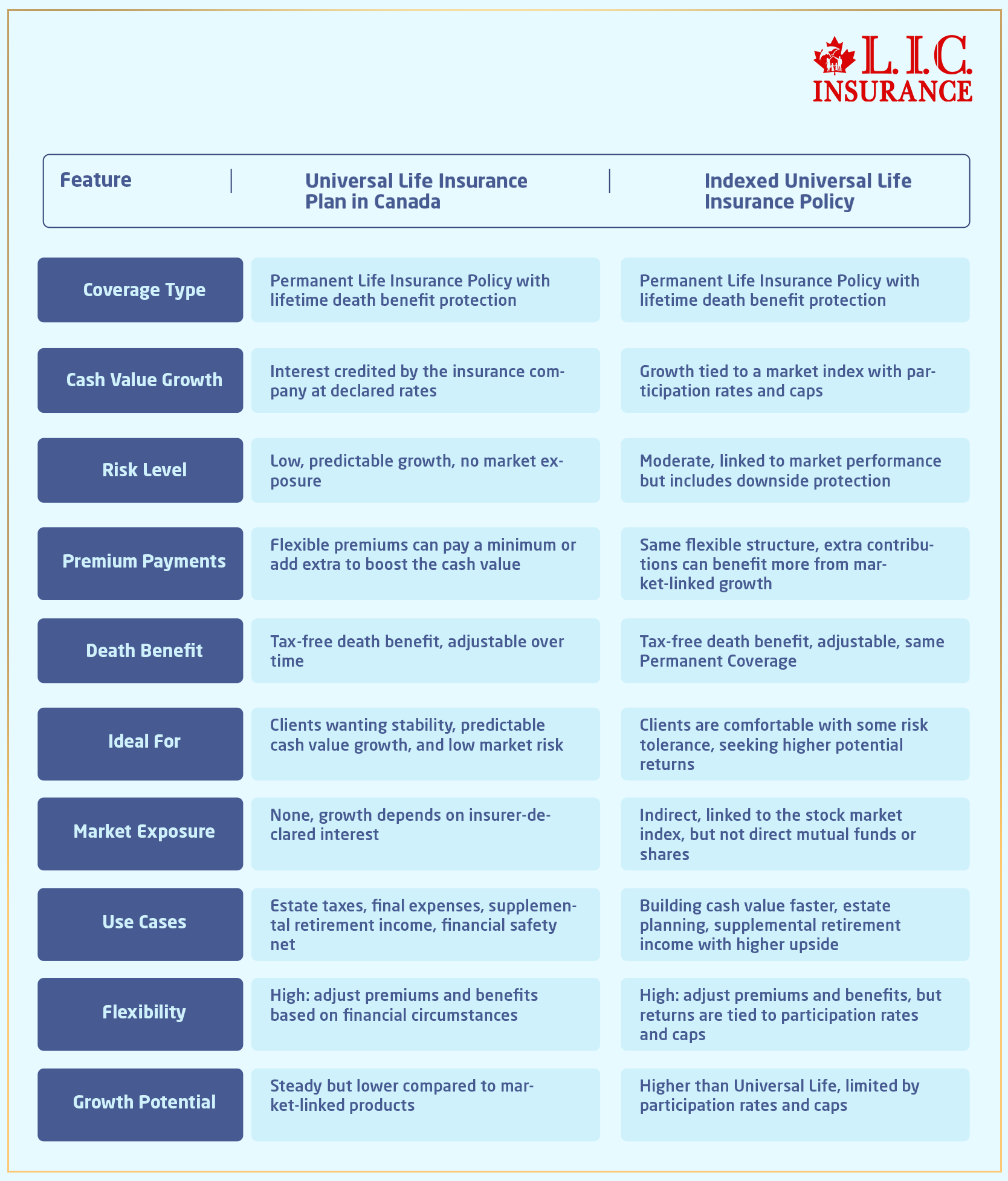
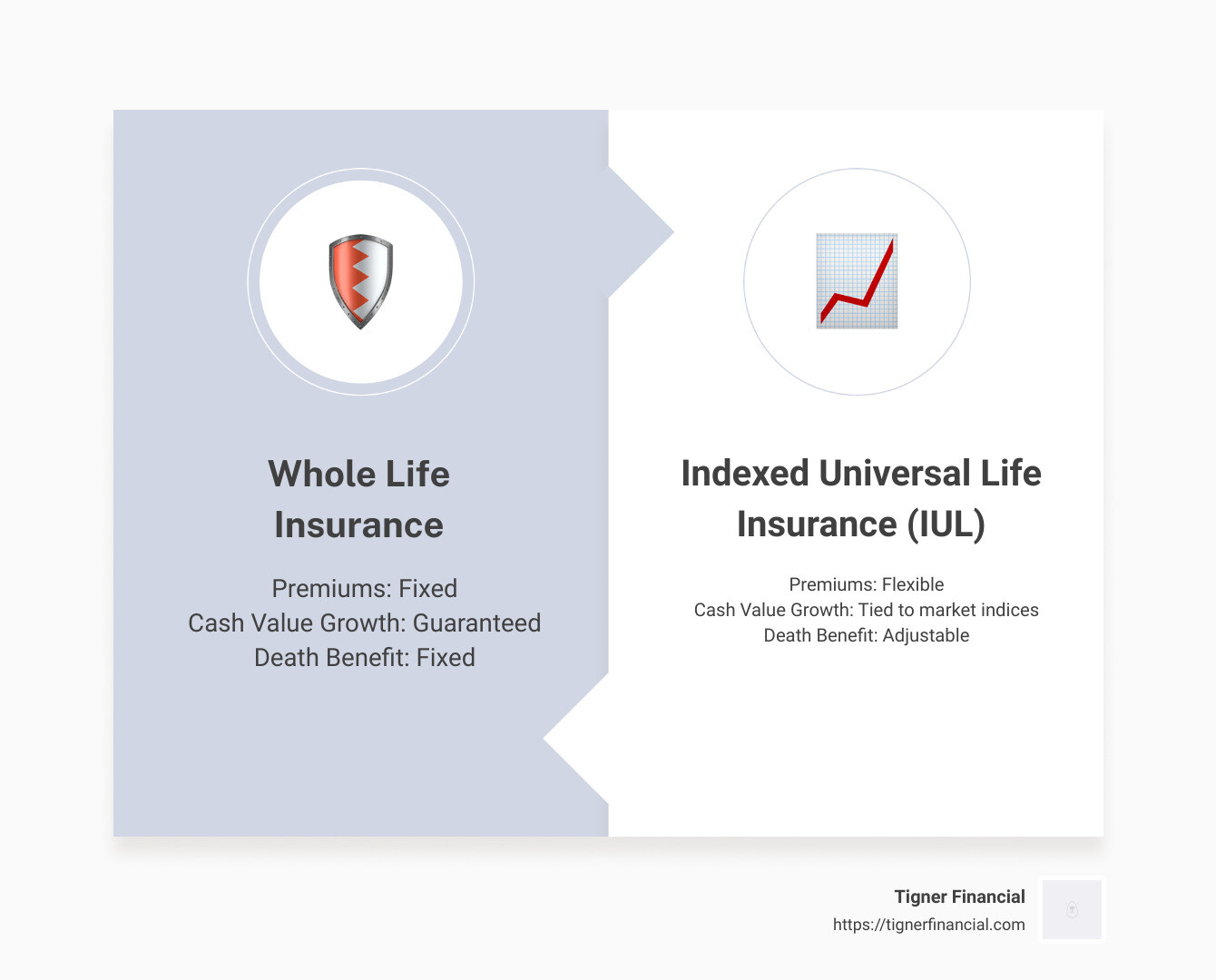
Indexed universal life insurance is a form of permanent life insurance that features a cash value component alongside a traditional death benefit. Unlike whole life insurance, which typically offers guaranteed, fixed interest rates, or variable life insurance, which invests directly in risk-bearing sub-accounts, an IUL policy credits interest based on the upward movement of a market index, such as the S&P 500.
When consumers purchase an IUL policy, their premium payments are split after administrative and insurance costs. A portion goes toward the cost of insurance and policy fees, while the remainder enters the policy's cash value account. Policyholders can choose to allocate this cash value to a fixed interest account or one or more indexed accounts.
Crucially, policyholders do not directly invest in the stock market. The insurance carrier uses options or other financial instruments to replicate the performance of the chosen index. If the index yields a positive return over a specified crediting period, interest is credited to the policy cash value, subject to predetermined participation rates, caps, and spreads.
The Safety Net: Equity Floors
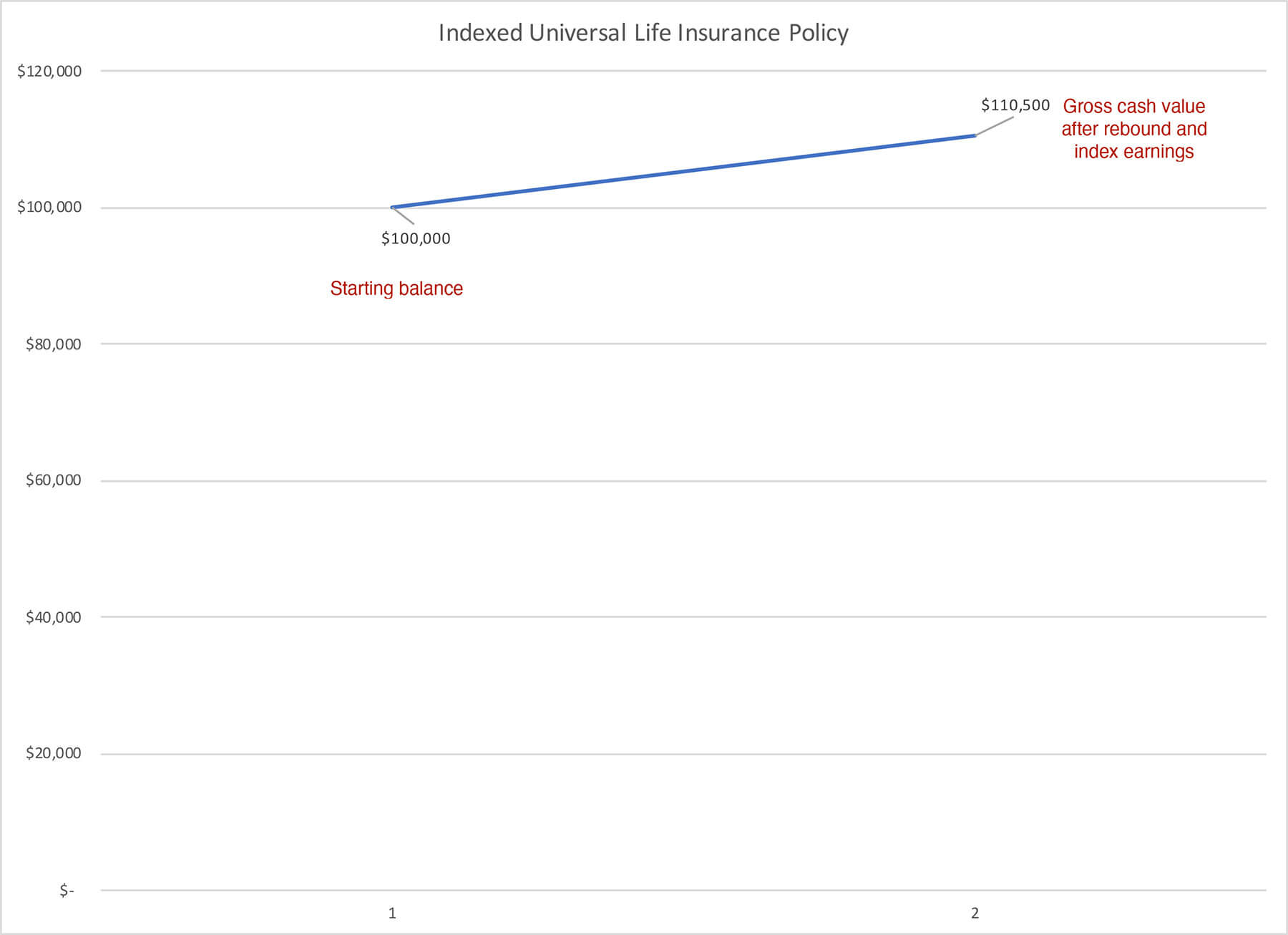
One of the primary selling points of indexed universal life insurance is downside protection. Most IUL policies feature an equity floor, typically set at 0%. This means that if the tracked market index experiences a negative return during a given crediting period, the policy cash value does not decline due to market losses.
While the policyholder avoids negative index returns, they still must pay ongoing monthly policy charges, cost of insurance fees, and administrative expenses. Consequently, a series of flat or negative market years combined with fixed structural fees can still erode cash value over time, making fee management a critical consideration.
Caps, Participation Rates, and Spreads
To manage the financial risk of providing downside protection while offering market-linked upside, insurance companies utilize caps, participation rates, and spreads:
- Cap Rate: The maximum interest rate the insurance company will credit to the policy, regardless of how high the market index climbs. If the S&P 500 gains 15% in a year, but the policy cap is 8%, the policy is credited 8%.
- Participation Rate: The percentage of the index's gain that the policy is entitled to receive. A 100% participation rate means the policy receives the full index increase up to the cap, whereas an 80% participation rate means a 10% index gain translates to an 8% credited rate before caps.
- Spread/Margin: A specific percentage that the insurer subtracts from the index gain before crediting interest to the policy.
Insurers generally have the contractual right to adjust caps, participation rates, and spreads periodically, usually on an annual basis, subject to guaranteed minimum floors outlined in the contract.
Columbus Life Insurance Company Profile
Columbus Life Insurance Company operates as a subsidiary of Western & Southern Financial Group, a diversified financial services enterprise with a history dating back to 1888. Columbus Life focuses on providing life insurance and universal life products distributed through independent financial professionals and financial planning networks.
Insurer financial strength ratings serve as an essential indicator of an organization's long-term ability to pay claims, maintain reserves, and fulfill policy obligations over decades. Major credit rating agencies evaluate insurance companies based on balance sheet strength, operating performance, and business profile. Reviewing current ratings from agencies such as A.M. Best, Standard & Poor's, Moody's, and Fitch provides objective context regarding the stability of the issuing carrier.
Key Features of Columbus Life Indexed Universal Life Policies
Columbus Life designs its indexed universal life offerings to provide flexibility in premium payments, death benefit design, and cash value accumulation strategies. Policyholders can customize several parameters to align with personal estate planning, retirement supplementation, or business succession goals.
Premium Flexibility
Unlike traditional whole life insurance, which mandates rigid premium schedules, universal life platforms feature adjustable premium structures. Policyholders can generally alter the timing and amount of premium payments, provided the accumulated cash value remains sufficient to cover ongoing monthly deductions for the cost of insurance and administrative fees.
- Minimum Premium: The lowest amount required to keep the policy active and prevent a lapse.
- Target Premium: A benchmark premium level used by agents and insurers to calculate commissions and policy funding targets.
- Maximum Premium: The highest contribution limit allowed under Internal Revenue Service (IRS) guidelines to maintain the contract's status as life insurance rather than a modified endowment contract (MEC).
Death Benefit Options
Columbus Life IUL policies typically offer multiple death benefit options to accommodate different financial strategies:
- Level Death Benefit (Option A): The face amount remains constant. As cash value grows, the net amount at risk for the insurer decreases, which can help lower internal cost-of-insurance charges over time.
- Increasing Death Benefit (Option B): The death benefit equals the specified face amount plus the accumulated cash value. This structure provides a growing benefit to beneficiaries but typically incurs higher internal insurance costs.
- Return of Premium / Account Value Options: Variations that ensure beneficiaries receive the specified face amount plus accumulated value or premiums paid, subject to specific contract terms.
Riders and Policy Enhancements
Insurance riders allow policyholders to customize base contracts with additional benefits, often for an extra fee. Common optional riders available on permanent life insurance platforms include:
- Accelerated Death Benefit Riders: Allow the insured to access a portion of the death benefit early if diagnosed with a qualifying terminal, chronic, or critical illness.
- Waiver of Premium Rider: Waives monthly deductions or premium payments if the insured becomes totally disabled.
- Overloan Protection Rider: Helps prevent a policy with significant policy loans from lapsing due to an accidental tax event caused by excessive loan balances.
- Guaranteed Insurability Riders: Permit the purchase of additional coverage at specified future dates without undergoing medical underwriting.
| Feature Category | Description | Primary Consideration |
|---|---|---|
| Cash Value Growth | Linked to external market indexes with a 0% floor. | Caps and participation rates limit maximum upside returns. |
| Premium Flexibility | Adjustable payment amounts and schedules within IRS limits. | Under-funding risks policy lapse if cash value drops too low. |
| Death Benefit Options | Choice of level (Option A) or increasing (Option B) structures. | Affects long-term internal cost of insurance deductions. |
| Liquidity & Loans | Ability to take policy loans and withdrawals from cash value. | Unpaid loans reduce the final death benefit and cash value. |
Evaluating Pros and Cons of Indexed Universal Life
Before purchasing an indexed universal life insurance policy, applicants should weigh the structural advantages against inherent operational complexities and risks.
Advantages of Columbus Life IUL Products
- Tax-Advantaged Growth: Cash value grows on a tax-deferred basis, meaning no capital gains taxes are owed on index interest credits while inside the policy.
- Tax-Free Distributions: Policyholders can access cash value through tax-free policy loans and withdrawals, provided the contract is not classified as a Modified Endowment Contract (MEC) and remains in force.
- Downside Market Protection: The 0% floor ensures that stock market declines do not erode accumulated cash value principal.
- Estate and Legacy Planning: Provides a guaranteed income-tax-free death benefit to designated beneficiaries, supporting estate liquidity and wealth transfer objectives.
Risks and Limitations
- Complexity and Fees: IUL policies involve numerous internal expenses, including premium loads, administrative fees, monthly per-dollar-of-face-amount charges, and fluctuating cost-of-insurance rates.
- Cap Adjustments: Insurers can lower caps over time. A reduced cap limits the policy's participation in market rebounds.
- Risk of Lapse: If actual performance falls short of initial illustrations or if premium payments are insufficient, the policy can lapse, potentially resulting in severe tax consequences if outstanding loans exceed the cost basis.
- Underwriting Requirements: Securing a permanent life insurance policy requires medical underwriting, and approval terms depend on age, health history, lifestyle, and financial justification.
Financial Planning Considerations and Suitability
Indexed universal life insurance is rarely a suitable standalone financial product for every investor. Financial professionals generally recommend maximizing retirement accounts such as 401(k) plans, traditional IRAs, and Roth IRAs before allocating significant capital toward permanent life insurance cash accumulation strategies.
Who Might Benefit from Columbus Life IUL?
- Individuals who have already maximized traditional retirement savings vehicles and seek additional tax-diversified asset accumulation.
- Business owners implementing executive bonus plans, key person insurance, or buy-sell agreements.
- High-net-worth individuals looking for estate liquidity solutions to cover estate taxes or provide legacy planning.
- Consumers who prioritize permanent death benefit protection but desire potential cash value growth linked to equity markets without direct equity risk.
Alternative Products to Consider
- Term Life Insurance: Provides pure death benefit protection for a specified period (e.g., 10, 20, or 30 years) at a significantly lower initial cost than permanent insurance. Ideal for temporary needs such as income replacement during child-rearing years.
- Whole Life Insurance: Offers permanent coverage with fixed, guaranteed premiums, guaranteed cash value growth, and potential annual dividends, providing greater predictability than universal life products.
- Variable Universal Life (VUL): Allows direct investment in market sub-accounts, offering higher potential growth and higher risk, as cash value can decline directly with market losses.
Frequently Asked Questions
What happens if the stock market crashes while I hold a Columbus Life IUL policy?
If the tracked market index posts a negative return during your policy's crediting period, your index interest credit is generally 0%. Thanks to the policy's equity floor, your accumulated cash value principal will not decrease due to market performance. However, ongoing monthly administrative fees and insurance costs will still be deducted from the account.
Can Columbus Life change policy caps and participation rates after purchase?
Yes. Insurance carriers typically retain the contractual right to adjust caps, participation rates, and index fees annually, subject to guaranteed minimum floors specified within your contract. Insurers adjust these figures in response to prevailing macroeconomic conditions, interest rate environments, and hedging costs.
How do policy loans work within an indexed universal life policy?
Policyholders can borrow against the cash value of their IUL policy rather than withdrawing the funds directly. The insurer charges interest on the loan, while the borrowed portion of the cash value continues to earn interest or index credits in most policy designs. Unpaid loans and accumulated interest reduce the final death benefit and cash value payout upon the insured's death or if the policy lapses.
Are the gains inside a Columbus Life IUL policy taxed annually?
No. Cash value growth inside a properly structured life insurance policy grows on a tax-deferred basis. You do not report index interest credits as taxable income on your annual federal income tax return, provided the policy remains in force and does not become a Modified Endowment Contract (MEC).
What is a Modified Endowment Contract (MEC), and how do I avoid it?
A Modified Endowment Contract is a tax classification assigned by the IRS to life insurance policies that have been funded too quickly relative to the death benefit. If a policy is classified as an MEC, withdrawals and loans are subject to "last-in, first-out" (LIFO) income tax rules and potential 10% early withdrawal penalties if taken before age 59½. Working with a qualified financial professional helps calculate safe funding limits to maintain standard life insurance tax treatment.
Next Actions and Professional Guidance
Evaluating an indexed universal life insurance policy requires reviewing official policy illustrations, understanding current cap and participation rates, and verifying that the issuing carrier's financial strength aligns with your long-term security goals. Because permanent life insurance contracts involve complex fee structures and long-term commitments, consult with an independent financial advisor or licensed insurance professional to analyze personalized quotes and confirm product suitability for your specific financial situation.
Image Gallery