Complete Guide to Q18 Bus Times and Transit Navigation for 2026
Navigating public transit in New York City requires reliable schedule access, especially when dealing with high-frequency routes like the Q18 bus line. Serving the New York borough of Queens, the Q18 connects vital neighborhoods includ...
Navigating public transit in New York City requires reliable schedule access, especially when dealing with high-frequency routes like the Q18 bus line. Serving the New York borough of Queens, the Q18 connects vital neighborhoods including Astoria, Woodside, and Maspeth, providing essential cross-borough mobility for daily commuters, students, and visitors. Accessing accurate real-time bus times for the Q18 in 2026 relies on integrated digital tracking tools, official Metropolitan Transportation Authority (MTA) channels, and an understanding of route characteristics.
Contents
Understanding the Q18 Route Geography and Key Connections
The Q18 bus route operates entirely within the borough of Queens, traversing densely populated residential and commercial corridors. Recognizing the exact path helps commuters plan their trips more effectively and anticipate potential delays caused by urban traffic bottlenecks.
The route links Astoria Boulevard near the waterfront down through Woodside, terminating at the intersection of 69th Street and Grand Avenue in Maspeth. Major transfer points along the way include intersections with major subway lines and connecting bus routes, making it a critical feeder service for the broader MTA network.
- Northern Terminal: Astoria (Ditmars Boulevard / Astoria Boulevard areas) connecting to various local hubs.
- Mid-Route Corridor: Woodside, intersecting major transit arteries including Roosevelt Avenue and Queens Boulevard.
- Southern Terminal: Maspeth (69th Street / Grand Avenue), providing access to local industrial and residential zones.
- Subway Interchanges: Direct or short-walk connections to the 7, E, F, M, R, N, and W subway lines depending on the specific segment of the trip.
Modern Methods to Track Real-Time Q18 Bus Times
Traditional printed timetables serve as a general baseline, but modern urban transit demands real-time Global Positioning System (GPS) tracking. In 2026, commuters have access to highly accurate predictive arrival technologies deployed across the MTA bus fleet.
Relying on a single source can occasionally lead to missed connections if unexpected traffic congestion occurs along Northern Boulevard or Roosevelt Avenue. Utilizing multiple digital layers ensures maximum punctuality.
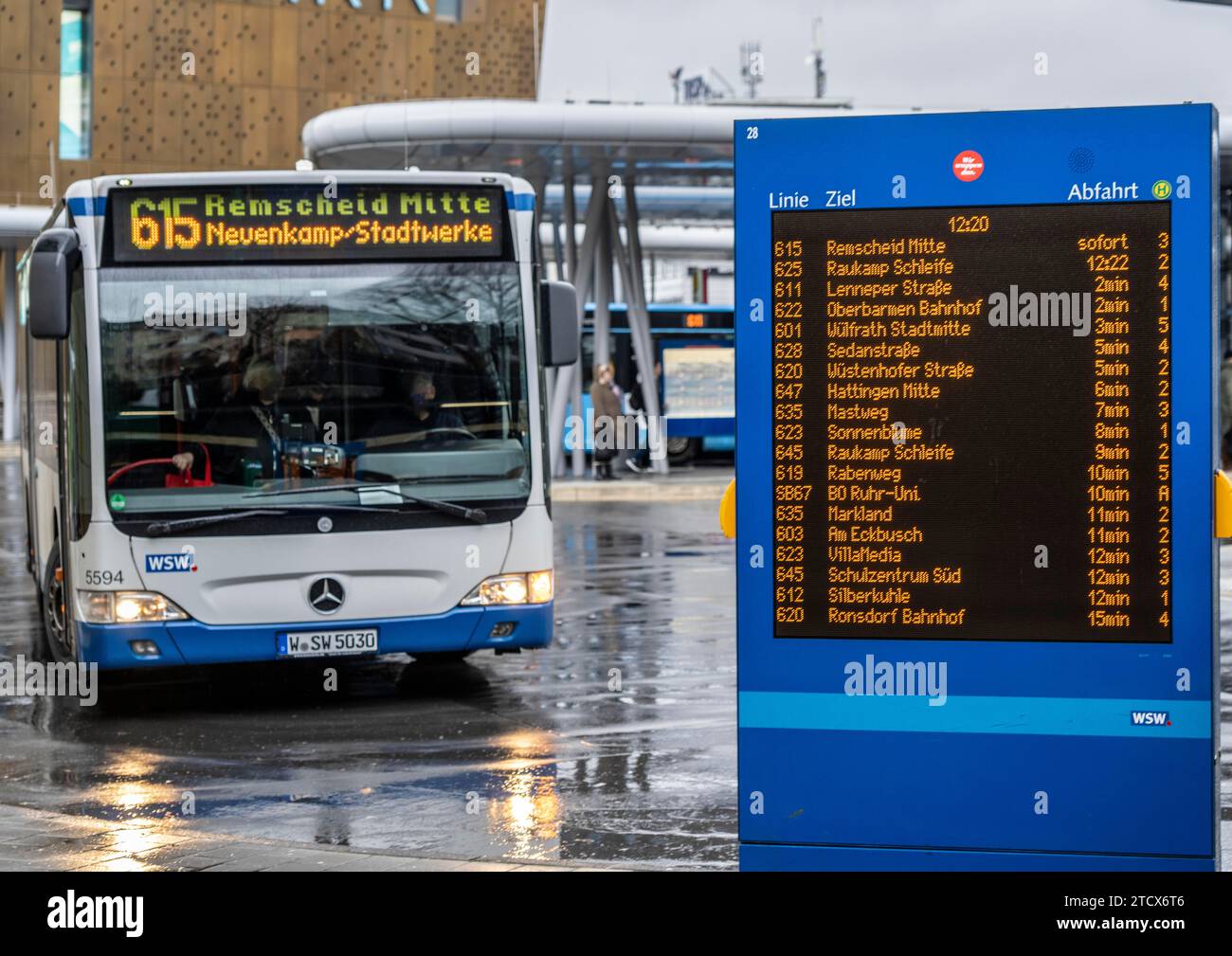
Primary Tracking Channels: Commuters should prioritize official MTA applications, third-party transit aggregators, and digital countdown clocks installed at select high-volume shelters along the Q18 route. Real-time data feeds refresh continuously to account for street closures, weather events, and peak-hour congestion.
Top Digital Tools for Q18 Arrival Data
| Platform Type | Primary Advantage | Best Use Case | Accuracy Level |
|---|---|---|---|
| MTA Bus Time (Web/App) | Direct feed from MTA bus transponders | Checking official schedules and detour alerts | High (Direct Source) |
| Google Maps / Apple Maps | Integrated multi-modal trip planning | Door-to-door routing involving subways and buses | High (Predictive + Real-Time) |
| Third-Party Apps (Transit, Citymapper) | Clean user interfaces and crowdsourced updates | Quick glances at multiple nearby lines | High (Aggregated Data) |
| SMS / Mobile Text Service | Accessible without a smartphone or data plan | Quick text queries for specific stop codes | Moderate (Static/Scheduled + GPS) |
Operational Schedule and Frequency Benchmarks
Service frequency for the Q18 varies significantly depending on the time of day, day of the week, and seasonal adjustments implemented by the MTA. Understanding these patterns prevents extended waits at bus stops during off-peak hours.
During weekday morning and evening rush hours (approximately 7:00 AM to 9:30 AM and 4:00 PM to 6:30 PM), buses generally run at tighter headways. Midday, evening, and weekend schedules feature wider intervals, requiring careful synchronization with real-time tracking apps to minimize idle time on street corners.
- Peak Hours (Weekday Rush): Frequencies typically range from 8 to 12 minutes, though heavy traffic on major Queens thoroughfares can introduce bunching.
- Off-Peak and Weekends: Intervals expand to 15 to 25 minutes, making real-time tracking indispensable to avoid missing a departure.
- Late Night Service: Limited or modified overnight schedules may apply; checking the specific nightly timetables via MTA channels is strongly advised for late travelers.
Step-by-Step Guide to Checking Q18 Bus Status
Mastering the process of querying Q18 arrival times saves time and eliminates transit anxiety. Follow this structured approach to ensure a smooth commute.
- Identify Your Specific Bus Stop: Locate the unique MTA stop code displayed on the green and blue bus stop sign or look up the intersection on a digital map.
- Launch a Preferred Transit Tool: Open an official app like MTA Bus Time or an integrated navigation tool such as Google Maps.
- Input the Route and Stop: Search for "Q18" and select your specific stop name or code to view live countdown vehicles.
- Monitor for Service Alerts: Check the advisory section for any planned detours, temporary rerouting, or construction delays affecting Maspeth or Woodside corridors.
- Arrive Promptly: Head to the stop roughly 3 to 5 minutes before the predicted arrival time, factoring in short walking distances.
Comparing Transit Options Along the Q18 Corridor
When planning travel across Queens, commuters frequently weigh the Q18 against alternative routes or walking to nearby subway stations. Evaluating travel times, cost efficiency, and physical effort helps determine the best choice for any given trip.
| Transit Method | Average Speed | Cost Factor | Weather Vulnerability | Transfer Convenience |
|---|---|---|---|---|
| Q18 Bus | Moderate (Traffic-dependent) | Standard MTA Fare | High (Street level waiting) | High (Connects multiple lines) |
| Subway (Where parallel) | Fast (Grade-separated) | Standard MTA Fare | Low (Underground/Elevated stations) | Moderate (Requires walking to stations) |
| Walking / Biking | Variable | Free | High (Direct exposure) | High (Door-to-door flexibility) |
Frequently Asked Questions Regarding Q18 Bus Service
How can I check Q18 bus times in real time?
You can check Q18 bus times instantly by using the official MTA Bus Time website or mobile app, entering your specific bus stop code, or utilizing transit applications like Google Maps and Transit. These platforms pull live GPS data directly from the active buses on the route.
What are the main neighborhoods served by the Q18 bus?
The Q18 primarily connects Astoria, Woodside, and Maspeth within the borough of Queens. It provides critical north-south and cross-town linkages across these residential and commercial communities.
Does the Q18 operate 24 hours a day?
While the Q18 offers extensive daily service, frequency decreases significantly during late-night hours. Commuters traveling overnight should consult the specific late-night schedule on the MTA website to confirm exact departure times.
Are transfers free between the Q18 bus and the subway?
Yes, using an OMNY contactless payment method or a MetroCard allows free transfers between MTA local buses and the subway system within the standard two-hour transfer window. Ensure you tap or swipe using the same payment medium for both legs of the journey.
What should I do if my Q18 bus is heavily delayed?
If real-time tracking indicates a major gap in service due to traffic accidents or street construction, check alternative routes such as nearby subway lines or intersecting bus routes that may bridge the gap to your destination.
Optimizing Your Daily Commute
Staying informed on transit dynamics is the key to mastering New York City's complex network. By combining real-time tracking applications, understanding local traffic patterns around Woodside and Maspeth, and keeping a flexible schedule, your daily journey aboard the Q18 remains efficient and predictable throughout 2026. Review transit feeds before leaving your home or office to adapt instantly to any sudden service modifications.
Image Gallery