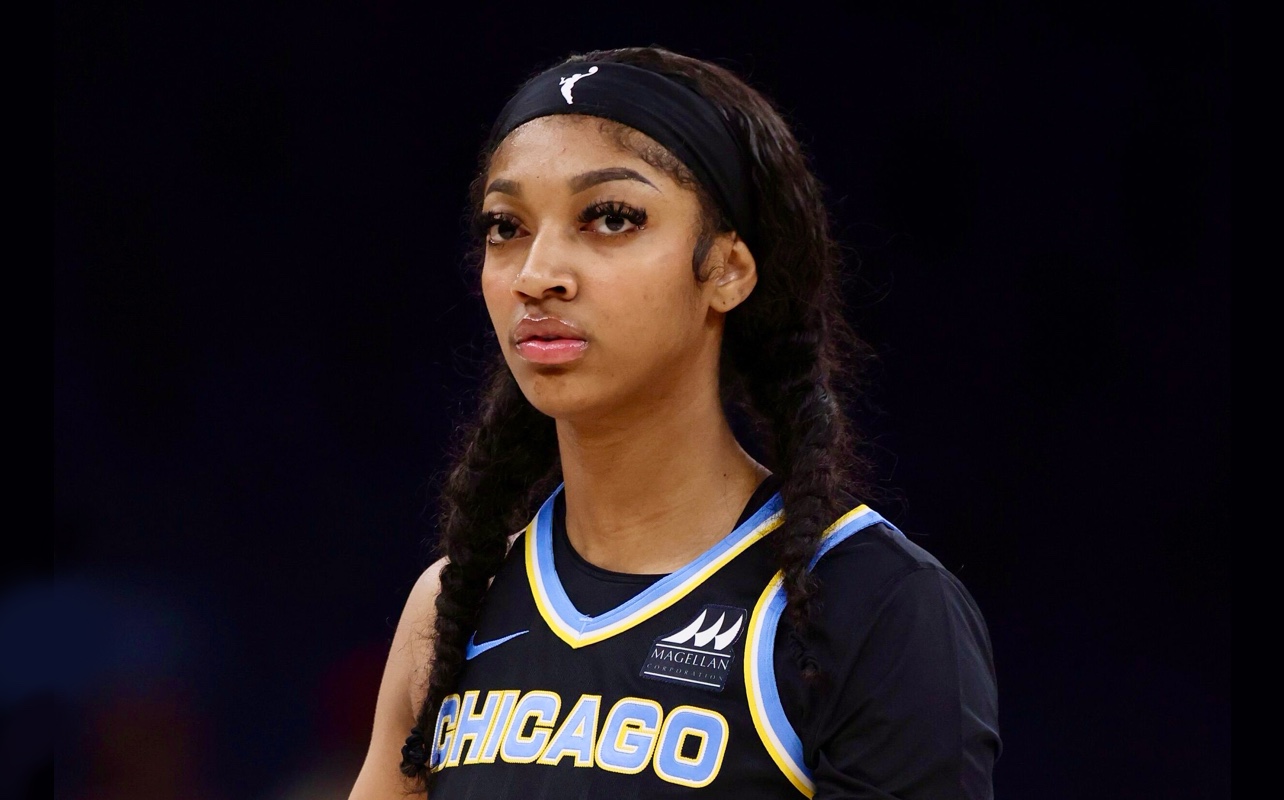
Analyzing the Discourse Surrounding Angel Reese: Context, Media Coverage, and Public Perception
In April 2023, following the NCAA Women’s Basketball Championship game between Louisiana State University (LSU) and the University of Iowa, Angel Reese became the focal point of a national conversation regarding sportsmanship, competit...
In April 2023, following the NCAA Women’s Basketball Championship game between Louisiana State University (LSU) and the University of Iowa, Angel Reese became the focal point of a national conversation regarding sportsmanship, competitive expression, and media bias. The discourse centered on her "you can’t see me" gesture directed toward Caitlin Clark, which sparked intense public debate about how female athletes are perceived, evaluated, and criticized within the professional and collegiate sporting landscape.
Contents
The Origin of the Discourse
The controversy stems from the final minutes of the 2023 NCAA title game. As LSU secured a dominant victory, Reese performed a gesture popularized by professional wrestler John Cena, waving her hand in front of her face—commonly interpreted in sports culture as "you can't see me"—and pointing to her ring finger. This action was a direct response to a similar gesture performed by Caitlin Clark in a previous game.
The public reaction was immediate and polarized. Critics of Reese labeled the gesture "classless" and "unsportsmanlike," while supporters viewed it as a long-overdue reclamation of competitive trash talk in women’s sports. The vitriol directed toward Reese in the immediate aftermath was heightened by social media algorithms that favored provocative content, leading to a surge of racially charged commentary. This moment highlighted the persistent double standards in sports, where competitive intensity is frequently celebrated in male athletes but pathologized when exhibited by Black female athletes.
Media Framing and the Role of Double Standards
The media coverage of "what was said to Angel Reese" and what was said about her serves as a case study in sociological bias. During the 2023 tournament, Caitlin Clark’s competitive fire was often framed as "swagger" or "confidence," while Reese’s similar displays of emotion were characterized as "arrogance" or "lack of class."
This disparity did not go unnoticed by Reese or her supporters. In subsequent press conferences, Reese addressed the racialized nature of the criticism, stating that she often receives harsher scrutiny for the same actions that are excused or praised in her peers. This dialogue forced a broader examination of how sports media organizations, broadcasters, and fans interpret the behavior of female athletes, particularly regarding the intersection of race and professional decorum.
Impact on Athlete Branding and Mental Health
For an athlete like Reese, the public narrative surrounding her conduct had tangible effects on her brand and mental well-being. By 2026, the industry has evolved to better account for the "Reese effect"—the way high-profile athletes manage personal branding amidst intense public scrutiny.
The incident catalyzed a shift in how collegiate and professional leagues handle fan behavior and media narratives. Athletes today are more empowered to push back against biased reporting, using their own social media platforms to curate their narratives rather than relying solely on traditional sports journalism. The "you can't see me" moment remains a foundational reference point for discussions on the rights of female athletes to express themselves without facing disproportionate moral policing.
Comparison of Athlete Expression and Public Perception
| Athlete/Scenario | Type of Expression | Public/Media Reception | Key Criticism |
|---|---|---|---|
| Angel Reese (2023) | Hand gesture to opponent | Polarized/Hostile | Cited as "unsportsmanlike" |
| Caitlin Clark (2023) | Hand gesture to opponent | Generally positive | Cited as "confident" |
| Male Athletes (Historical) | Trash talk/Gestures | Largely normalized | Usually ignored/celebrated |
Note: This table reflects the sociological observation of media sentiment during the 2023 tournament.
Historical Context: Trash Talk in Athletics
To understand the reaction to Reese, it is necessary to examine the history of "trash talk" in competitive sports. Historically, the ability to taunt an opponent has been viewed as a psychological tool used to gain an advantage. In the NBA and other professional leagues, this behavior is a cornerstone of the game's entertainment value.
However, women’s basketball has historically been held to a more rigid standard of "ladylike" behavior. When players like Reese defy these traditional expectations, the pushback is often rooted in a desire to preserve an outdated image of the sport. By leaning into her persona, Reese effectively challenged the industry to accept a more authentic, gritty version of women's basketball that mirrors the high-stakes environment of the men's game.
Addressing the Criticism: The Athlete's Perspective
In the months following the tournament, Reese maintained that her actions were simply part of the game. She emphasized that her competitive drive is the same attribute that allows her to compete at the highest level of the NCAA and subsequently the WNBA. The commentary directed at her, while often harsh, arguably served to elevate her profile, proving that even negative attention can be leveraged into a powerful brand identity.
By 2026, the consensus among sports analysts is that the discourse surrounding Reese helped normalize aggressive competition in the WNBA. The league has seen record-breaking viewership, and it is widely understood that the "villain" narratives or "controversial" personalities are driving engagement and financial growth in the sport.
Frequently Asked Questions
Why did people focus so heavily on what was said to Angel Reese? The focus was largely driven by a intersection of cultural anxieties regarding race and gender in sports. Because Reese was a Black woman performing a gesture against a popular white counterpart, the event became a proxy for larger discussions about societal standards and double standards in competitive behavior.
Did the backlash affect Angel Reese's career? While the backlash was intense, it significantly increased her visibility and marketability. Reese secured numerous major brand endorsements and became one of the most recognizable faces in collegiate basketball, demonstrating the paradoxical nature of modern sports fame where notoriety can be as commercially viable as traditional admiration.
Is trash talking allowed in NCAA basketball? Rules regarding sportsmanship in the NCAA are strict regarding physical altercations and verbal abuse toward officials. However, expressive gestures directed at opponents fall into a gray area that is often at the discretion of the officiating crew, provided the actions do not reach the level of taunting that disrupts the game or violates conduct policies.
How has the landscape changed since 2023? The landscape has shifted toward greater acceptance of personality-driven sports. The 2023 incident is now viewed as a turning point that allowed the current generation of players to express their competitive identities more freely without fearing the same level of institutional or media-driven fallout.
What was the "you can't see me" gesture? The gesture involves moving one's hand back and forth in front of the face, signaling that the opponent cannot keep up or "see" the level of play being demonstrated. It is a derivative of gestures popularized in professional wrestling and has since permeated various levels of organized athletics.
Moving Forward: The Evolution of Athlete Identity
The discourse surrounding what was said to Angel Reese serves as a lasting reminder of the evolving nature of professional sports. Athletes today are not just performers; they are public figures who must navigate complex social dynamics. For those looking to understand the current trajectory of women's sports, the primary takeaway is that the demand for authentic, competitive, and high-intensity athletics has surpassed the outdated need for polite conformism. The next steps for the industry involve ensuring that this intensity is met with equitable media coverage that ignores identity-based bias in favor of athletic merit.
Image Gallery