What the ACVCO Foundation Repair Services Include: A Technical Guide for 2026
ACVCO foundation repair services encompass a comprehensive suite of structural stabilization solutions, including foundation underpinning with micropiles, seismic retrofitting, compaction grouting, and advanced shoring systems. Primari...
ACVCO foundation repair services encompass a comprehensive suite of structural stabilization solutions, including foundation underpinning with micropiles, seismic retrofitting, compaction grouting, and advanced shoring systems. Primarily serving commercial and civil infrastructure sectors, these services focus on restoring structural integrity to buildings, bridges, and earth-retention systems facing subsidence, soil instability, or seismic vulnerability.
Contents
Understanding the Scope of ACVCO Foundation Solutions
Foundation failure in large-scale commercial or civil projects is rarely the result of a single factor. It often involves a complex interplay between soil mechanics, hydraulic pressure, and structural load distribution. ACVCO (American Civil Constructors West Coast) has established a specialized niche in the 2026 construction landscape by providing high-capacity engineering solutions that go beyond simple "patch-and-repair" methods.
Their services are categorized by the specific structural challenge they address: stabilization, reinforcement, or total remediation. Unlike residential services that may focus on minor wall cracks, ACVCO’s offerings are designed for deep-foundation support and heavy-duty load transfers. This often involves working in "tight-access" environments—areas where traditional heavy pile-driving equipment cannot reach, such as beneath existing bridges or inside industrial facilities.
Foundation Underpinning and Deep Support Systems
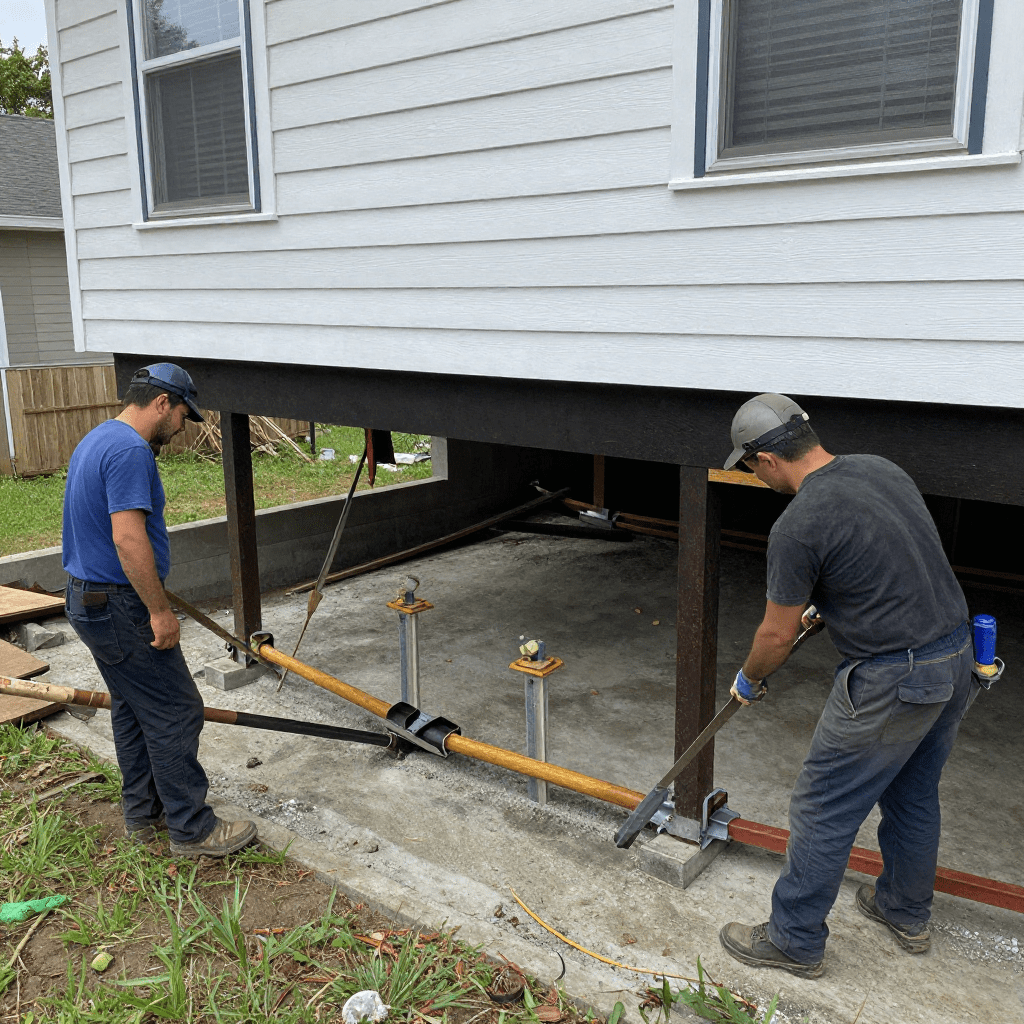
Underpinning is the process of strengthening the foundation of an existing structure or expanding its depth to reach more stable soil strata. In 2026, ACVCO utilizes several advanced methods to ensure that load-bearing structures remain stable despite shifting environmental conditions.
Micropile Installation
Micropiles are a cornerstone of ACVCO’s underpinning repertoire. These are small-diameter (typically 5 to 12 inches) drilled and grouted piles that are reinforced with high-strength steel casing and threaded bars.
- Why Micropiles? They are ideal for projects with restricted access or low overhead clearance. Because they are drilled rather than driven, they cause minimal vibration, which is critical when working near sensitive equipment or historical structures.
- The Process: ACVCO engineers drill through the existing foundation into the competent load-bearing soil or rock. A steel reinforcement is inserted, and high-pressure grout is pumped in to create a bond between the pile and the surrounding earth.
- Capacity: Despite their small diameter, micropiles can support massive loads—often exceeding 200 tons per pile—making them suitable for retrofitting high-rise buildings or heavy industrial machinery foundations.
Helical Piles and Anchors
For lighter commercial structures or sites with specific soil profiles, helical piles offer a rapid and effective alternative. These are steel shafts with screw-like flights (helices) that are mechanically rotated into the ground. ACVCO uses these primarily for tension and compression loads where traditional excavation would be too disruptive or costly.
Specialized Grouting and Soil Stabilization
When the primary issue is not the structure itself but the soil supporting it, ACVCO employs specialized grouting techniques. These methods improve the engineering properties of the ground without requiring massive excavation.
Compaction Grouting
Compaction grouting involves the injection of a very stiff, low-slump mortar into the soil at high pressure. As the grout is injected, it forms a bulbous mass that displaces and compacts the surrounding loose or soft soils. This increases the soil's bearing capacity and can even be used to "jack" or lift a settled foundation back to its original elevation. In 2026, this remains a preferred method for treating sinkholes or areas with significant subterranean voids.
Permeation and Chemical Grouting
In scenarios where water ingress is the primary concern or where the soil is granular (like sand), permeation grouting is used. This involves injecting low-viscosity resins or cementitious mixtures that fill the interstitial spaces between soil particles. This turns a loose soil mass into a solid, sandstone-like block, providing both structural support and a waterproof barrier.
Seismic Retrofitting and Structural Strengthening
Given the geographic focus of ACVCO on the West Coast, seismic resilience is a core component of their foundation repair services. As of 2026, building codes have become increasingly stringent regarding the lateral load capacity of existing foundations.
Carbon Fiber Reinforcement Polymers (CFRP)
ACVCO utilizes CFRP to wrap existing concrete columns and foundation elements. This adds immense tensile strength and ductility to the structure, preventing brittle failure during an earthquake. This service is often bundled with foundation underpinning to ensure the entire "load path"—from the roof to the deep soil—is reinforced.
Steel Jacketing and Bolting
For bridge piers and large industrial footings, steel jacketing provides a robust solution. ACVCO fabricates custom steel sleeves that are placed around existing concrete elements and then filled with non-shrink grout. This method significantly increases the confinement of the concrete, allowing it to withstand much higher seismic forces than originally designed.
Earth Retention and Shoring Systems
Foundation repair often requires significant excavation, which in turn necessitates earth retention to protect neighboring structures. ACVCO provides both temporary and permanent shoring solutions.
- Soldier Piles and Lagging: This involves driving vertical steel H-piles and installing horizontal timber or concrete lagging between them as the excavation progresses.
- Soil Nailing: For slope stabilization or foundation excavations, ACVCO may use soil nails—steel tendons inserted into pre-drilled holes and grouted in place—coupled with a shotcrete (sprayed concrete) facing.
- Sheet Piling: In high-water-table environments, interlocking steel sheet piles are driven into the ground to create a watertight cofferdam, allowing for dry foundation repair work.
Comparison of ACVCO Foundation Repair Methods
| Method | Primary Function | Best Suited For | Key Advantage (2026 Standards) |
|---|---|---|---|
| Micropiles | Load Transfer | Tight access, heavy structures | Low vibration; high load capacity |
| Compaction Grout | Soil Densification | Settled slabs, sinkholes | Can lift structures back to level |
| Helical Piers | Stabilization | Lighter loads, rapid install | No spoils (dirt) to remove from site |
| Seismic CFRP | Ductility/Strength | Earthquake zones, columns | Minimal impact on structural footprint |
| Soldier Piles | Earth Retention | Deep excavations | Economical for large-scale shoring |
The ACVCO Diagnostic and Execution Process
Engaging with ACVCO for foundation repair follows a rigorous engineering-first workflow. Because these services involve critical infrastructure, the process is highly documented and regulated.
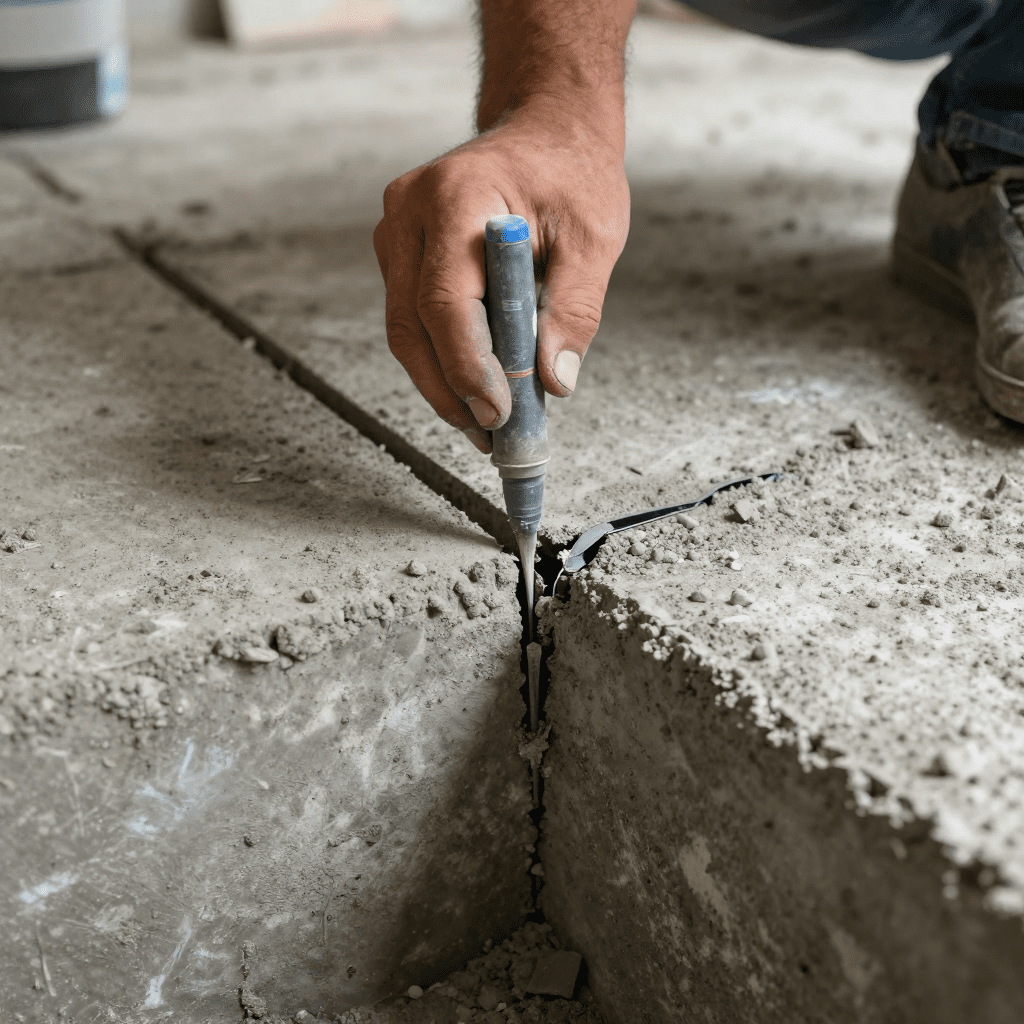
- Site Assessment and Forensic Analysis: The process begins with a thorough investigation. This includes geotechnical borings to understand soil strata, structural surveys to map cracks or settlement, and often Ground Penetrating Radar (GPR) to locate underground utilities or voids.
- Engineering Design: Based on the data, ACVCO’s engineering partners develop a site-specific repair plan. This includes calculating the required pile depths, grout volumes, and reinforcement schedules to meet current building codes.
- Mobilization and Specialized Equipment: ACVCO utilizes specialized rigs—some small enough to fit through a standard doorway—to execute the repairs. This allows industrial facilities to remain operational while foundation work occurs beneath the floor.
- Real-Time Monitoring: During injection or underpinning, ACVCO employs electronic monitoring systems to track movement in millimeters. This ensures that the structural lifting or stabilization remains within the calculated safety tolerances.
- Quality Assurance and Testing: For micropiles, load tests are performed to verify that the piles meet the design capacity. Grout samples are taken and tested for compressive strength at 7 and 28-day intervals.
Cost Factors in 2026 Foundation Repair
The cost of ACVCO’s services is determined by several technical variables. In 2026, material costs (specifically high-strength steel and specialized resins) and the complexity of site access are the primary drivers.
- Depth to Competent Strata: The deeper the piles must go to find stable ground, the higher the cost in materials and labor.
- Site Accessibility: Working inside a functioning hospital or under a highway bridge requires specialized safety protocols and smaller, more expensive equipment.
- Environmental Regulations: Projects involving groundwater management or contaminated soil require additional containment and disposal procedures, which are reflected in the project overhead.
Frequently Asked Questions
Does ACVCO perform foundation repair for residential homes?
ACVCO primarily focuses on commercial, industrial, and heavy civil infrastructure projects. While their techniques (like micropiles) are applicable to residential settings, their equipment and mobilization costs are generally tailored for large-scale projects such as multi-unit housing complexes, bridges, or industrial plants.
What is the typical lifespan of an ACVCO foundation repair?
When engineered and installed according to current 2026 specifications, foundation repairs such as micropiles or grout stabilization are considered permanent solutions. These systems are designed with corrosion protection (such as galvanization or grout encapsulation) to last 50 to 100 years, matching or exceeding the remaining service life of the structure.
How disruptive is the foundation repair process?
ACVCO specializes in "low-impact" remediation. By utilizing drilled micropiles and high-pressure grouting, they can often stabilize a building while it remains occupied. This is a significant advantage for businesses that cannot afford a total shutdown during construction.
Can ACVCO repair foundations affected by sinkholes?
Yes, ACVCO is highly experienced in sub-surface void filling and compaction grouting. These methods are specifically designed to address the geological instabilities that lead to sinkholes, providing a stable base before structural repairs begin.
Is seismic retrofitting required for all foundation repairs?
In many West Coast jurisdictions in 2026, any significant structural or foundation repair triggers a mandatory "seismic upgrade" clause. ACVCO integrates these requirements into their repair plans to ensure the project meets all local and state safety mandates.
Practical Recommendation for Stakeholders
If you are managing a commercial property or civil asset showing signs of structural distress—such as significant cracking, sloping floors, or unaligned bridge joints—the first step is a formal geotechnical evaluation. ACVCO’s services are most effective when integrated early into a remediation plan. Before selecting a repair method, ensure that a licensed structural engineer has verified the root cause of the settlement. For complex projects, prioritize contractors like ACVCO who possess specialized tight-access equipment and a proven track record in heavy civil applications to minimize operational downtime and ensure long-term structural safety.
Image Gallery