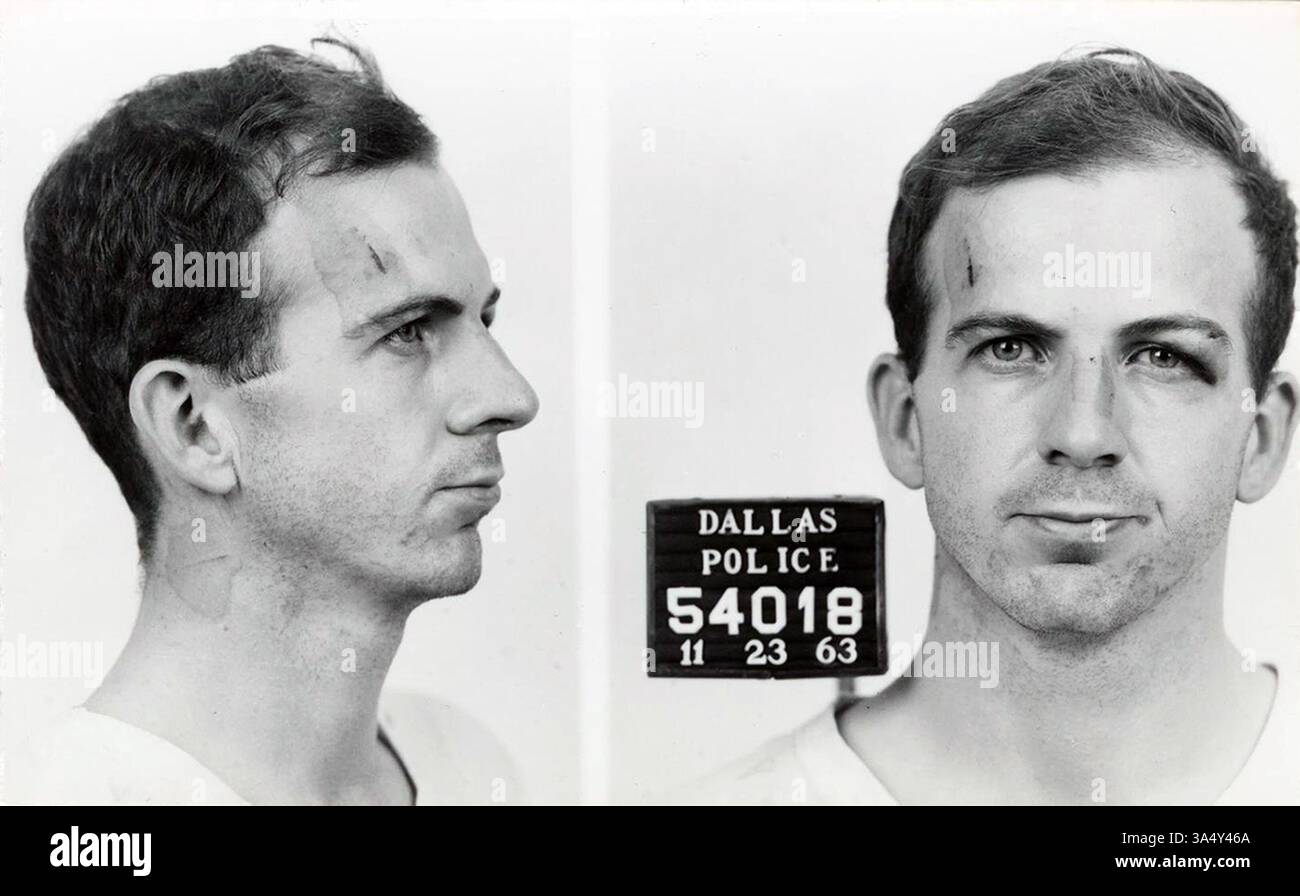
Dallas Mugshots and Arrest Records Search: 2026 Guide to Dallas County Inmate Booking
Locating booking photos, arrest details, and custody statuses within Dallas County requires navigating a multi-layered municipal and county law enforcement network. In Texas, booking images—commonly referred to as mugshots—are public r...
Locating booking photos, arrest details, and custody statuses within Dallas County requires navigating a multi-layered municipal and county law enforcement network. In Texas, booking images—commonly referred to as mugshots—are public records under the Texas Public Information Act, but their accessibility, dissemination, and commercial publication are tightly regulated by statutory protections designed to curb digital exploitation.
Contents
Whether verifying the custody status of an individual arrested within city limits or researching official historical case dockets, understanding the jurisdiction of local law enforcement entities prevents administrative delays and avoids exploitative third-party record scrapers.
Dallas County Arrest Records and Booking Intake Overview
Dallas County processes all adult criminal detentions through the Dallas County Sheriff’s Department and its centralized booking hub. While the Dallas Police Department (DPD) or suburban agencies (such as Irving, Garland, Mesquite, and Grand Prairie) initiate arrests, suspects facing state misdemeanor or felony charges transfer directly to county custody.
The intake epicenters for Dallas bookings include:
- Lew Sterrett Justice Center: Located at 111 W. Commerce Street, Dallas, TX 75207, this complex serves as the primary intake, processing, and housing facility for the county. It houses the North Tower Detention Facility, South Tower Detention Facility, and the Suzanne Kays Detention Facility.
- Frank Crowley Courts Building: Adjacent to Lew Sterrett at 133 N. Riverfront Boulevard, this facility processes preliminary arraignments, magistration hearings, and manages official criminal court dockets.
- Dallas Police Department Headquarters: Situated at 1400 Botham Jean Boulevard, DPD maintains records for initial arrests and city-level incident reports before transfer to county custody.
When an arrest occurs, the intake division photographs the detainee, collects biometric fingerprints, logs personal property, runs national warrants checks, and submits the file to an on-duty magistrate judge for bond determination under the Texas Code of Criminal Procedure.
Step-by-Step: Locating Inmate Bookings and Dallas Mugshots in 2026
Navigating official repositories ensures access to authenticated criminal justice data without paying deceptive fees to commercial republishing portals.
Step 1: Use the Dallas County Sheriff's Inmate Search Portal
The primary tool for tracking current detentions is the Dallas County Adult Inmate Lookup system, hosted on the official Dallas County government portal.
- Access the official Dallas County Inmate Search portal.
- Search by legal last name and first name, or enter the unique Book-in Number or Case Number if known.
- Review the real-time record summary, which details the arresting agency, booking date, assigned facility tower, current bond amount, formal charge classifications, and magistrated court numbers.
Official Repository Verification Dallas County provides direct public record verification via its centralized portal. Users should verify whether an individual remains in active physical custody or has posted surety, cash, or personal recognizance bond before visiting facility lobbies for visitation or bond posting.
Step 2: Request City of Dallas Initial Booking Reports
If an arrest took place within the last 24 hours by a Dallas Police Department officer and the individual has not yet appeared on the county roster, check with the DPD City Detention Center. The City of Dallas operates an open records center under the Texas Public Information Act (TPIA) where incident narratives and initial arrest sheets are processed. Requesters must submit an electronic open records request detailing the date, approximate location, and identity of the arrested party.
Step 3: Access Court Records via the Dallas County District Clerk
Booking photos become part of the criminal discovery record once the Dallas County District Attorney’s Office formally accepts the case. Felony charges route through the Dallas County District Clerk, whereas Class A and Class B misdemeanors file into Dallas County Criminal Courts at Law via the County Clerk. Both clerk portals allow public users to search case dispositions, attorney assignments, and filed indictments.
Dallas County Inmate Search and Custody Facilities Comparison
Understanding where records reside determines which search pipeline yields accurate booking documentation.
| Facility / Record Source | Physical Jurisdiction | Primary Purpose | Record Availability | Image / Mugshot Status |
|---|---|---|---|---|
| Lew Sterrett Justice Center | Dallas County (Countywide) | Central intake, inmate housing, and county magistrate processing | Real-time online lookup; phone verification | Displayed on official county portal subject to TPIA exemptions |
| Dallas Police City Detention | City of Dallas (Municipal) | Short-term holding before transfer to Lew Sterrett | City public record requests; municipal court system | Released upon formal open records request |
| Frank Crowley Courts Building | Dallas County Criminal Courts | Judicial adjudication, bond reduction, trial records | Case docket search via County and District Clerk portals | Accessible within court filing exhibits when formally entered |
| Suburban Municipal Jails (Irving, Garland, Grand Prairie) | Incorporated Municipalities | Local municipal holding and class C citation processing | Local police records management systems | Kept locally until subject transfers to county custody |
Texas Laws Governing Mugshot Publication and Commercial Removal
Public access to criminal arrest photos is tempered by strict Texas legislation enacted to stop commercial extortion schemes. For years, exploitative websites scraped law enforcement booking sheets and demanded exorbitant removal fees from individuals who were never convicted, had their charges dismissed, or were acquitted.
Texas Business and Commerce Code Chapter 109
Chapter 109 of the Texas Business and Commerce Code prohibits commercial entities from charging fees to remove, correct, or modify criminal history record information, including mugshots. Key elements of the statute mandate:
- A commercial entity publishing booking records must maintain an active, monitored email address or primary dispute portal for removal requests.
- The entity must remove the individual’s photograph, arrest details, and identifying information within 30 days of receiving verified documentation demonstrating that the case resulted in an acquittal, a dismissal, an expunction order, or an order of nondisclosure.
- Publishing platforms cannot demand remuneration, processing fees, or identity-verification charges to scrub or remove these entries.
- Entities violating these provisions face civil penalties assessed by the Texas Attorney General up to $500 per day for each day the record remains published following statutory notice.
Law Enforcement Release Exemptions (Texas Government Code § 552)
Texas public records law under the Texas Public Information Act treats booking photographs as public information, but law enforcement agencies maintain narrow legal parameters for public web displays. Agencies frequently withhold arrest photos under Section 552.108 of the Government Code if releasing the image jeopardizes an ongoing undercover operation, compromises active witness line-up identifications, or involves unadjudicated juvenile records.
Legal Remedies: Sealing and Expunging Dallas Arrest Records
When an arrest in Dallas does not result in a final conviction, the associated arrest records, jail processing reports, and digital mugshots do not disappear automatically. Individuals must pursue statutory post-conviction relief through the Frank Crowley Criminal Courts.
Expunction (Texas Code of Criminal Procedure Chapter 55)
An Expunction is the most comprehensive legal remedy in Texas. If granted, the court orders every local, county, and state law enforcement agency, detention center, and commercial aggregator to physically destroy and digitally redact all records tied to the arrest.
Eligible situations typically include:
- Cases resolved via an outright dismissal with no community supervision completed.
- Grand Jury "No Bills" where an indictment was rejected.
- Complete acquittal at trial by judge or jury.
- Arrests where statutory limitations expired before formal charges were brought.
- Successful completion of an authorized pre-trial intervention (PTI) or diversion program through the Dallas County District Attorney’s Office.
Once an Expunction Order is signed by a Dallas County District Judge, government agencies and regulated background databases must completely purge the data, legally enabling the individual to deny the arrest ever occurred under Texas law.
Order of Nondisclosure (Texas Government Code Chapter 411)
For individuals who completed deferred adjudication community supervision for certain misdemeanor or non-violent felony offenses, an Order of Nondisclosure seals the arrest and booking profile from the public. While criminal justice agencies, professional licensing boards, and state security apparatuses retain internal access, the public, private employers, landlords, and commercial background check providers can no longer view or obtain the mugshot or case docket.
Navigating Commercial Record Scrapers and Data Removals
Commercial mugshot aggregators operate by utilizing automated scripts to scrape daily public logs from regional county sheriffs. If an arrest photograph appears on a third-party commercial platform, take the following steps:
- Avoid Payment Demands: Never pay fees to third-party website operators demanding cash to remove an arrest record. Doing so violates Texas Business and Commerce Code Chapter 109 and frequently flags the individual as a viable target for secondary scraper platforms.
- Obtain Official Disposition Documentation: Secure a certified copy of the case disposition, dismissal order, or formal expunction certificate from the Dallas County District Clerk or County Criminal Courts Clerk.
- Draft a Formal Written Cease-and-Desist Notice: Send a registered digital and physical dispute citing Texas Business and Commerce Code Chapter 109, enclosing the verified judicial dismissal or non-disclosure decree.
- Submit De-Indexing Requests to Search Engines: Major search engines maintain dedicated removal portals for non-consensual personal booking photos or records that have been resolved via legal non-conviction and expunction. Submit search console remediation requests alongside court-certified records to suppress links from major organic search results.
Frequently Asked Questions
Can anyone see my mugshot if I am arrested in Dallas County?
Yes, arrest records and booking photos maintained by the Dallas County Sheriff’s Department are considered public records under the Texas Public Information Act. Members of the public can search active booking dockets online unless a statutory law enforcement exception applies.
Dallas law enforcement agencies provide access to custody logs and intake sheets via the Lew Sterrett online inmate search. However, third-party commercial platforms are prohibited by Texas statute from demanding money to take down or edit arrest profiles once a legal dispute is submitted.
Where are inmates taken immediately after an arrest in Dallas?
Individuals arrested within the City of Dallas are typically routed through the Dallas Police Department’s municipal intake or transferred directly to the Lew Sterrett Justice Center at 111 W. Commerce Street.
Once transferred to Lew Sterrett, detainees enter the county processing system, which manages formal digital photographing, fingerprinting, warrant checks, and judicial magistration. Inmates stay at this central jail complex until bail is posted, case charges are dismissed, or an inmate transfer occurs.
How long does a booking photo remain visible online in Texas?
Official records stay accessible in the Dallas County justice system indefinitely unless the case qualifies for and successfully completes an expunction or judicial sealing via an order of nondisclosure.
Commercial websites must remove arrest photographs within 30 days of receiving written notice and proof that the individual's case ended in an acquittal, dismissal, or formal expungement, pursuant to Texas Business and Commerce Code Chapter 109.
What is the fastest way to look up a Dallas County inmate’s bond amount?
The fastest verification method is searching the online Dallas County Inmate Search portal using the individual's full legal name and date of birth.
Alternatively, individuals can contact the Lew Sterrett Bond Desk directly by phone, available 24 hours a day, 7 days a week. Keep the individual’s full legal name, date of birth, and book-in number ready to expedite lookups with booking personnel.
Does a dismissed charge automatically delete a Dallas mugshot?
No, a dismissed criminal charge does not automatically erase public records or arrest photos from Dallas County repositories or state clearinghouses.
To fully purge arrest logs, fingerprints, and jail photos from public and private access, an individual must file a formal Petition for Expunction in a Dallas County District Court and obtain a signed judicial Expunction Order.
Strategic Steps for Criminal Records Management
Verifying arrest logs requires official source checking through authorized Dallas County portals rather than insecure commercial directories. If you or a family member need to locate an individual currently in custody, confirm bond amounts directly through the Lew Sterrett Justice Center automated systems or the official Dallas County Inmate Lookup engine. If historical arrest records or booking photos are impacting your background profile, consult with a licensed Texas criminal defense attorney to evaluate your statutory eligibility for an Expunction or an Order of Nondisclosure.
Image Gallery