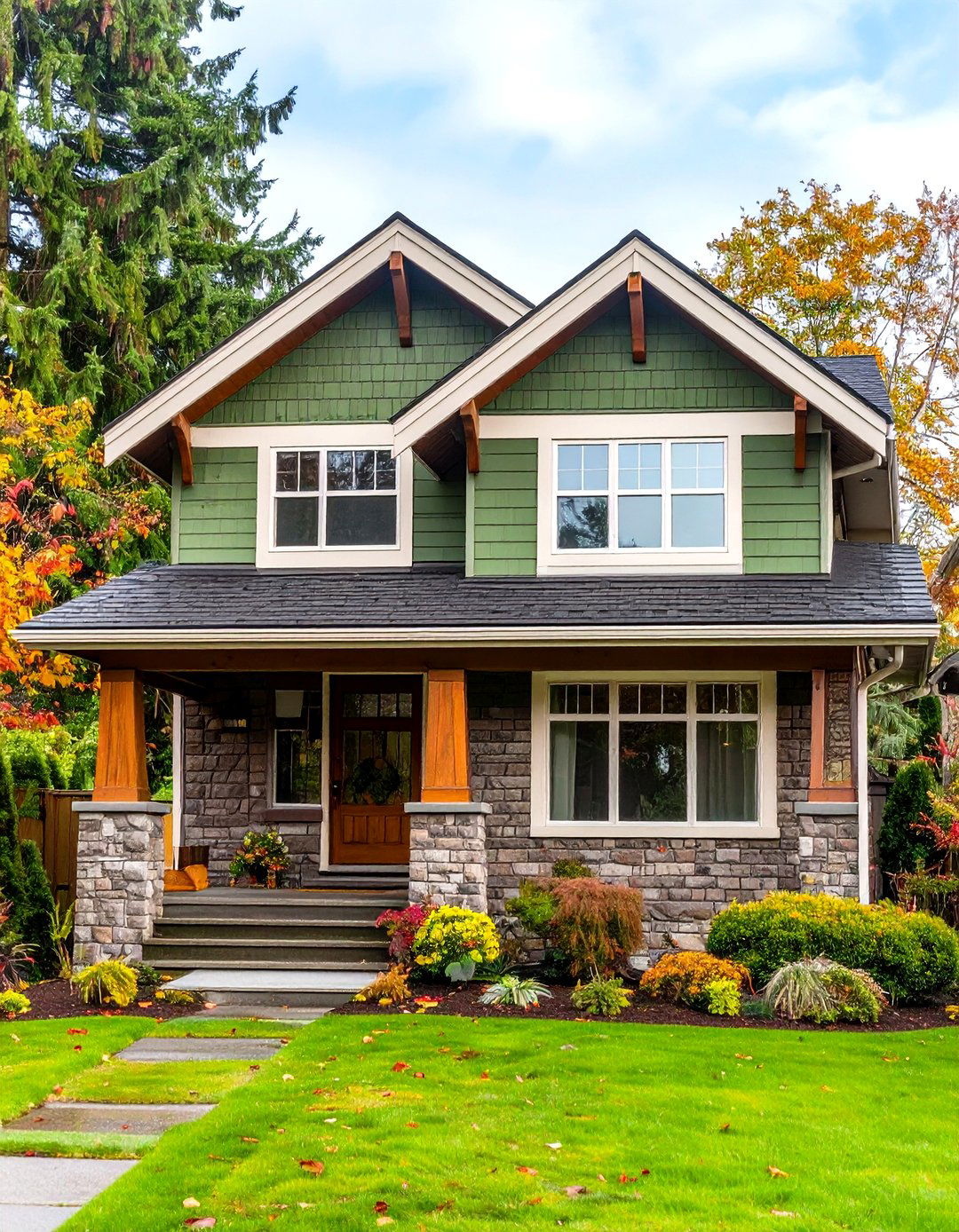
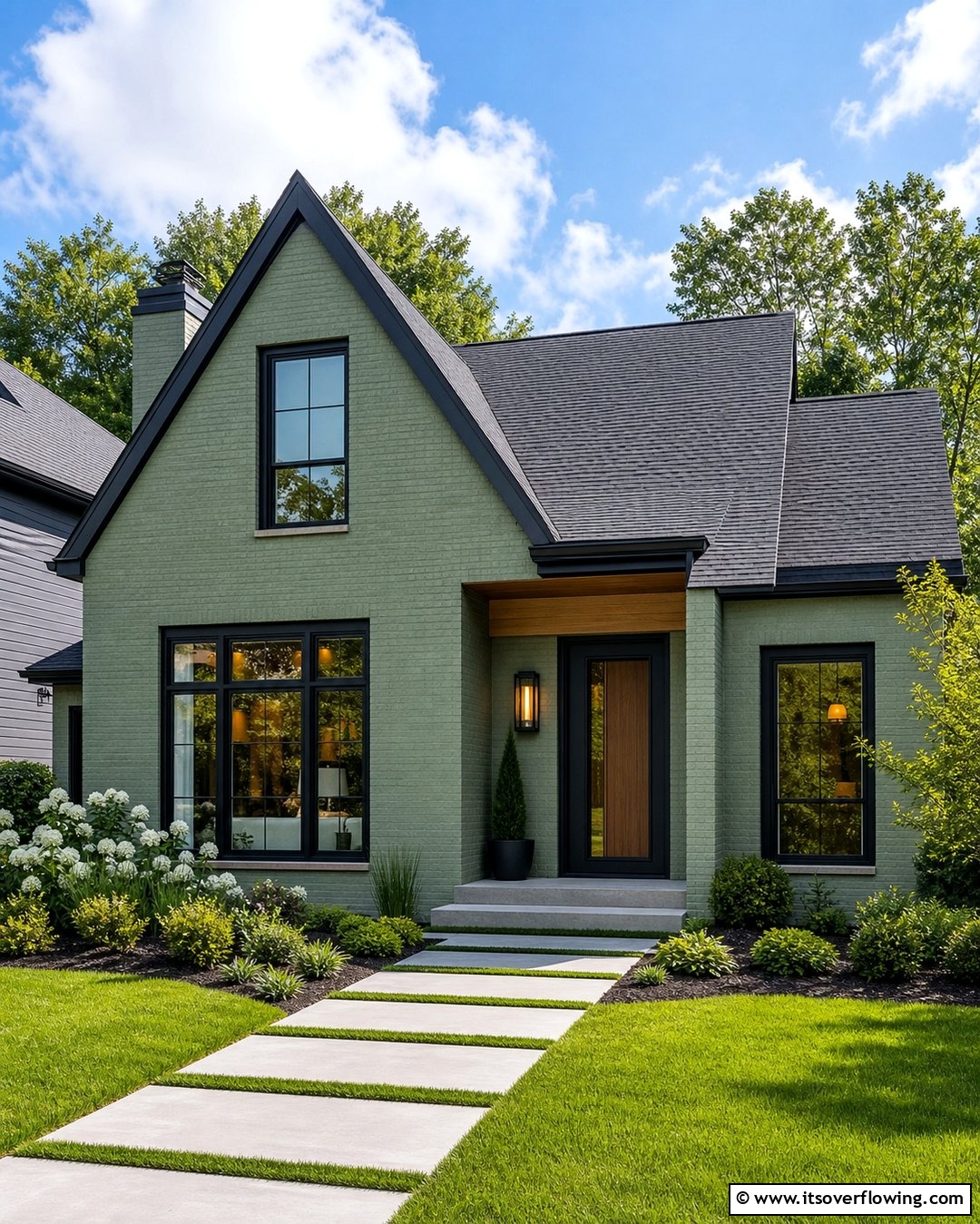
Why a Green Brick House Is Gaining Attention
In 2026, the green brick house is gaining significant attention due to a dual demand for biophilic architectural aesthetics and low-carbon construction materials. Homeowners and developers are increasingly selecting green bricks—referr...
In 2026, the green brick house is gaining significant attention due to a dual demand for biophilic architectural aesthetics and low-carbon construction materials. Homeowners and developers are increasingly selecting green bricks—referring to both the emerald-hued visual palette and eco-friendly manufacturing processes—to meet stricter 2026 carbon-neutral building codes and achieve a unique, nature-integrated design.
Contents
The Intersection of Aesthetics and Sustainability
The surge in interest surrounding green brick houses is not a singular trend but a convergence of two distinct movements in the housing market. On one hand, there is a visual shift toward "nature-merged" architecture. On the other, the construction industry has undergone a radical transformation in how masonry is produced, moving away from carbon-intensive kiln firing toward circular economy practices.
Architecturally, the "green brick" refers to the literal color of the masonry. Deep forest greens, muted olives, and glazed emerald bricks have become the hallmark of modern luxury and urban infill projects. These colors allow structures to blend into landscaped environments rather than contrasting sharply against them. Psychologically, these hues promote a sense of calm and permanence, aligning with the "quiet luxury" aesthetic that dominates 2026 residential design.
Technologically, a "green brick" refers to its environmental footprint. Traditional clay brick manufacturing is energy-intensive, requiring kilns to reach temperatures exceeding 1,000°C. Modern green bricks, however, often utilize recycled construction waste, bio-based binders, or carbon-sequestration techniques. This shift is no longer optional for many; as international building standards tighten, the embodied carbon in a home's structure has become a primary metric for property valuation and mortgage eligibility.
The Rise of Sustainable Masonry Technology
To understand why these houses are capturing the market, one must look at the specific materials replacing traditional red clay. The innovation in "green" masonry has reached a point of maturity in 2026 where these materials are as durable, if not more so, than their predecessors.
Recycled and Unfired Bricks
One of the most significant contributors to the green brick trend is the adoption of unfired bricks, such as the K-Briq, which is made from over 90% recycled construction and demolition waste. Because these bricks do not require kiln firing, they produce less than a tenth of the CO2 emissions of traditional bricks. In 2026, developers are utilizing these for high-density urban housing to meet municipal "Net Zero" mandates.
Carbon-Sequestering Bricks
Innovation has moved beyond just reducing emissions to actually capturing them. Some green bricks are now manufactured using mineralized carbon dioxide. By injecting CO2 into the concrete or composite mix during the curing process, the carbon is permanently locked into a solid mineral form. This turns the house itself into a carbon sink, a feature that has become a major selling point for eco-conscious buyers.
Bio-Bricks and Mycelium
While still niche for high-end bespoke projects, bio-bricks—grown from fungal mycelium or through bacterial mineral precipitation—are gaining traction. These materials provide exceptional natural insulation and are entirely biodegradable at the end of the building's lifecycle. Their unique organic texture and "living" quality appeal to the avant-garde segment of the architectural community.
Biophilic Design and the Psychology of Green
The visual appeal of a green brick house is deeply rooted in biophilic design, a concept that suggests humans have an innate tendency to seek connections with nature. In 2026, as urban density increases, the desire for homes that feel like "sanctuaries" has reached an all-time high.
Using green-toned bricks allows a building to mimic the layering found in natural landscapes. When paired with vertical gardens or expansive timber framing, a green brick facade softens the industrial edges of a home. Glazed green bricks are particularly popular in urban environments like London, New York, and Tokyo, where they reflect natural light and add a vibrant, reflective quality to narrow streets.
Furthermore, the color green is associated with stability and growth. In a volatile economic climate, the "grounded" feel of a solid masonry house in a naturalistic shade provides homeowners with a sense of psychological security. This trend is a departure from the stark whites and grays of the previous decade, which are now often viewed as sterile or dated.
Performance and Technical Advantages
Beyond aesthetics and ethics, green brick houses offer tangible performance benefits that contribute to their rising popularity. The technical specifications of modern eco-bricks often exceed those of traditional materials in key areas:
- Thermal Mass: High-quality green bricks possess excellent thermal mass, meaning they can absorb heat during the day and release it slowly at night. In the context of the fluctuating temperatures seen in 2026, this reduces the reliance on mechanical heating and cooling systems.
- Breathability: Many sustainable bricks, particularly those made from lime-based binders or hempcrete, are "vapor-permeable." This allows moisture to move through the walls, preventing mold growth and improving indoor air quality—a critical health consideration for modern homeowners.
- Acoustic Insulation: The density of recycled-content bricks often provides superior sound dampening compared to lightweight timber frames or thin-veneer panels, making them ideal for modern multi-family dwellings.
Comparative Analysis of Green Masonry Options
Choosing the right type of green brick depends on the specific goals of the project, whether the priority is carbon reduction, cost-efficiency, or architectural impact.
| Brick Type | Composition | Carbon Footprint | Primary Benefit | 2026 Market Status |
|---|---|---|---|---|
| Traditional Clay | Kiln-fired clay | High | Familiarity/Global Availability | Declining in regulated zones |
| K-Briq / Recycled | 90%+ C&D Waste | Very Low | Circular economy / High durability | Mainstream in urban dev |
| Hempcrete Bricks | Hemp shiv + Lime | Carbon Negative | Exceptional insulation/Breathability | Growing in custom eco-homes |
| Fly Ash Bricks | Industrial byproduct | Low | Low cost / High strength | Standard for affordable housing |
| Glazed Green Clay | Fired clay + Pigment | Medium-High | High-end aesthetic / Weatherproof | Luxury/Feature wall staple |
Cost Implications and Investment Value
A common question regarding the green brick house is whether the "green" premium is justified. As of 2026, the cost gap between traditional and sustainable masonry has narrowed significantly. This is due to the scaling of recycled material supply chains and the implementation of carbon taxes on high-emission manufacturing.
While the initial material cost for specialized items like carbon-sequestering or designer glazed bricks may be 10-15% higher than standard red clay, the Total Cost of Ownership (TCO) is often lower. Energy savings from better thermal performance and reduced maintenance costs contribute to a faster ROI. Furthermore, homes built with certified green materials currently command a 5-8% resale premium in major markets, as buyers prioritize future-proofed assets that comply with long-term environmental regulations.
Common Misconceptions
Despite their popularity, several myths persist about green brick houses.
- "Eco-bricks are weaker": On the contrary, many recycled and compressed bricks have higher compressive strength than standard air-pocketed clay bricks.
- "The color will fade": Modern mineral pigments and glazing techniques used in green-hued bricks are UV-stable. Unlike painted brick, which requires repainting every few years, a naturally green or glazed brick will maintain its color for decades.
- "They are only for temperate climates": While some bio-materials require specific moisture management, the majority of green bricks are engineered for extreme weather, including freeze-thaw cycles and high humidity.
Frequently Asked Questions
Are green-colored bricks more expensive than red ones?
Yes, typically. Bricks that are naturally green through specific mineral compositions or those that have been glazed to achieve a vibrant green finish involve more complex manufacturing processes. Glazed bricks, in particular, require a second firing or specialized coatings, which can increase the price per unit. However, many homeowners use them as "feature" masonry to balance the budget.
Do eco-friendly bricks require special maintenance?
Generally, no. Most green bricks, especially those made from recycled stone or mineralized carbon, are maintained exactly like traditional masonry. They may require occasional repointing over several decades. However, bio-based bricks (like hempcrete) must be finished with breathable lime plasters rather than standard acrylic paints to maintain their moisture-regulating properties.
Can I build a green brick house in a traditional neighborhood?
In 2026, most zoning boards and Homeowners Associations (HOAs) have updated their guidelines to include sustainable materials. Because many green bricks come in subtle, earthy tones (like sage or moss), they often pass aesthetic reviews more easily than experimental metal or plastic sidings. Always check local historic district regulations, which may still require specific color palettes.
How do green bricks affect home insurance?
Because most green bricks are non-combustible (with the exception of some experimental bio-composites that are treated with fire retardants), they typically qualify for the same favorable insurance rates as traditional masonry. In fact, some insurers now offer "green home" discounts for structures built with certified sustainable materials that meet LEED or BREEAM standards.
Is "green brick" just a trend, or is it here to stay?
The shift is permanent. With the global construction industry aiming for significant carbon reductions by 2030 and 2050, the transition to low-carbon masonry is a structural change in the market. The aesthetic preference for green hues may fluctuate like all design trends, but the underlying demand for "green" (sustainable) brick is now a fundamental requirement of modern real estate.
Next Steps for Homeowners and Developers
If you are considering a green brick house, your first step should be to define whether your priority is the aesthetic color, the environmental impact, or both.
- Consult a Sustainability Consultant: They can help you calculate the embodied carbon of different brick options and how they impact your home's overall energy rating.
- Request Samples: Green tones vary wildly depending on the light. Emerald glazed bricks may look stunning in a city setting but might be too intense for a rural landscape.
- Verify Certifications: Ensure the manufacturer provides verified Environmental Product Declarations (EPDs). This documentation is essential for securing green mortgages or tax incentives.
By choosing a green brick house, you are investing in a structure that respects the environment while offering a distinct, sophisticated architectural identity that will remain relevant well into the mid-21st century.
Image Gallery