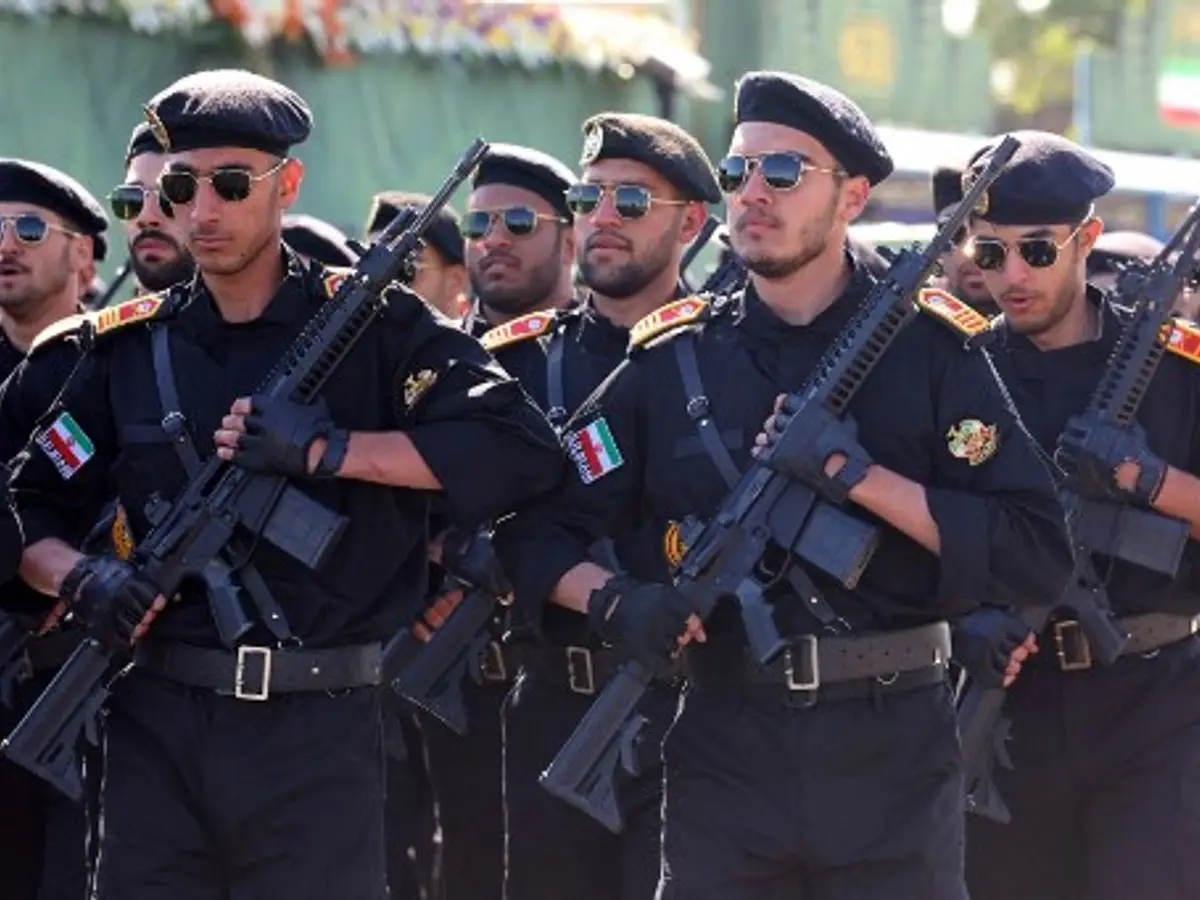
Understanding the Size of Iran's Military
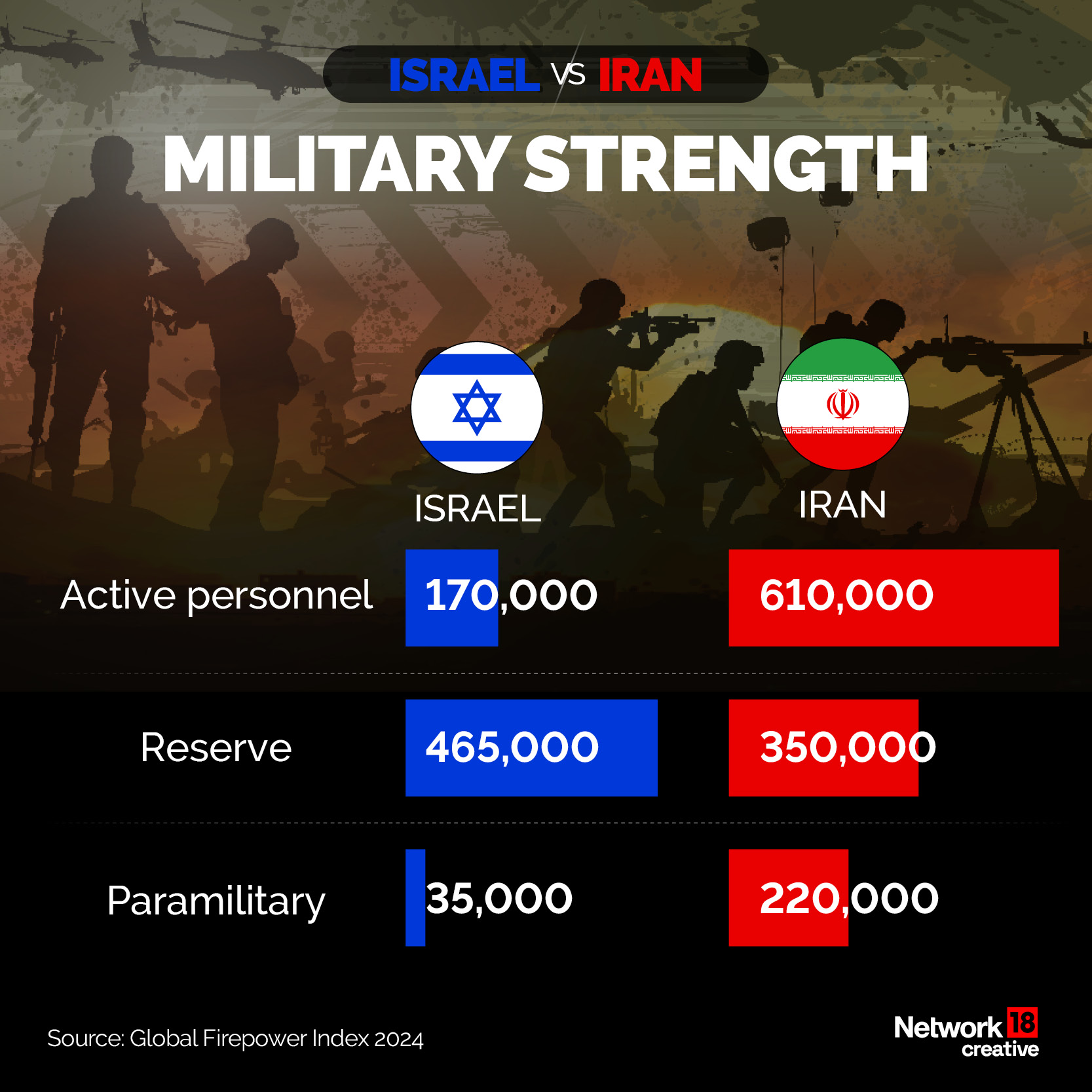
Understanding the size of Iran's military involves evaluating a complex, dual-structured force comprising approximately 610,000 active-duty personnel. This includes 350,000 in the regular army (Artesh) and 190,000 in the Islamic Revolu...
Understanding the size of Iran's military involves evaluating a complex, dual-structured force comprising approximately 610,000 active-duty personnel. This includes 350,000 in the regular army (Artesh) and 190,000 in the Islamic Revolutionary Guard Corps (IRGC), supported by massive paramilitary reserves and the region's largest ballistic missile arsenal.
Contents
The Dual-Structure System: Artesh and IRGC
To accurately gauge the scale of Iran’s military power, one must first understand its unique organizational dichotomy. Unlike most nations that maintain a single unified military, Iran operates two distinct armed forces that exist in parallel: the Artesh (the regular military) and the Islamic Revolutionary Guard Corps (IRGC), or Sepah.
The Artesh is the traditional defender of Iran’s national sovereignty and territorial integrity. It is structured like a conventional military, with a ground force, navy, air force, and air defense force. Its primary mandate is to protect the borders and repel external aggression. Despite its size, the Artesh has historically received less political emphasis and funding compared to its counterpart.
The IRGC, conversely, was established following the 1979 Revolution to protect the Islamic system itself from internal and external threats. Over the decades, it has evolved into a powerhouse that manages its own ground, naval, and aerospace forces. The IRGC also oversees the Quds Force, an elite unit responsible for extraterritorial operations and unconventional warfare. The IRGC is not just a military entity; it is a massive economic and political institution, controlling significant portions of the Iranian economy through various engineering and construction conglomerates. This economic reach allows the IRGC to fund its technological advancements and regional influence independently of the standard state budget.
Manpower and Personnel Breakdown
As of 2026, Iran remains the largest military by active personnel in the Middle East. The manpower is distributed across several branches, each serving specific strategic functions.
Active Duty Personnel
The Artesh Ground Forces constitute the largest single block of manpower, with roughly 350,000 soldiers, many of whom are conscripts. The IRGC Ground Forces maintain approximately 150,000 to 190,000 elite troops. When adding the specialized branches—the IRGC Navy (20,000), the IRGC Aerospace Force (15,000), and the Artesh Air Force and Navy—the total active-duty strength reaches approximately 610,000.
The Basij Paramilitary Force
The "size" of Iran's military is often inflated or obscured by the Basij, a volunteer paramilitary organization under the command of the IRGC. While the Iranian government occasionally claims the Basij can mobilize millions, independent analysts estimate the core, "active" volunteer strength at around 450,000. In a state of total war, the Basij serves as a massive mobilization pool, providing internal security, logistics, and "human wave" capabilities that have been a hallmark of Iranian defensive doctrine since the 1980s.
Conscription and Professionalization
Iran utilizes a mandatory conscription system for men aged 18 and older, typically lasting 18 to 24 months. This ensures a constant flow of low-level manpower but often results in a gap in technical proficiency compared to fully professionalized volunteer forces. In recent years, there has been a concerted effort to increase the "professional" core of the IRGC to handle more advanced systems like UAVs (unmanned aerial vehicles) and electronic warfare suites.
Conventional Hardware and Domestic Modernization
While Iran’s manpower is significant, its conventional hardware—tanks, fighter jets, and large warships—is characterized by a mix of aging Western equipment (dating back to the pre-1979 era) and newer, domestically produced or modified systems.
Land Forces
The ground forces operate an estimated 1,500 to 2,000 main battle tanks. This fleet includes older Soviet T-72s and British Chieftains, but the focus has shifted toward the Karrar, a domestically produced tank that Iran claims rivals the Russian T-90. The emphasis in the 2020s has been on upgrading armor with active protection systems and modern fire-control technology to compensate for the numerical superiority of regional rivals' Western-supplied armor.
The Air Force Dilemma
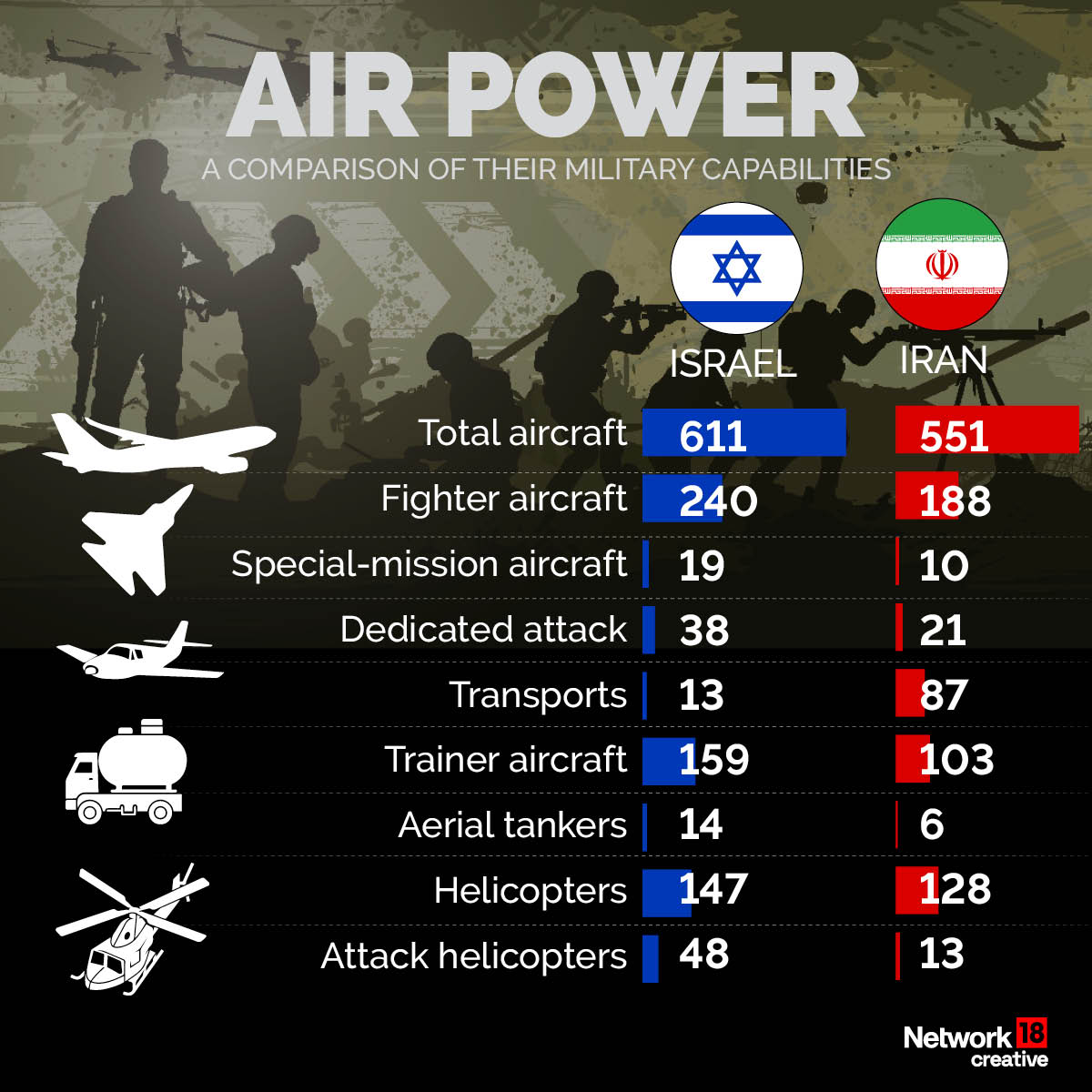
The Islamic Republic of Iran Air Force (IRIAF) remains the most challenged branch. For decades, it relied on aging F-14 Tomcats and F-4 Phantoms. However, the 2026 outlook reflects the gradual integration of more modern platforms, such as the Russian-made Su-35, which began arriving in recent years to provide a much-needed boost to Iran's air defense and air-superiority capabilities. Despite these acquisitions, Iran’s primary strategy for air defense relies more on the Khatam al-Anbiya Air Defense Base, which operates an extensive network of domestic surface-to-air missiles (SAMs) like the Bavar-373.
Asymmetric Capabilities: The "Force Multipliers"
The true "size" of Iran’s military impact is not found in its tanks or planes, but in its asymmetric capabilities. Tehran has recognized that it cannot win a conventional "tit-for-tat" arms race against the United States or its neighbors. Instead, it has invested heavily in three key areas: ballistic missiles, drones, and naval "swarming" tactics.
The Missile Force
Iran possesses the largest and most diverse ballistic missile arsenal in the Middle East. According to reports from the International Institute for Strategic Studies (IISS), this arsenal includes short-range (SRBM) and medium-range (MRBM) missiles capable of striking targets up to 2,000 kilometers away. Significant developments include the Fattah hypersonic missile and the Khorramshahr series. These missiles serve as Iran’s primary deterrent, providing "reach" that its air force lacks.
Unmanned Aerial Vehicles (UAVs)
Iran has emerged as a global leader in low-cost, high-impact drone technology. The Shahed and Ababil series have been exported and utilized in various conflicts, proving their ability to overwhelm sophisticated air defenses through sheer numbers (swarming). The "size" of the drone fleet is difficult to quantify but is estimated to be in the thousands, spanning from small loitering munitions to large, armed reconnaissance drones like the Mohajer-6.
Naval Asymmetry
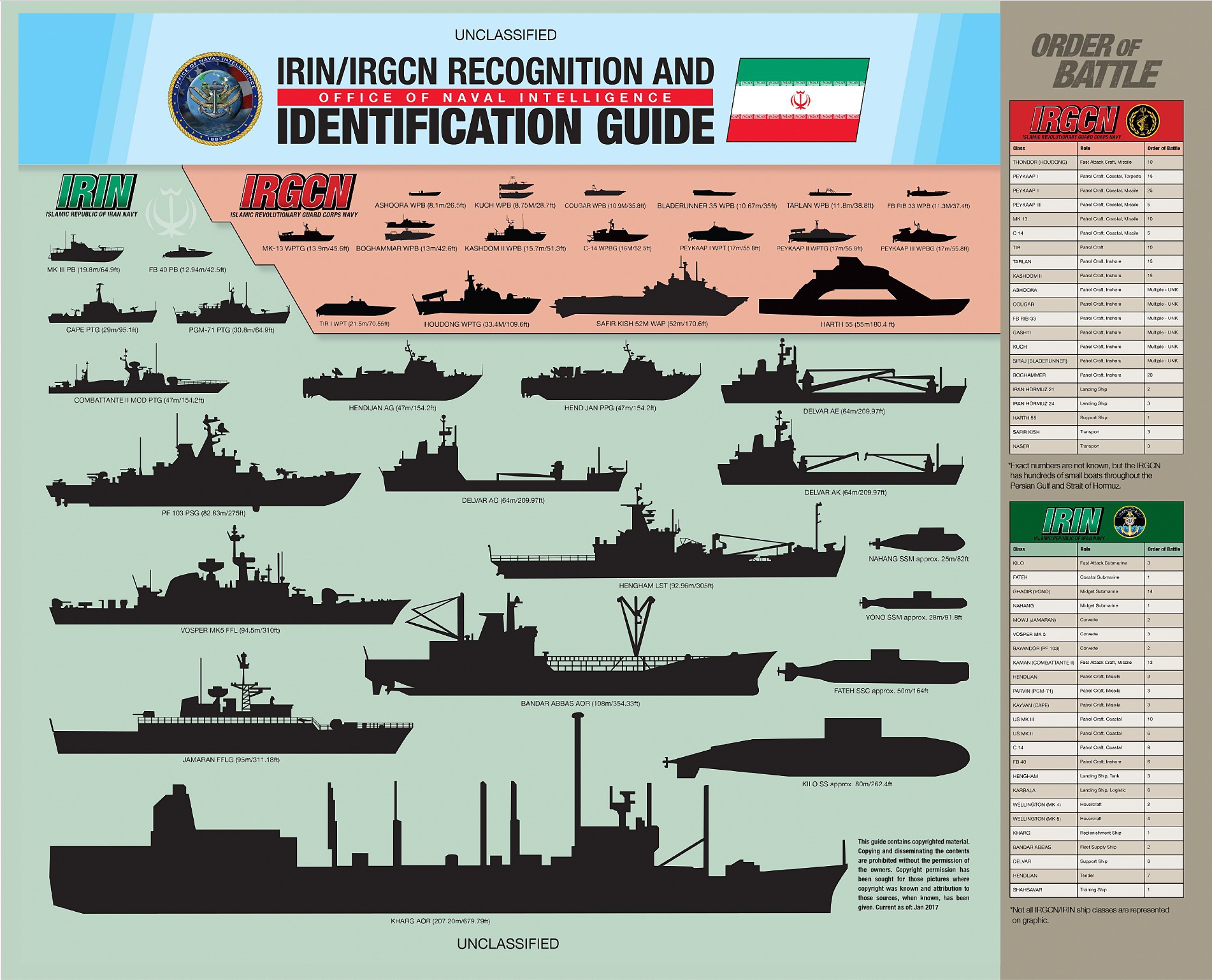
Iran maintains two navies. The Artesh Navy is a traditional "blue water" force with frigates and submarines (including the Russian-built Kilo-class and domestic Fateh-class). The IRGC Navy (IRGCN), however, is designed for "green water" operations in the Persian Gulf and the Strait of Hormuz. It utilizes hundreds of fast-attack craft armed with cruise missiles and mines, designed to harass larger vessels and threaten maritime choke points.
Comparative Military Strength (2026 Estimates)
The following table compares Iran's estimated military assets with regional peers to provide context for its scale.
| Category | Iran (Estimated) | Saudi Arabia | Israel |
|---|---|---|---|
| Active Personnel | 610,000 | 225,000 | 170,000 |
| Reserve Personnel | 350,000+ | 0 (Limited) | 465,000 |
| Main Battle Tanks | 1,900+ | 1,000+ | 2,200+ |
| Combat Aircraft | 340+ | 400+ | 600+ |
| Ballistic Missiles | 3,000+ (High Reach) | 100+ (Purchased) | Highly Classified |
| UAV Capacity | Tier 1 (Global Producer) | Tier 2 (Consumer) | Tier 1 (Global Producer) |
Strategic Posture and Defense Spending
Iran's military size is supported by a strategy of "Self-Sufficiency" (Jihad-e Khod-Kafayi). Because of long-standing international sanctions, the Iranian military-industrial complex has learned to reverse-engineer foreign technology and develop indigenous solutions. This has led to the creation of the Bonyads (charitable foundations) and IRGC-linked firms that handle everything from ammunition production to satellite launches.
In terms of budget, Iran generally spends less in absolute US dollars than Saudi Arabia or the UAE. However, because of its low labor costs and domestic production, it achieves a higher "purchasing power parity" in its defense sector. By 2026, Iran’s defense budget has remained resilient, focused on sustaining its "Axis of Resistance" (a network of regional proxies) which effectively extends the "size" of Iran's military influence far beyond its physical borders into Iraq, Lebanon, Syria, and Yemen.
Frequently Asked Questions
Is the IRGC part of the regular Iranian Army?
No. The IRGC (Islamic Revolutionary Guard Corps) is a separate branch of the Iranian Armed Forces with its own ground, air, and naval components. While they coordinate through the General Staff of the Armed Forces, the IRGC is ideologically driven and reports more directly to the Supreme Leader, whereas the Artesh is the traditional national military.
How many missiles does Iran actually have?
While exact figures are state secrets, US intelligence and independent monitors like the Stockholm International Peace Research Institute (SIPRI) estimate the inventory of ballistic missiles to be in the thousands (at least 3,000+). This does not include their vast stores of shorter-range rockets and cruise missiles.
Does Iran have nuclear weapons in 2026?
As of 2026, Iran is widely considered a "nuclear-threshold state." While it has the technical capacity and enriched uranium levels to produce a weapon rapidly, there is no verified public evidence that it has completed the weaponization process (the "bomb") or integrated it into its military structure. Its current doctrine remains focused on conventional and asymmetric deterrence.
What is the role of the Quds Force?
The Quds Force is the elite "special operations" arm of the IRGC. It is relatively small in terms of manpower (estimated at 5,000 to 10,000) but has a disproportionate impact because it trains, funds, and directs foreign proxy groups. It is the primary tool for Iran’s regional power projection.
Can Iran's military close the Strait of Hormuz?
The IRGC Navy is specifically trained and equipped for this task using "swarming" tactics, sea mines, and shore-based anti-ship missiles. While they could likely disrupt traffic and cause significant global economic damage, most analysts believe they could not keep the Strait closed indefinitely against a full-scale international naval response.
Practical Guidance for Further Research
To truly understand the evolving size and capability of Iran's military, it is essential to look beyond raw numbers. Analysts should focus on procurement trends (specifically from Russia and China) and the operational integration of drones into traditional ground and naval units. For the most up-to-date technical specifications, monitoring the annual "Sacred Defense Week" parades in Tehran offers a glimpse into newly unveiled domestic hardware. Those tracking regional stability should prioritize reports from the Defense Intelligence Agency (DIA) regarding Iran's "Military Power" series, which provides the most comprehensive unclassified assessments of their strategic intent.
Image Gallery