Alex Manninger: Career, Current Status, and Addressing Misconceptions About His Health
As of 2026, the retired professional Austrian goalkeeper Alex Manninger is alive and well. Reports or inquiries concerning an "Alex Manninger cause of death" are entirely unfounded, likely stemming from internet-based misinformation or...
As of 2026, the retired professional Austrian goalkeeper Alex Manninger is alive and well. Reports or inquiries concerning an "Alex Manninger cause of death" are entirely unfounded, likely stemming from internet-based misinformation or confusion with other public figures. Manninger, who had a distinguished career playing for elite clubs across Europe, including Arsenal, Juventus, and Liverpool, remains a private citizen and is not deceased.
Contents
Clarifying the Misinformation
In the digital age, athletes often become the subjects of speculative search queries. When a search for a "cause of death" appears, it is frequently the result of an algorithmic error, a mix-up with a former teammate or contemporary who has passed away, or a "hoax" report that spreads rapidly on social media platforms.
For the record, there has been no official report, obituary, or announcement from any credible news outlet, sports organization, or family member indicating that Alex Manninger has died. The confusion may occasionally arise when fans search for older professional footballers who retired around the same era, some of whom may have faced health complications, but there is no factual basis for linking such events to Manninger.
The Career of Alex Manninger: An Overview
To understand why the public remains interested in Alex Manninger, it is helpful to look at his contributions to professional football. Born on June 4, 1977, in Salzburg, Austria, Manninger established himself as one of the most reliable and journeyman goalkeepers of his generation. His professional journey took him through several of the world’s most demanding football leagues, including the English Premier League, Italy's Serie A, and the German Bundesliga.
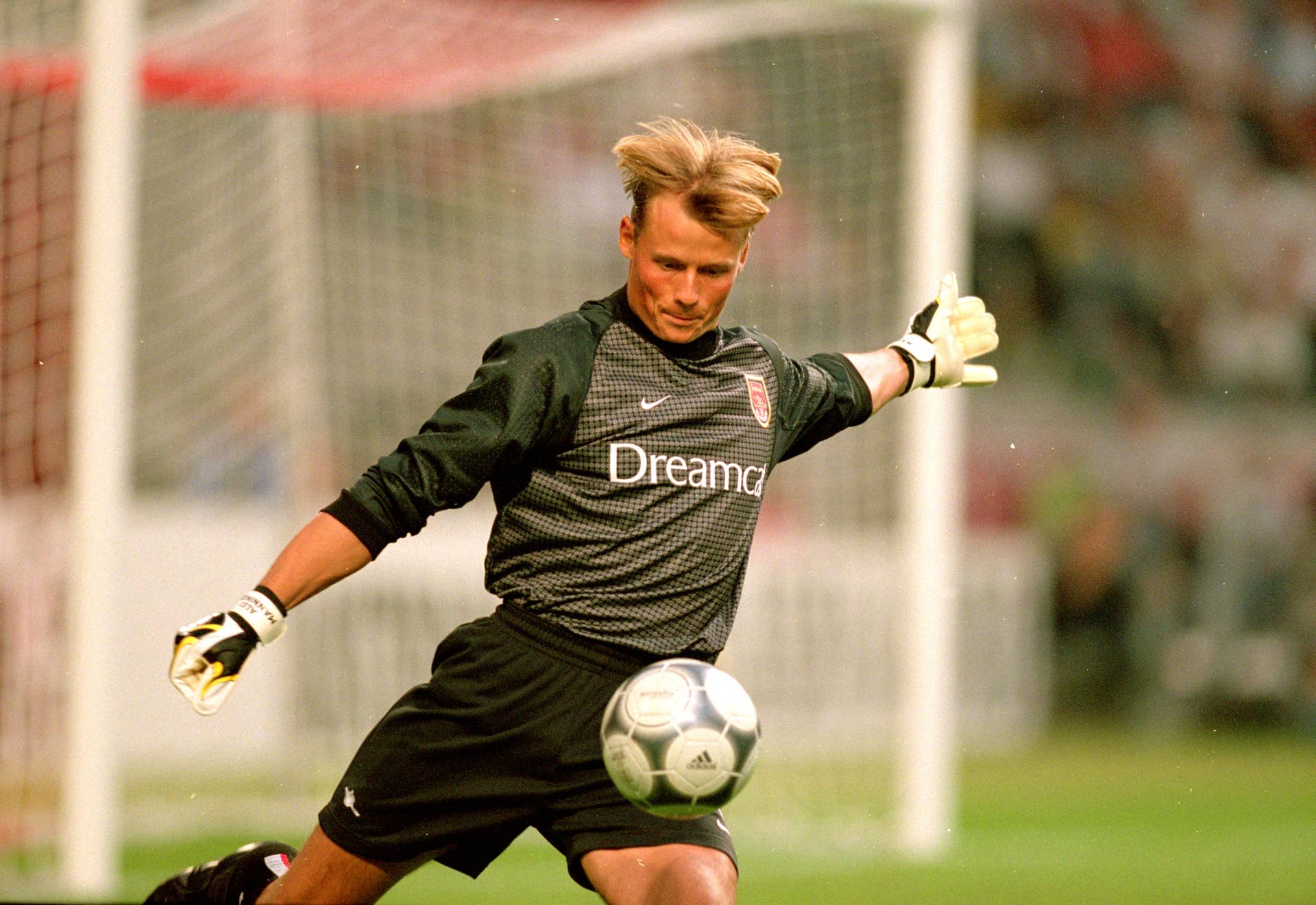
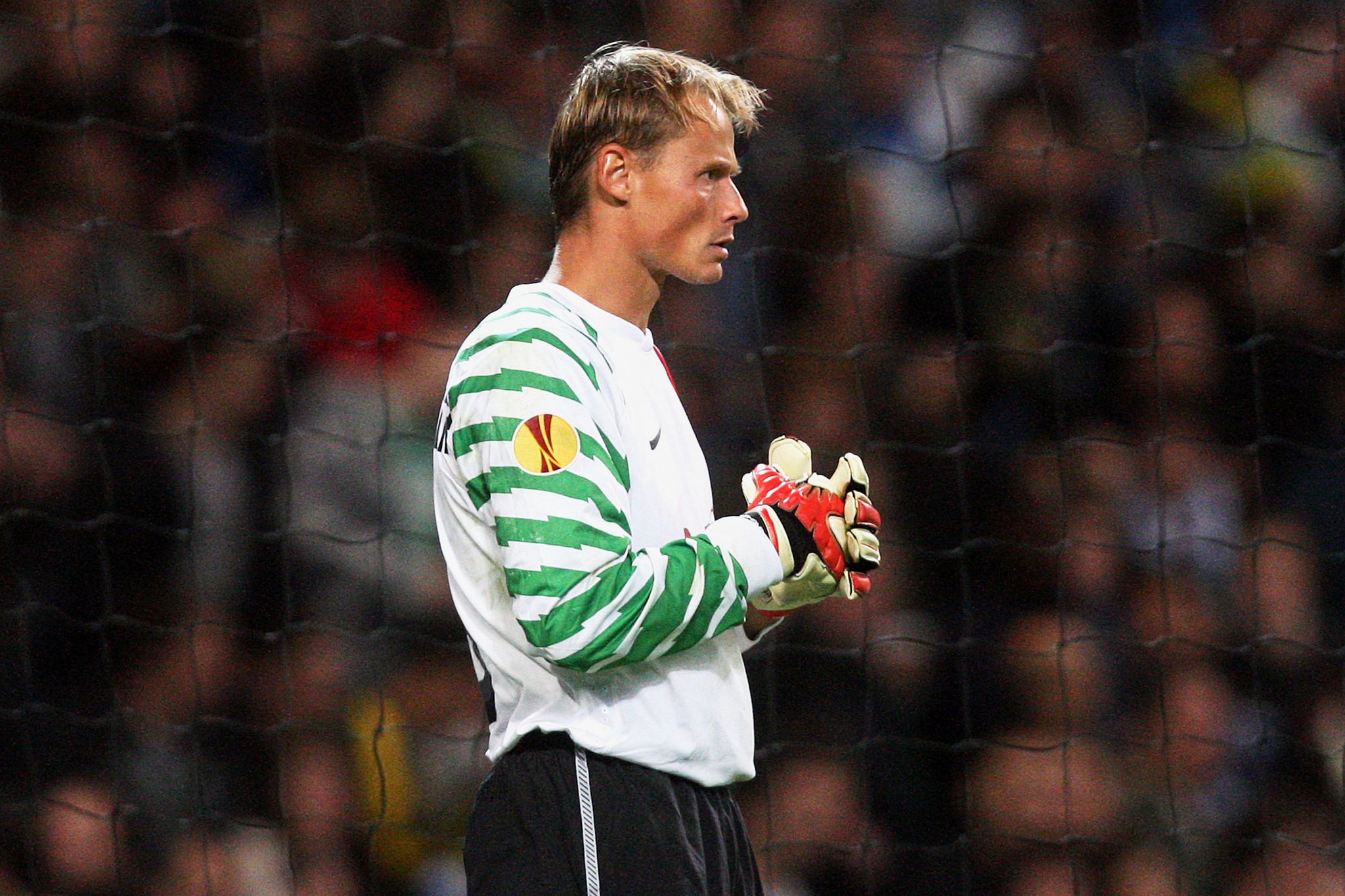
Manninger’s most prominent early stint occurred at Arsenal. He joined the London club in 1997 and played a vital role during the 1997–1998 season, where his performances were instrumental in Arsenal winning the Premier League title and the FA Cup. He famously stepped in for David Seaman during a period of injury and kept a series of crucial clean sheets that secured the "Double" for the Gunners.
Following his time in England, Manninger enjoyed a nomadic and highly successful career in Italy. He played for various clubs, including Fiorentina, Siena, and most notably, Juventus. His tenure at Juventus (2008–2012) cemented his reputation as a consummate professional who could provide reliable cover for world-class goalkeepers like Gianluigi Buffon. His ability to adapt to different tactical systems and cultures made him a respected figure in the locker room.
Notable Professional Clubs and Achievements
Manninger’s career was defined by his longevity and his willingness to embrace new challenges in different countries. Below is a summary of his notable professional path:
| Club | Years | Key Context |
|---|---|---|
| Grazer AK | 1996–1997 | His breakout professional years in Austria. |
| Arsenal | 1997–2002 | Premier League and FA Cup winner; high-profile status. |
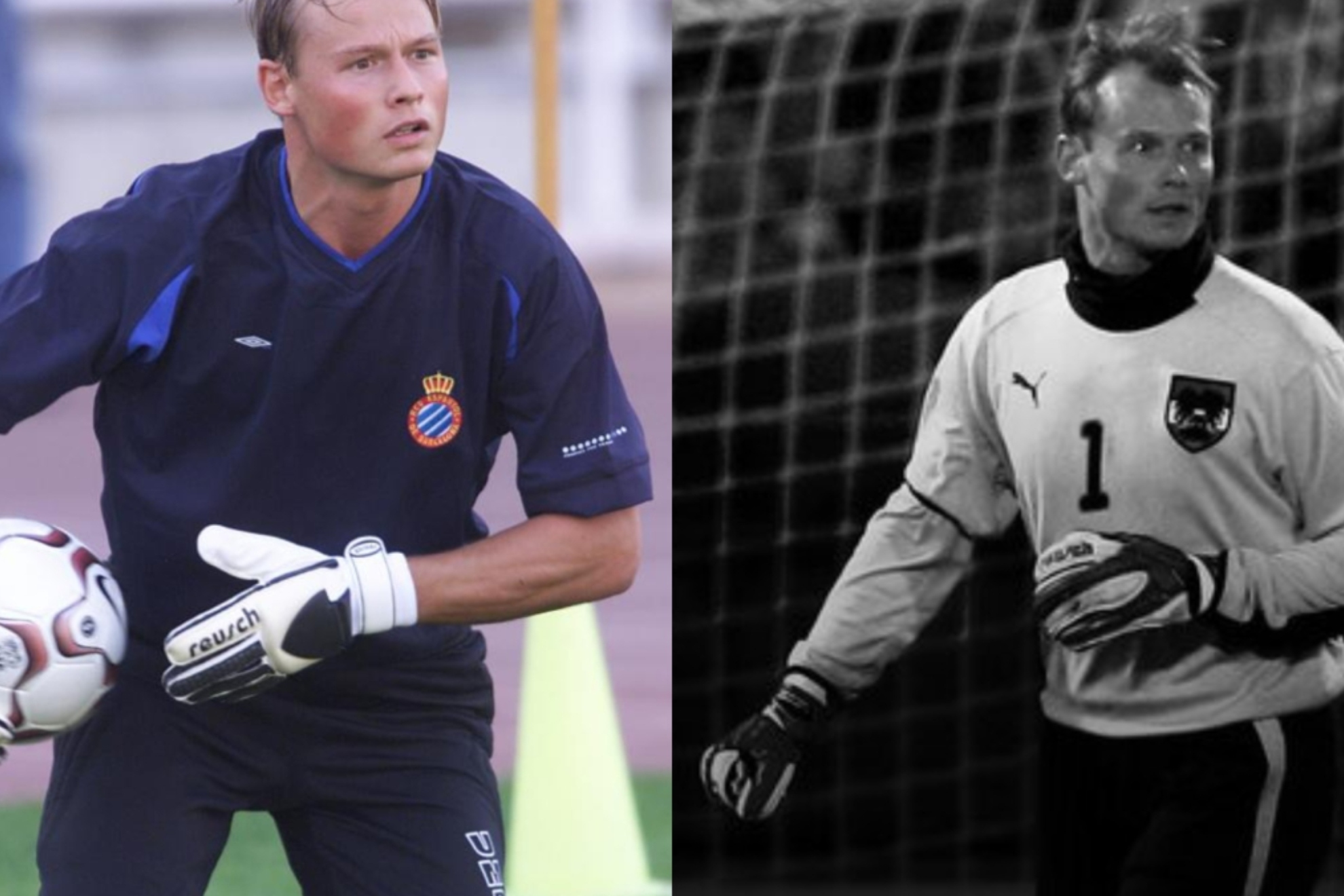
| Espanyol | 2002–2003 | Brief stint in La Liga. |
| Siena | 2004–2008 | Significant period as a primary starter in Serie A. |
| Juventus | 2008–2012 | Played as a high-level backup and mentor. |
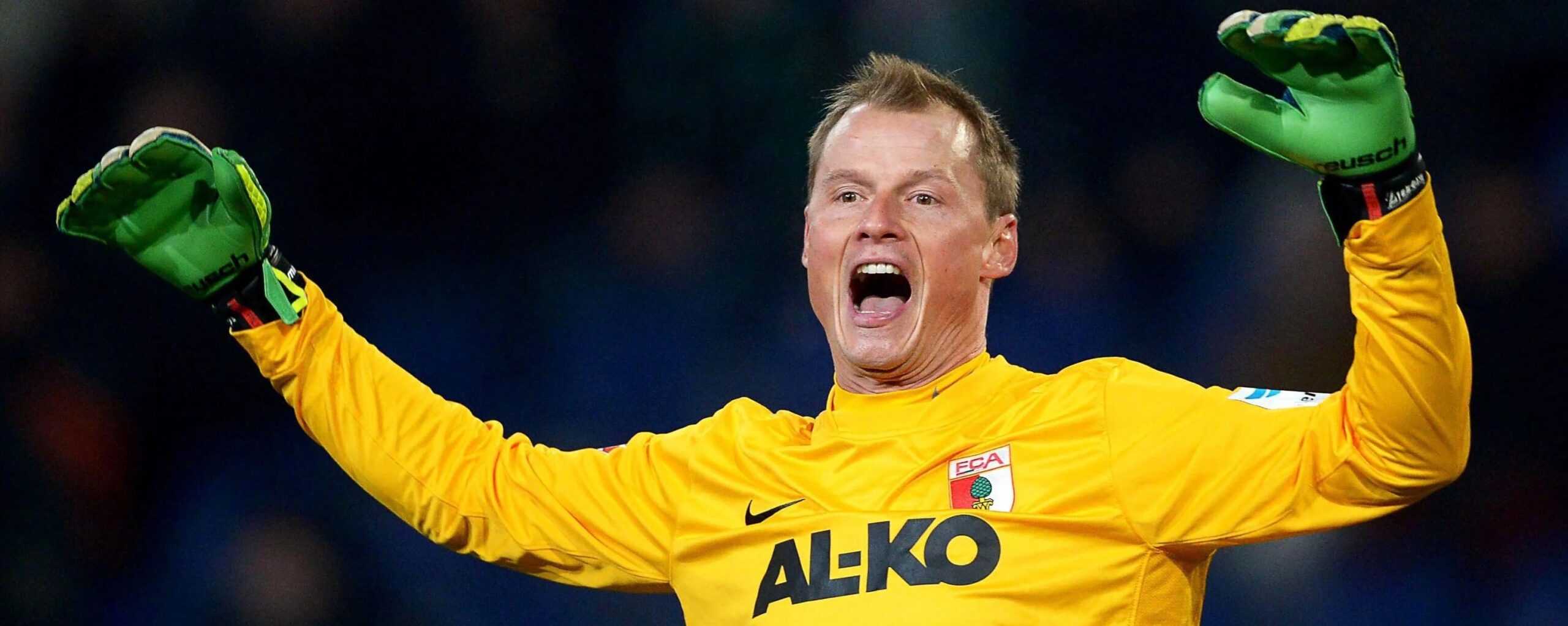
| FC Augsburg | 2012–2016 | Steady presence in the German Bundesliga. |
| Liverpool | 2016–2017 | Final professional club before retirement. |
Life After Professional Football
After announcing his retirement from professional football in May 2017, following his final season at Liverpool, Manninger stepped away from the high-pressure environment of top-tier sports. Since 2017, he has largely focused on private life. Unlike some former players who transition immediately into full-time punditry or high-profile coaching, Manninger chose a quieter path, occasionally participating in charity events or exhibition matches related to his former clubs.
His transition into post-football life is characterized by the same professionalism he displayed on the pitch. By maintaining a low profile, he has successfully avoided the pitfalls of modern celebrity culture. This privacy is a personal choice, though it unfortunately creates an information vacuum that sometimes leads to baseless online rumors.
Why Search Engines May Suggest "Cause of Death"
The phenomenon of search queries for "cause of death" regarding living celebrities is a known issue in SEO and information retrieval. Search algorithms identify patterns where a name might be trending, and if that name is associated with "death," "illness," or "accident" in social media chatter—even if entirely false—the autocomplete features of search engines may suggest these as potential completions.
Users should be wary of:
- Clickbait Sites: Websites that exist solely to harvest traffic by creating fake "tributes" or "obituary" pages for living people to drive ad revenue.
- Algorithmic Misinterpretation: Search engines flagging a spike in searches and incorrectly associating it with a trending news story about a different person with a similar name.
- Social Media Rumors: Unverified claims made on X (formerly Twitter), TikTok, or Facebook that are then picked up by automated aggregator sites.
Always verify such information through official club websites (such as the Arsenal or Juventus official portals), major reputable sports news outlets like BBC Sport or Sky Sports, and verified official social media accounts of the individual in question.
Assessing Verified Information Sources
When researching the status of professional athletes, it is critical to rely on primary and secondary sources with editorial oversight. If an athlete of Manninger's stature were to pass away, the following would occur:
- Official Statements: His former clubs would issue formal statements of condolence.
- Broad Media Coverage: Major international sports networks would cover the news extensively.
- Biographical Updates: Reputable databases like UEFA.com, Transfermarkt, or Wikipedia would update his status with a death date immediately.
Because none of these indicators exist, readers can rest assured that any search result suggesting his death is categorically false.
Frequently Asked Questions
1. Is Alex Manninger still alive in 2026? Yes, Alex Manninger is alive and healthy as of 2026. There have been no credible reports suggesting otherwise.
2. Why do people search for Alex Manninger's cause of death? This is likely due to the rise of misinformation sites that generate fake "death report" articles for high-profile individuals to generate ad revenue, or users confusing him with other retired footballers who have recently passed away.
3. When did Alex Manninger retire from professional football? Manninger officially retired from professional football in May 2017. His final club was Liverpool, where he spent the 2016–2017 season as part of the senior squad.
4. Was Alex Manninger known for any specific health issues during his career? During his active career, Manninger was considered a fit and consistent athlete. Like many professional goalkeepers, he dealt with minor, standard injuries associated with the sport, but he never had a widely reported, life-threatening medical condition during or after his career.
5. Where can I find verified information about Alex Manninger? For accurate biographical information and career statistics, it is best to consult resources such as the official UEFA player database, the Transfermarkt profiles, or reputable sports journalism archives like The Guardian or BBC Sport.
Next Steps for Research
If you are looking for information on Alex Manninger, it is recommended to focus on his historical career achievements rather than speculative personal health queries. His legacy remains that of a dedicated and highly respected goalkeeper who spent two decades at the top level of European football. Should any verifiable news regarding his status arise, it would be disseminated through established, mainstream sports media outlets. For those interested in his contributions, reviewing his match history or interviews from his time at Arsenal or Juventus remains the best way to understand his impact on the game.
Image Gallery