Comprehensive Overview of Drain and Plumbing Services in 2026
Plumbing and drainage services encompass the installation, maintenance, and repair of systems that transport potable water and remove liquid waste. These services are vital for ensuring structural integrity, hygiene, and efficient wate...
Plumbing and drainage services encompass the installation, maintenance, and repair of systems that transport potable water and remove liquid waste. These services are vital for ensuring structural integrity, hygiene, and efficient water management in residential and commercial properties, covering everything from minor leak repairs to complex sewer line replacements.
Contents
The Scope of Modern Plumbing and Drainage Systems
Plumbing is often categorized into two primary subsystems: the supply system and the drainage system. As of 2026, these systems have become increasingly integrated with smart home technology and high-efficiency standards. The supply system brings pressurized, treated water into a structure for drinking, bathing, and cleaning. This involves a network of pipes, valves, and meters designed to maintain consistent pressure and prevent contamination.
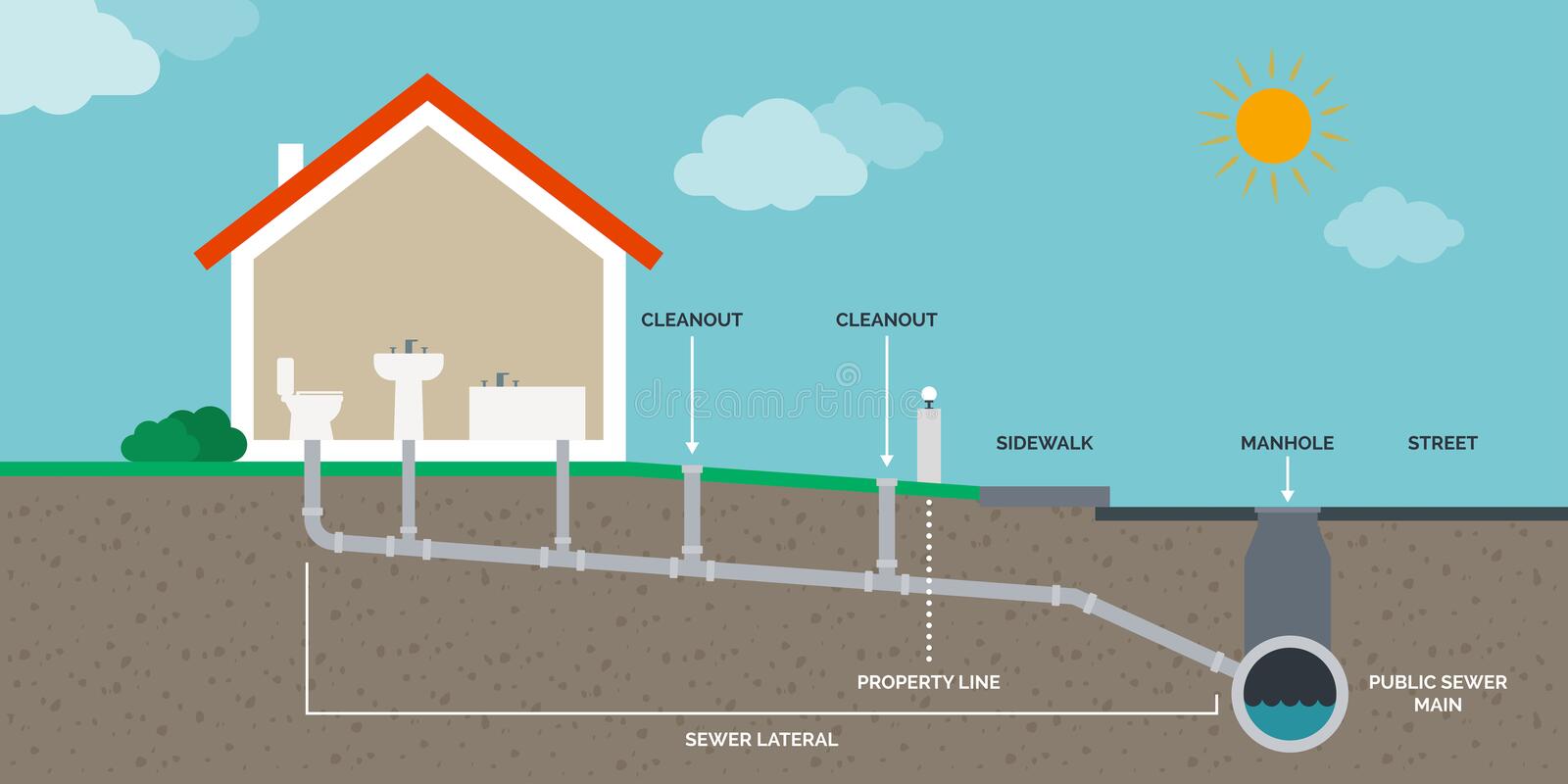
The drainage system, conversely, relies primarily on gravity to carry wastewater and water-borne solids away from the building to a municipal sewer or a private septic system. This system includes traps, vents, and drains. The P-trap, a U-shaped pipe under sinks, is a critical component that holds a small amount of water to prevent sewer gases from entering the living space. Ventilation pipes extend through the roof to equalize pressure within the drains, allowing water to flow smoothly and preventing the "glugging" sound associated with air pockets.
In 2026, the focus has shifted significantly toward water conservation and graywater recycling. Modern plumbing overviews now frequently include systems that divert water from showers and sinks to be filtered and reused for irrigation or toilet flushing, reflecting stricter environmental regulations and rising utility costs.
Core Residential and Commercial Plumbing Services
Professional plumbing services address a wide spectrum of issues ranging from aesthetic upgrades to catastrophic structural failures. Understanding these categories helps property owners prioritize maintenance and budget for repairs.
Drain Cleaning and Clog Removal
Clogs are the most common reason for service calls. While basic obstructions can sometimes be cleared with a plunger, professional intervention is necessary for deeper or more stubborn blockages.
- Mechanical Snaking: Plumbers use motorized augers or "snakes" to physically break apart hair, soap scum, or small foreign objects lodged in the pipes.
- Hydro Jetting: This technique involves blasting high-pressure water (up to 4,000 PSI) through the pipes. It is particularly effective for removing heavy grease buildup in kitchen lines or invasive tree roots in sewer mains.
- Biological Cleaners: In 2026, many professionals have moved away from harsh chemical solvents, which can damage older pipes and harm the environment, in favor of enzyme-based cleaners that eat away organic material over time.
Pipe Repair and Repiping
Leaky pipes are more than just a nuisance; they can lead to mold growth and compromised foundations.
- PEX vs. Copper: While copper remains a standard for its durability and antimicrobial properties, PEX (cross-linked polyethylene) has become the dominant material for residential repiping due to its flexibility, resistance to scale and chlorine, and faster installation times.
- Leak Detection: Modern services utilize ultrasonic leak detectors and thermal imaging to locate pinhole leaks behind walls without requiring demolition. This precision significantly reduces the overall cost of repair.
Fixture and Appliance Installation
This includes the setup of sinks, toilets, faucets, showerheads, and garbage disposals. In 2026, installation often involves integrating smart fixtures, such as touchless faucets or toilets with built-in leak sensors that send alerts directly to a smartphone. Proper installation ensures that connections are airtight and that the appliance operates within its manufacturer-specified pressure range.
Advanced Drainage and Sewer Solutions
When issues extend beyond the interior walls, specialized drainage services are required. The main sewer line is the most critical pipe in any property, and its failure can lead to extensive property damage.
CCTV Sewer Inspections
Before any digging occurs, professionals perform a video inspection. A waterproof camera is snaked through the line, providing a real-time view of the pipe's interior. This allows the technician to identify cracks, collapses, or root intrusions with 100% accuracy, ensuring the solution matches the problem.
Trenchless Pipe Rehabilitation
One of the most significant advancements in the industry is trenchless technology. Instead of digging up a driveway or yard, plumbers use methods like Cured-In-Place Pipe (CIPP) lining. A flexible tube coated in resin is inserted into the damaged pipe, inflated, and cured until it hardens, essentially creating a "pipe within a pipe." This method is favored for its longevity—often rated for 50 years or more—and for preserving the property's landscaping.
Specialized Water Heating Systems
Water heaters are a central component of plumbing services. As of 2026, there is a marked trend toward tankless water heaters (on-demand heaters).
- Traditional Tank Heaters: These store and heat 30 to 80 gallons of water continuously. While they have a lower initial cost, they are less energy-efficient due to standby heat loss.
- Tankless Systems: These heat water only when a faucet is turned on. They offer an endless supply of hot water and occupy significantly less space. Maintenance for these units typically includes annual descaling to prevent mineral buildup, especially in areas with hard water.
- Heat Pump Water Heaters: These units move heat from the surrounding air into the water, making them remarkably efficient in warmer climates and helping property owners meet 2026 carbon-reduction targets.
Estimated Costs and Service Comparison in 2026
Pricing for plumbing services varies based on the complexity of the job, regional labor rates, and the materials used. The following table provides a general overview of typical service costs in 2026.
| Service Category | Estimated Cost Range (2026 USD) | Primary Benefit |
|---|---|---|
| Emergency Service Call | $200 – $450 | Rapid response for bursts/flooding |
| Standard Drain Cleaning | $150 – $350 | Clears localized clogs in sinks/toilets |
| Hydro Jetting (Main Line) | $450 – $950 | Removes deep roots and heavy grease |
| Sewer Camera Inspection | $250 – $600 | Non-invasive diagnostic of pipe health |
| Tankless Water Heater Install | $2,500 – $5,500 | Energy efficiency and unlimited hot water |
| Trenchless Pipe Lining | $150 – $250 per foot | Repairs sewer lines without digging |
| Full House Repiping | $4,500 – $15,000+ | Replaces old/failing pipe infrastructure |
Identifying When to Call a Professional
While many homeowners attempt DIY fixes, certain "red flags" indicate that a licensed plumber is required to prevent catastrophic failure.
- Low Water Pressure: If pressure drops suddenly across the entire house, it often indicates a leak in the main supply line or a malfunctioning pressure-reducing valve.
- Slow Drains in Multiple Fixtures: If the sink, tub, and toilet all drain slowly, the blockage is likely in the main sewer stack rather than an individual pipe.
- Unexplained Water Bills: A sudden spike in water usage without a change in habits is a classic sign of a hidden leak.
- Sewer Smells: The presence of hydrogen sulfide (rotten egg smell) inside the home indicates a broken vent pipe or a dried-out trap, which can pose health risks.
- Discolored Water: Rusty or brown water suggests that the interior of steel or copper pipes is corroding, or that the water heater tank is failing.
According to the Environmental Protection Agency (EPA), an average household's leaks can account for nearly 10,000 gallons of water wasted every year. Addressing these issues promptly is not only a matter of property maintenance but also one of environmental responsibility.
Preventative Maintenance and Best Practices
Routine maintenance is the most effective way to avoid the high costs of emergency repairs. Property owners should implement the following practices:
- Annual Inspections: Have a professional check the water heater's anode rod and flush the tank to remove sediment.
- Know the Main Shut-off: Every resident should know the location of the main water shut-off valve to stop the flow immediately in the event of a burst pipe.
- Avoid "Flushable" Wipes: Despite marketing claims, most wipes do not break down like toilet paper and are a leading cause of sewer backups in 2026.
- Check Water Pressure: Use a simple pressure gauge on an outdoor hose bib. Residential pressure should ideally be between 40 and 60 PSI; anything over 80 PSI can damage fixtures and cause leaks.
Organizations like the American Society of Plumbing Engineers (ASPE) provide detailed standards for system design, which professionals follow to ensure that even preventative measures are performed safely and effectively.
FAQ
What is the difference between a plumber and a drainage specialist?
A general plumber typically focuses on the water supply, fixtures, and interior piping. A drainage specialist often focuses specifically on the waste system, including underground sewer lines, septic tanks, and complex blockages that require heavy machinery like hydro jetters or excavators. Many full-service companies employ both.
How often should I have my drains professionally cleaned?
For residential properties, a professional cleaning every 2 to 3 years is generally sufficient as a preventative measure. However, commercial properties, especially restaurants, may require monthly or quarterly hydro jetting to manage grease accumulation.
Why do my pipes make a banging noise when I turn off the water?
This phenomenon is known as water hammer. It occurs when the flow of water stops abruptly, causing a pressure wave that shakes the pipes. A plumber can resolve this by installing water hammer arrestors, which act as cushions to absorb the shock.
Is trenchless pipe repair as durable as traditional digging?
Yes, in many cases it is more durable. The epoxy resins used in trenchless lining are resistant to corrosion and root intrusion, often carrying warranties that exceed the lifespan of original PVC or clay pipes.
Can smart leak detectors really prevent flood damage?
Smart leak detectors, which are increasingly standard in 2026, can detect minute changes in flow or the presence of moisture on floors. Many systems are integrated with an automatic shut-off valve that kills the main water supply the moment a leak is detected, potentially saving tens of thousands of dollars in restoration costs.
Practical Recommendation
For any property owner, the first step toward effective plumbing management is a comprehensive whole-home plumbing audit. Contact a licensed professional to perform a camera inspection of the main sewer line and a pressure test on the supply system. This establishes a baseline for your property's health and allows you to address minor wear and tear before it escalates into a costly emergency. Always verify that your service provider is licensed and insured according to local jurisdictional requirements to ensure all work meets current safety codes.
Image Gallery